 Email: support@vespaagogo.com

Cultural Insights
Ho Chi Minh City: A Global Melting Pot of Cultures on a Plate
2026-02-23
To understand Ho Chi Minh City, you have to stop trying to hear it and start trying to taste it. It is 6:30 AM in District 1. The air is already thick with a humidity that carries the scent of roasted coffee and charred pork. But if you linger a bit longer near the old colonial apartment blocks, you’ll catch something else - the yeasty aroma of a French baguette, the faint, medicinal drift of a Chinese herbal broth, and the sharp, citrusy sting of Thai lemongrass.
This isn't just a city with a lot of restaurants. This is a melting pot of cultures where the pot is always simmering. For decades, Saigon has acted like a culinary magnet, pulling in flavors from across the oceans and folding them into its own chaotic, beautiful identity. As someone who lives here, I’ve realized you don’t just reside in HCMC; you eat your way through a global map, one hẻm at a time.
1. The Ancient Foundation: Chinese Food in Ho Chi Minh City
The 17th-century legacy: the presence of Chinese food in Ho Chi Minh City is not a modern trend but a historical pillar. Following the fall of the Ming Dynasty in the late 17th century, a large group of loyalists led by Tran Thuong Xuyen was granted permission by the Nguyen Lords to settle in the Southern lands. They founded Minh Huong villages and turned the swampy areas of what is now District 5 (Cholon) into a bustling commercial hub. These migrants brought with them "the philosophy of the work" - the idea that food must be fast, nutritious, and medically balanced.
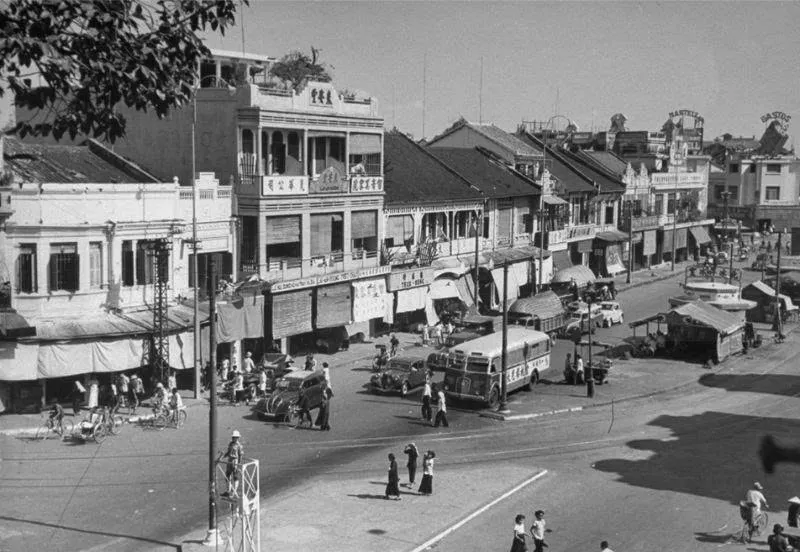
Busy Old Cholon corner, vibrant with Vietnamese-Chinese cultural heritage.
The culinary icon: mì vịt tiềm (braised duck noodle soup), while dumplings are common, the Vịt Tiềm is the true soul of Cholon. This dish is a masterclass in patience. A large duck quarter is deep-fried to render out the fat and crisp the skin, then braised for hours in a dark, mysterious broth.
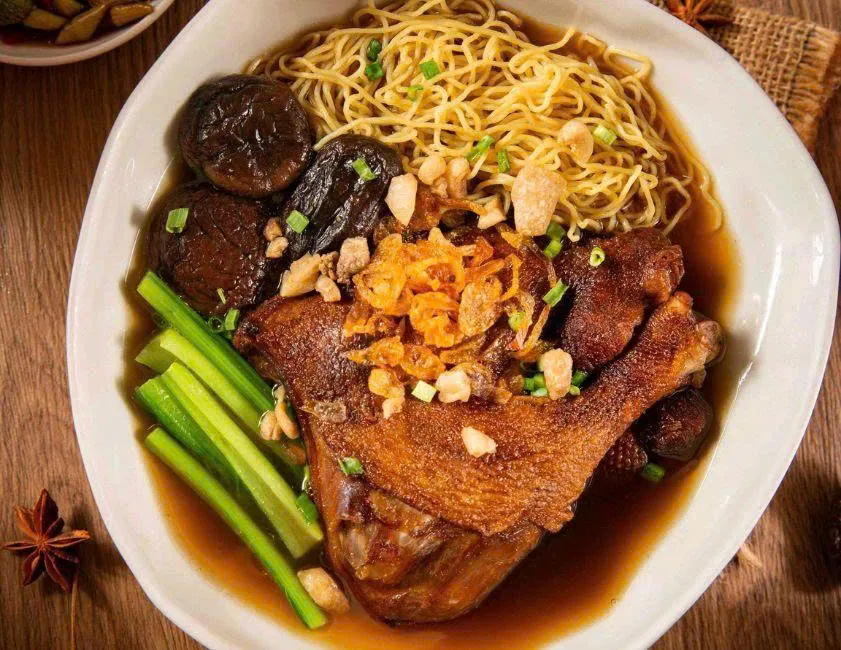
Mì vịt tiềm (braised duck noodle soup)
Why it rules the streets: the broth is the secret - infused with a "holy trinity" of Chinese medicine: star anise, cinnamon, and goji berries. Saigonese people are deeply concerned with "heating" and "cooling" foods. Because duck is considered "cooling" (hàn), the warm, "heating" spices (nhiệt) create a medicinal balance that locals believe boosts longevity. Moreover, the preference for hủ tiếu mềm (soft rice noodles) in Cholon is a local adaptation. Unlike the chewy noodles of the countryside, these silk-like strands absorb the herbal fat of the duck, creating a rich, velvety texture that defines Southern comfort.
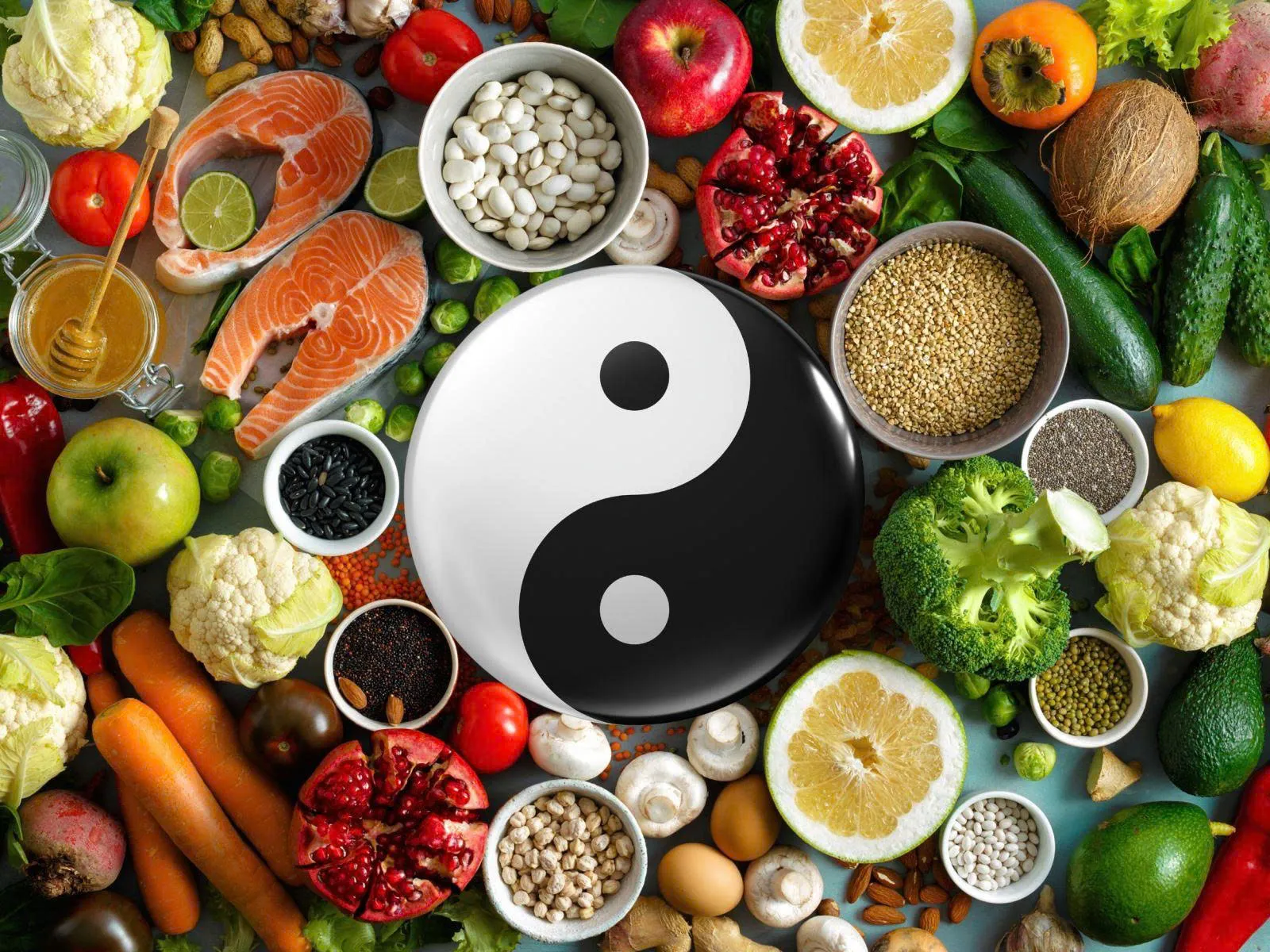
The Yin-Yang philosophy in Chinese cuisine (Yin-Yang balance).
2. Zen and the Hidden Alleys: Japanese Food in Ho Chi Minh City
The silent migration: in the 1990s, the "Little Japan" on Le Thanh Ton Street was born out of necessity for Japanese salarymen during the first wave of foreign investment. However, the real evolution happened recently in the Pham Viet Chanh area (Binh Thanh District). This neighborhood, once a quiet residential pocket, has transformed into an "Anti-Le Thanh Ton" - a place where the commercial glitz is stripped away in favor of authentic, "insider" Izakayas.
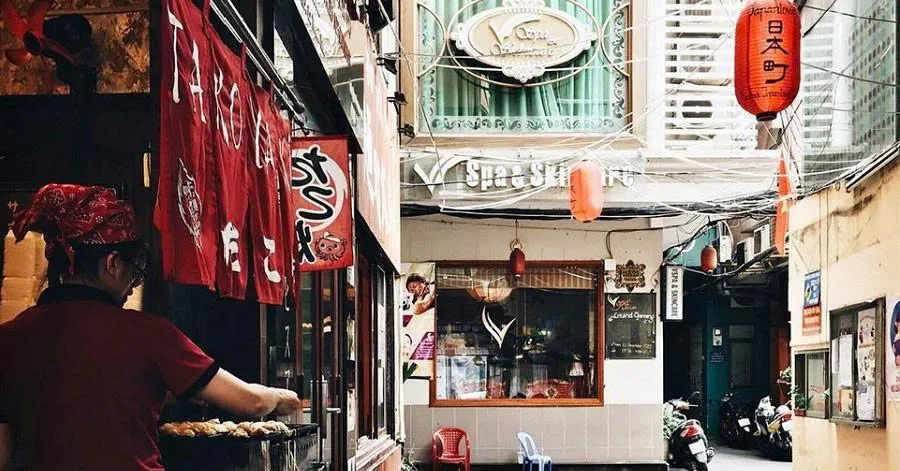
The "Little Japan" on Le Thanh Ton Street
The craft: Aburi Salmon Oshizushi (pressed seared salmon sushi), unlike the Nigiri we see in movies, Oshizushi is a traditional style from Osaka where sushi is pressed into wooden molds (oshibako). In HCMC, chefs take this a step further with the Aburi (torch-seared) technique.
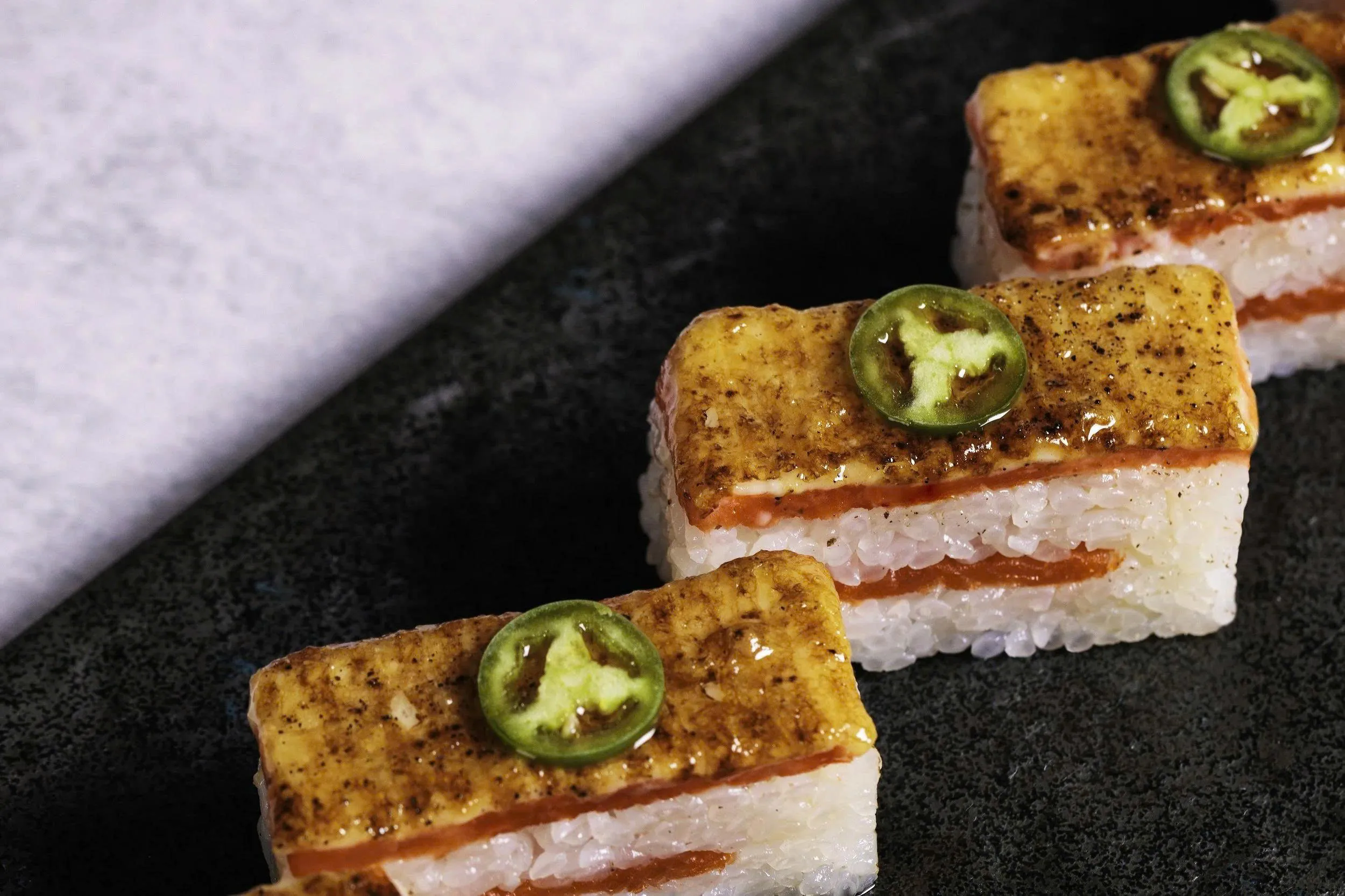
Aburi Salmon Oshizushi (pressed seared salmon sushi)
Why it captivated Saigon: the popularity of Japanese food in Sài Gòn isn't just about taste; it’s about "Visual Consumption." Saigonese culture is highly aesthetic, and the meticulous layering of a pressed sushi block appeals to the local "Instagrammable" lifestyle. More deeply, the Izakaya spirit is a mirror of the Vietnamese Quán Nhậu. The social contract is the same: small plates of grilled skewers (Yakitori), cold drinks, and endless conversation. The Japanese "quiet precision" provides a sophisticated escape from the city’s chaos, making it the top choice for the urban elite looking for "Zen" amidst the motorbikes.
3. The Seoul of the South: Korean Food in Ho Chi Minh City
The k-town empire: the explosion of Korean food in Ho Chi Minh City is the direct result of "Economic Gravity." Massive investments by giants like Samsung created a need for high-quality housing and dining for Korean expats, primarily in Phu My Hung (District 7). Over the last decade, this enclave has grown into a vibrant K-Town where the scent of fermented cabbage and charred pork belly fills the air 24/7.
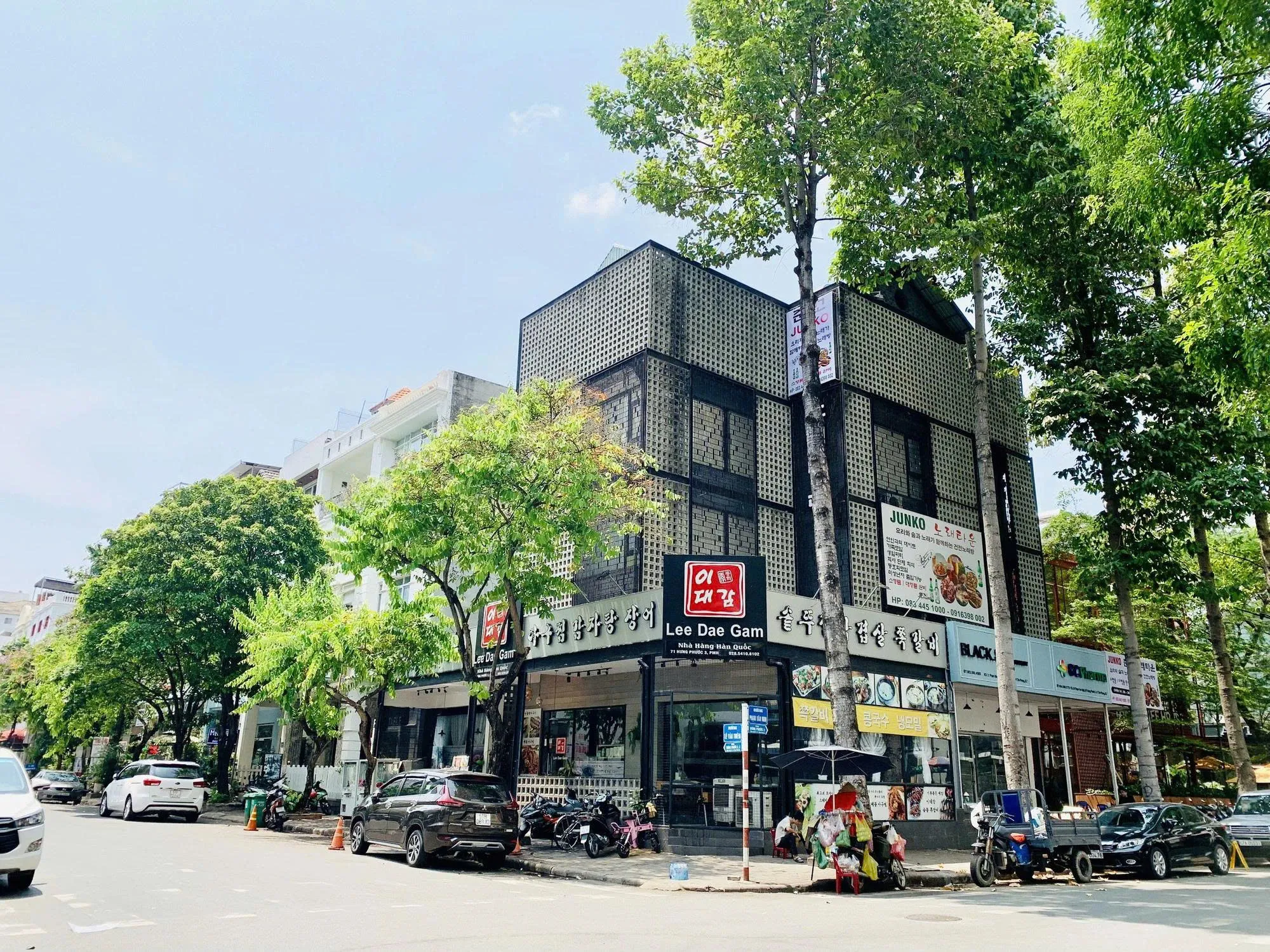
A cozy K-Town corner in Phu My Hung.
The soul dish: canh kim chi (kimchi stew), while everyone knows BBQ, Canh Kim Chi is the daily bread of the community. In HCMC, it’s served in heavy stone pots that keep the stew bubbling long after it hits the table. It is thick, red, and aggressively sour.
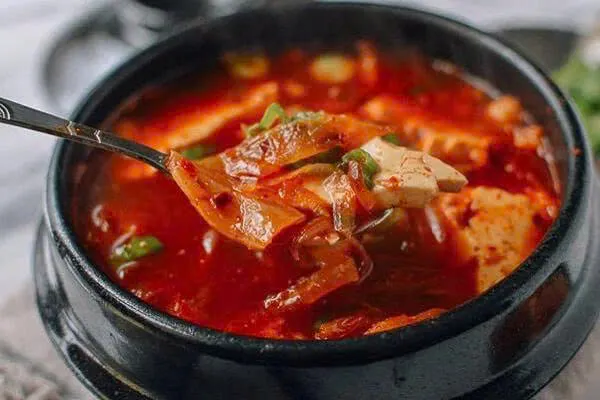
Canh kim chi (kimchi stew)
Why it became a trend: there is a profound "spice symmetry" between Korea and Vietnam. The Korean use of Gochujang (fermented chili paste) resonates with the Vietnamese love for pungent, fermented condiments like mắm tôm. Furthermore, the "Hallyu" (Korean Wave) has turned food into a status symbol. For the younger Saigonese generation, eating spicy Tokbokki or Kimchi stew isn't just about nutrition; it's a way to participate in the modern, globalized culture they see on their screens.
4. The Spice Route: Indian Food in Ho Chi Minh City
The colonial trade route: the history of Indian food in Ho Chi Minh City is a story of the "Chettiars" - a merchant caste from Tamil Nadu who arrived during the French colonial era. They settled around the Mariamman Hindu Temple on Truong Dinh Street, establishing Sài Gòn’s first international financial network. Their kitchens were a bridge between the spice-heavy South of India and the herb-rich South of Vietnam.
The signature flavor: masala dosa, The Masala Dosa is a marvel of fermentation. It’s a huge, paper-thin crepe made from fermented rice and lentil batter, fried until crisp, and stuffed with a fragrant mash of potatoes and mustard seeds.
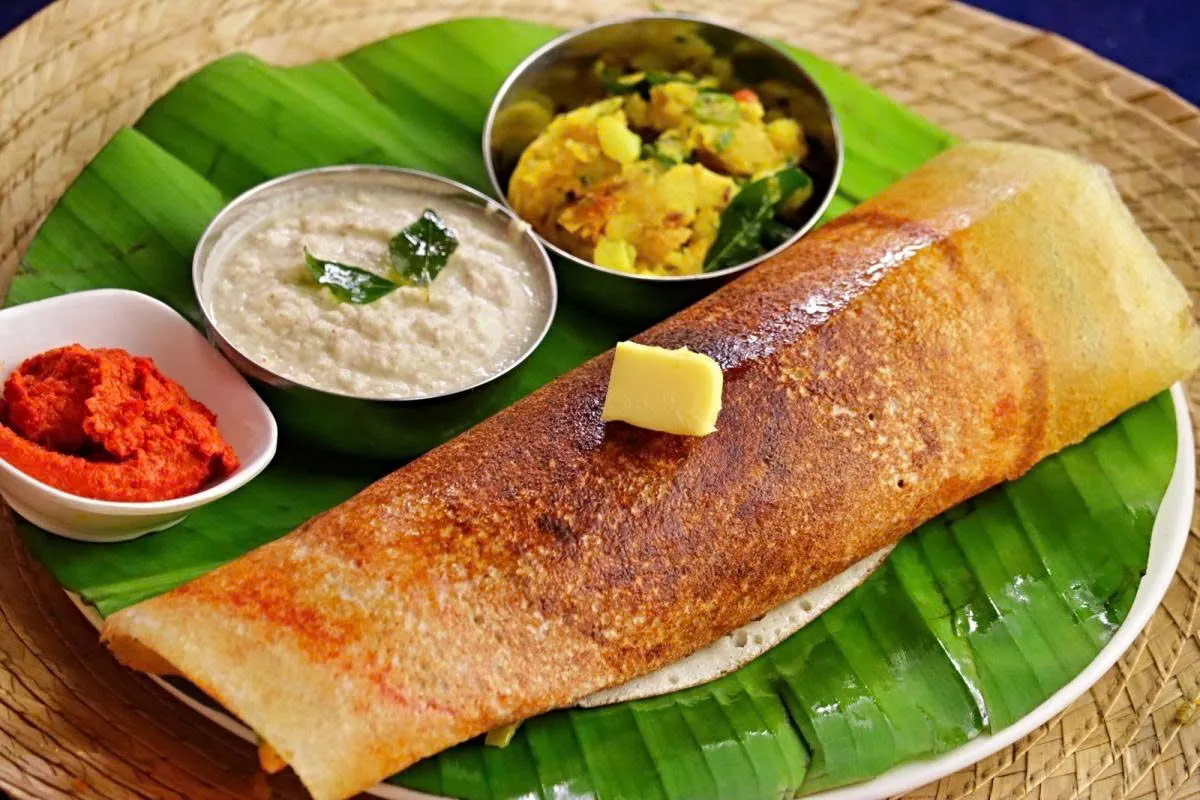
Masala Dosa
The vegetarian connection: why is Indian food so resilient in HCMC? The answer lies in the Lunar Calendar. Sài Gòn has a massive Buddhist population that eats vegetarian (ăn chay) twice a month. While Vietnamese vegetarian food is often light and based on tofu, Indian cuisine offers an "explosion of intensity" through spices like cumin, turmeric, and cardamom. For someone looking for a meatless meal that doesn't feel "empty," Indian food is the ultimate sanctuary. It provides the protein and the "soul" that locals crave during their days of abstinence.
5. Smoke, Hops, and the Craft Boom: American Food in Ho Chi Minh City
The return of the diaspora: the "real" American food in Ho Chi Minh City - low-and-slow BBQ - only truly arrived around 2014. This wasn't driven by big chains, but by the "Viet Kieu" (Overseas Vietnamese). Young entrepreneurs returned from the US with a mission: to show Sài Gòn that American food wasn't just fast food - it was a craft.
The pitmaster's art: beef brisket is the ultimate test of a chef. A slab of beef is rubbed with salt and heavy black pepper and smoked for 12 to 14 hours. In HCMC, pitmasters have adapted by using local fruitwoods like litchi or coffee wood to give the meat a unique, Southern Vietnamese smokiness.
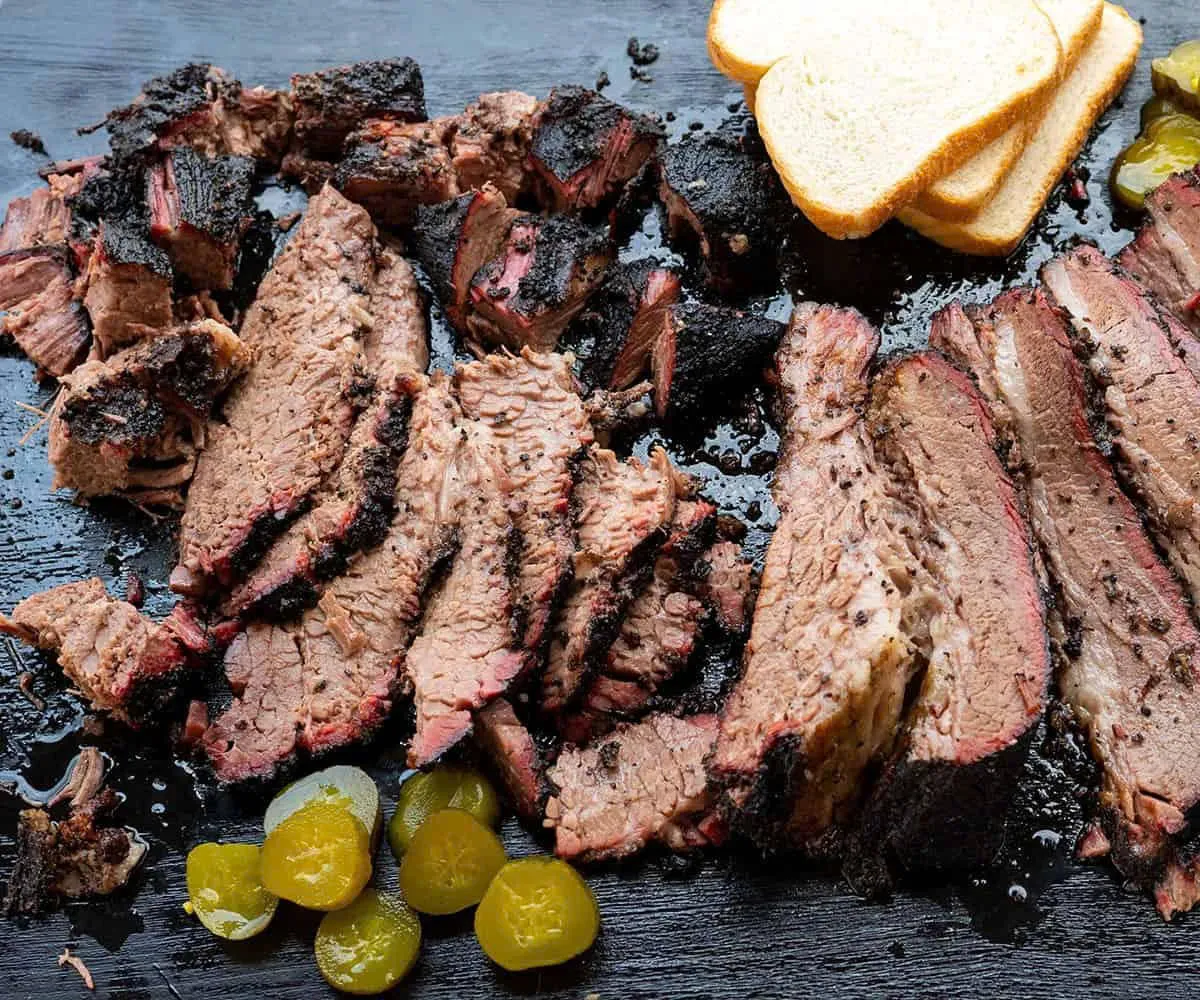
Beef Bisket
The barbecue bond: the Saigonese love for thịt nướng (grilled meat) made this an easy win. But why did it become "cool"? Because it coincided with the Craft Beer Revolution. Places like Pasteur Street and Heart of Darkness created a new social ritual: pairing the heavy, fatty richness of Texas BBQ with the bitter, citrusy notes of a local IPA. It turned dining into an "event," appealing to the city's desire for Western "cool" mixed with local ingredients.
6. The Zesty Neighbor: Thai Food in Ho Chi Minh City
The migration of taste: unlike other cuisines, Thai food in Ho Chi Minh City didn't come through a mass migration of people. It came through the "Bangkok Weekend." As Sài Gòn’s middle class began traveling to Thailand for shopping, they brought back an addiction to the "extreme" flavors of the neighboring Kingdom.
The iconic punch: som tum (green papaya salad) in HCMC, Som Tum is often made "live" in a heavy wooden mortar. The key is the bruising of the green papaya with raw chilies, dried shrimp, and a flood of lime juice.
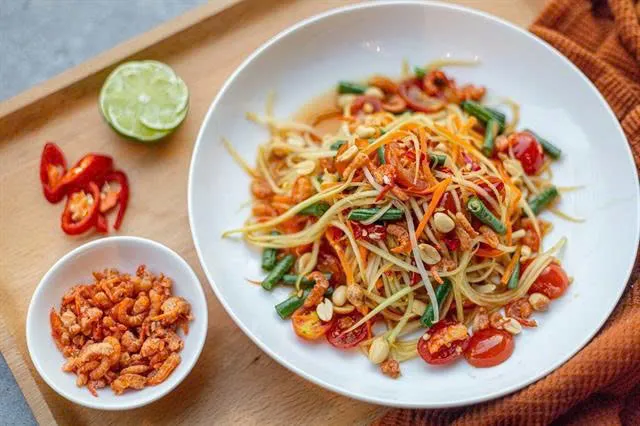
Som Tum
The familiar escape: Thai food is the "Extreme Cousin" of Vietnamese food. We use the same ingredients (lemongrass, lime, chili), but while Vietnamese food seeks balance, Thai food seeks intensity. It is popular in Sài Gòn because it offers an "exotic" thrill that still feels fundamentally safe. It’s the go-to for groups of friends who want a vibrant, loud, and spicy night out - an "escape" that tastes like a vacation in Bangkok.
7. The Unexpected Romance: Mexican Food in Ho Chi Minh City
The global nomad’s gift: Mexican food is the newest arrival in the melting pot of cultures. It was championed by Western expats and "Global Nomads" who settled in the District 2 (Thao Dien) enclaves. They missed the street tacos of Mexico City and began importing the techniques to Sài Gòn.
The masa miracle: birria tacos, the Birria taco is currently the "king" of the scene. It involves slow-cooked beef in a rich chili broth, served in a tortilla that has been dipped in the fat of the stew and grilled.
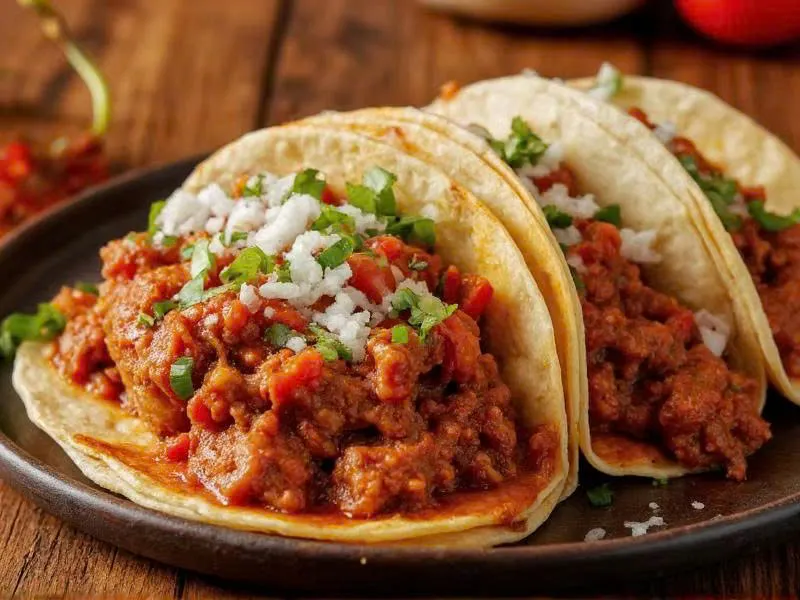
Birria Tacos
The taco-banh mi connection: why did locals embrace it? Because of the DNA of the Banh Mi. A taco is essentially a "deconstructed Banh Mi." Both rely on charred pork, fresh cilantro, raw onions, and a sharp hit of lime. When a Saigonese person eats a taco, their palate recognizes the harmony of "Fresh + Fat + Sour." It’s a familiar emotional response in a different cultural package, making Mexican food the fastest-growing international segment in the city.
The Soul of the Melting Pot
What makes Ho Chi Minh City a true melting pot of cultures isn't just the variety - it’s the accessibility. In New York or London, "world food" can feel clinical or expensive. In Saigon, the world is served on a plastic stool or a linen tablecloth, often on the same street. The city doesn't just host these cultures; it digests them. It turns them into something "Saigonese." You see it when a local family orders a Korean BBQ set but wraps the meat in Vietnamese forest herbs. You see it when a Japanese chef uses local Mekong Delta fish for his high-end sushi.
Final Thoughts for the Hungry Traveler
If you are an expat living here, or a traveler just passing through, don't just stick to what you know. Let the melting pot of cultures burn a little. Seek out the Chinese food in District 5, get lost in the Japanese alleys, and end your night with Mexican tacos in Thao Dien. Saigon is a city that never sleeps, mostly because it's too busy deciding what to eat next. It is a city that has mastered the art of being everything to everyone, all at once, served with a side of chili and a lot of heart.
Other tips
- Ho Chi Minh City: A Global Melting Pot of Cultures on a Plate
- Essential Vietnamese Lunar New Year Decorations for Your Home
- Vietnam Symbolism: The Soul, Identity, and Resilience of the S-Shaped Land
- Vietnamese Dragon: Meaning, Legend & Cultural Identity
- Islam in Vietnam: Distinct from the Rest of the World
- Cyclo Vietnam: The Insider Guide to Vietnam’s Most Iconic Pedicab Experience
- Is the Water Puppet Show Worth It? An Honest Review & Deep Dive into Vietnamese Water Puppets History
- Celebrating Mid-Autumn Festival in Vietnam 2025 | The Ho Chi Minh City Insider's Guide
- What's happening on September 2nd in Vietnam? Vespa A Go Go Explains It All!
- Vietnam Independence Day: 80 Years. One Unforgettable Celebration
- Beyond the Sights: An Insider’s Guide to the Soulful Music of Vietnam
