 Email: support@vespaagogo.com

Cultural Insights
Vietnamese Dragon: Meaning, Legend & Cultural Identity
2026-01-14
In the collective consciousness of the Vietnamese people, the image of the dragon is not merely a mythical creature stepped out of ancient history books. It is the soul, the origin, and the "cultural DNA" that connects millions of hearts. Unlike the fierce, fire-breathing dragons of the West, the Vietnamese dragon embodies the noble beauty of water, the flexibility of the clouds, and the strength of a millennial wet-rice civilization.
To understand why dragons are important to Vietnamese culture, we must look at how dragon symbolism permeates every aspect of life, from spirituality to the very definition of the people. This article delves into the layers of meaning, evolution, and the eternal spiritual values of the creature that leads the Four Sacred Animals.
1. Language and Names: Understanding the Vietnamese Dragon Through Words
To learn how to say dragon in Vietnamese, one must understand that the language uses two distinct terms: "Rồng" and "Long." This reflects a multi-layered cultural structure.

- Rồng – the breath of the land: this is a pure Vietnamese word (Nom), born from rural villages and fairy tales told by the hearth. It evokes a sense of closeness and is associated with natural phenomena like "Rồng lấy nước" (waterspouts). In folk belief, the Vietnamese dragon is a guardian of rice fields, symbolizing prosperity and fertility.
- Long – the symbol of dignified royalty: this Sino-Vietnamese term is used in ceremonial texts, courts, and historical sites. "Long" represents the absolute power of the King- the "Son of Heaven." Everything belonging to the King is associated with this word: Long bào (royal robe), Long sàng (royal bed), and Long nhan (the King’s face).
Geographical values: when naming the country’s landmarks, ancestors often sent a message of aspiration through the word "Long." Thang Long (Hanoi) means "the ascending dragon," signifying the strong rise of an independent capital. Ha Long means "the descending dragon," symbolizing protection and peace for the homeland’s seas
2. The Legend of "Con Rong Chau Tien": Why the Vietnamese Dragon Defines the Nation
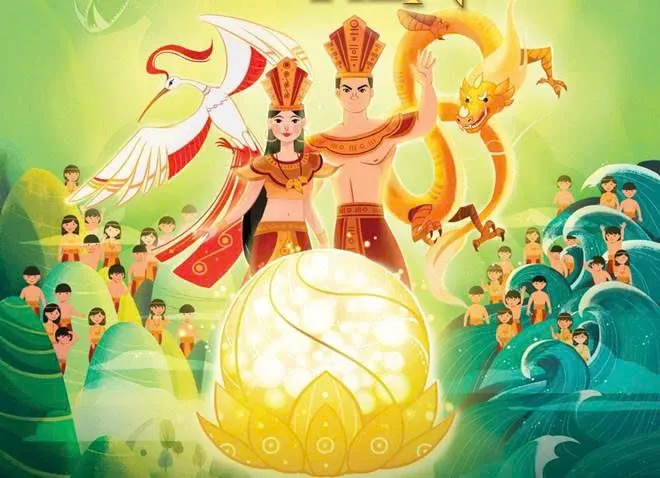
No other nation in the world takes such deep pride in calling themselves the "descendants of the dragon" as Vietnam. The legend of Lac Long Quan and Au Co is not just a story; it is a "manifesto" of national unity and explains why dragons are important to Vietnamese culture.
- Perfect Yin-Yang balance: Lac Long Quan, of the Dragon lineage from the deep sea, possesses the power of water and infinite transformation. Au Co, of the Fairy lineage from the high mountains, represents purity and nobility. Their union symbolizes the harmony of the universe's two greatest extremes, creating a race complete in both physical strength and spiritual beauty.
- The sacred concept of "dong bao": the birth of the "hundred-egg sac" is a brilliant metaphor for equality. All Vietnamese, whether from the lowlands or highlands, share a common origin. The word "Dong Bao" (from the same sac) became an unparalleled spiritual strength, helping the nation overcome invasions and harsh natural disasters.
- The mission of the dragon father: Lac Long Quan led 50 children to the sea, and Au Co led 50 to the mountains, establishing territorial boundaries and teaching the people how to survive. This dragon symbolism provides a solid spiritual anchor for the Vietnamese people.
3. Giao Long: The Origins of the Vietnamese Dragon from the Rivers
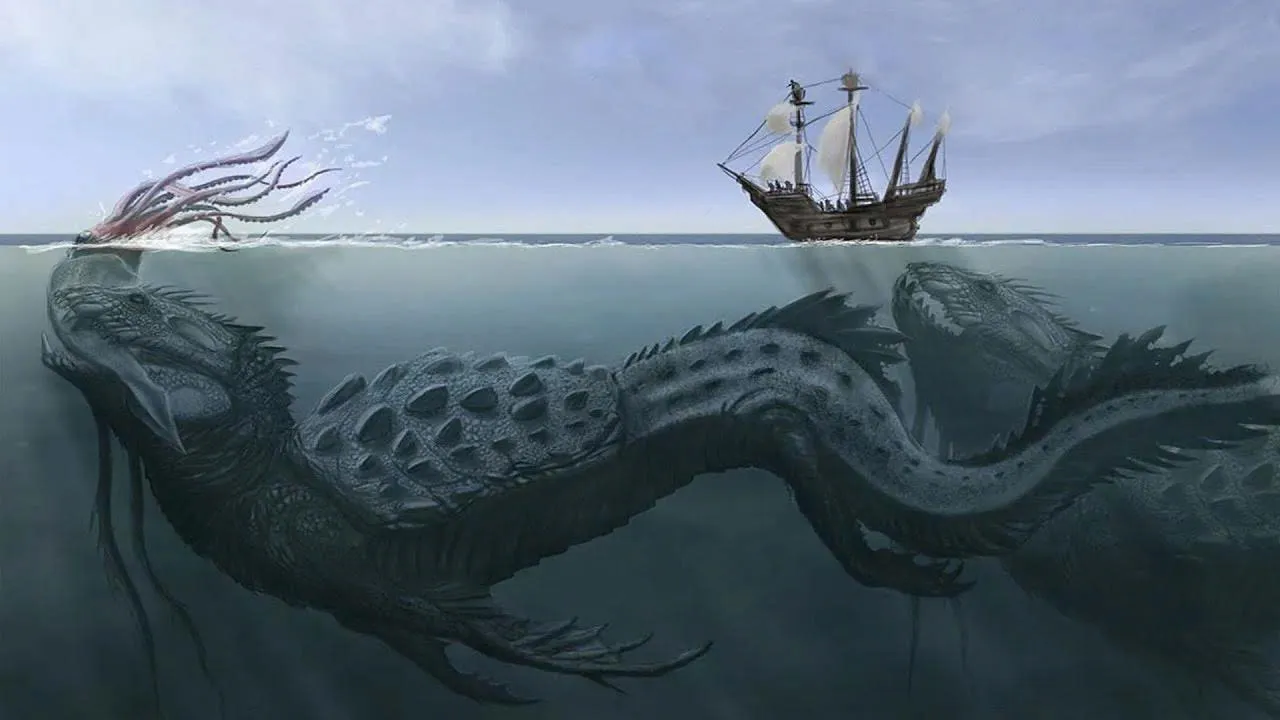
Before becoming a sophisticated artistic symbol with long whiskers and golden scales, the Vietnamese dragon had a precursor known as Giao Long.
What is the name of the Vietnamese water dragon? In ancient times, it was called Giao Long. This figure was deeply rooted in the wetlands of the Northern Delta. It was described as a creature between a snake and a crocodile. At a time when people faced many dangers from nature, the Giao Long was a deity both feared and respected.
To survive, the ancient Viet people (Lac Viet) practiced the custom of tattooing Giao Long images on their chests, backs, and thighs. This acted as a "protective talisman," making water monsters mistake them for "family" so they wouldn't attack during fishing trips. Over time, the Vietnamese water dragon shed its rough, reptilian appearance to take on the elegant, transcendental form seen in later dynasties.
4. Artistic Evolution: The Vietnamese Dragon as a Mirror of History
Each dynasty in Vietnamese history left its own mark on the dragon, creating distinct appearances that reflect the era's spirit.
4.1 The Ly Dynasty (11th – 13th Century): Buddhist Purity
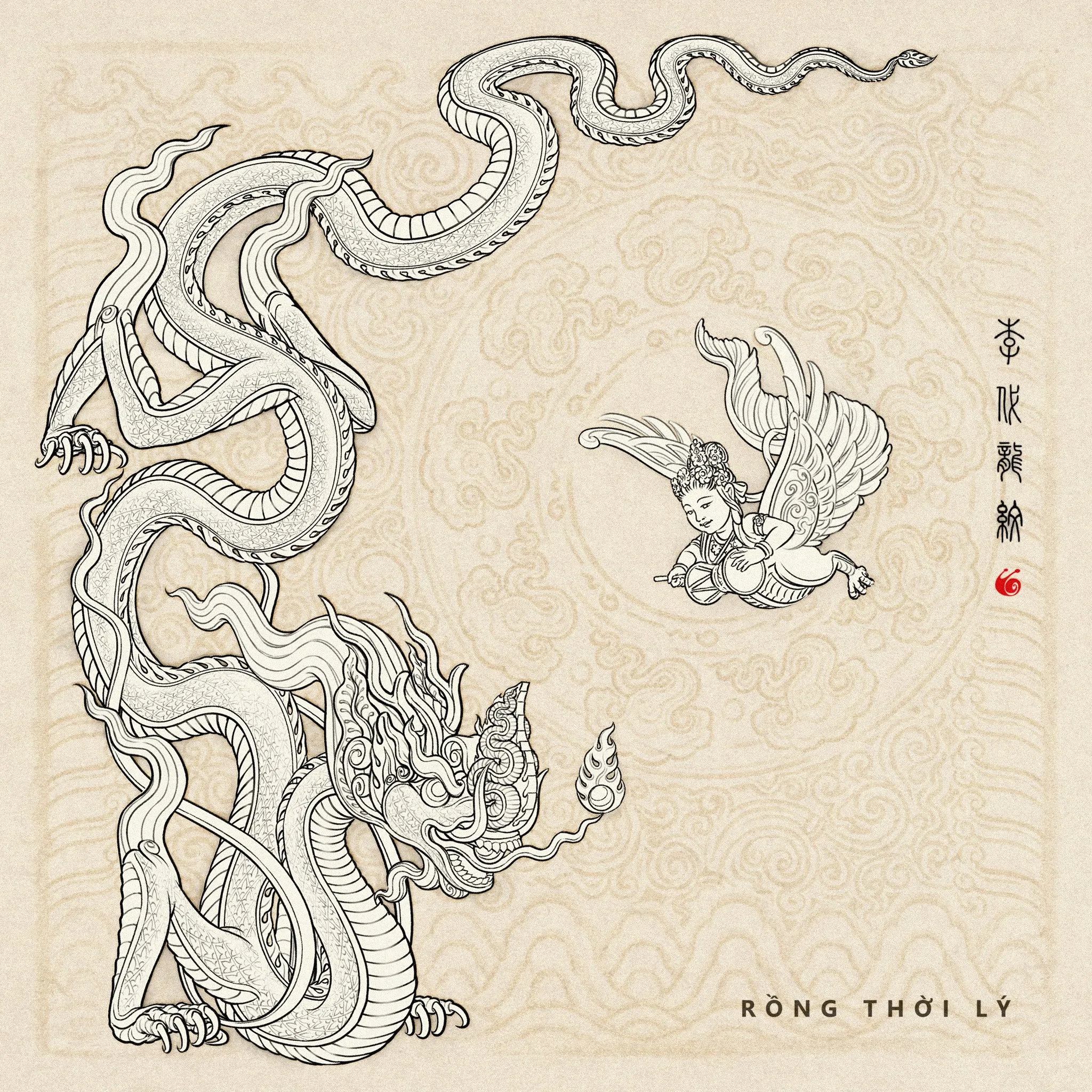
The Ly dragon is considered the most unique and purely "Vietnamese" version. It is the leader of what are the 4 sacred creatures in Vietnam? (Dragon, Unicorn, Turtle, Phoenix).
- S-Shaped body: the body is long, round, and curves gracefully like waves, tapering toward the tail.
- Head features: importantly, the Ly dragon has no horns. Instead, it has a delicate fire-crest and a trunk-like snout that breathes out artistic flames. It holds a jewel in its mouth, representing humanity and knowledge.
4.2 The Tran Dynasty (13th – 14th Century): Martial Spirit
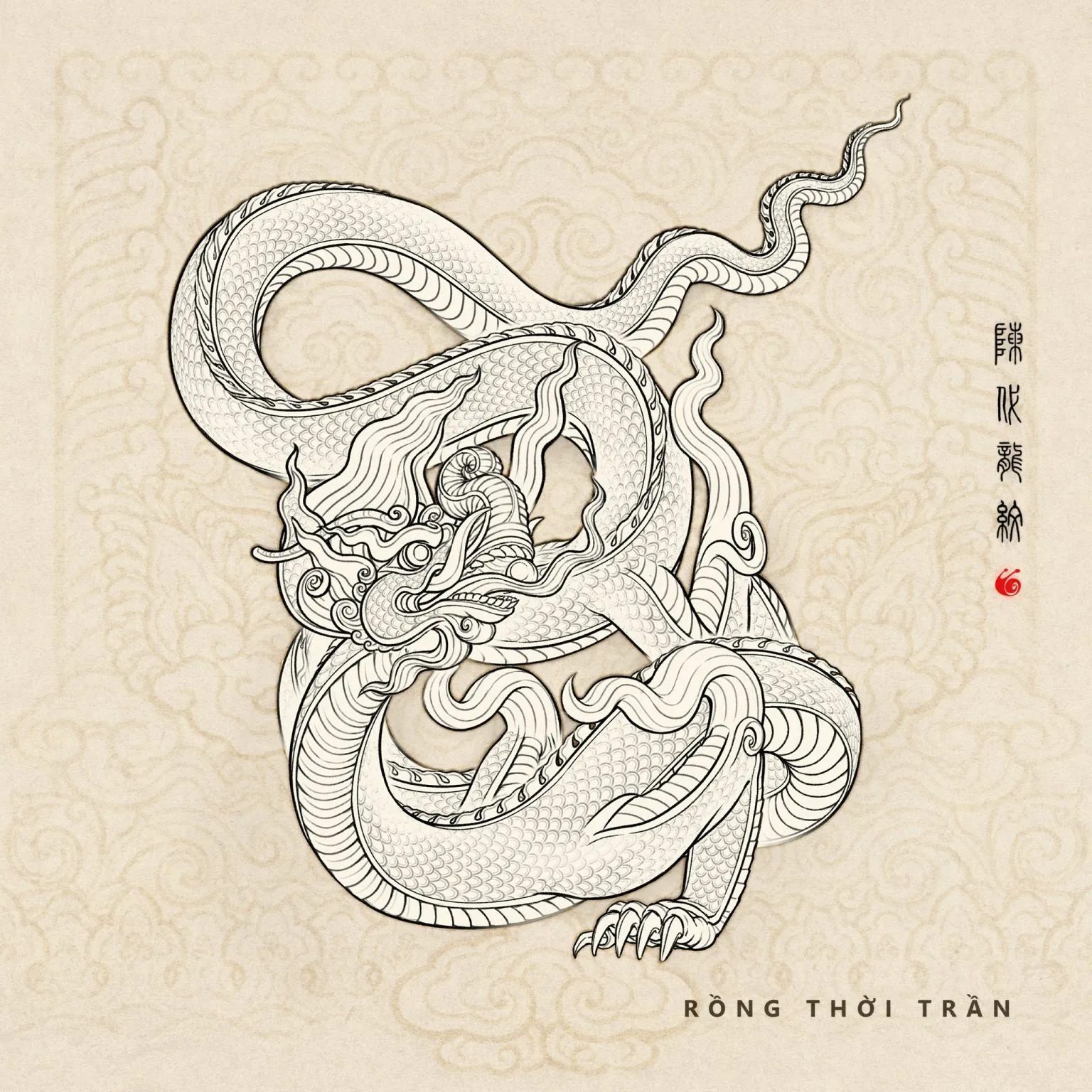
After the victories against the Mongol invasions, the Vietnamese dragon changed to reflect strength and "Hao Khi Dong A" (The East A Spirit).
- Muscular structure: the body became thicker and more robust. The curves became more decisive and powerful.
- Horns and ears: the dragon's head began to feature distinct horns and ears, symbolizing authority.
4.3 The Le and Nguyen Dynasties (15th – 20th Century): Royal Authority

When Confucianism became dominant, the dragon was "standardized" to assert the ruling class's status. This is where we see the answer to: What is the difference between Chinese and Vietnamese dragons? While Chinese dragons often look more aggressive and rigid, the Vietnamese dragon of this era- though more majestic than the Ly version- still retains a certain fluidity. However, it adopted strict rules:
- 5-clawed dragon: exclusive to the Emperor (Son of Heaven).
- 4-clawed dragon: for royalty and high-ranking officials.
- 3-clawed dragon: used in folk architecture and communal houses.
5. The Vietnamese Dragon in the Cultural Sphere: Distinctions Among East Asian "Siblings"
While sharing roots in East Asian culture, the dragon in Vietnam, China, Japan, and Korea each carries a unique local breath. This is the result of cultural exchange and autonomy over thousands of years.
5.1. What is the Difference Between Chinese and Vietnamese Dragons?
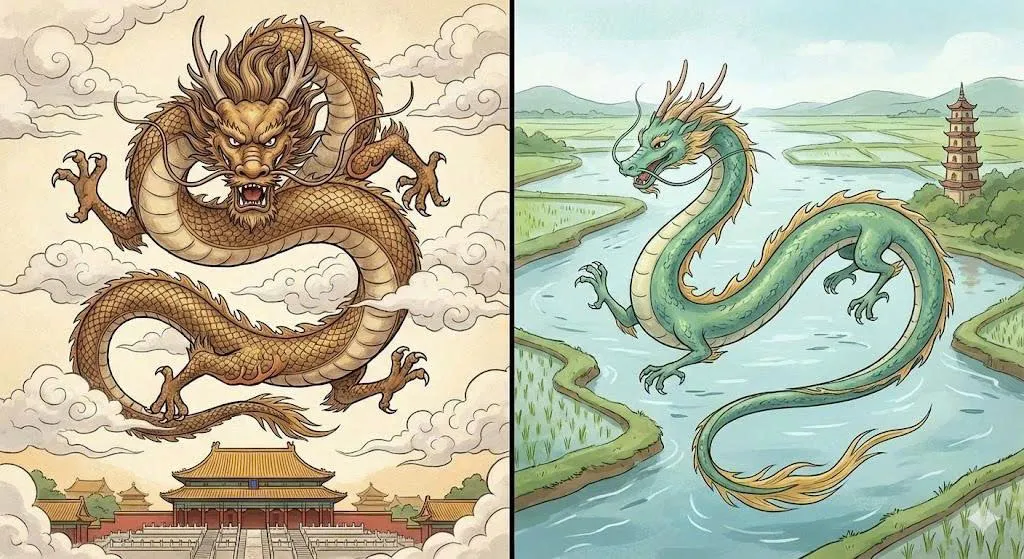
This is the most common comparison. The biggest difference lies in the "aura":
- Shape: the Vietnamese dragon (especially during the Ly and Tran dynasties) prioritizes softness and slenderness. Its body curves continuously to form an S-shape, like flowing water. In contrast, Chinese dragons often have massive, muscular bodies, representing the overwhelming power of an empire.
- Head details: the Vietnamese version features a rhythmic trunk-like snout and ethereal fire crests (manes). The Chinese dragon focuses on ferocity with a camel's nose, bovine ears, and very large deer horns, creating a sense of intimidation.
- Symbolism: while the Chinese dragon represents the Mandate of Heaven and absolute ruling power, the Vietnamese dragon is closely tied to "Water" and "Ancestry." It is a deity that brings fertility and protects wet-rice agriculture, which explains why are dragons important to Vietnamese culture.
5.2. Vietnamese Dragon vs. Japanese Dragon: Elegance vs. Wildness

The Japanese dragon (Ryu/Tatsu) has distinct traits tied to the sea and Shinto spirit:
-
Number of claws: this is the easiest way to tell them apart. Traditional Japanese dragons usually have only 3 claws. Meanwhile, the Vietnamese dragon is more flexible, typically having 3 to 5 claws (5 claws being the exclusive privilege of the Emperor).
-
Environment: Japanese dragons are primarily associated with the deep ocean. The Vietnamese dragon, while also aquatic, is tied to rivers and rice fields (the Red River culture), acting as a helper to farmers. This connects back to what is the name of the Vietnamese water dragon?- the Giao Long.
5.3. Vietnamese Dragon vs. Korean Dragon: Humanity vs. Gentleness
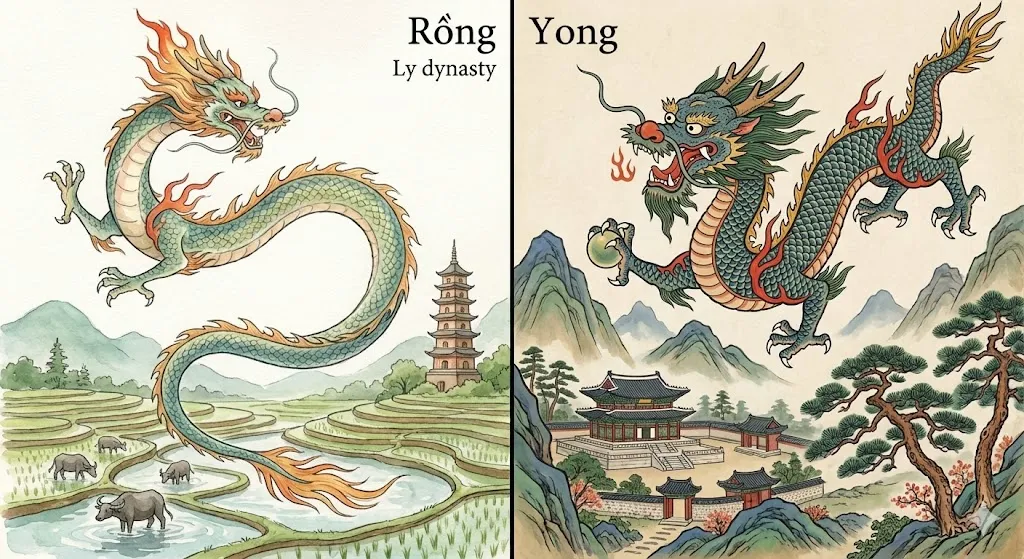
The Korean dragon (Yong) shares many similarities with China but carries a very gentle and approachable spirit:
- The sacred pearl (Yeouiju): an interesting detail is that Korean dragons are often depicted holding a pearl in their claws (hands). In contrast, the Vietnamese dragon (especially the Ly dynasty) usually holds the pearl in its mouth. Holding the pearl by hand represents the exercise of power, while holding it in the mouth represents refinement, humanity, and the protection of core values.
- Aura: Korean dragons are seen as creatures of kindness, so their faces are quite peaceful, not as soaring or rhythmic as the dragon symbolism found in Vietnamese art.
6. The Four Sacred Creatures: The Dragon's Supreme Position
In the system of the Four Sacred Creatures (Tu Linh: Long - Lan - Quy - Phung), the dragon holds the top position not only for its strength but for its infinite "transformative power."
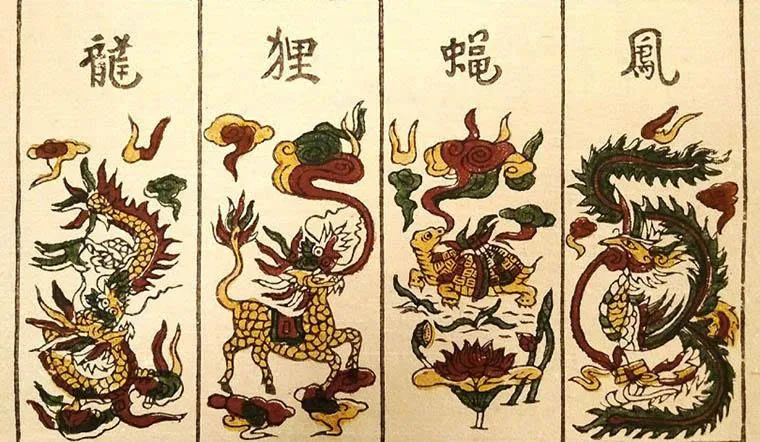
- Long (Dragon): the leader of the group, representing the East, the Wood element, and Spring. It is the symbol of growth, wisdom, and the power connecting the three realms: Heaven - Earth - Water.
- Lan (Unicorn/Qilin): symbolizes peace and benevolence.
- Quy (Turtle): The only real animal in the group, representing longevity, endurance, and education.
- Phung (Phoenix): represents noble beauty and feminine power. Together, they answer the question of what are the 4 sacred creatures in Vietnam?- a quartet that balances the spiritual universe. To understand how to say dragon in Vietnamese in this formal context, we use the term "Long."
7. The Dance of the Vietnamese Dragon at Tet: Spirituality in Festivals

Many visitors ask why they use dragon dance in Vietnamese Lunar New Year. It is far more than just entertainment; it carries deep layers of meaning.
- Cleansing space and warding off evil: the powerful, rhythmic beat of the dragon dance drums is believed to awaken all things and dispel "yin" energy or evil spirits who fear loud noises.
- Attracting prosperity (chieu tai): the image of "Long hy chau" (the dragon chasing the pearl) symbolizes humanity's pursuit of wisdom and luck.
- Agricultural prayers: the dance reenacts the dragon playing with clouds, a prayer for "favorable rain and harmonious winds," which is the root of prosperity in a rice culture. This is a primary reason why dragons are important to Vietnamese culture.
8. "Long Sinh Cuu Tu": The Nine Sons of the Vietnamese Dragon
According to East Asian legends localized by the Vietnamese, the Dragon has nine sons. None of them look exactly like their father; each has a unique shape and personality used in architecture and daily life:
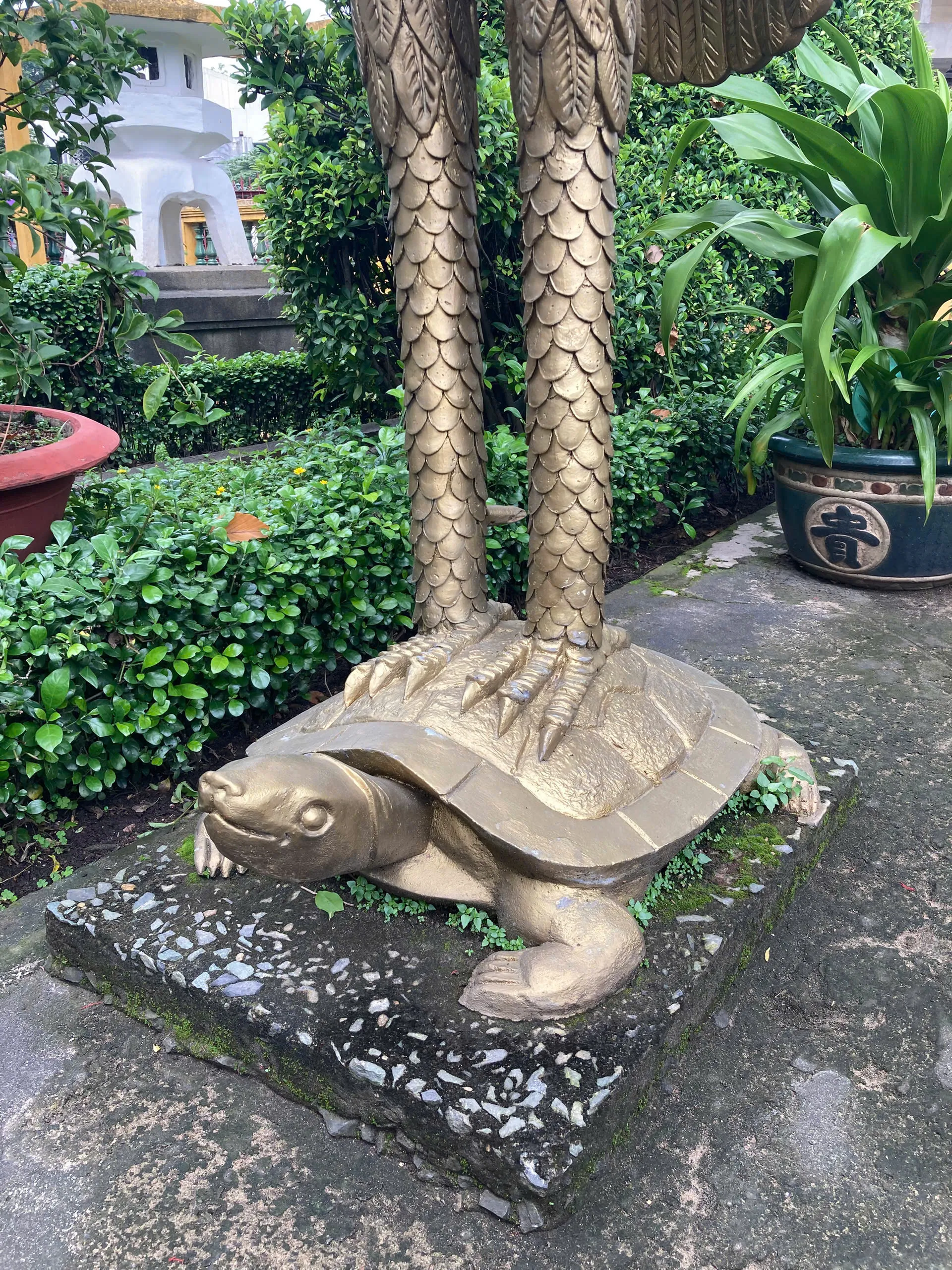 Bi Hi (1st son): shaped like a turtle with immense strength. You will see Bi Hi at the Temple of Literature (Van Mieu), carrying giant stone steles on its back.
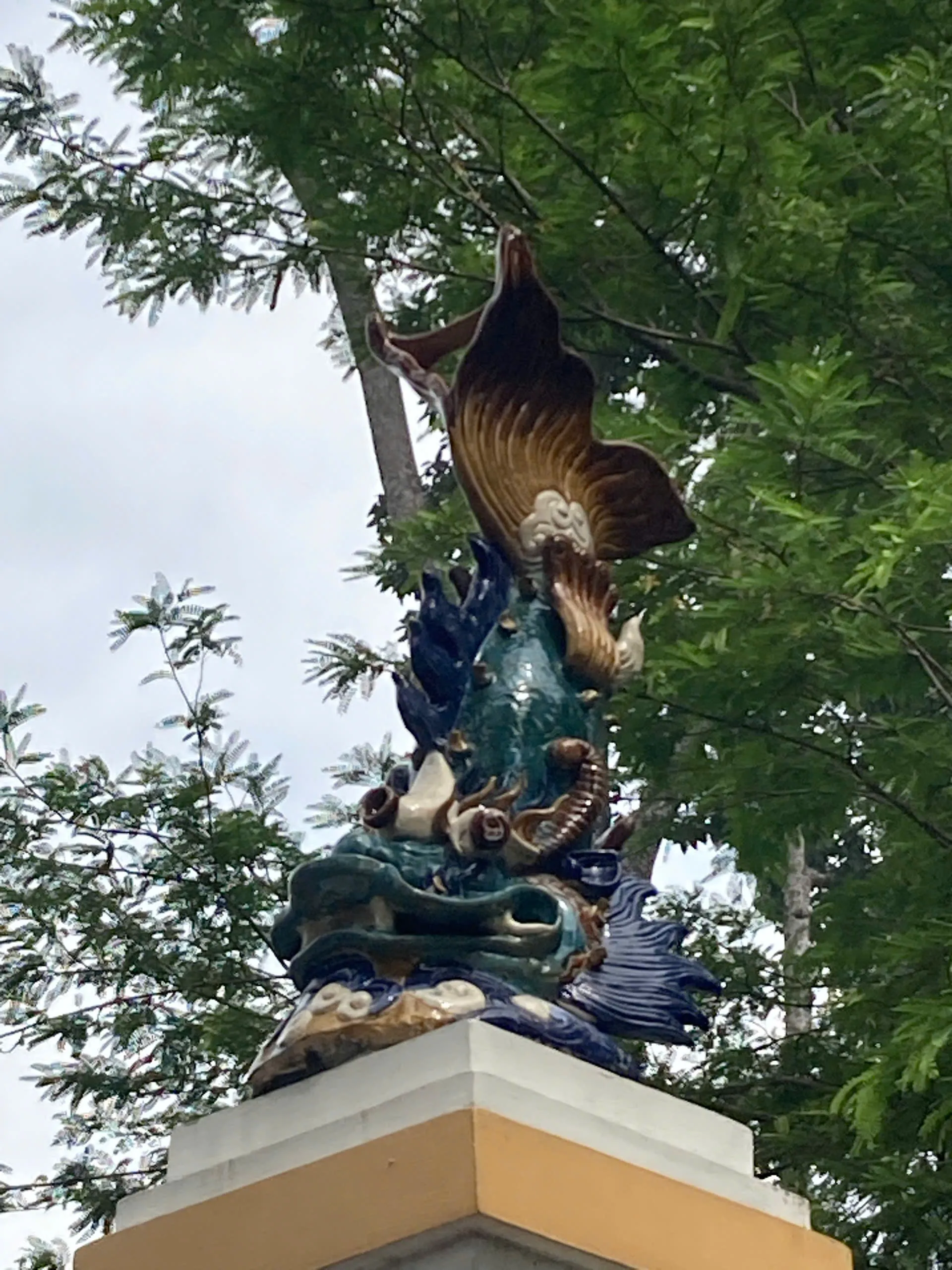 Xi Van (2nd son): shaped like a fish with a curved tail. Carved on roof ridges of temples and palaces, it acts as a "firefighting deity" to protect the structures.
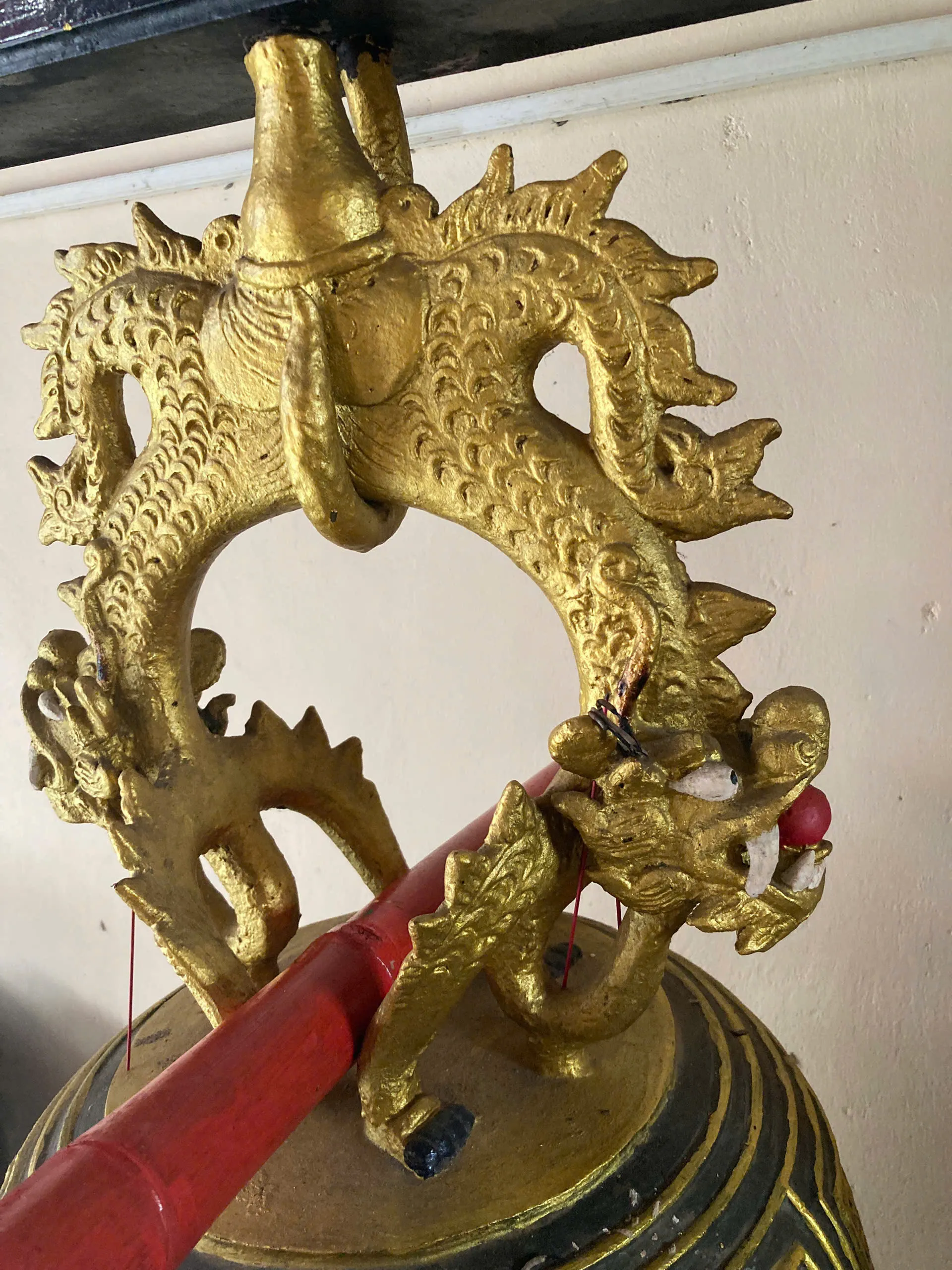 Bo Lao (3rd son): loves loud sounds. Its image is cast on bell handles to help the sound ring further and clearer.
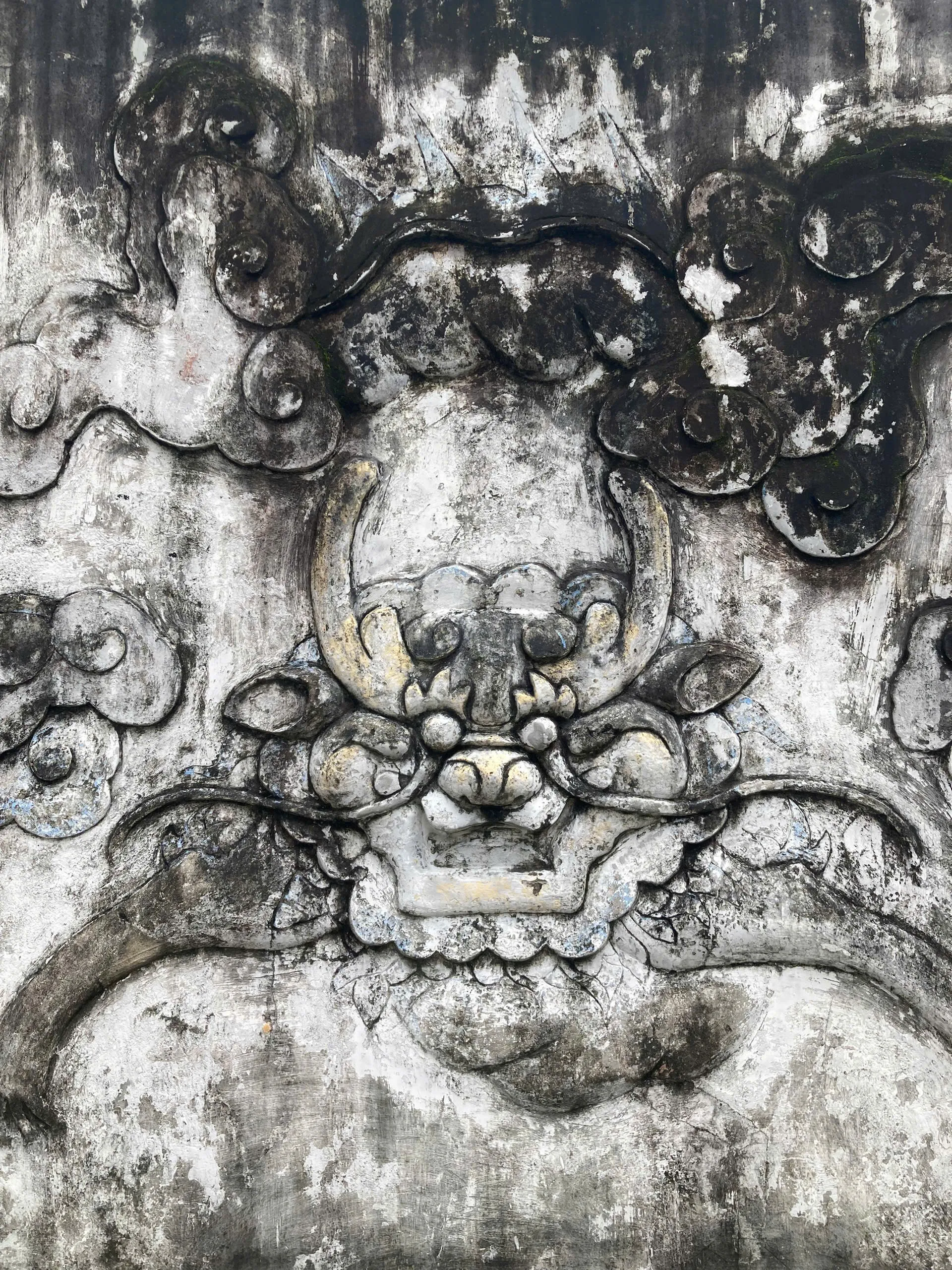 Be Ngan (4th son): shaped like a tiger, loves justice. It is often carved on the gates of courts or prisons to represent integrity.
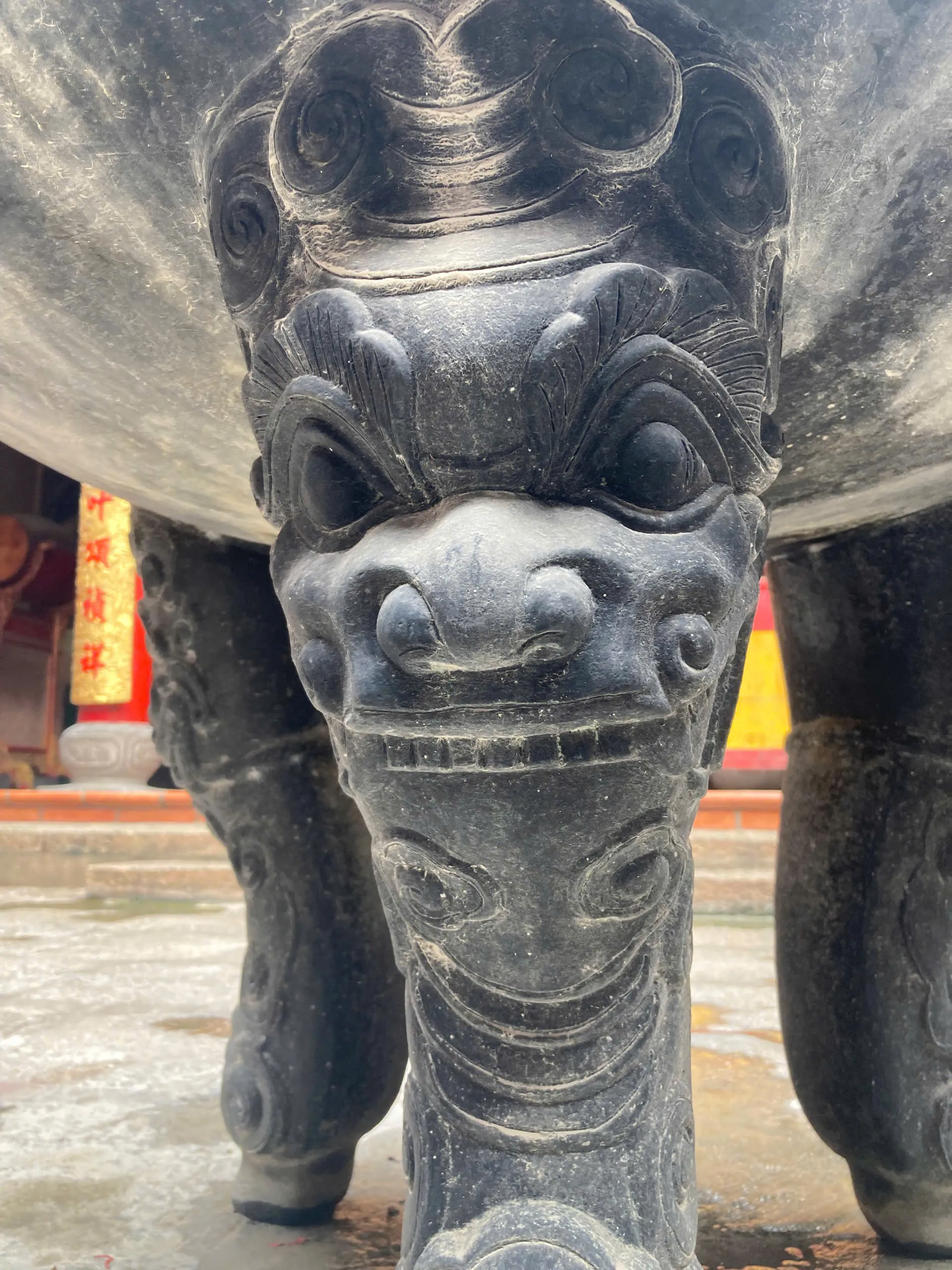 Thao Thiet (5th son): has a wide mouth and is gluttonous. Carved on eating utensils or large vats to remind people of moderation or at the foot of the incense burner to protect the sacred place.
 Cong Phuc (6th son): loves water. Carved on bridge railings and drainage heads to pray against floods.
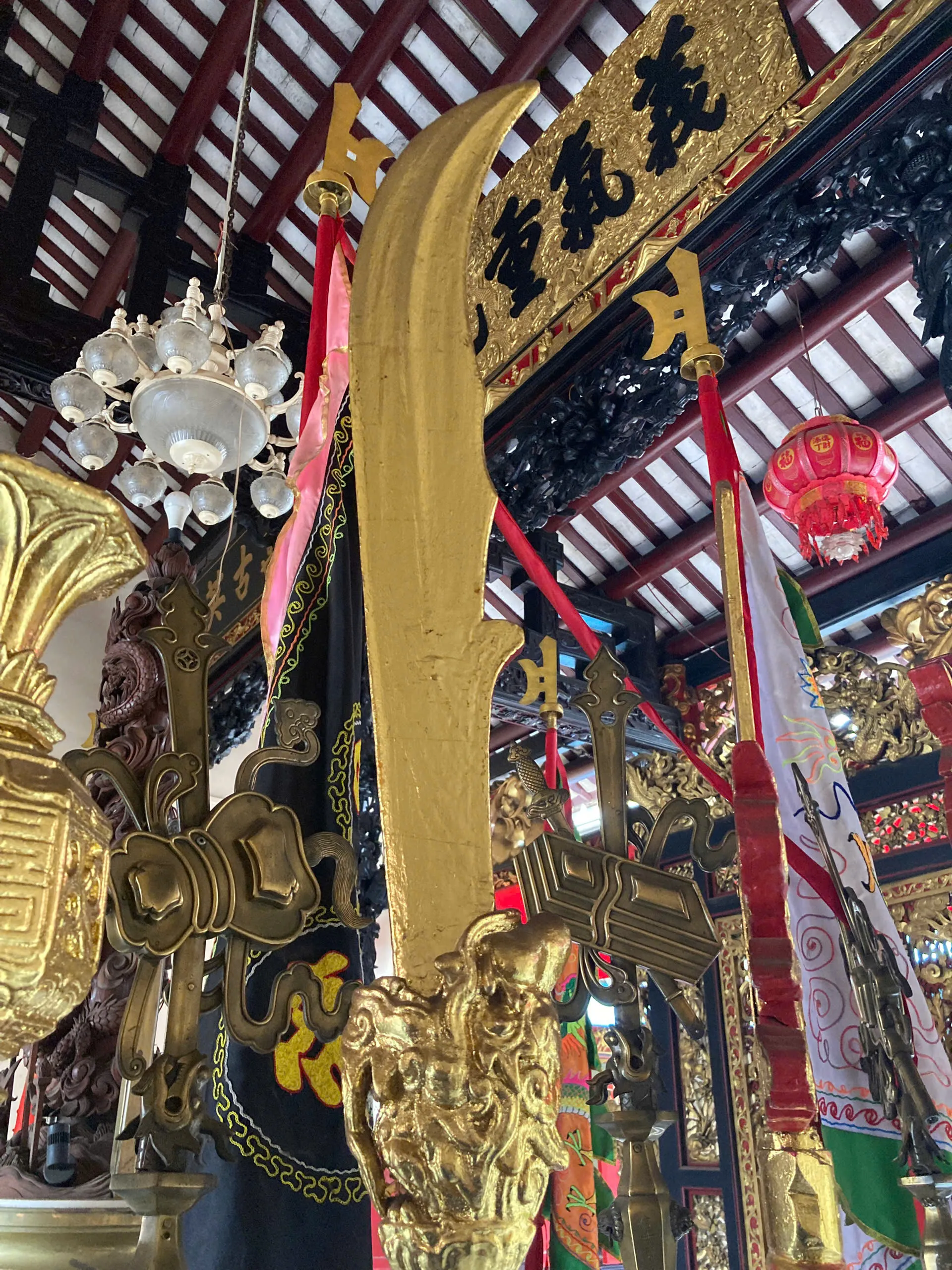 Nhai Xe (7th son): aggressive and loves weapons. Carved on sword hilts to increase majesty and power.
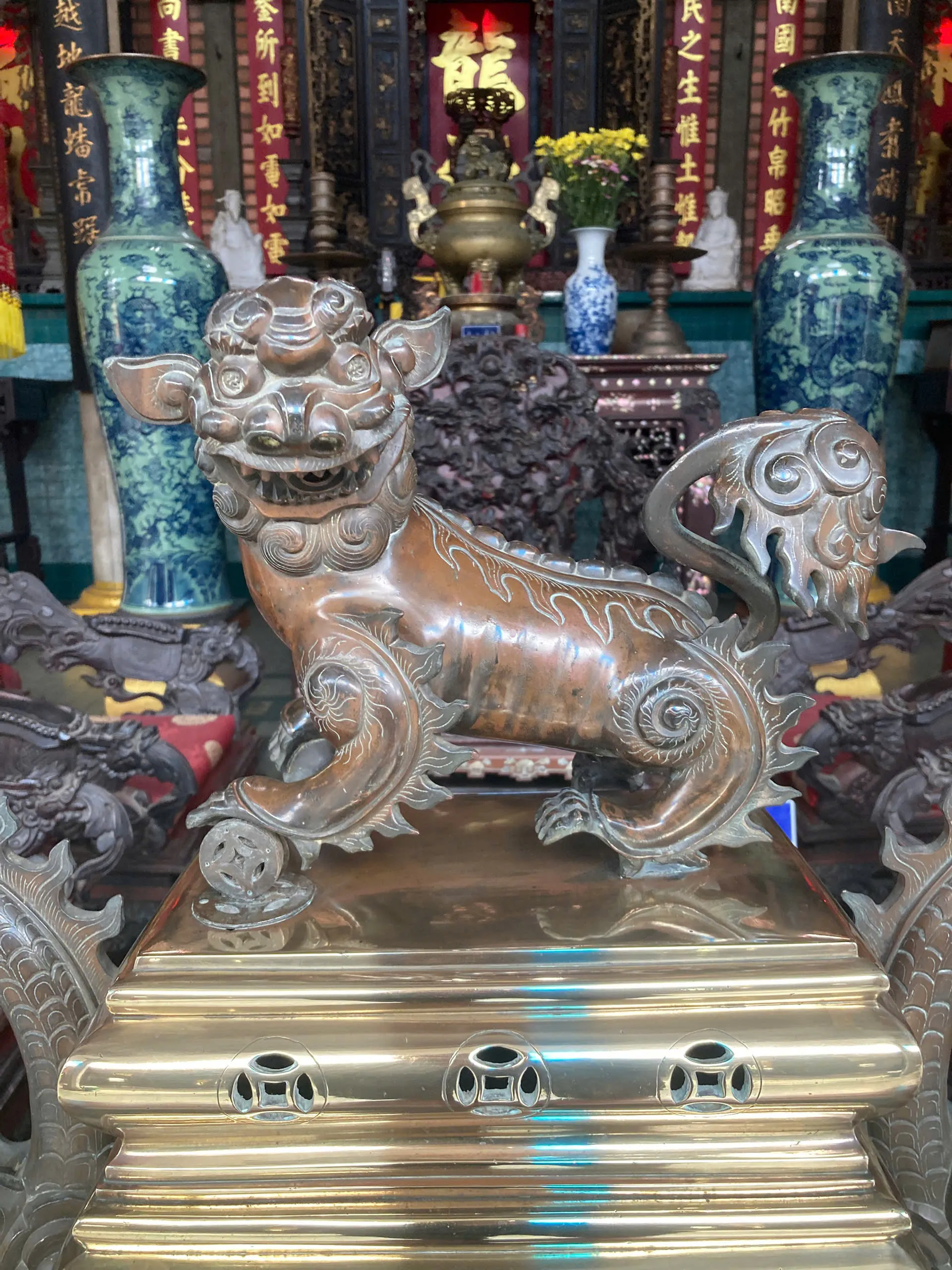 Toan Nghe (8th son): shaped like a lion, loves stillness and incense smoke. Usually found sitting on the lids of incense burners.
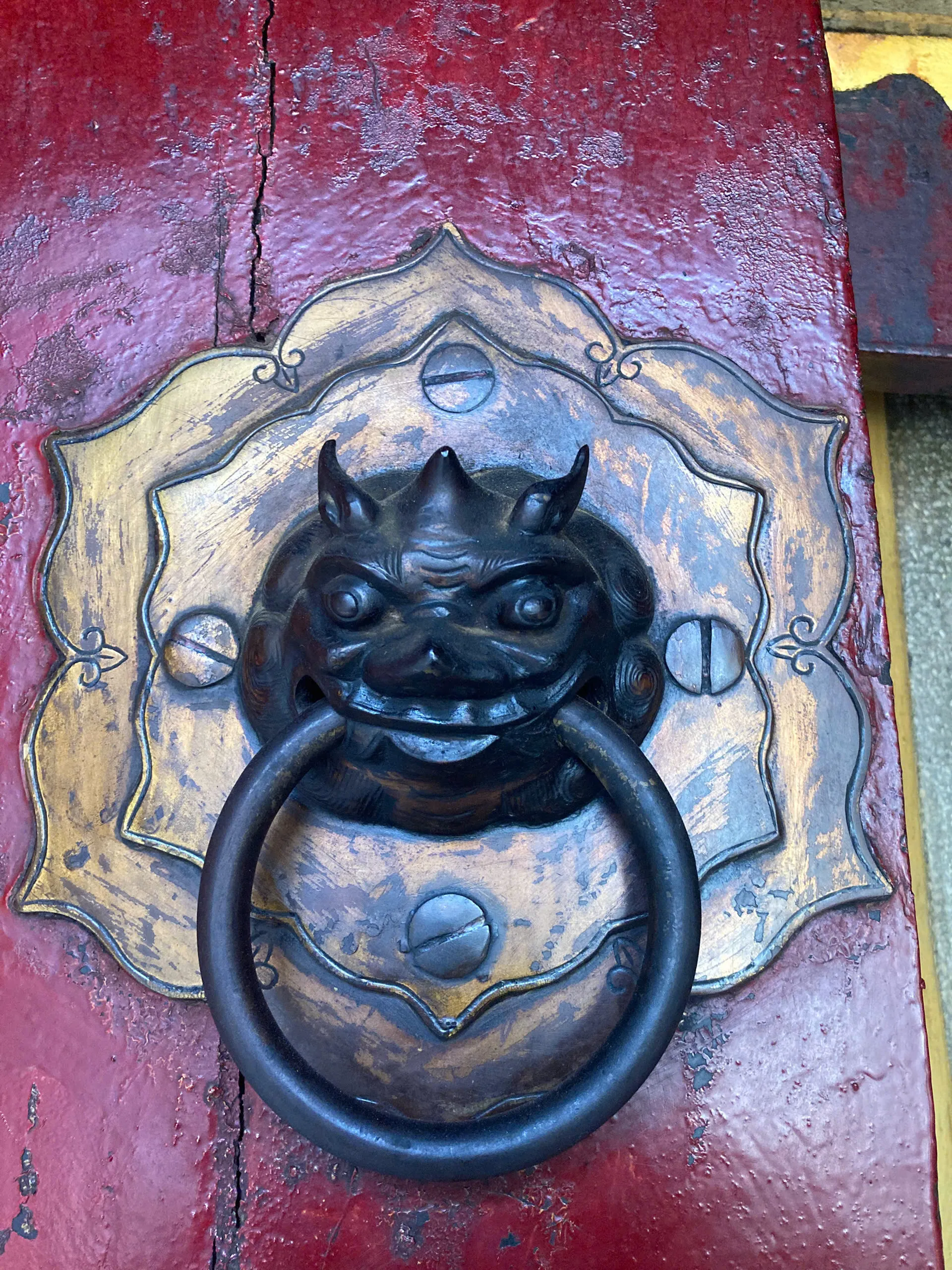 Tieu Do (9th son): private and likes to curl up. Carved on door handles to act as a guardian of the home’s privacy and safety.
This diverse dragon symbolism shows how deeply the creature is integrated into the physical and spiritual landscape of Vietnam.
Conclusion: The Vietnamese Dragon – A Heritage That Lives Forever
From the primitive Giao Long tattoos of the ancient Vietnamese people to the sculptural masterpieces of the royal courts and now the modern Dragon Bridge in Da Nang, the image of the dragon has always accompanied the nation. The Vietnamese dragon represents a peace-loving yet powerful nation, always flexible and adaptable but never yielding. To understand the dragon is to understand the roots and the soaring aspirations of the Vietnamese people throughout the ages.
Other tips
- Ho Chi Minh City: A Global Melting Pot of Cultures on a Plate
- Essential Vietnamese Lunar New Year Decorations for Your Home
- Vietnam Symbolism: The Soul, Identity, and Resilience of the S-Shaped Land
- Vietnamese Dragon: Meaning, Legend & Cultural Identity
- Islam in Vietnam: Distinct from the Rest of the World
- Cyclo Vietnam: The Insider Guide to Vietnam’s Most Iconic Pedicab Experience
- Is the Water Puppet Show Worth It? An Honest Review & Deep Dive into Vietnamese Water Puppets History
- Celebrating Mid-Autumn Festival in Vietnam 2025 | The Ho Chi Minh City Insider's Guide
- What's happening on September 2nd in Vietnam? Vespa A Go Go Explains It All!
- Vietnam Independence Day: 80 Years. One Unforgettable Celebration
- Beyond the Sights: An Insider’s Guide to the Soulful Music of Vietnam
