 Email: support@vespaagogo.com

Food & Beverages
Breakfast Food Vietnam: How Locals Really Eat in the Morning (And Why Fast Food Failed)
2026-01-16
Breakfast food Vietnam is hot, savory, filling, and rarely eaten at home. By 6 a.m., sidewalks across the country are already alive with steaming noodle pots, clinking bowls, and locals finishing a full meal before the workday even starts. This is not a “light breakfast culture,” and it’s exactly why Western-style fast food never became Vietnam’s default morning choice.
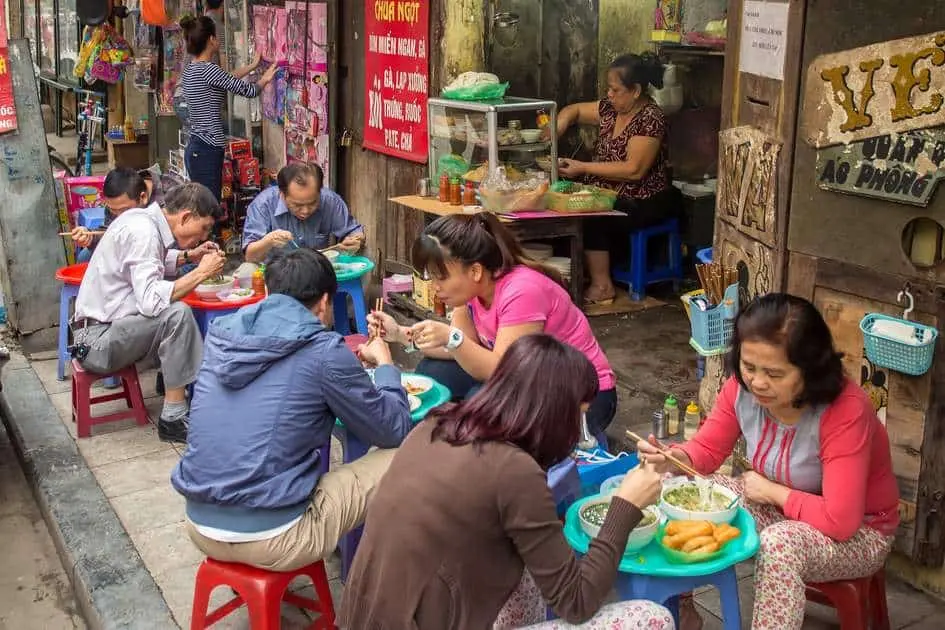
To understand Vietnamese breakfast is to understand how the country works: its climate, labor rhythm, cost logic, and daily routines. Breakfast in Vietnam isn’t a lifestyle statement; it’s a practical solution refined over generations.
Traditional Vietnamese Breakfast: Designed for Work, Not Leisure
A traditional Vietnamese breakfast evolved to support early starts and physical work, not slow mornings at home.
Vietnam has long been an agricultural and labor-driven society. Farmers, market vendors, factory workers, drivers, and office commuters often start their day before sunrise. Breakfast needs to be fast, hot, and sustaining, something eaten on the way to work rather than prepared at home.
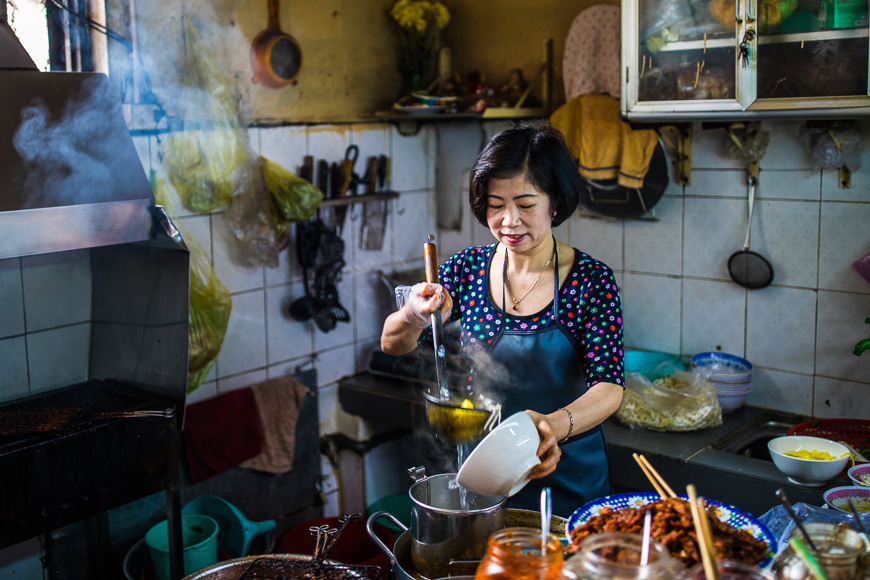
Core characteristics of breakfast food Vietnam:
- Always hot
- Often liquid or semi-liquid
- Usually eaten outside the home
- Designed to carry you through until lunch
Cold milk, pastries, cereal, or sugar-heavy breakfasts never aligned with these needs, especially in a tropical climate.
Is Phở a Breakfast Food in Vietnam? Yes, But Not Only
Is phở a breakfast food in Vietnam? Yes, traditionally and culturally, but it is not limited to breakfast, and evening phở is not a tourist adaptation.
Phở originated as a morning dish largely because of how it is produced. Traditional phở broth is simmered overnight, reaching peak clarity and aroma by early morning. This is why many classic phở shops still open between 5:30–6:00 a.m. and sell until the broth runs out.
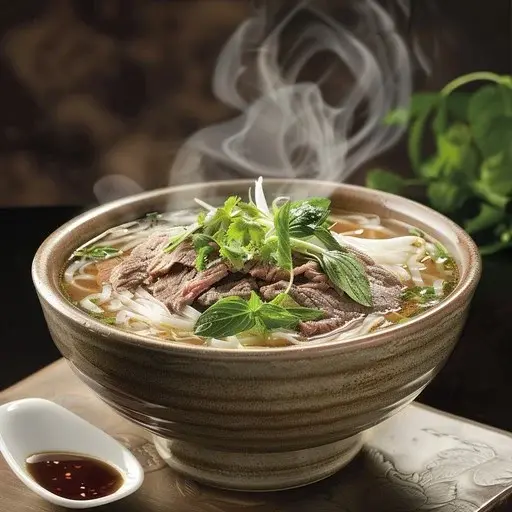
At the same time, Vietnamese people have long eaten phở in the evening as well, especially among shift workers, night drivers, and people wanting a light but warm meal after dark. What has changed over time is not whether locals eat phở at night, but how common all-day phở has become as cities expanded and work schedules diversified.
What Vietnamese People Actually Eat for Breakfast
Vietnamese breakfast is a full meal, not a snack.
1. Noodle-Based Breakfasts (Most Common)
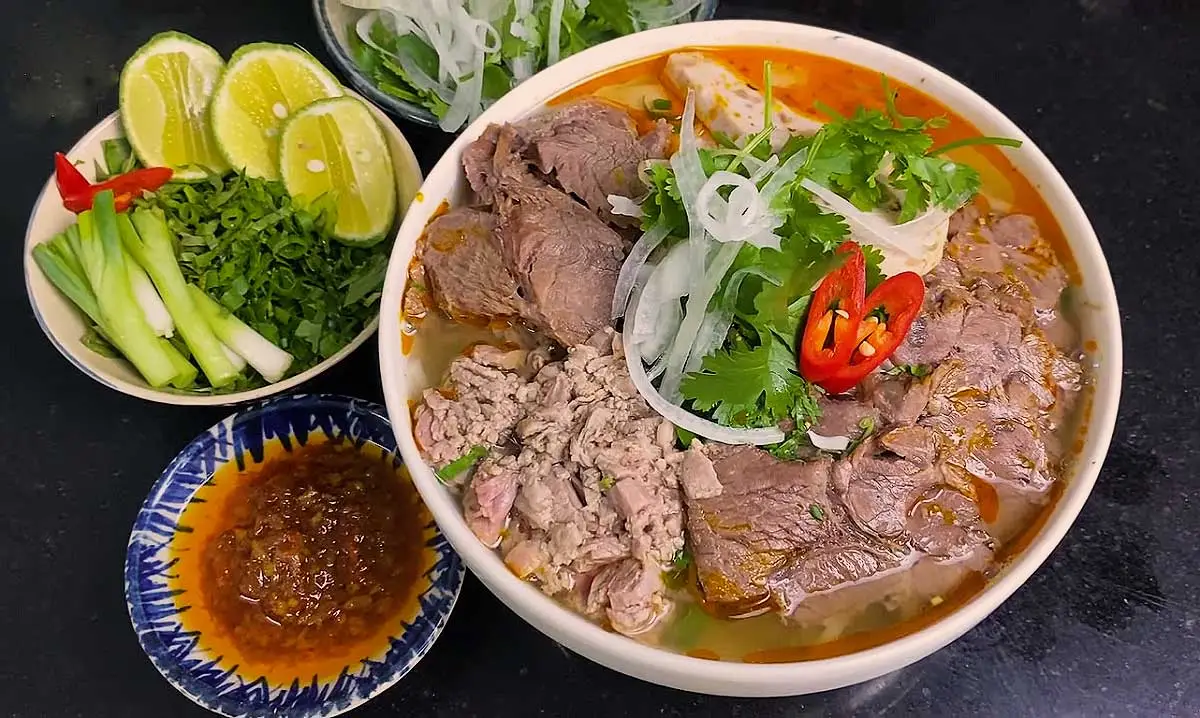
Noodle-based breakfasts dominate morning meals in Vietnam not by coincidence, but because they align closely with energy needs, digestion, and work schedules.
Dishes like Phở, Bún Bò Huế, Hủ Tiếu, and Bún Riêu are all hot, broth-based, and carbohydrate-forward, which makes them ideal for early mornings in a humid, tropical climate. Hot liquid foods are traditionally favored in the morning because they are easier to digest and help the body transition from rest to activity.
From a labor perspective, this preference is also practical. Vietnam’s workforce structure consistently shows that a large portion of urban and peri-urban workers start early and engage in physically demanding or long-duration work. A bowl of noodle soup provides:
Immediate energy from rice noodles
- Sustained fullness from protein and broth
- Hydration from liquid content
This is why noodle-based breakfasts are especially common among:
- Construction and factory workers
- Market vendors
- Drivers and delivery workers
In short, noodle breakfasts are common because they are nutritionally dense, quick to consume, and physically sustaining, not because of taste preference alone.
2. Rice & Savory Dishes
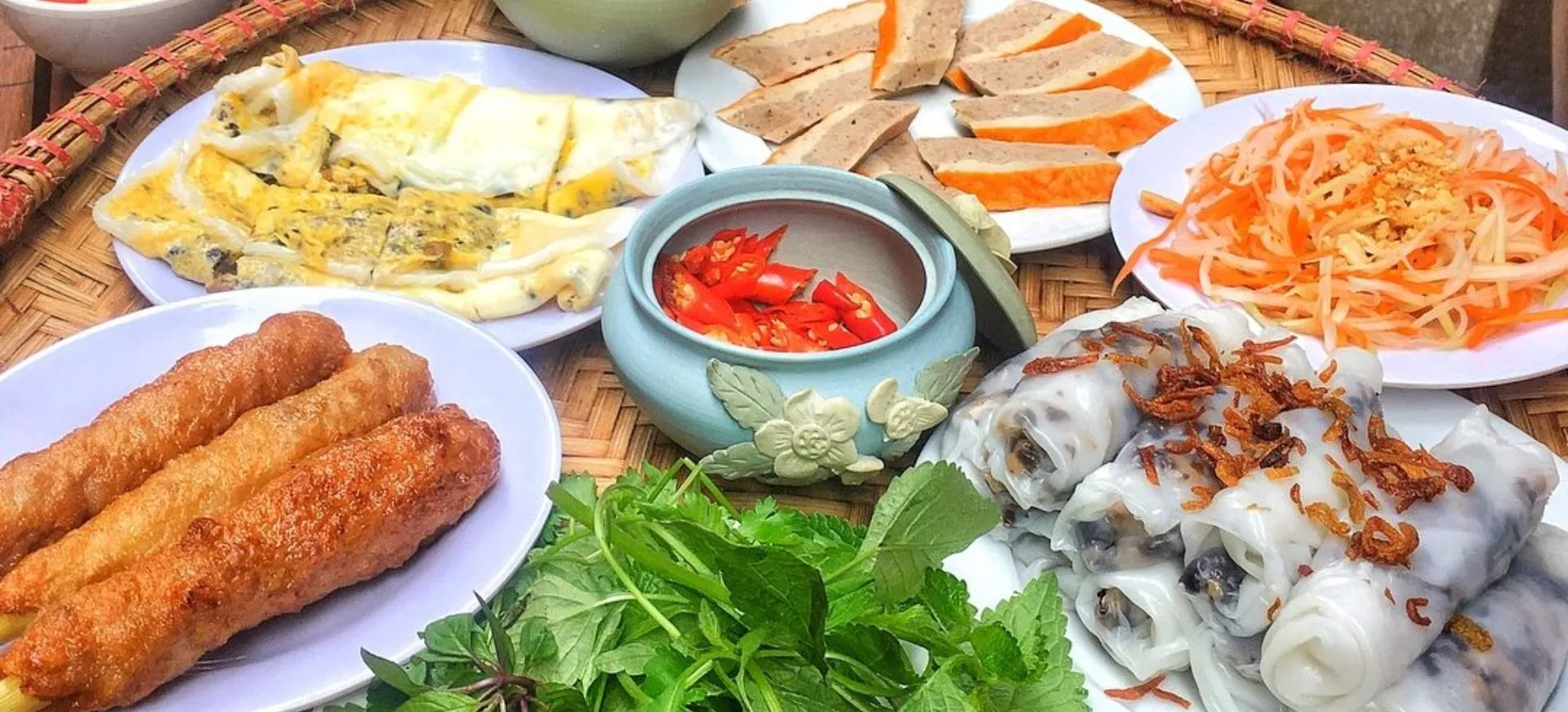
Rice-based savory breakfasts such as Xôi, Bánh Cuốn, and Cơm Tấm are also deeply rooted in Vietnamese morning habits, but they are slightly less dominant than noodle-based meals due to differences in digestion and eating pace.
Rice dishes tend to be:
- Drier and heavier than noodle soups
- More filling, but slower to digest
Rice remains the primary caloric base of the Vietnamese diet across all meals. However, in the morning, many people prefer rice dishes only when they anticipate very long or physically intense workdays, as these meals provide prolonged satiety.
This explains why:
- Xôi is common among manual laborers and students
- Cơm tấm is eaten in the morning in southern Vietnam, especially by workers who may skip lunch
- Bánh cuốn is popular when people have time to sit and eat, rather than eat on the move
Rice-based breakfasts are therefore functional rather than default, chosen when fullness and endurance matter more than speed or light digestion.
3. Quick Morning Options
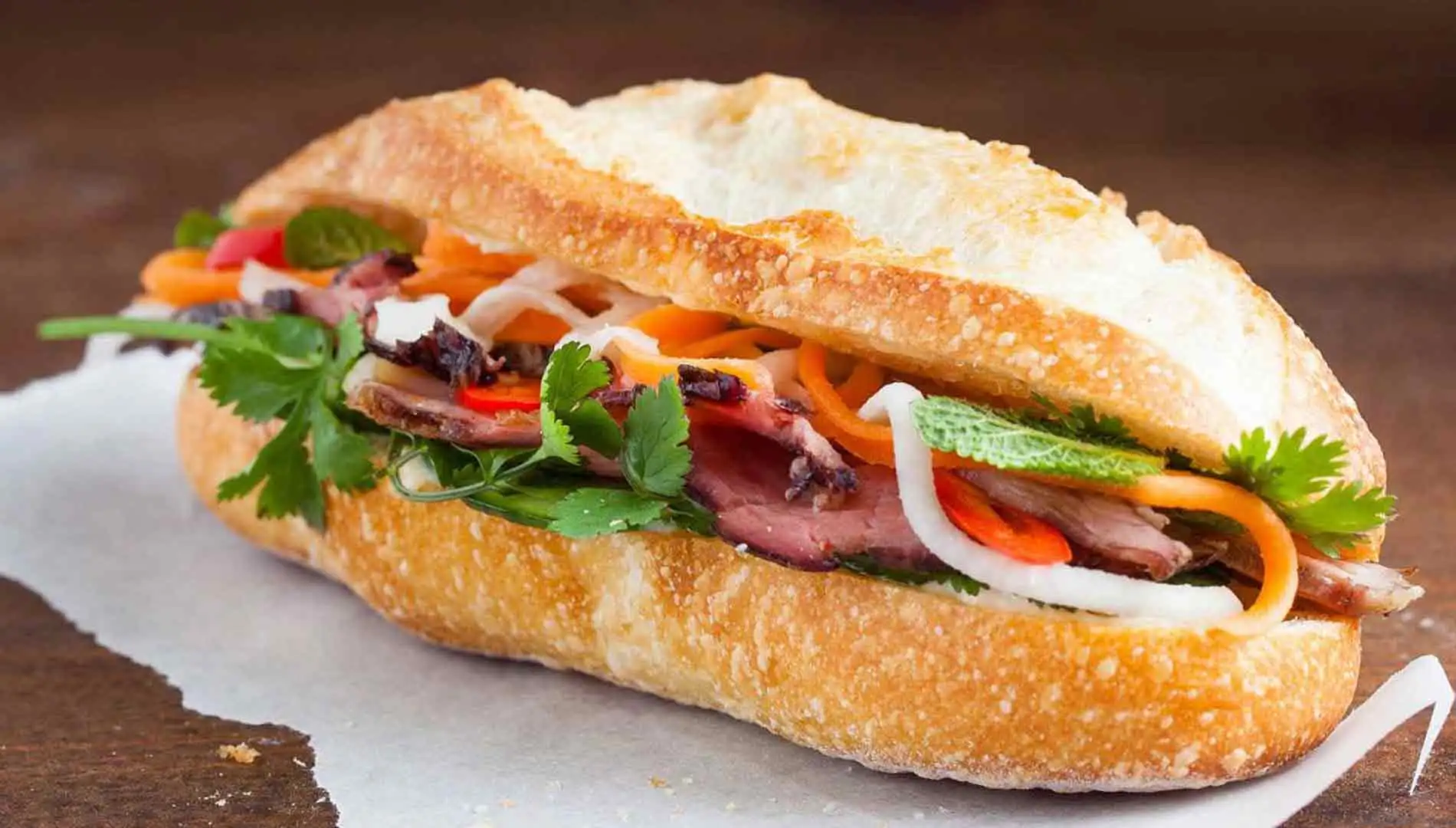
Quick morning options exist in Vietnam, but they function as secondary choices, not the cultural norm.
Foods like Bánh Mì, Cháo, and occasionally sweet breads are eaten in the morning primarily because they are:
- Fast to purchase
- Portable
- Easy to eat while commuting
Bánh mì, in particular, fits modern urban schedules. While bread is not a traditional Vietnamese staple, bánh mì became widespread because it adapted European bread into a savory, protein-heavy format that aligns with Vietnamese taste and nutrition preferences.
Cháo (rice porridge) serves a different function. It is commonly eaten by:
- Elders
- Children
- People recovering from illness
Its role is documented in Vietnamese dietary guidelines as a gentle, easy-to-digest breakfast, rather than an energy-heavy one.
Sweet breads and pastries do exist in the morning food landscape, especially near schools or bakeries, but they remain minor and situational. Sweet breakfasts are far less preferred than savory options, largely due to lower satiety and faster hunger return.
Coffee Is Part of Breakfast in Vietnam
For many locals, coffee completes breakfast, or replaces it entirely.
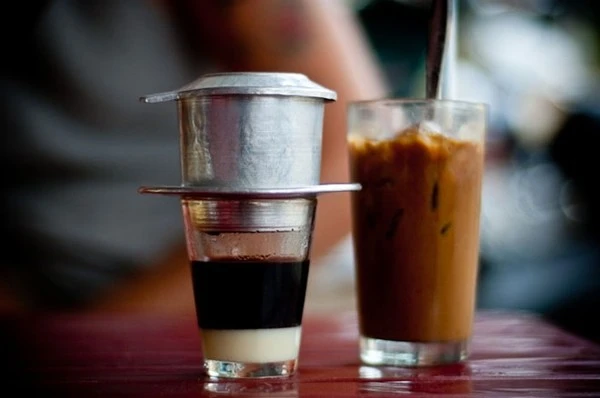
Vietnamese coffee with condensed milk delivers caffeine, sugar, and fat in one glass. Combined with a small savory dish (or even alone), it functions as breakfast fuel. Unlike takeaway coffee culture elsewhere, Vietnamese mornings emphasize sitting briefly, observing the street, and easing into the day.
Fast Food in Vietnam: Present, but Peripheral
Fast food in Vietnam exists, but it has never replaced traditional breakfast habits.
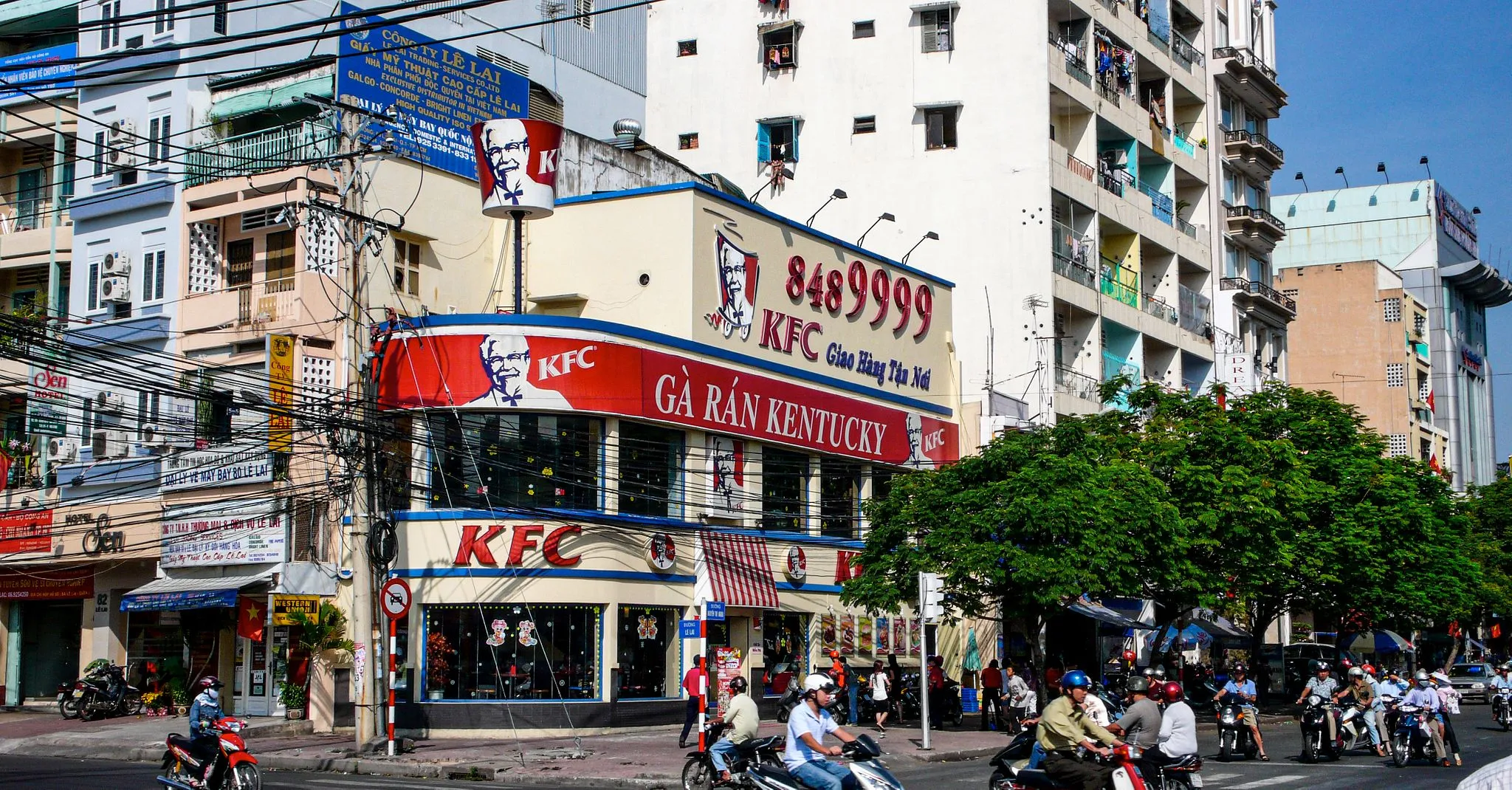
Fast food chains are mainly found in malls, youth-focused areas, and tourist districts. Their core customers are teenagers, students, and families on special occasions, not working adults looking for a daily breakfast.
Why Fast Food Failed in Vietnam, Especially for Breakfast
This isn’t a marketing failure. It’s structural.
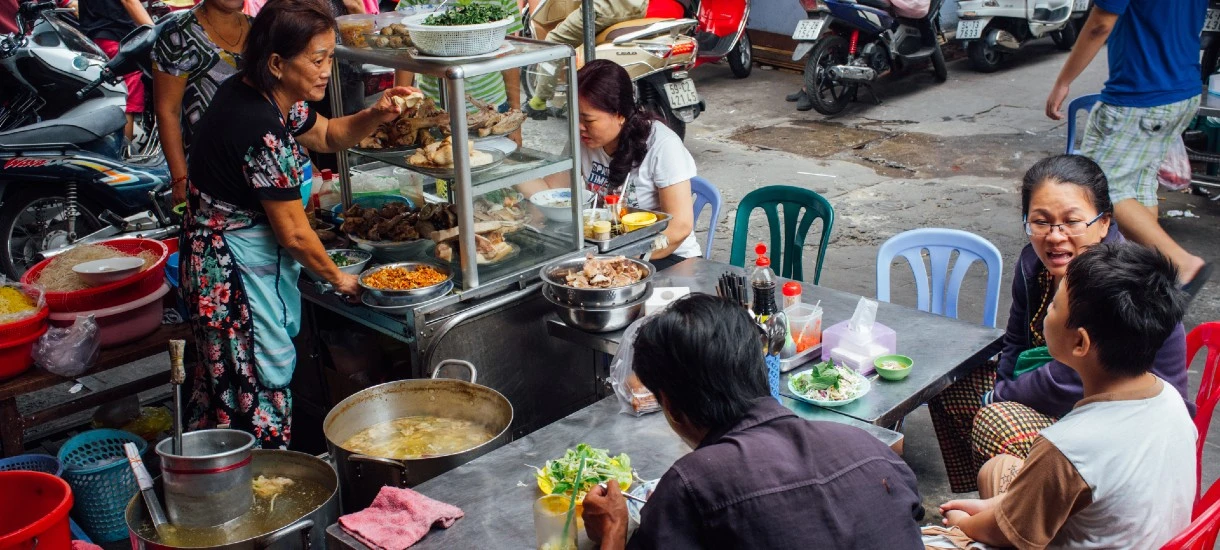
A street breakfast costs 20,000–40,000 VND, while a fast food breakfast combo often costs 80,000–120,000 VND. Freshly cooked street food is perceived as better value: hotter, faster, and more filling.
Street vendors often serve faster than chains. There are no queues, no apps, no waiting numbers. Order-to-bowl time can be under two minutes.
Vietnamese breakfast also favors hot broth, rice-based starch, and light oil. Fried, bread-heavy fast food feels heavy in tropical heat. On top of that, street food is cooked in front of you, by familiar vendors, with flavors that don’t change year after year.
Why Vietnamese Breakfast Survived Globalization
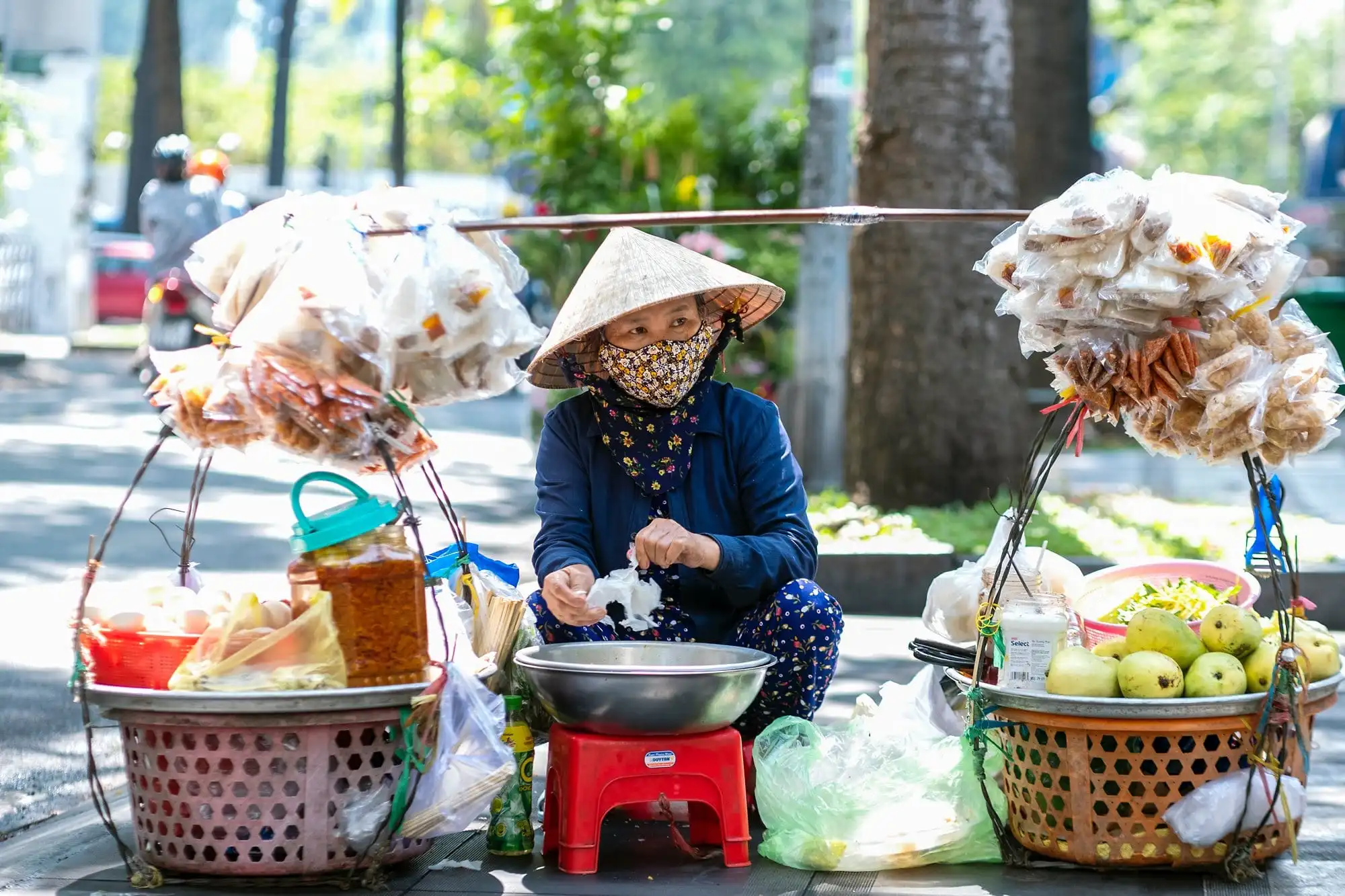
Vietnamese breakfast culture did not merely resist globalization; it absorbed global influence selectively while preserving its core structure.
First, the informal food economy plays a critical role. Vietnam’s street food sector operates with extremely low overhead, daily ingredient sourcing, and high turnover. This allows traditional breakfast vendors to:
- Compete on price
- Adapt menus quickly
- Maintain freshness without industrial processing
Second, Vietnamese breakfast food is deeply tied to daily routine rather than branding. Unlike fast food, which relies on standardized menus and marketing, breakfast vendors rely on habit, familiarity, and location. People return to the same stall because it fits their commute and their schedule, not because it advertises novelty.
Third, traditional breakfast foods already delivered what globalization promised:
- Speed
- Convenience
- Consistency
- Affordability
This is why fast food chains in Vietnam became occasion-based rather than habitual. They did not replace breakfast because breakfast was already optimized for local needs.
Finally, climate and digestion remain decisive factors. Hot, rice-based meals are better tolerated in humid environments than cold or heavily processed foods. This physiological compatibility gave traditional breakfasts a structural advantage that globalization could not erase.
In short, Vietnamese breakfast survived not because of resistance to change, but because it already functioned as an efficient system, culturally, economically, and biologically.
What Tourists Often Get Wrong About Breakfast Food Vietnam
Many travelers rely on hotel breakfast, expect eggs or pastries, or assume street breakfast is unsafe. In reality, skipping local breakfast means missing one of the most authentic daily rituals in Vietnam.
How to Eat Breakfast Like a Local
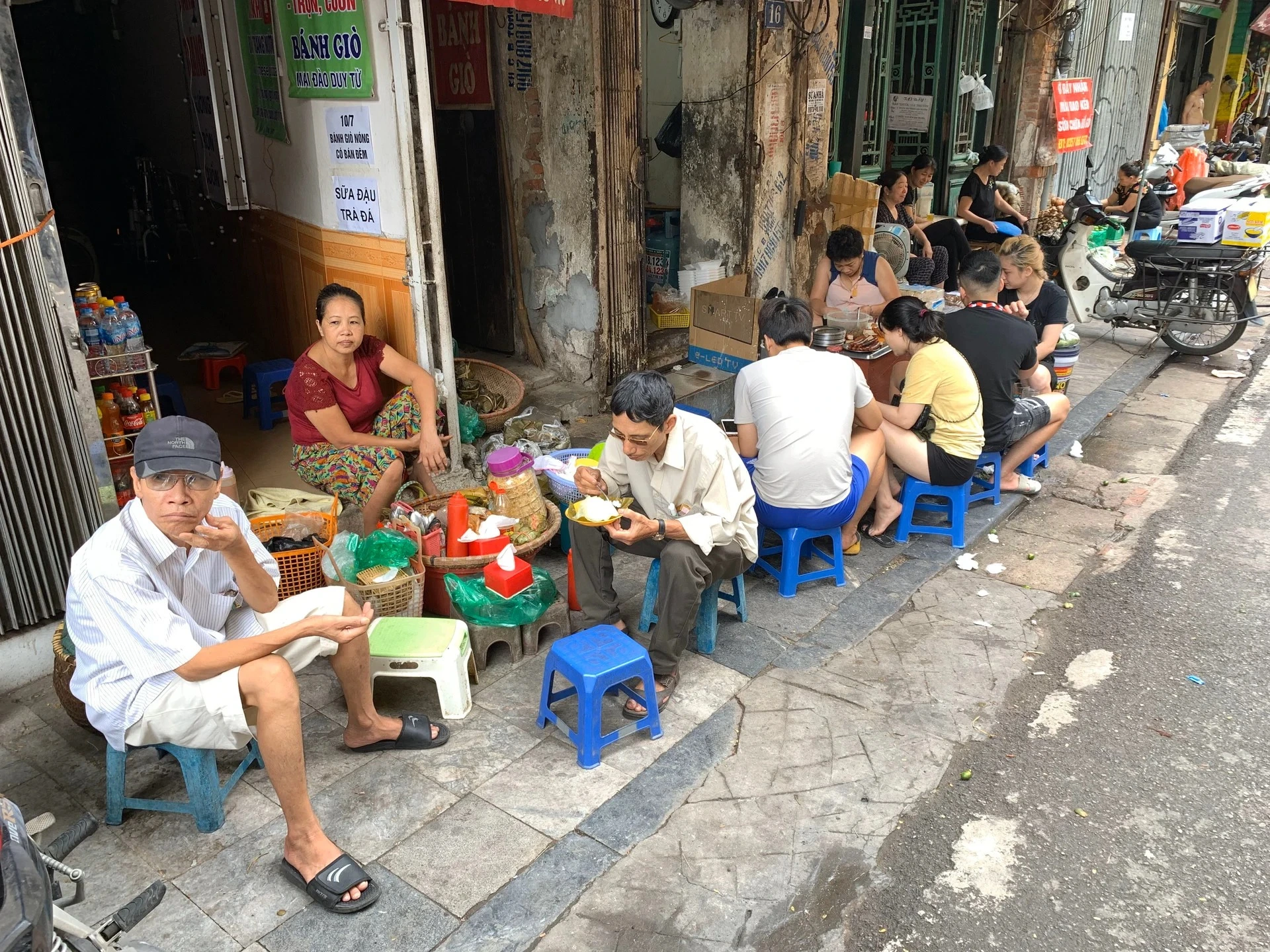
- Go out before 9:00 a.m.
- Sit where stools are low and menus are minimal
- Order what others are eating
- Don’t rush, even if the food arrives fast
Conclusion: Breakfast Food Vietnam Explains the Country
Breakfast food Vietnam reflects the country itself: practical, efficient, communal, and deeply rooted. From a dawn bowl of phở to a late-night soup stop, Vietnamese breakfast culture didn’t disappear as cities modernized. It expanded.
Fast food didn’t lose to tradition. It simply never fits the system.
Experience Vietnamese Breakfast the Local Way
Reading about Vietnamese breakfast explains the logic. Experiencing it explains everything else.
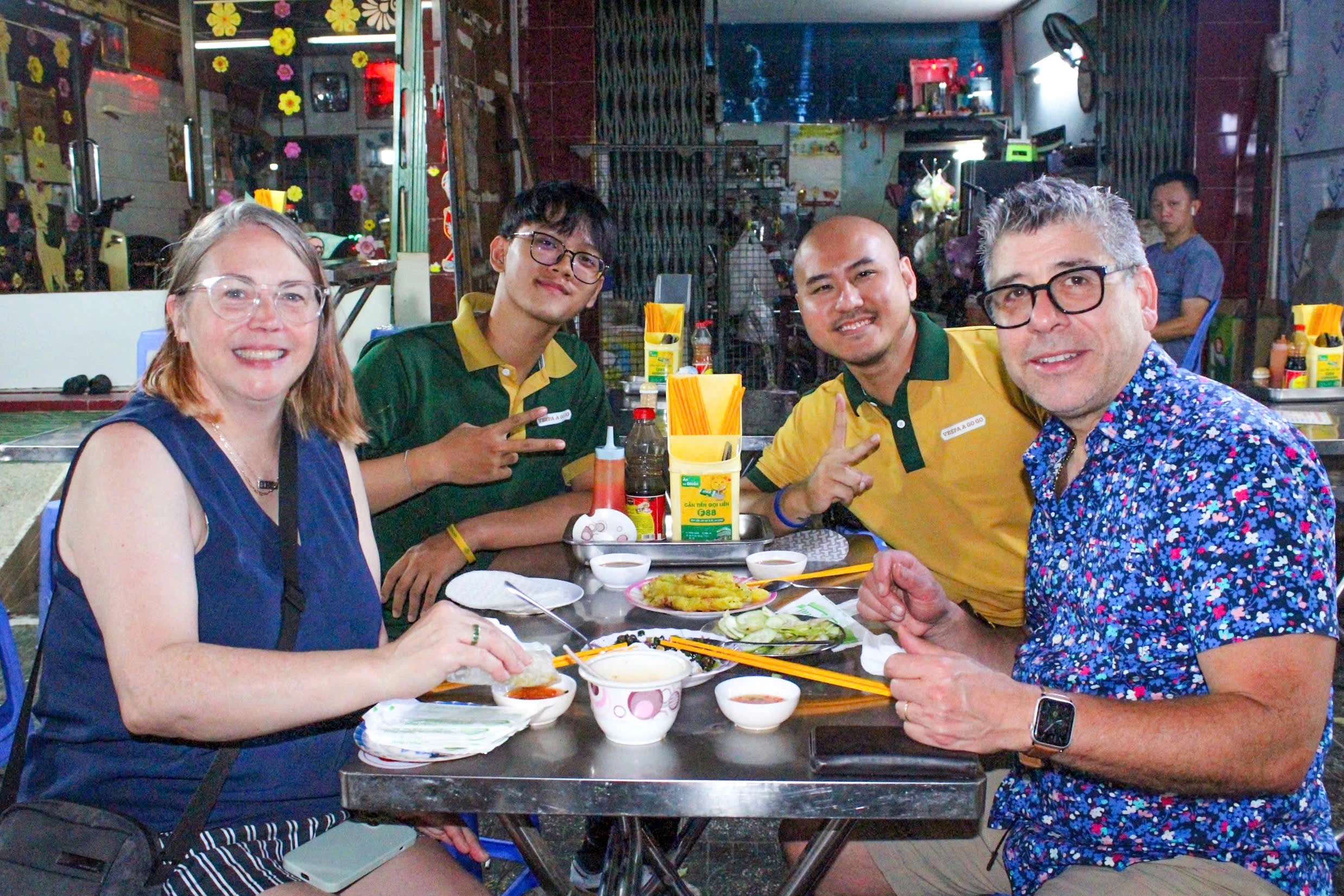
The best way to do that is moving through the city early, stopping where locals actually eat, and letting someone who understands the rhythm guide you. That’s exactly what Vespa A Go Go does on its food-focused Vespa tours.
If you want to understand how Saigon really wakes up, not from a hotel buffet, but from the street, this is where it starts.

Anh Pham - General Manager
After exploring Ho Chi Minh City (or Saigon, as I love to call it) on a motorbike for over 10 years, these streets feel like my playground. I believe the best travel moments happen when you discover something unexpected. My goal is simple: to share my favorite parts of the city with you, so you can experience the real, everyday magic of my home.
Other tips
- Authentic American and Mexican Restaurant in Saigon
- Chinese Restaurant in Saigon
- Breakfast Food Vietnam: How Locals Really Eat in the Morning (And Why Fast Food Failed)
- The Vietnamese Duck Egg Craze: Why This Delicacy Reigns Supreme in Vietnam
- Popular Vietnamese Snacks: 21 Street Eats You Can't Miss
- What is Vietnamese Broken Rice? History & Best Spots in Saigon
- Vietnamese Bun Rieu: The Ultimate Insider’s Guide to Vietnam’s Famous Crab Noodle Soup
- Hu Tieu Noodles: The Ultimate Guide to Saigon's Secret Soul Food
- 15+ Best Pho in Ho Chi Minh City (2025 Update)
- Common Questions for Vietnamese Food: Safety, Dietary Needs, and Tips for Travelers
- A Saigon Insider's Guide to the 20 Best Coffee Shops You Can't Miss in 2025
