 Email: support@vespaagogo.com

Food & Beverages
Street Food in Saigon
2025-12-19
Saigon street food doesn’t try to impress you. It doesn’t ask for permission, nor does it wait for a Michelin scout to validate its existence. It simply appears - on cracked sidewalks, under the canopy of ancient tamarind trees, and beside the constant, rhythmic hum of a million motorbikes.
When travelers ask what to eat at Ho Chi Minh, they often look for glittering restaurants with air conditioning. But the soul of this city isn't found behind glass doors; it’s found on a low plastic stool, six inches off the ground, where the air is thick with charcoal smoke and the scent of fermented fish sauce. This is the Saigon street food scene - unapologetic, chaotic, and beautiful.
The Bourdain Legacy: Why Saigon Defines Street Food
Where did Anthony Bourdain eat in Vietnam? It’s a question that has launched a thousand trips. From his famous "Bun Cha" meeting with Obama in the North to his deep love for the lunch lady in the South, Bourdain didn't just eat food; he absorbed the culture. He famously said, "All of the things I need for happiness: low plastic stool, starting to get some stickiness on the table, tiny little plastic cup."
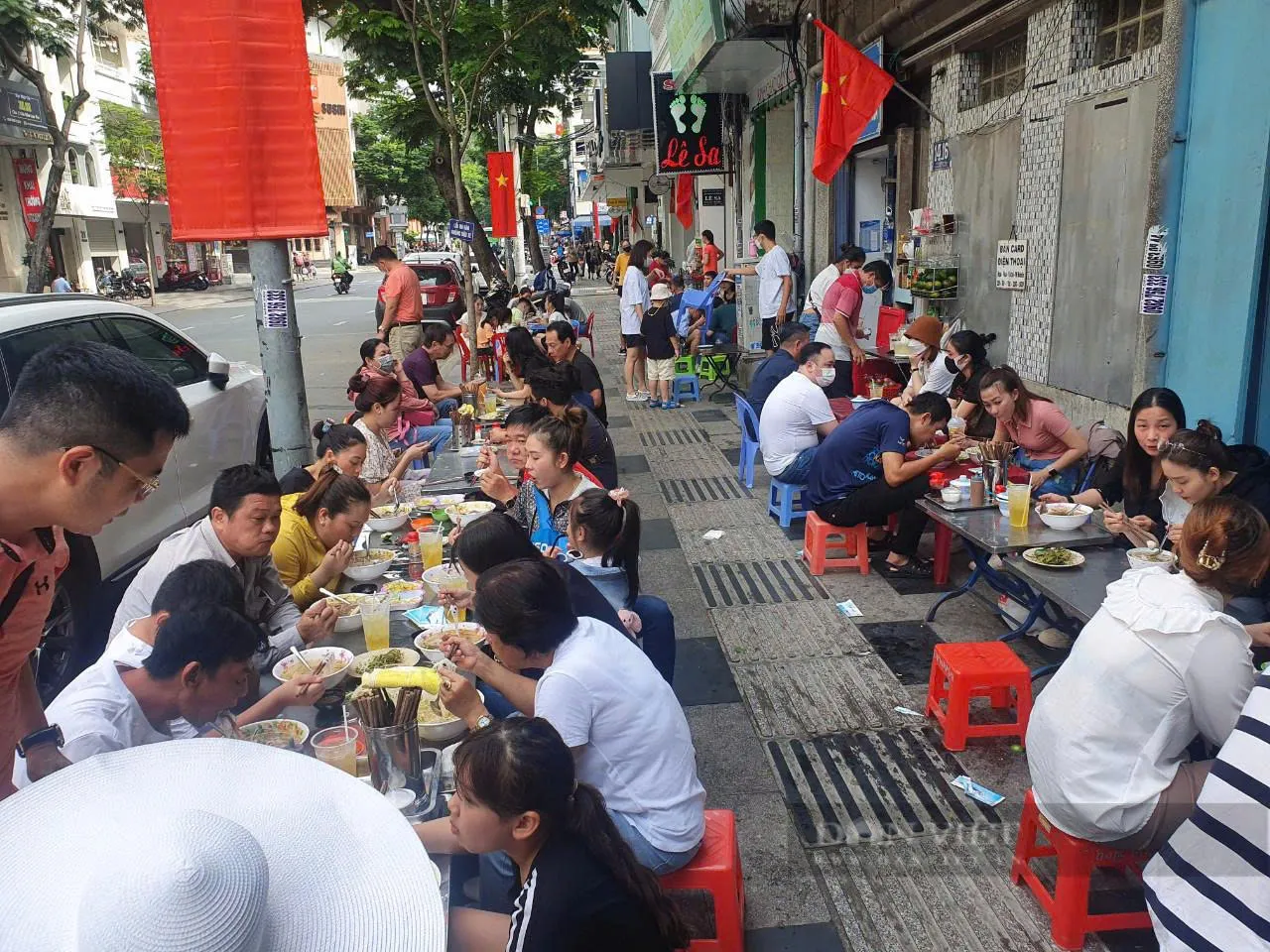
In HCMC street food culture, that "stickiness" is a badge of honor. It represents years of service, thousands of bowls of Phá Lấu, and a level of culinary consistency that five-star chefs dream of. To eat like a local in Saigon is to embrace the heat, the noise, and the sheer brilliance of a dish perfected by a vendor who has stood on the same corner for forty years.
I. After-School & Teenage Street Food: The Fuel of Youth
In Saigon, the street is the first classroom. Before students head home to a family dinner, they congregate around carts that serve the "soul food" of their generation.
1. Banh trang tron (Mixed Rice Paper)
This is not a “dish.” It’s a generation. Bánh tráng trộn was never meant to be neat or balanced. It’s built from cravings rather than recipes: shredded rice paper softened just enough to chew, quail eggs still warm from the pot, beef jerky torn by hand, herbs added freely, and a sharp squeeze of calamansi pulling the chaos together.
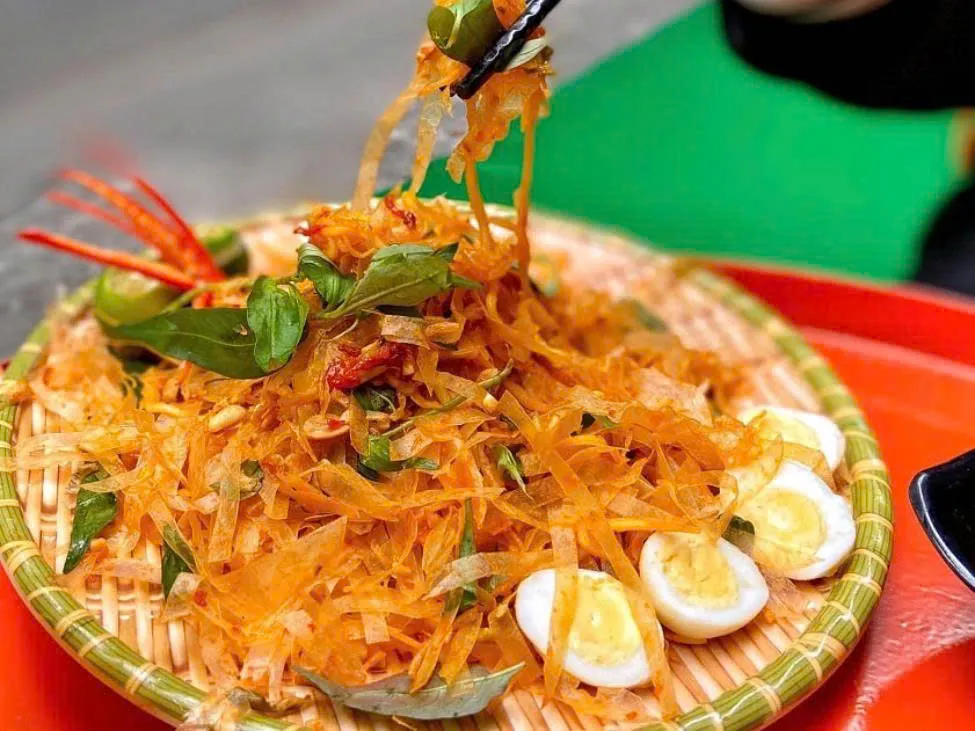
Locals don’t plan to eat bánh tráng trộn. They stumble into it after school, when backpacks hit the ground and no one is ready to go home yet. It’s a textural masterpiece - the crunch of peanuts, the chew of rice paper, and the zing of green mango. If you are looking for must try food in Saigon, this is the undisputed king of the sidewalk.
- Where to eat: Bánh tráng trộn chú Viên
- Address: 38 Nguyen Thuong Hien Street, Ward 5, District 3, Ho Chi Minh City, Vietnam
- Price: ~20,000–30,000 VND
2. Bot chien (Fried Rice Flour Cakes)
Bột chiên tastes like nostalgia. Cubes of rice flour are fried on a massive flat griddle until the edges turn shatteringly crisp while the inside remains chewy. An egg is cracked over the top to bind it all together, topped with a mountain of scallions.
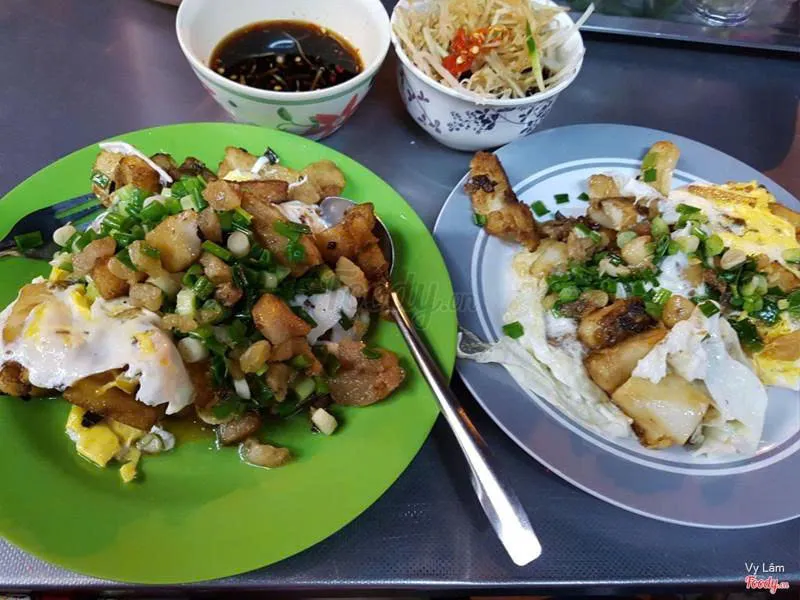
Served with a side of crunchy papaya pickles and a sweet-savory soy sauce, it’s the ultimate comfort food. This is the HCMC street food that bridges generations - grandparents and grandkids sitting side-by-side on the same stools they’ve occupied for dx``ecades. You don't rush bột chiên; you watch the steam rise and wait for the perfect crunch.
-
Where to eat: Bột Chiên Đạt Thành
-
Address: 277 Võ Văn Tần, District 3
-
Price: ~30,000–40,000 VND
3. Bap xao (Stir-fried Corn)
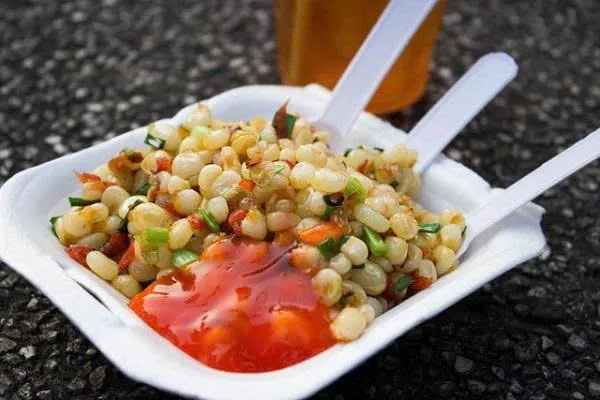
Just a short walk from the bustling hubs of District One Saigon street food, right at the border of District 3’s Turtle Lake, you’ll hear the rhythmic clinking of metal spoons against pans. That’s Bắp xào. Sweet corn is tossed with tiny dried shrimp, green onions, and a generous amount of butter and chili.
It’s simple, cheap, and strangely addictive. It’s the kind of food you eat while scrolling through your phone or catching up with a friend, the steam rising into the humid night air. It’s not meant to fill you up - just to keep you around the street corner a little longer.
- Where to eat: Bắp Xào Hồ Con Rùa
- Address: Hồ Con Rùa area, District 3
- Price: ~15,000–20,000 VND
II. Late Afternoon & Early Evening: The Social Snack Hour
As the sun begins to dip and office workers start their commute, the city's appetite shifts. This is the "golden hour" of snacking, where the food is designed to be shared.
4. Goi kho bo (Green Papaya Salad with Beef Jerky)
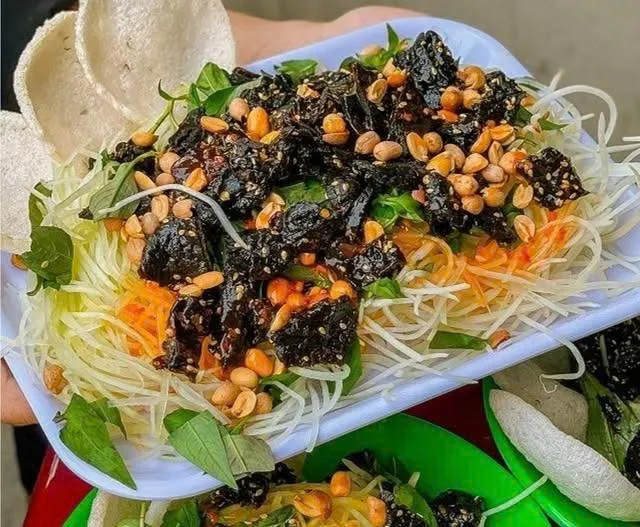
This is a sharing dish by default. A mountain of shredded green papaya is topped with chewy, dark, spicy beef jerky, aromatic Thai basil, and crunchy rice crackers. The magic is in the dressing - a dark, pungent vinegar-based sauce that awakens every taste bud.
In the shadows of Lê Văn Tám Park, you'll see groups of friends hovering over plastic plates. This is the essence of Saigon street food: high flavor, low cost, and maximum social connection. You reach in, grab a tangle of papaya, a piece of jerky, and let the conversation stretch.
- Where to eat: Gỏi Khô Bò Công Viên Lê Văn Tám
- Address: 259 Hai Bà Trưng, District 3
- Price: ~20,000–30,000 VND
5. Chuoi nuong (Grilled Banana with Coconut Milk)
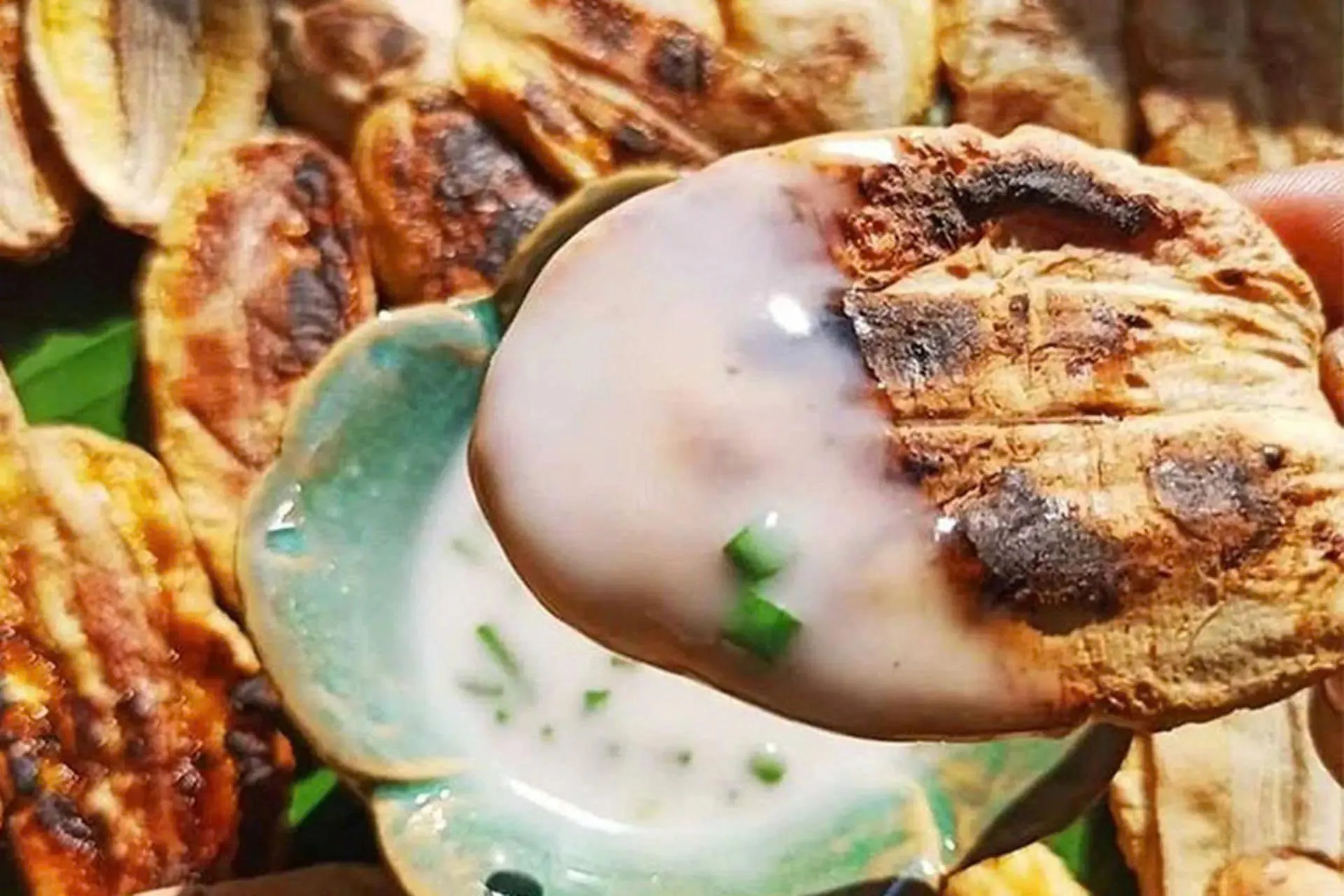
The smell of Chuối nướng travels further than the cart itself. Ripe bananas are wrapped in a layer of sticky rice, encased in a banana leaf, and grilled over hot coals until the rice is charred and crispy.
It’s then sliced and drowned in a thick, warm coconut sauce with tapioca pearls. It’s a masterclass in contrast: hot and cold, sweet and salty, crispy and soft. For anyone wondering what to eat at Ho Chi Minh for a traditional dessert, this humble grilled fruit is the most authentic answer you'll find.
- Where to eat: Chuối nếp nướng Võ Văn Tần
- Address: 378 Vo Van Tan Street, Ward 5, District 3, Ho Chi Minh City, Vietnam
- Price: ~10,000–15,000 VND
6. Trung cut nuong (Grilled Quail Eggs)
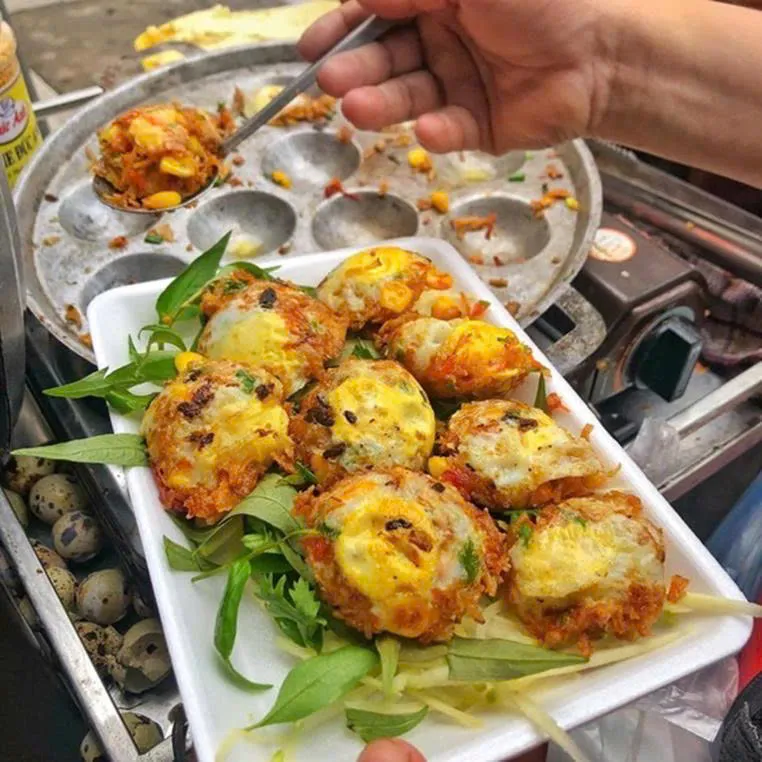
Tiny quail eggs are cracked into small ceramic molds, topped with scallion oil, dried shrimp, and minced sausage, then grilled until the edges are golden. One order usually brings five or six of these tiny cakes, served with a dollop of tamarind sauce.
Locals eat these quickly, often ordering "one more round" before the first plate is even empty. It’s the perfect bridge between a long work day and a late dinner.
- Where to eat: Chén trứng nướng
- Address: 67e Group 47, Quarter 3, Ward 1, District 10, Ho Chi Minh City, Vietnam
- Price: ~15,000–20,000 VND
III. Night Street Food Culture: When the City Really Wakes Up
When the streetlights hum to life, Saigon transforms into a giant, open-air dining room. This is the time for "Nhậu" (eating and drinking for fun).
7. Pha lau (Offal Stew)
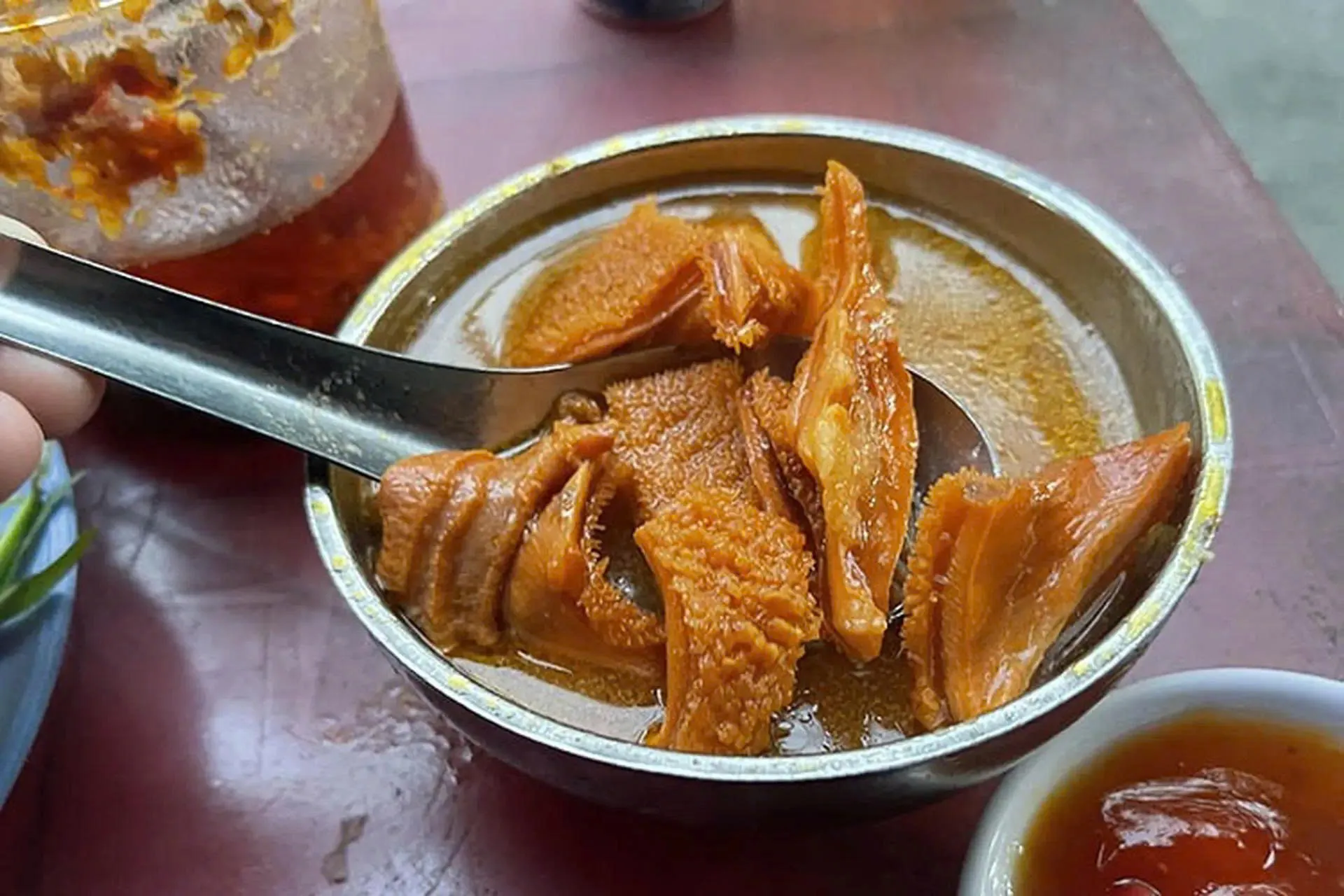
Phá lấu is rich, fatty, and unapologetic. It’s a stew of beef offal simmered in a coconut milk broth infused with five-spice powder. It sounds intimidating to the uninitiated, but one dip of a crusty baguette into that orange, aromatic broth, and you’ll understand the obsession.
Locals sit on low stools, talk loudly over the traffic, and tear pieces of bread to soak up every last drop of the stew. It is comfort food for the brave and the hungry.
- Where to eat: Phá Lấu Bò A Tèo 230 Bình Thới
- Address:230 Binh Thoi Street, District 11
- Price: ~25,000–40,000 VND
8. Banh trang nuong (Vietnamese Pizza)
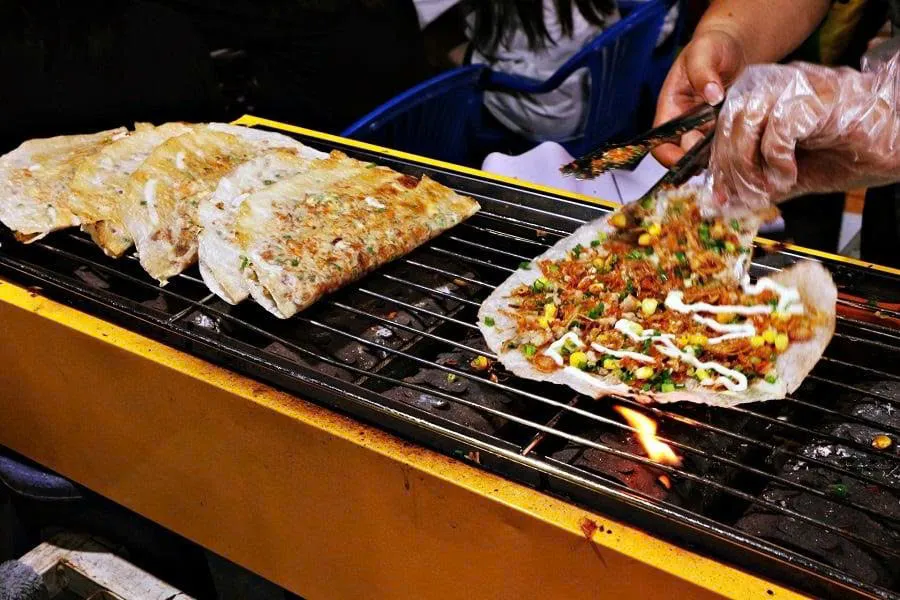
Often called "Vietnamese pizza" by tourists (though locals just call it delicious), this is a sheet of rice paper grilled over charcoal. It’s topped with egg, minced pork, scallions, and sometimes cheese or sausage, then folded in half.
The result is a smoky, crispy, handheld snack that defines the HCMC street food night scene. You’ll find these carts everywhere, especially where young people congregate.
- Where to eat: Bánh tráng nướng 27 Lò Siêu
- Address: 27 Lo Sieu, District 11
- Price: ~20,000–30,000 VND
9. Xien que nuong (Grilled Skewers)
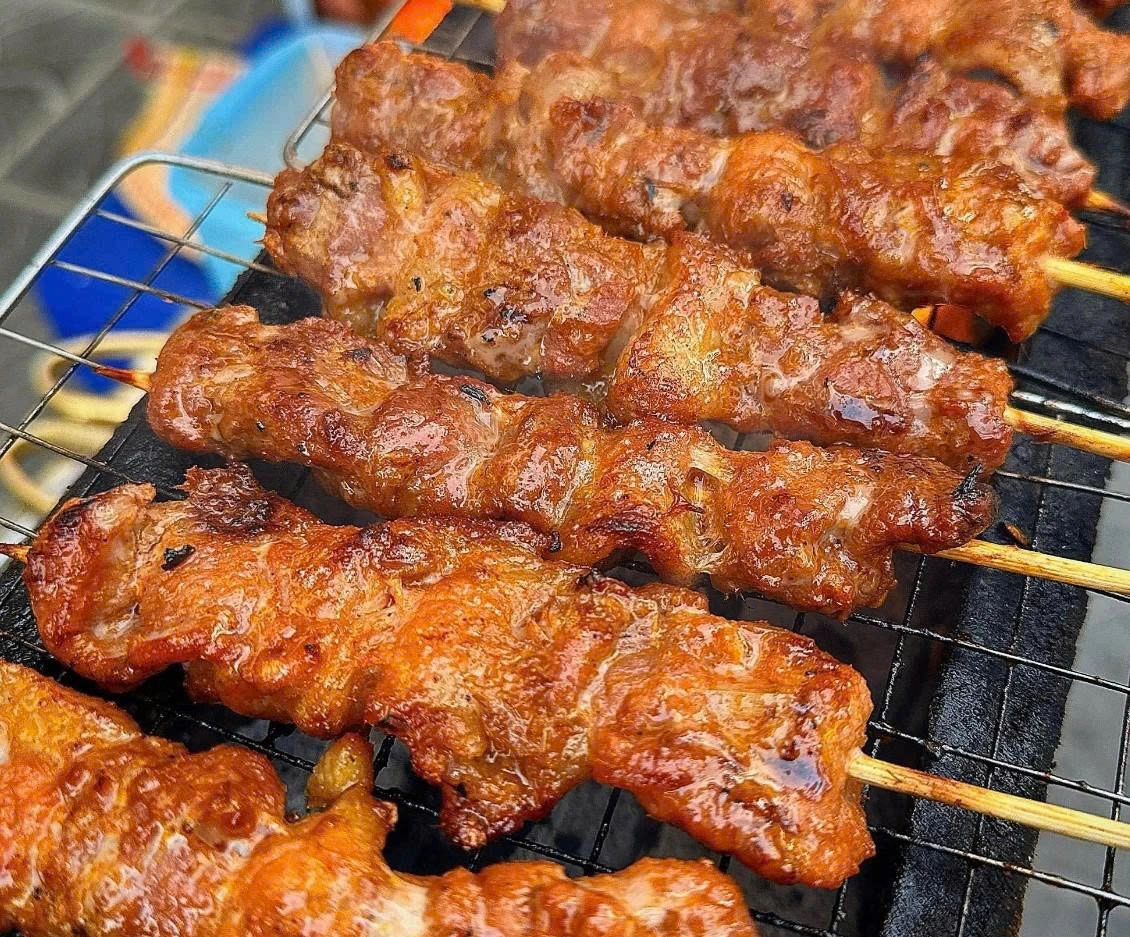
Xiên que nướng is the undisputed herald of the Saigon night. Unlike the fried snacks found at school gates, these skewers are all about the smoke. As dusk falls, portable charcoal braziers are fanned into life, sending plumes of aromatic woodsmoke into the humid air. You’ll find everything on these grills: honey-marinated pork belly, okra, beef wrapped in betel leaves (bò lá lốt), and even small birds or octopus.
Locals don’t just eat these skewers; they use them as an excuse to linger. You pick your raw sticks, wait for the vendor to char them to perfection, and eat them with a side of pungent chili salt or green bird’s eye chili sauce. This is "nhậu" food in its simplest form - smoky, salty, and best enjoyed with a cold local beer while sitting on the edge of a bustling street like Vĩnh Khánh.
- Where to eat: Xiên Nướng KaKa
- Address: 56 Bạch Vân District 5
- Price: ~10,000–20,000 VND per skewer.
10. Oc (Sea Snails & Shellfish)
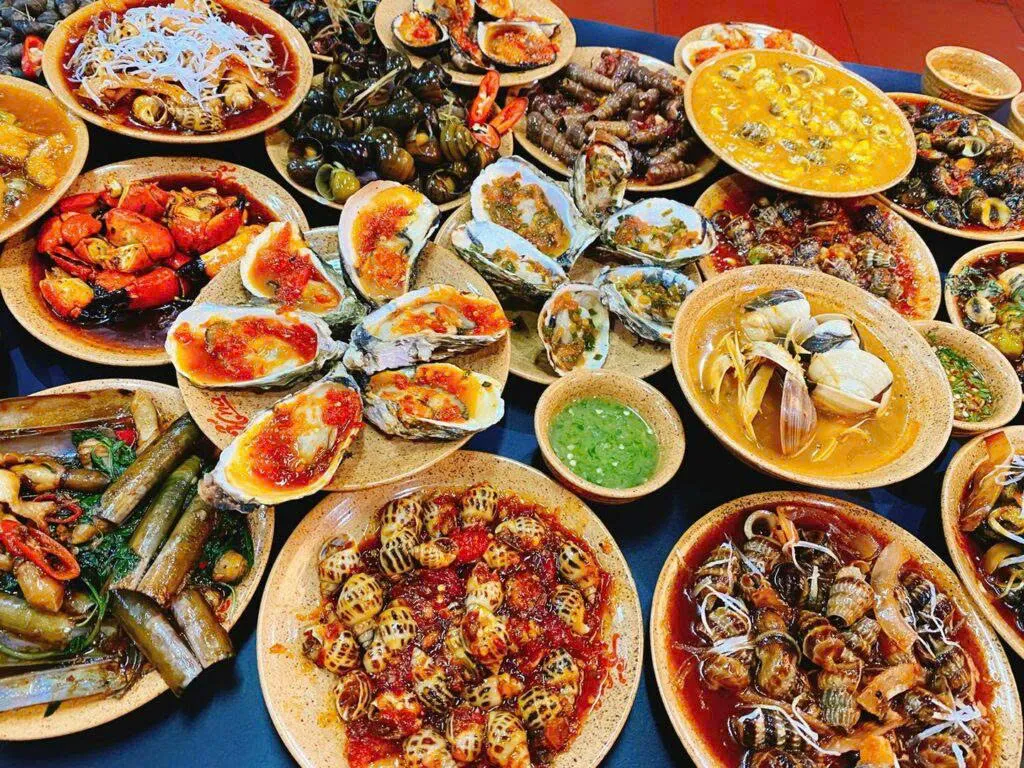
Eating Ốc is a ritual. It’s not about satisfying hunger; it’s about the art of conversation. Plates of snails sauteed in lemongrass, steamed with ginger, or roasted with salt and chili keep arriving as long as the beer is cold.
District 4 is the holy land for snails. The sound of clinking glasses and the scraping of shells against plates is the soundtrack of a Saigon night.
- Where to eat: Ốc Đào or Ốc Vĩnh Khánh
- Address: Vĩnh Khánh St, District 4
- Price: ~50,000–100,000 VND per dish
IV. Morning & All-Day Staples: The Rhythm of Daily Life
These are the foods that fuel the city’s engine from the moment the sun rises.
11. Banh tieu (Hollow Donuts)
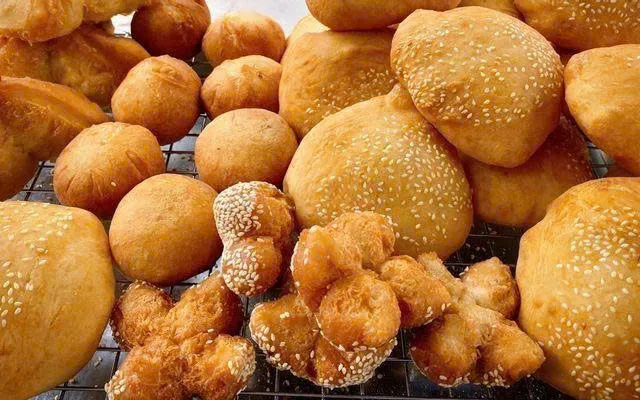
The Bánh tiêu vendor is a morning ghost - appearing at dawn with a small rolling cart and disappearing by 9 AM. These hollow, sesame-crusted fried breads are slightly sweet and perfect with a cup of Vietnamese iced coffee.
Locals often buy a bag of three or four to share at the office or eat while weaving through traffic on their way to work.
- Where to eat: Bánh Tiêu Nhân Sầu Riêng
- Address: 133 Ha Ton Quyen Street, District 11
- Price: ~5,000 VND
12. Súp Cua (Crab Soup)
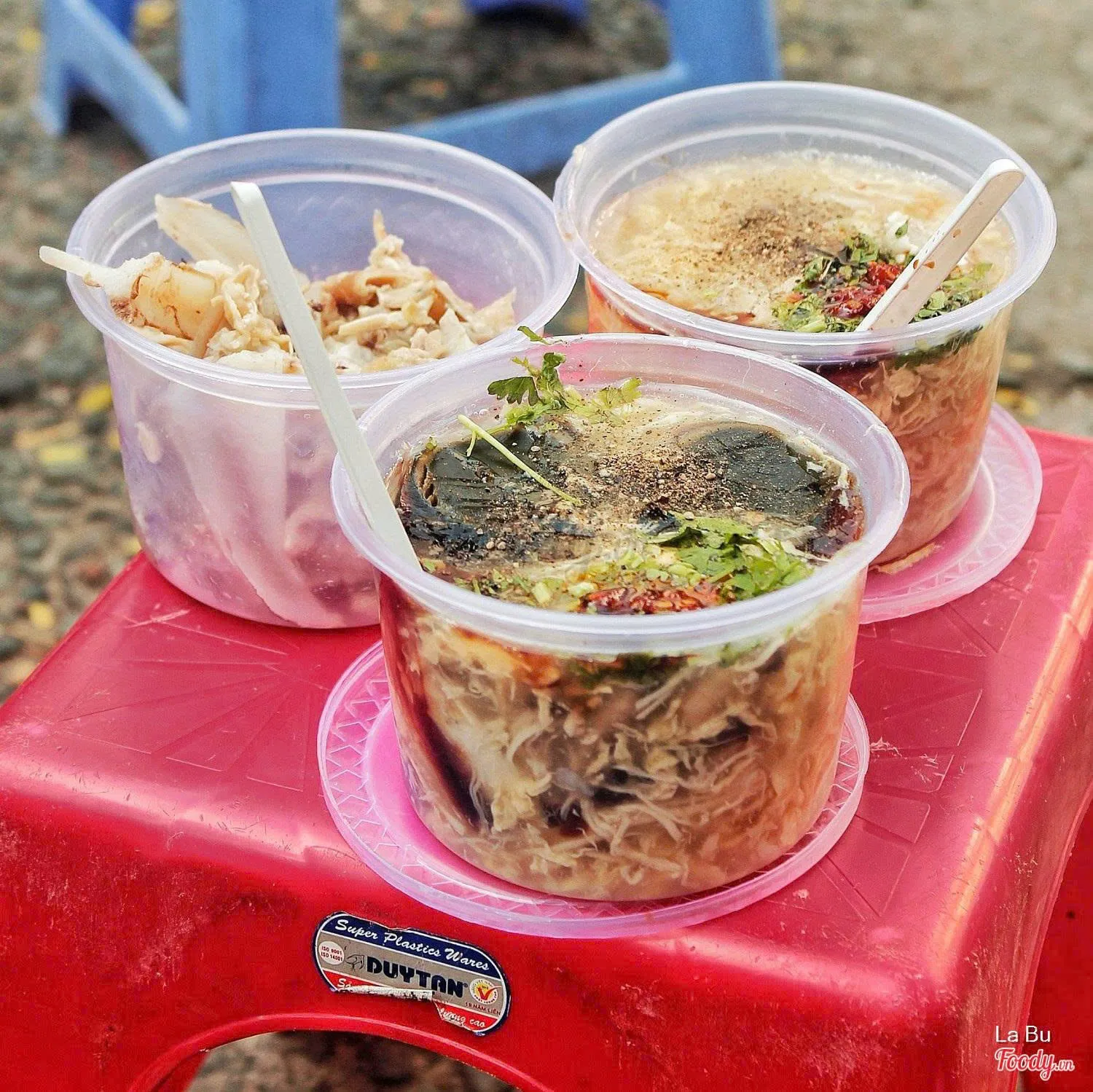
Don't let the gelatinous texture fool you. Súp cua is a powerhouse of flavor, packed with shredded crab, quail eggs, mushrooms, and sometimes a creamy century egg. It is perhaps the most ubiquitous afternoon snack within the District One Saigon street food scene, where stalls are tucked into narrow alleys behind colonial-era buildings.
Office workers in the city center often line up for a quick cup to tide them over until dinner. It’s light, warm, and restorative - the perfect street-side pick-me-up.
- Where to eat: Súp Cua Bong Bóng Cá Cô Lan
- Address: 239 Luong Nhu Hoc Street, District 5
- Price: ~15,000–25,000 VND
13. Ca vien chien (Fried Fish Balls)
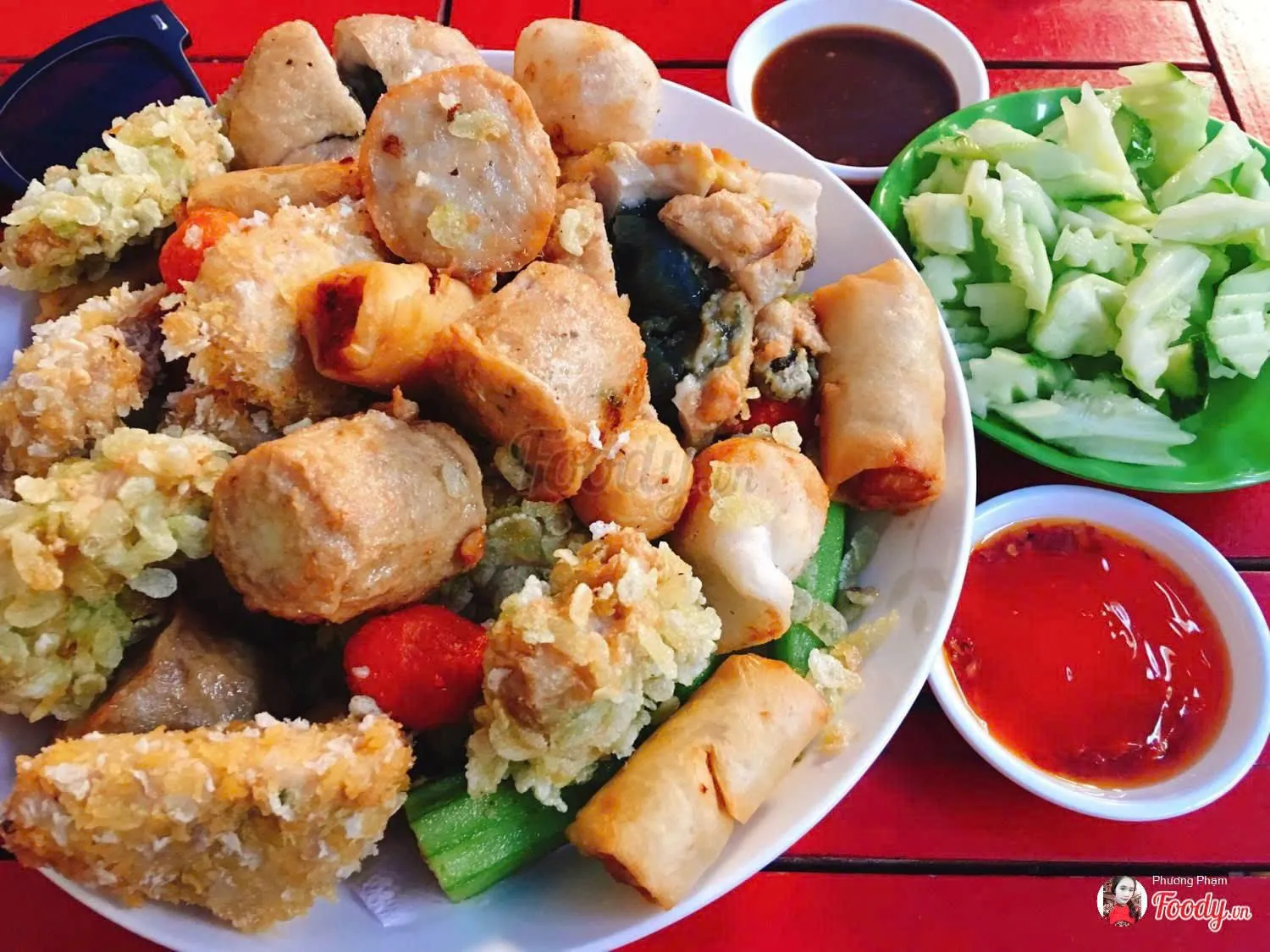
The ultimate "anytime" snack. Skewers of fish balls, shrimp balls, and beef balls are deep-fried until they puff up, then served with a side of hoisin and chili sauce. It’s the taste of every Saigonese person’s childhood.
- Where to eat: Ca Vien Chien Nuoc Mam 140
- Address: 140 Tam Dao Street, District 10
- Price: ~20,000 VND
14. Hột Vịt Lộn (Balut)
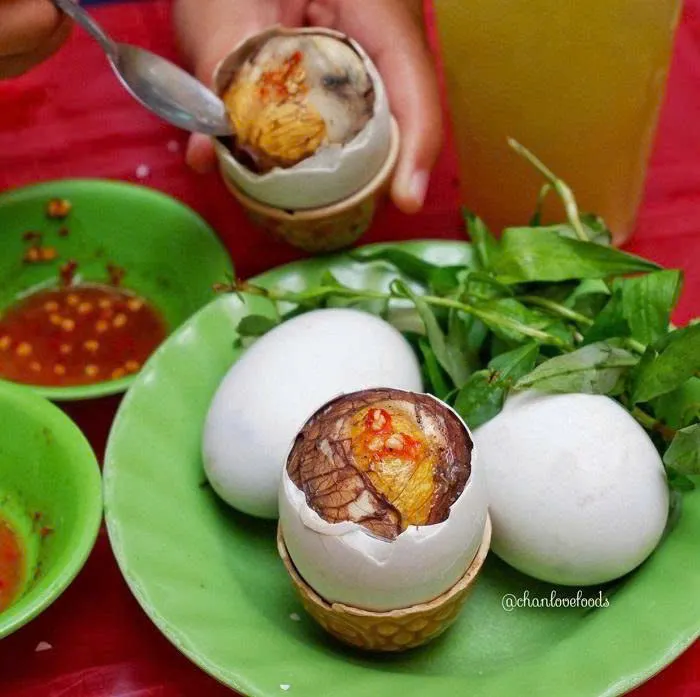
This is "serious" street food. Eaten mostly at night, Hột vịt lộn (fertilized duck egg) is a rich source of protein. It is served with salt, pepper, lime, and a handful of pungent Vietnamese coriander (rau răm).
It’s a ritualistic meal. You crack the top, sip the savory broth inside, and then eat the rest with a small spoon. It’s one of the most iconic things to eat when exploring what to eat at Ho Chi Minh.
- Where to eat: Hot Vit Lon Hoang Vân
- Address: 2b Ban Co Street, District 3
- Price: ~10,000 VND per egg
15. Chè Xe Đẩy (Sweet Soup Carts)
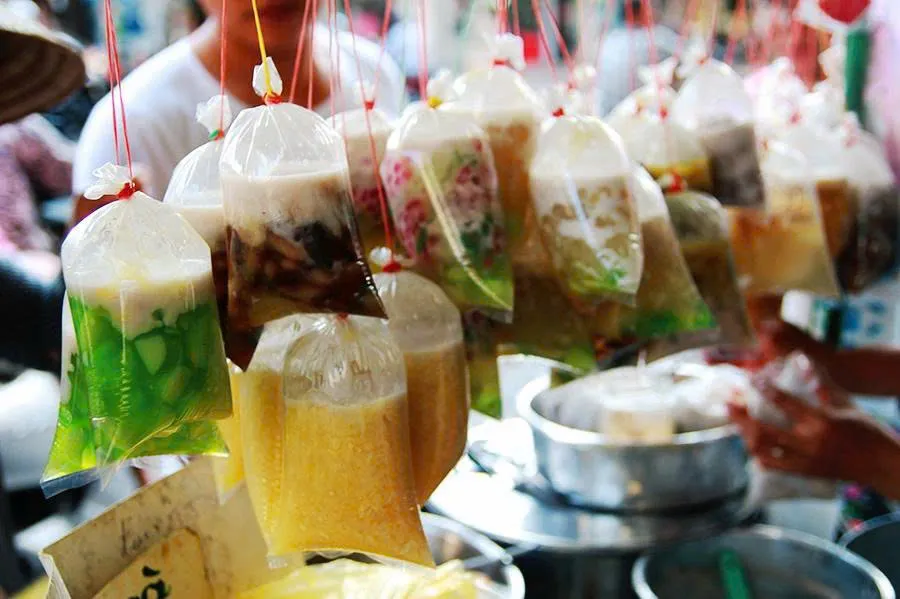
Finally, there is Chè. Not quite a dessert, not quite a meal, Chè is a "pause." Whether it’s black bean soup with coconut milk or ginger-infused rice balls, these sweet treats are sold from silver pots on the back of bicycles.
It’s the perfect way to cool down in the tropical heat or warm up on a rare rainy evening.
- Where to eat: Quán chè Hà Ký
- Address: 138 Chau Van Liem Street, District 5
- Price: ~15,000 VND
Final Note: How to Experience Saigon
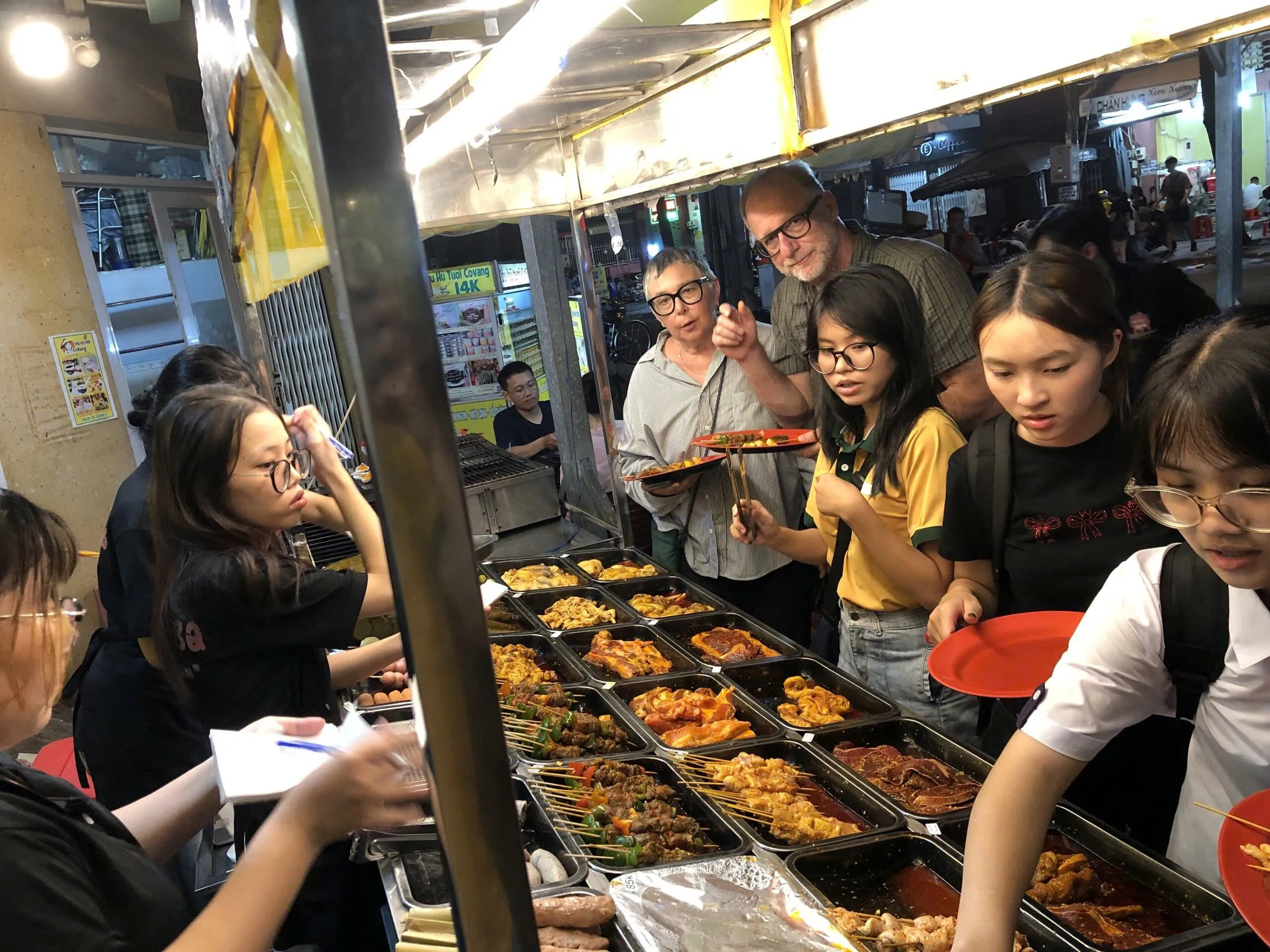
If you want to truly see this city, you have to get off the tour bus. You have to be willing to sit where the locals sit, breathe the exhaust fumes of a passing Honda Cub, and eat things that don't have an English translation.
Saigon street food is a living, breathing thing. It’s the heartbeat of the city. As Bourdain once said about Vietnam: "It seemed like another planet; a delicious, valid planet that wouldn't bit by bit eat your soul... it would instead, fill it."
Ready to taste the real Saigon?
Don't just read about it - experience it. If you want to dive deep into the alleys of district one and beyond without getting lost, a Vespa A Go Go street food tour is the most authentic way to move. We’ll take you to the spots even the GPS can’t find.
Other tips
- Authentic American and Mexican Restaurant in Saigon
- Chinese Restaurant in Saigon
- Breakfast Food Vietnam: How Locals Really Eat in the Morning (And Why Fast Food Failed)
- The Vietnamese Duck Egg Craze: Why This Delicacy Reigns Supreme in Vietnam
- Popular Vietnamese Snacks: 21 Street Eats You Can't Miss
- What is Vietnamese Broken Rice? History & Best Spots in Saigon
- Vietnamese Bun Rieu: The Ultimate Insider’s Guide to Vietnam’s Famous Crab Noodle Soup
- Hu Tieu Noodles: The Ultimate Guide to Saigon's Secret Soul Food
- 15+ Best Pho in Ho Chi Minh City (2025 Update)
- Common Questions for Vietnamese Food: Safety, Dietary Needs, and Tips for Travelers
- A Saigon Insider's Guide to the 20 Best Coffee Shops You Can't Miss in 2025
