 Email: support@vespaagogo.com

Saigon Travel
New Ward Ho Chi Minh City
2026-03-31
Welcome, wanderlust souls! If you are holding an old vietnam saigon map to plan your city exploration, you might get a bit lost. Ho Chi Minh City just underwent a historic administrative boundary "makeover" spanning from 2023 to 2030.
This massive restructuring didn't just create a mega-city by merging with Binh Duong and Ba Ria - Vung Tau provinces , but it also gave birth to a series of new wards, heavily searched by international tourists under the keyword new ward Ho Chi Minh City. So, let's start up the Vespa and update these exciting changes on your travel itinerary right away!
The Old Days: Why Did the Map Need a Makeover?
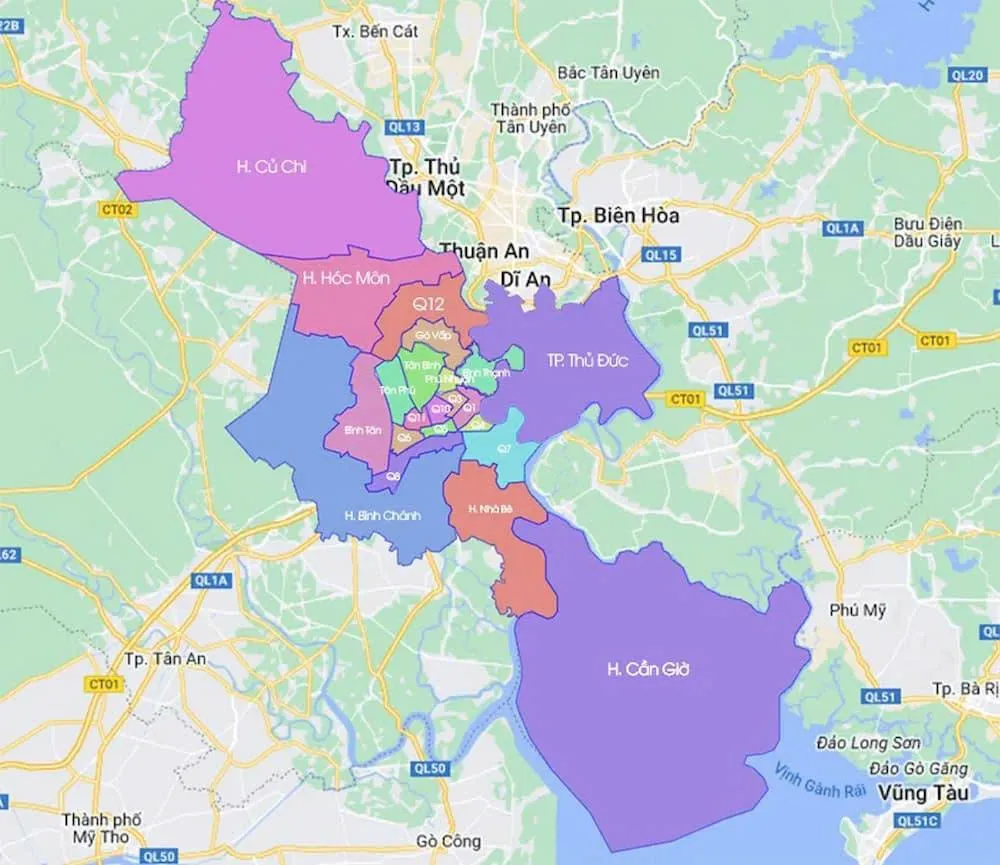
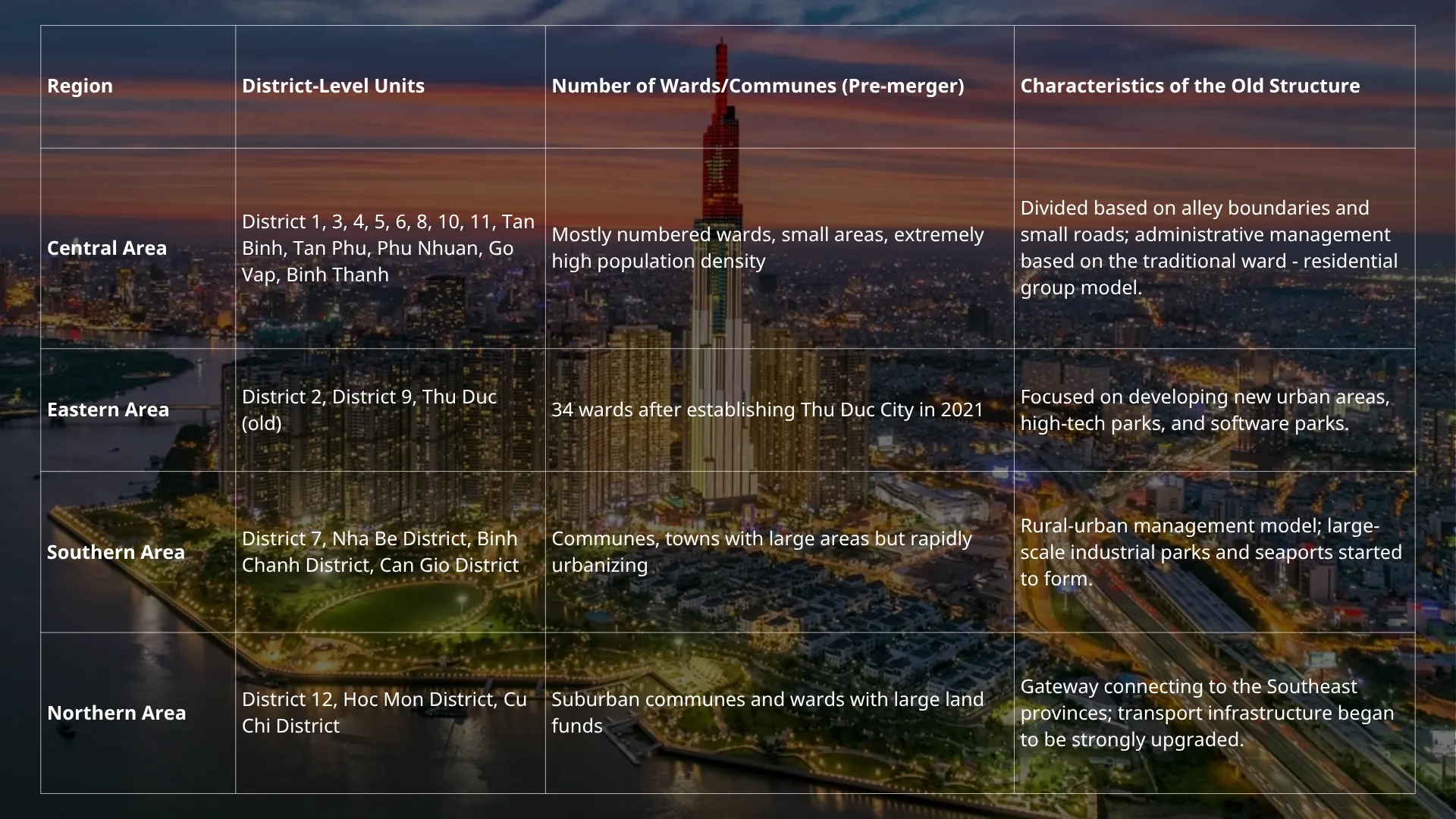
Before this major update, the city operated on a structure established decades ago, which heavily fragmented the inner-city areas. Up until 2021, the city consisted of 24 districts (19 urban and 5 suburban districts).
The most characteristic yet "headache-inducing" feature for tourists was the "numbered ward" system. In central areas like District 3, District 4, District 5, and District 10, some wards were incredibly tiny, covering only about 0.11 km2 or 0.18 km2. This excessive division led to bloated administrative systems, high operational costs, and overlapping boundaries that hindered shared infrastructure management.
Table 1: The "Once Upon a Time" Structure Before the Merger
What's Hot About the New Mega-City Map?
Many tourists researching Vietnam often ask, "what ward is ho chi minh city in?" Actually, HCMC is a massive municipality itself, and now it's even more gigantic!
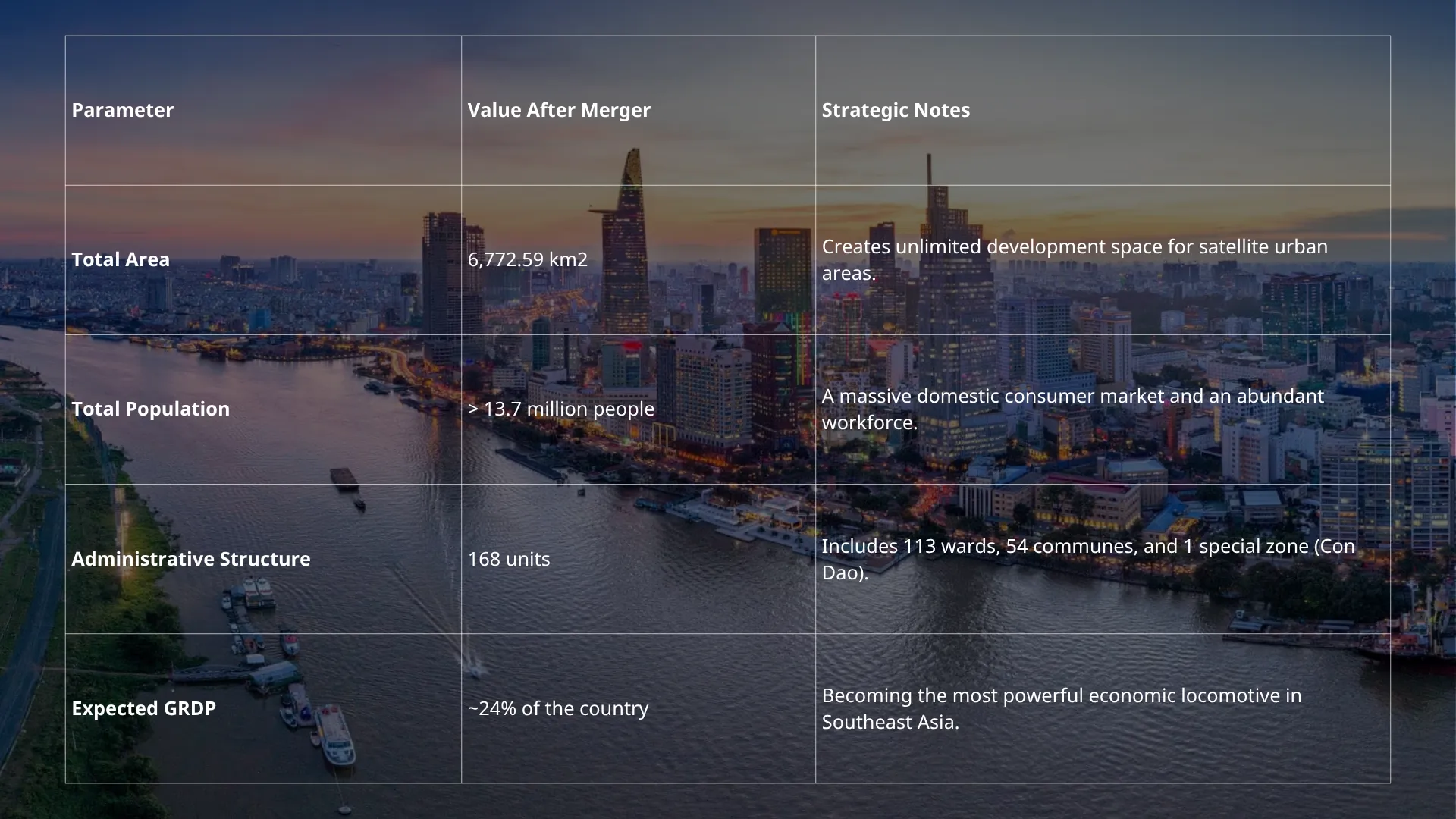
According to Resolution 202/2025/QH15, the entire area and population of HCMC, Binh Duong province, and Ba Ria - Vung Tau province have been merged to form a new mega-city covering over 6,772 km2 with a population of over 13.7 million. Looking at the new map of ho chi minh city , you will see it structured into highly functional belts:
- Central Core (old HCMC): Focused on finance, high-end services, culture, and innovation.
- Industrial Pole (Binh Duong): Becoming a hub for smart manufacturing, semiconductor chips, and domestic logistics.
- Marine Economic Pole (Ba Ria - Vung Tau): Developing the Cai Mep - Thi Vai deep-water port into a global logistics and world-class marine tourism center.
Table 2: Mind-Blowing Specs of the New Mega-City
In the inner-city core alone (the old HCMC area), the 2023-2025 phase streamlined 80 wards across 10 districts to form 41 new wards.
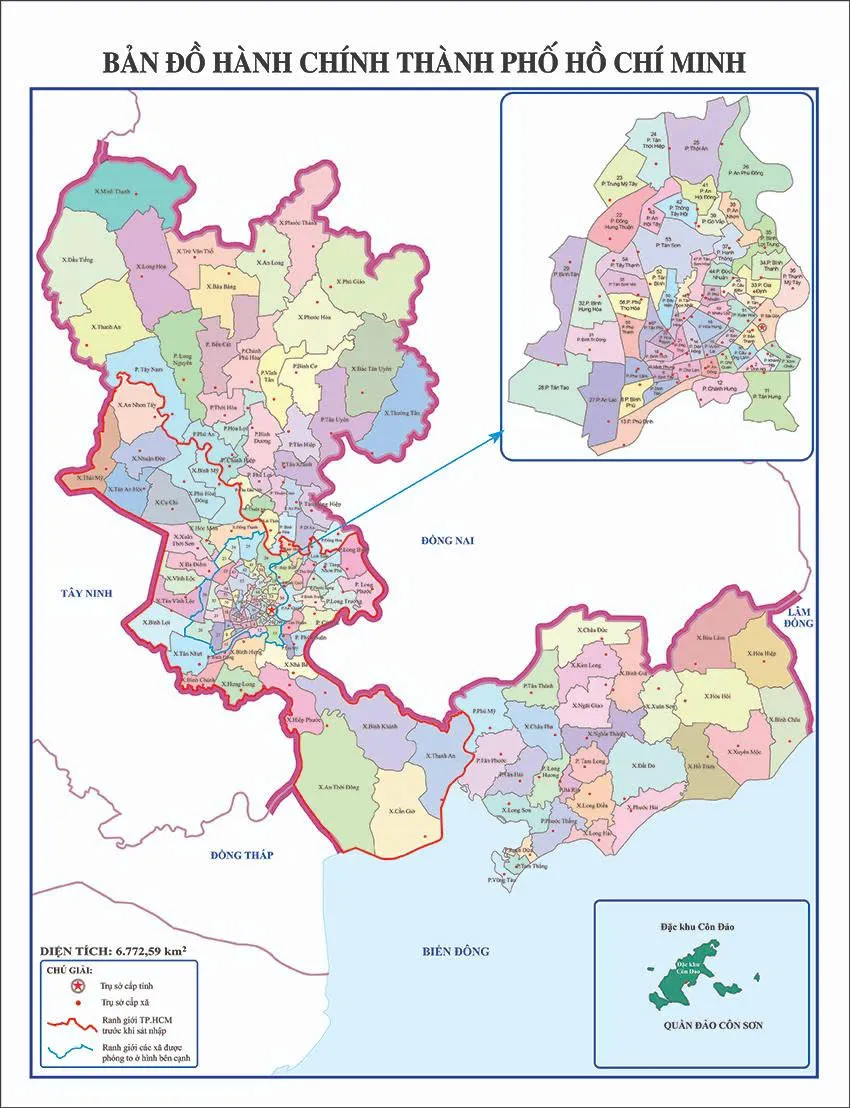
Table 3: Check-in at the Most Notable Merged Wards
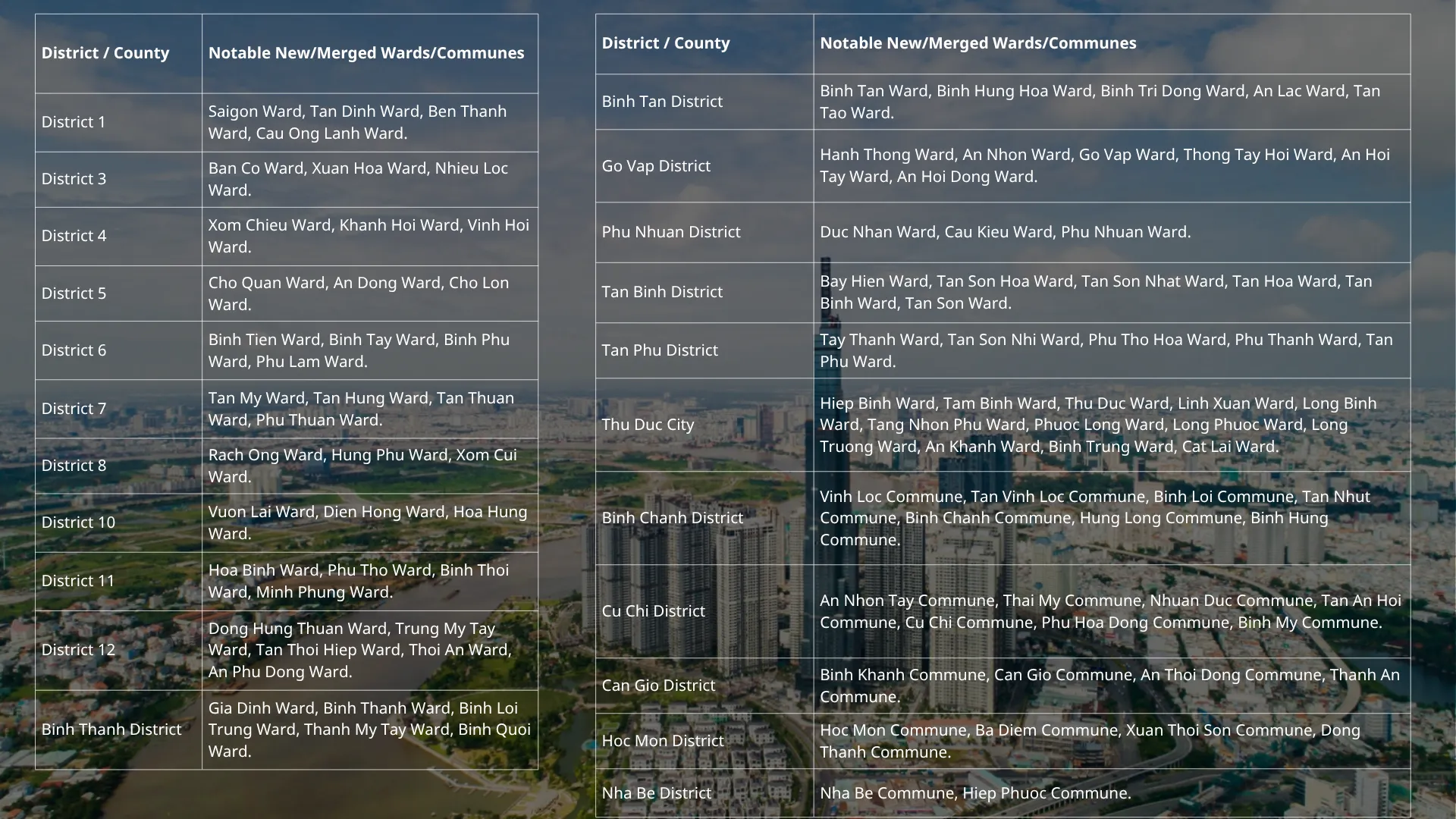
(Note: The table above highlights the most central districts for travelers).
Decoding the Cool New Ward Names
This change isn't merely an administrative fix; it's a long-term strategic vision to unleash economic resources. It simultaneously redefines the urban cultural identity through a meaningful new ward naming system. By discarding soulless numbers, the city restores historical names that carry the profound heritage and memories of the land. Pin these culturally rich coordinates on your map of saigon right now:
Saigon Ward (District 1): The Heart of Heritage and Finance
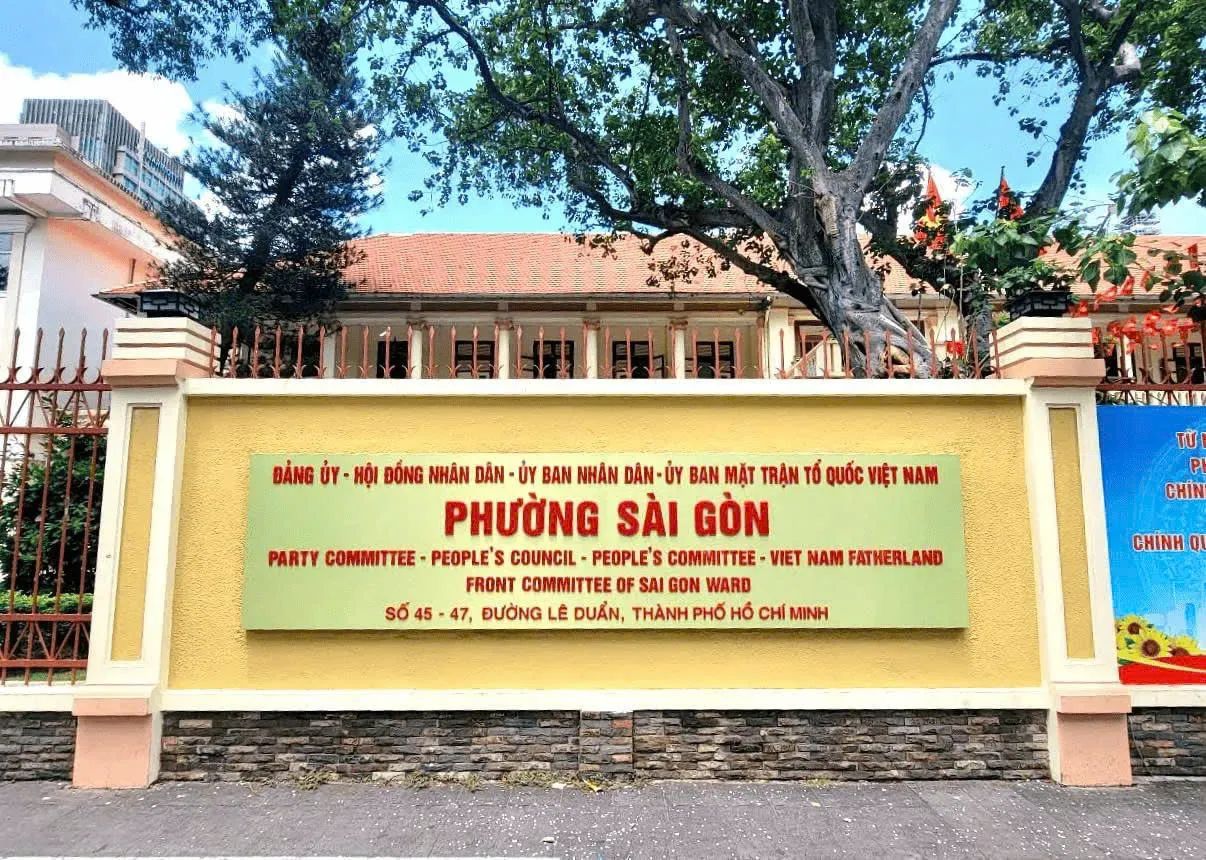
This ward merges the entire Ben Nghe ward, part of Da Kao, and Nguyen Thai Binh ward. Choosing this name is a highly symbolic decision that boldly affirms the area's status as the historical center of the city. For over 300 years, "Saigon" has served as the international moniker for this m etropolis, historically tied to its bustling river wharves and vibrant trading activities. Today, it is a living museum housing iconic architecture like the Notre Dame Cathedral, the Central Post Office, the Opera House, and the City Hall (Dinh Xa Tay). Beyond its historical weight, it is a financial "golden street" boasting some of the highest land prices in the country (exceeding 687 million VND/m2 according to 2024 pricing). In the heart of a modern mega-city, Saigon Ward's ultimate role is to "anchor" the core cultural identity of the land.
Ben Thanh Ward (District 1): The Iconic Core
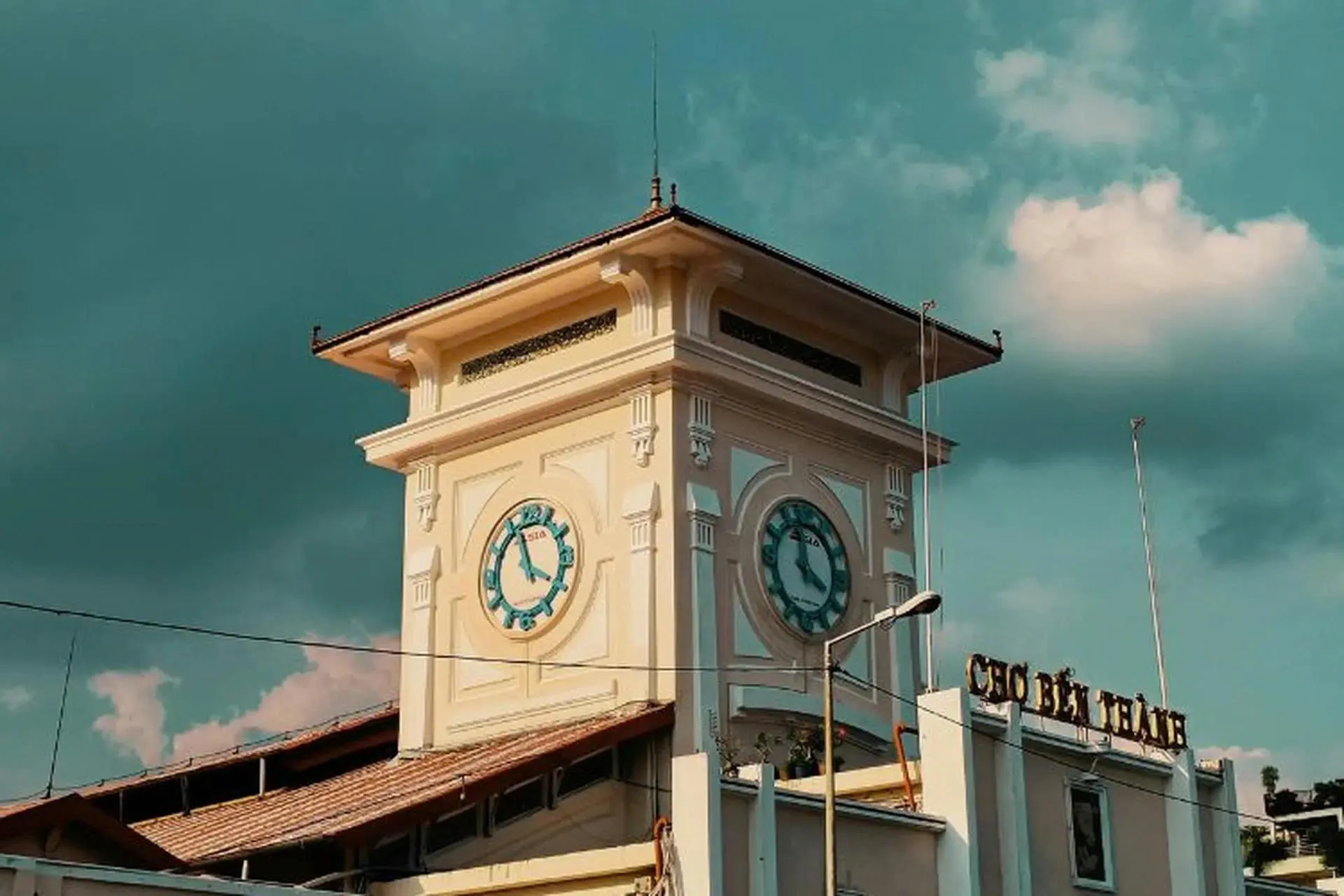
As part of the District 1 restructuring, Ben Thanh Ward emerges as one of the four key consolidated wards. While the administrative boundaries have shifted to accommodate the mega-city's new scale, the iconic Ben Thanh name remains a vital piece of the District 1 puzzle. This is definitely a familiar pit stop for every backpacker wanting to eat their way through the famous market or dive into the bustling downtown nightlife.
Ban Co Ward (District 3): The Political Labyrinth and Alley Cultureư
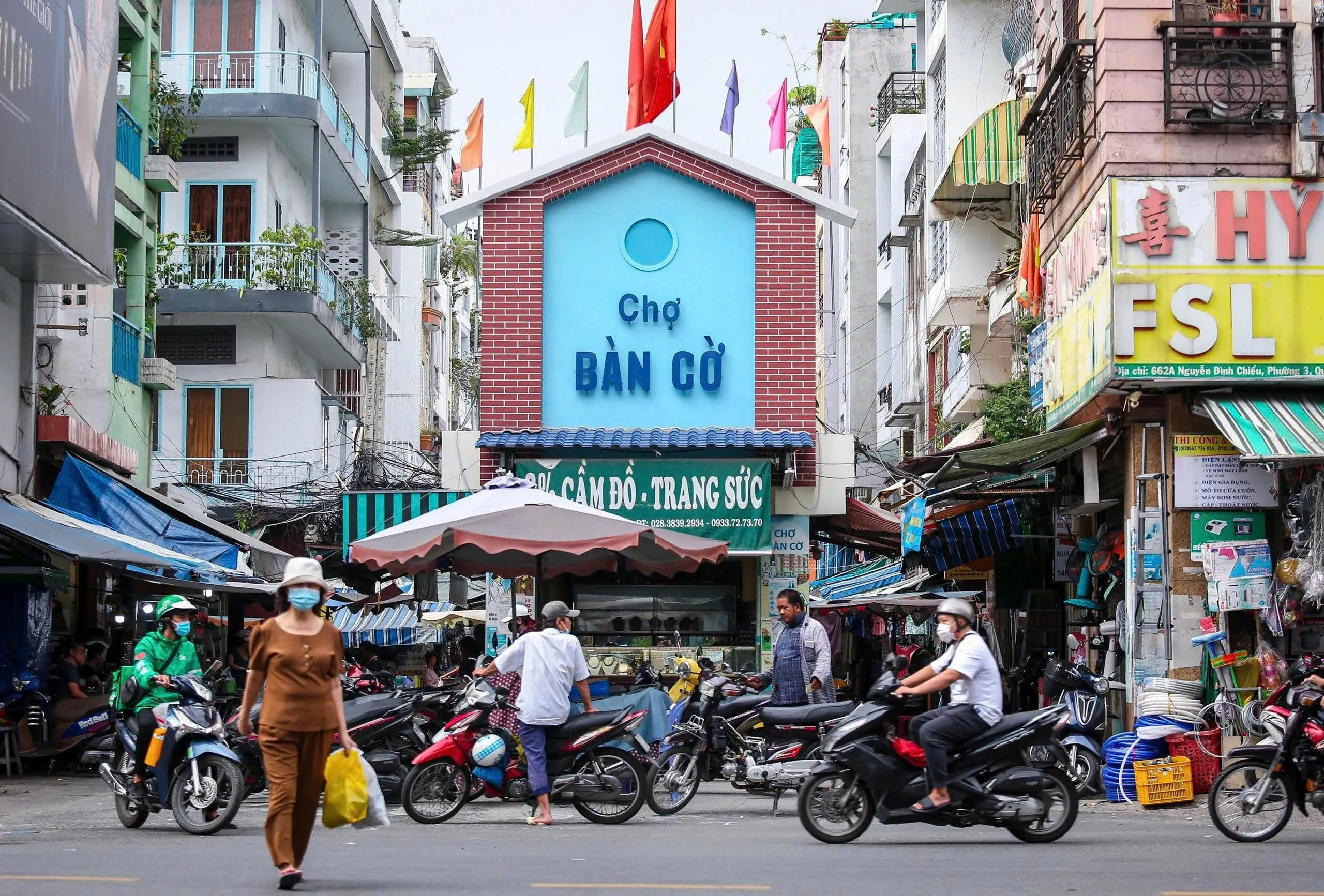
Ban Co is formed by merging the former wards 1, 2, 3, 5, and part of ward 4. True to its name ("Ban Co" translates to chessboard), the unique urban layout features streets and alleys that intersect perfectly at right angles, mimicking a giant chessboard. Digging deeper into its history, this intricate maze-like structure turned the area into a famous "political depression" (vùng lõm chính trị) - a secret revolutionary base where fighters easily hid during the resistance years. Today, it stands as one of the most densely populated wards in the city. It thrives on a vibrant alley economy, and the historic Ban Co Market remains the ultimate destination to experience the traditional street food and authentic lifestyle of old Saigon.
Cho Lon Ward (District 5): The Ultimate Chinese Trading Hub
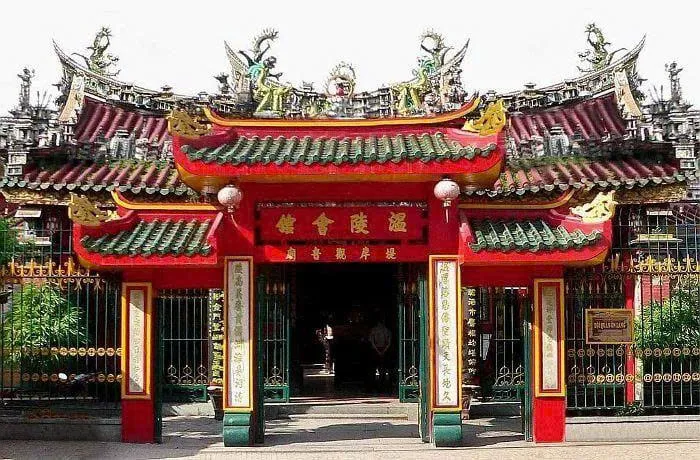
As part of District 5's massive restructuring - which boldly streamlined 14 fragmented wards down to just 3 - Cho Lon Ward officially claims its rightful place on the new map. This naming honors a legendary area historically recognized as the absolute largest trading hub of the Chinese community in Southern Vietnam. If you are a traveler looking for the most immersive, authentic Chinese cultural experience, this is your undeniable epicenter. Pin this coordinate on your map of saigon to dive headfirst into a vibrant, chaotic world of bustling wholesale markets, stunning heritage assembly halls, and the best traditional roast duck and dim sum the mega-city has to offer.
Bay Hien Ward (Tan Binh District): The Central Vietnamese Oasis
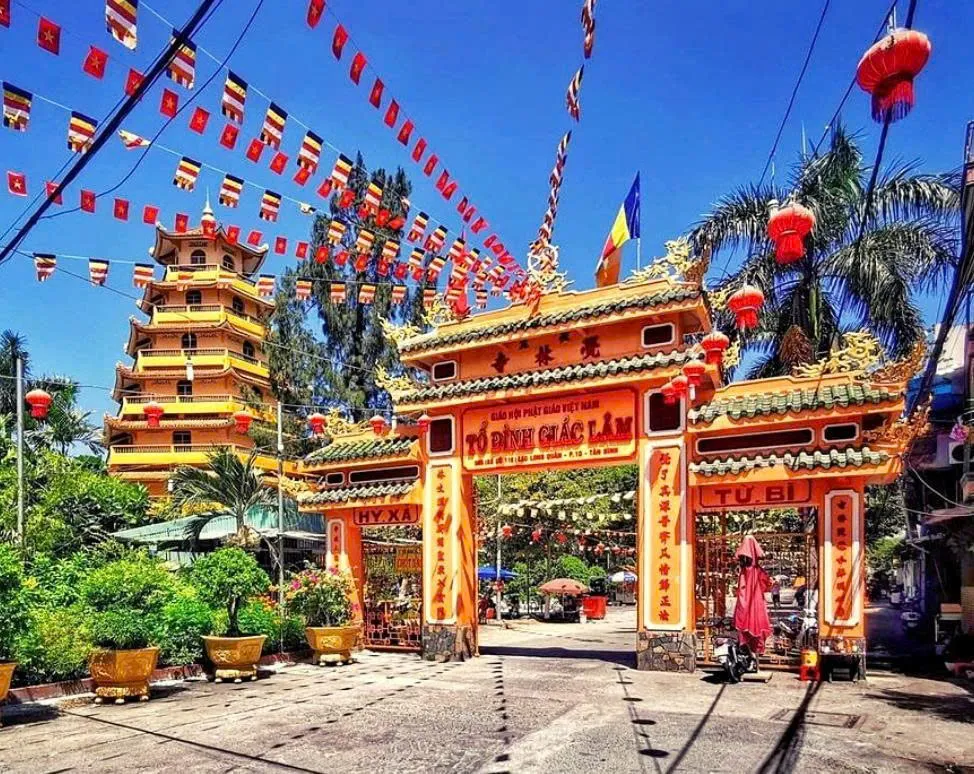
Bay Hien is established by merging wards 10, 11, and 12. This ward is named after the historic Nga tu Bay Hien (Bay Hien Crossroads), which honors Mr. Tran Van Hien - a wealthy local figure who generously donated land to build a market and pagoda in the early 20th century, sparking the area's development. Today, it serves as a fascinating cultural "oasis" for Central Vietnam within Saigon, heavily populated by migrants from Quang Nam province. During the 1960s and 1970s, this neighborhood was the celebrated textile capital of Southern Vietnam. Anchoring its historical significance is the Giac Lam Pagoda, one of the city's oldest temples with over 260 years of history, standing as a silent witness to the land's evolution.
Conclusion
In short, the new ward Ho Chi Minh City updates are far more than just new names on a map. They represent a symbol of ambition, sweeping away old barriers to create a more civilized, modern living space that is richer in identity for its 13.7 million residents. Grab your backpack, open your updated map, and let the adventure in this newly revitalized mega-city begin!

Anh Pham - General Manager
After exploring Ho Chi Minh City (or Saigon, as I love to call it) on a motorbike for over 10 years, these streets feel like my playground. I believe the best travel moments happen when you discover something unexpected. My goal is simple: to share my favorite parts of the city with you, so you can experience the real, everyday magic of my home.
Other tips
- Tailored Tour District 3 Ho Chi Minh
- Tailored Tour District 1 Ho Chi Minh
- New Ward Ho Chi Minh City
- Ultimate Guide to Every Hidden Gem in Ho Chi Minh City
- International Women's Day Vietnam 2026
- Best Beaches Near Ho Chi Minh City: Distances, Transport & Where to Stay
- Lunar New Year in Ho Chi Minh: What Tourists Need to Know Before Tet 2026
- Saigon During Tet
- Valentine in Vietnam 2026
- Best Travel Agency in Ho Chi Minh City Vietnam
- Can Gio Mangrove: The Definitive Expat Guide to Saigon’s "Green Lungs"
