 Email: support@vespaagogo.com

Vietnam Travel
Where is Mekong? A Guide to Cai Be Floating Market & Is It Safe to Visit Mekong Delta?
2025-12-15
If you’ve ever imagined Vietnam beyond its buzzing cities, picture this: quiet canals lined with coconut palms, long wooden boats slicing through a morning fog, vendors calling out from floating markets at sunrise, and a pace of life that hasn’t changed in generations. That’s the Mekong Delta of Vietnam, a region woven from rivers, orchards, and communities that live by the rhythm of the water.
And if you’re starting from Saigon, you’re closer than you think. This guide breaks down everything you need to know about traveling from Ho Chi Minh City to the Mekong Delta in 2025, including distances, transportation options, tours, regional highlights, safety essentials, and insider insights that locals typically share. Whether you're planning a day trip, a homestay, or a multi-day adventure, this is your complete field guide.
Where Is the Mekong Delta in Vietnam? A Brief, Insider Introduction
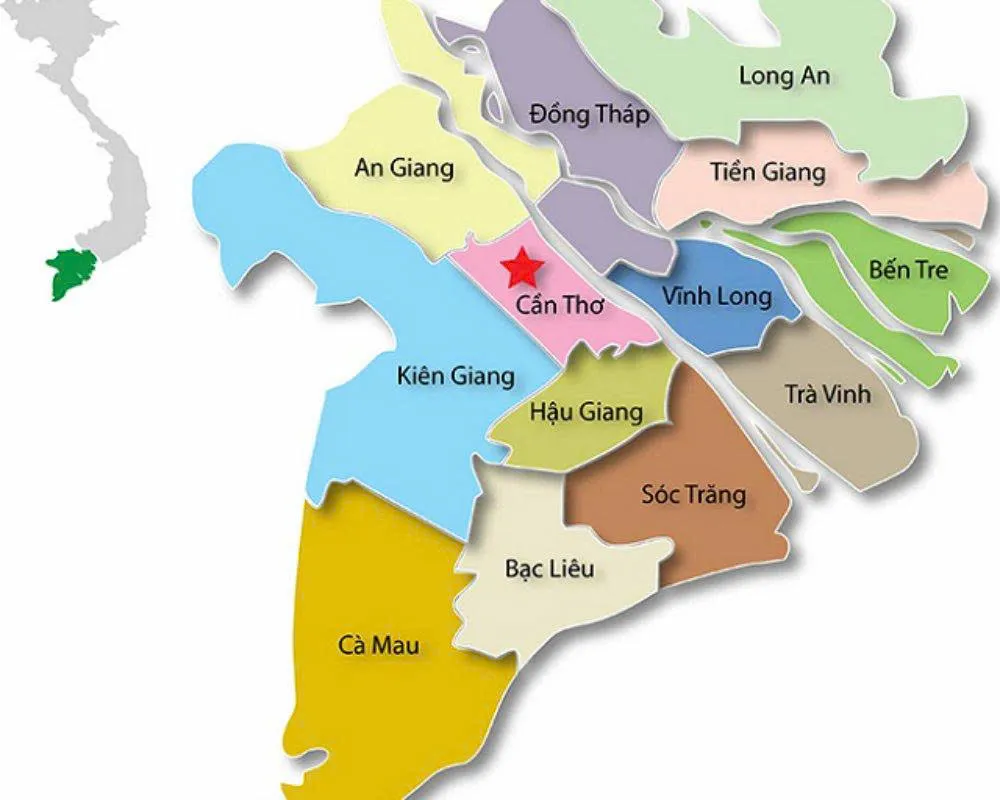
Stretching across the southernmost part of the country, the Mekong Delta of Vietnam, known locally as Đồng bằng Sông Cửu Long, which was literally translated to “The Delta of the Nine Dragons”, is a vast river basin fed by one of the world’s great waterways: the Mekong River. After its 4,350 km journey through six countries, the river splits into nine distributaries before emptying into the East Sea. This is why locals call it the “Nine Dragon River.”
What defines the Mekong Delta isn’t just the water, it’s the life the water sustains. Villages rise and fall with the tides. Orchards thrive on the rich alluvial soil. Floating markets flourish at dawn because boats are highways and homes. The delta is a living tapestry of Vietnamese, Khmer, and Chinese cultures, each adding to its food, architecture, and rituals.
In 2025, the region is expected to continue evolving. Roads and expressways have improved dramatically. Eco-lodges, farm stays, and small family-run homestays give travelers more ways to experience rural life authentically. Climate patterns shift each year, but the spirit of the Mekong: resourceful, gentle, welcoming… remains unchanged.
Distances from Ho Chi Minh City to Mekong Delta Provinces (Closest to Furthest)
Before choosing a tour or planning your own route, it helps to understand the geography. The Mekong Delta includes 13 official provinces, each with its own personality, cultural influences, and landscapes. Travel time determines what kind of experience you can realistically fit into your day.
Below is your province-by-province breakdown, grouped by distance from Ho Chi Minh City.
Group 1: Close-Range Provinces (<2 Hours from HCMC)
Ideal for day trips, beginners, families, and those short on time.
Long An: 30 - 50 km from HCMC

Long An is the Mekong Delta’s doorstep, a gentle introduction to river culture without the long drive. Fields stretch across the landscape, dotted with lotus ponds and small canals. Compared to other provinces, Long An is less developed for tourism, making it ideal for travelers who want a quiet, rural escape with fewer crowds. Cycling paths, rice paddies, and rustic villages define the region, while weekend eco-tourism areas offer family-friendly activities.
Tien Giang (My Tho): ~70 km from HCMC

This is the classic entry point for travelers beginning their journey from Ho Chi Minh City to the Mekong Delta. My Tho serves as the main departure point for most day tours. The famous islands: Dragon, Unicorn, Phoenix, and Tortoise sit right offshore, offering canals, orchards, honey tea tastings, and folk-music performances on a small wooden boat while you’re exploring the area. It's convenient, easy, and tourist-friendly, though not as quiet or authentic as deeper provinces.
Group 2: Core Mekong Provinces (2 - 3 Hours from HCMC)
Perfect for 1-day tour or 2D1N stays.
Ben Tre: ~90 km from HCMC
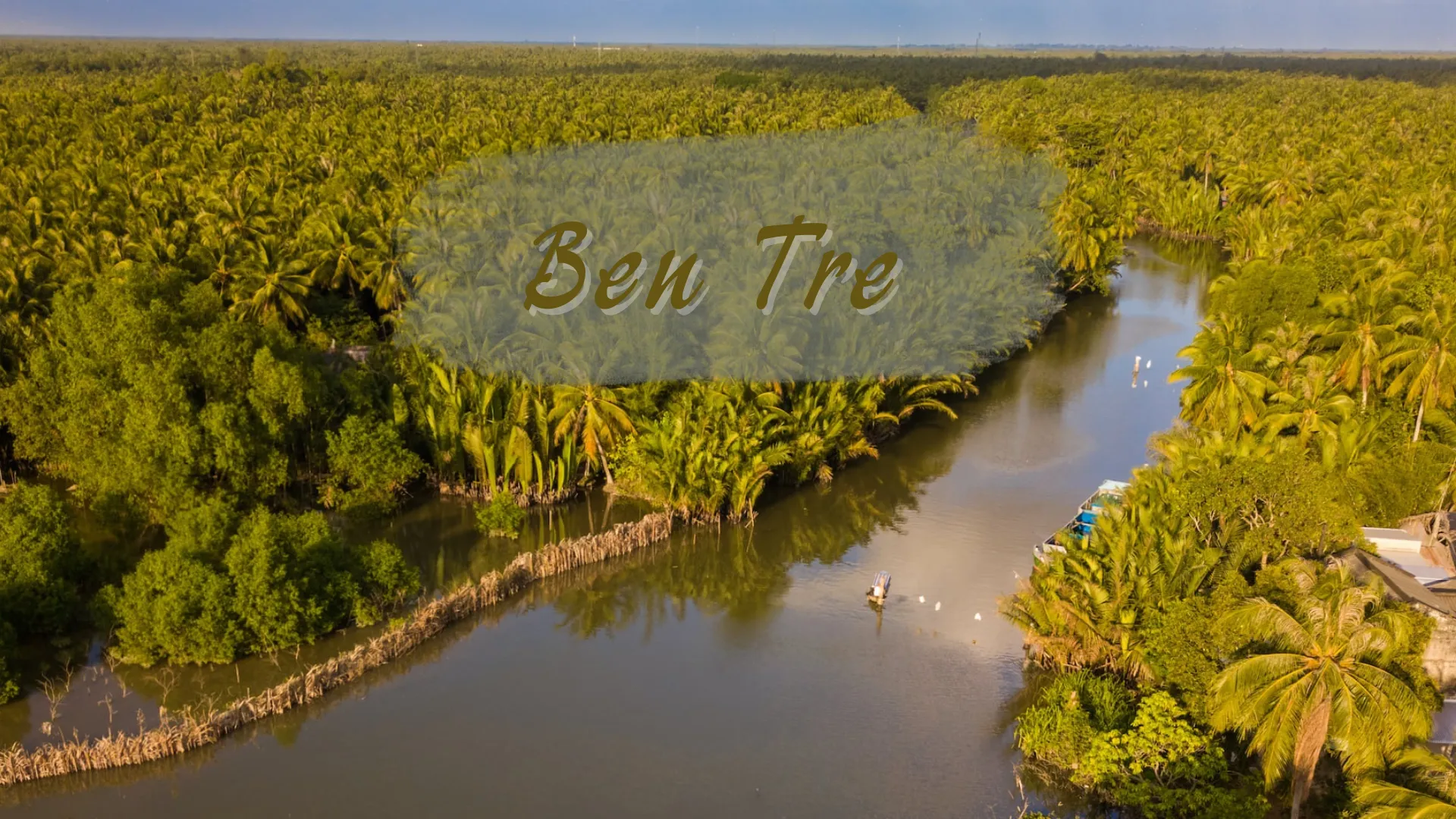
Often called the Coconut Kingdom, Ben Tre is peaceful, green, and full of charm. What makes Ben Tre special is its maze of shaded waterways where boats glide beneath arching coconut palms. It feels more intimate and untouched than nearby My Tho. Visitors love the coconut candy workshops, brick-making villages, and quiet canals that define this serene province. If you want to avoid crowds, Ben Tre is an excellent choice.
Vinh Long: ~130 km from HCMC
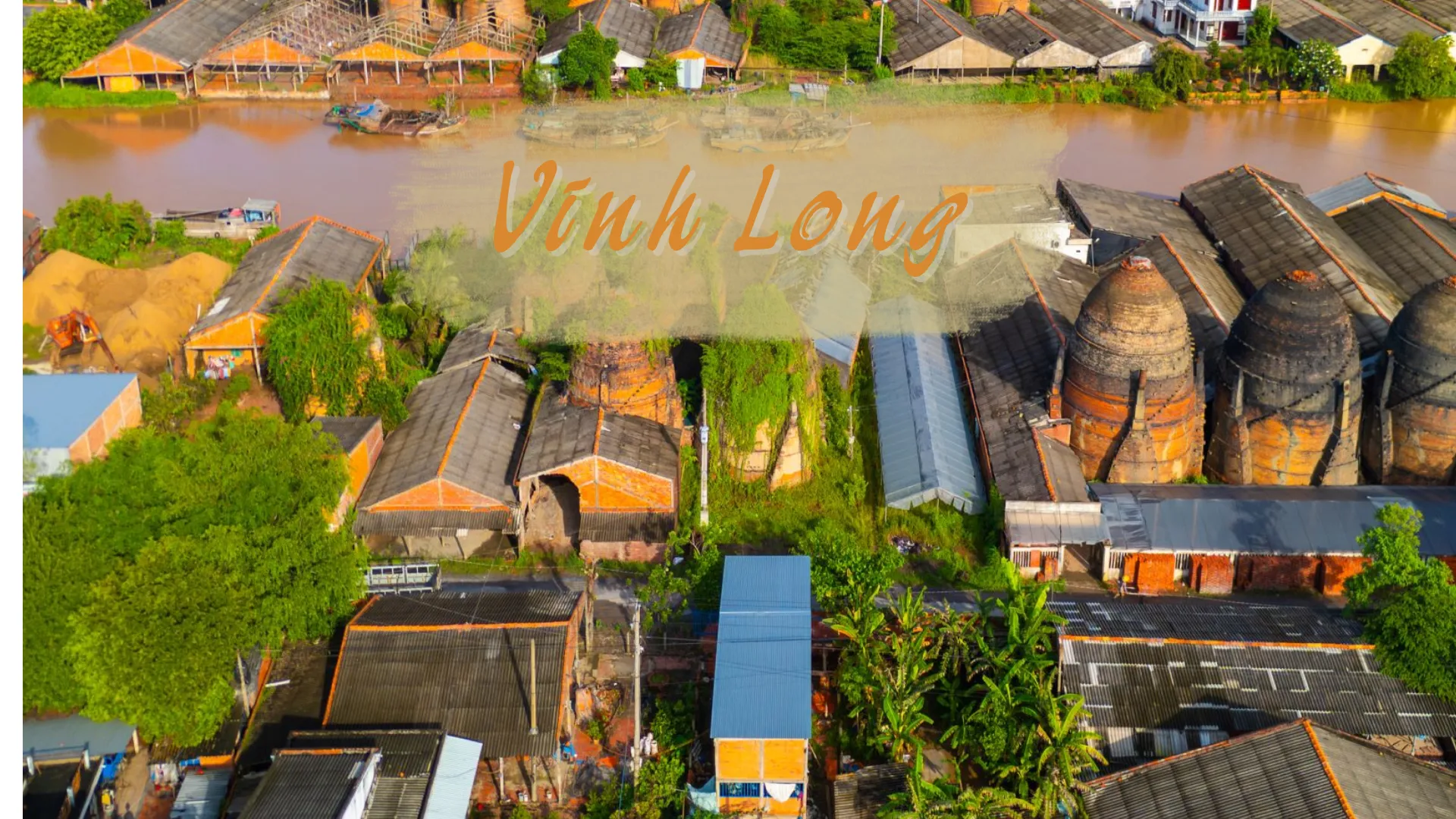
Vinh Long is the gateway to many orchard-filled islands in the middle of the river. Travelers come here for authentic homestays, hands-on cooking classes, pottery villages, and rustic river life. Compared to Ben Tre, Vinh Long has a slightly livelier vibe thanks to its location between Saigon and Can Tho. The pace is local, slow, and warm.
Can Tho: ~170 km from HCMC
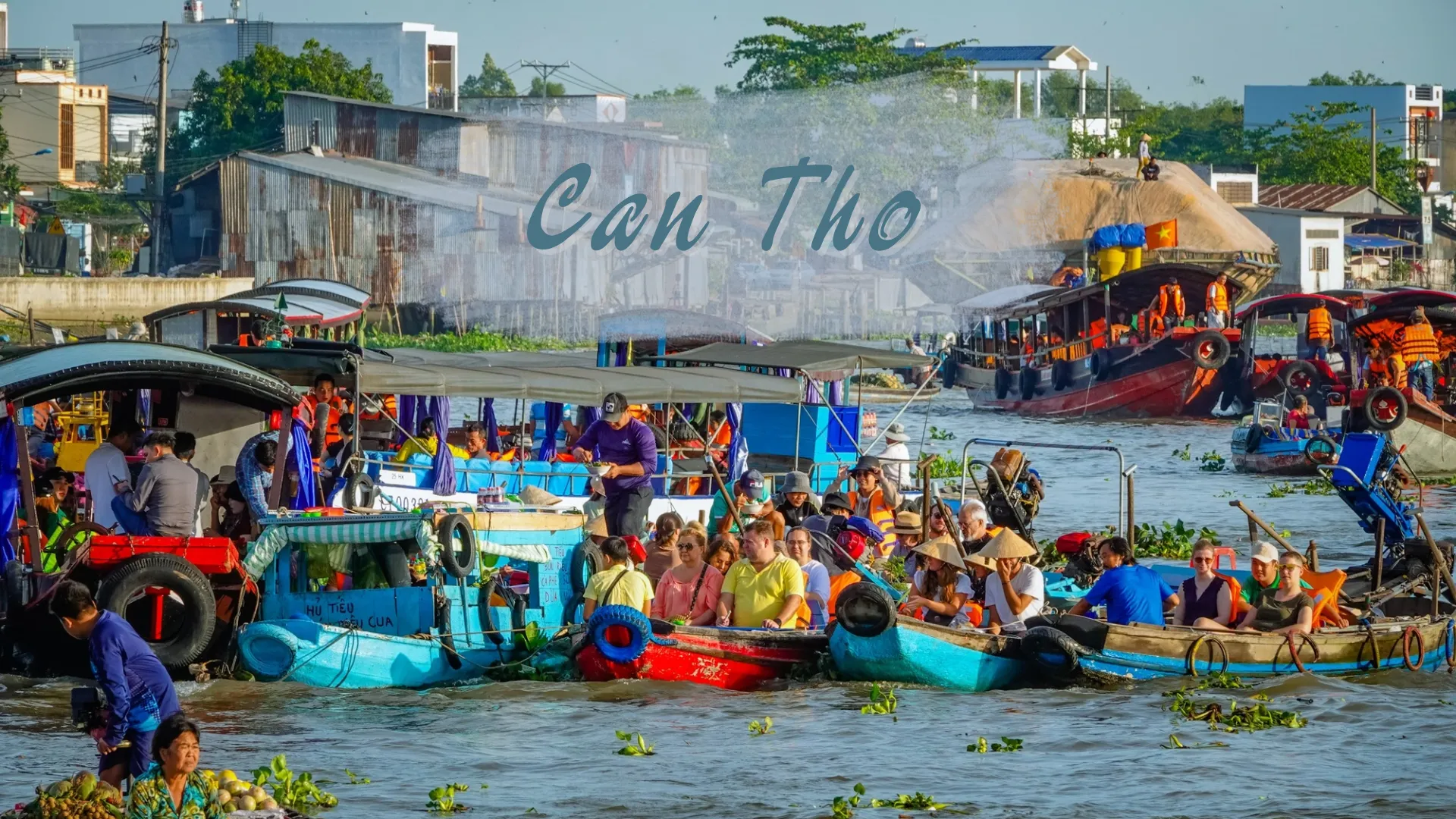
The unofficial capital of the Mekong Delta. It’s modern, vibrant, and home to the region’s most iconic experience: the floating market. Cai Rang and the lesser-known Phong Dien are bustling at dawn with vendors selling fruits, noodles, and coffee from long-tail boats. Can Tho also offers nightlife, night markets, rice paper villages, and riverside promenades. If you want both rural charm and urban comfort, this is your spot.
Group 3: Deep Mekong (3 - 4.5 Hours from HCMC)
Great for 2 - 4 day itineraries, cultural immersion, and nature lovers.
Dong Thap: lotus fields & bird parks
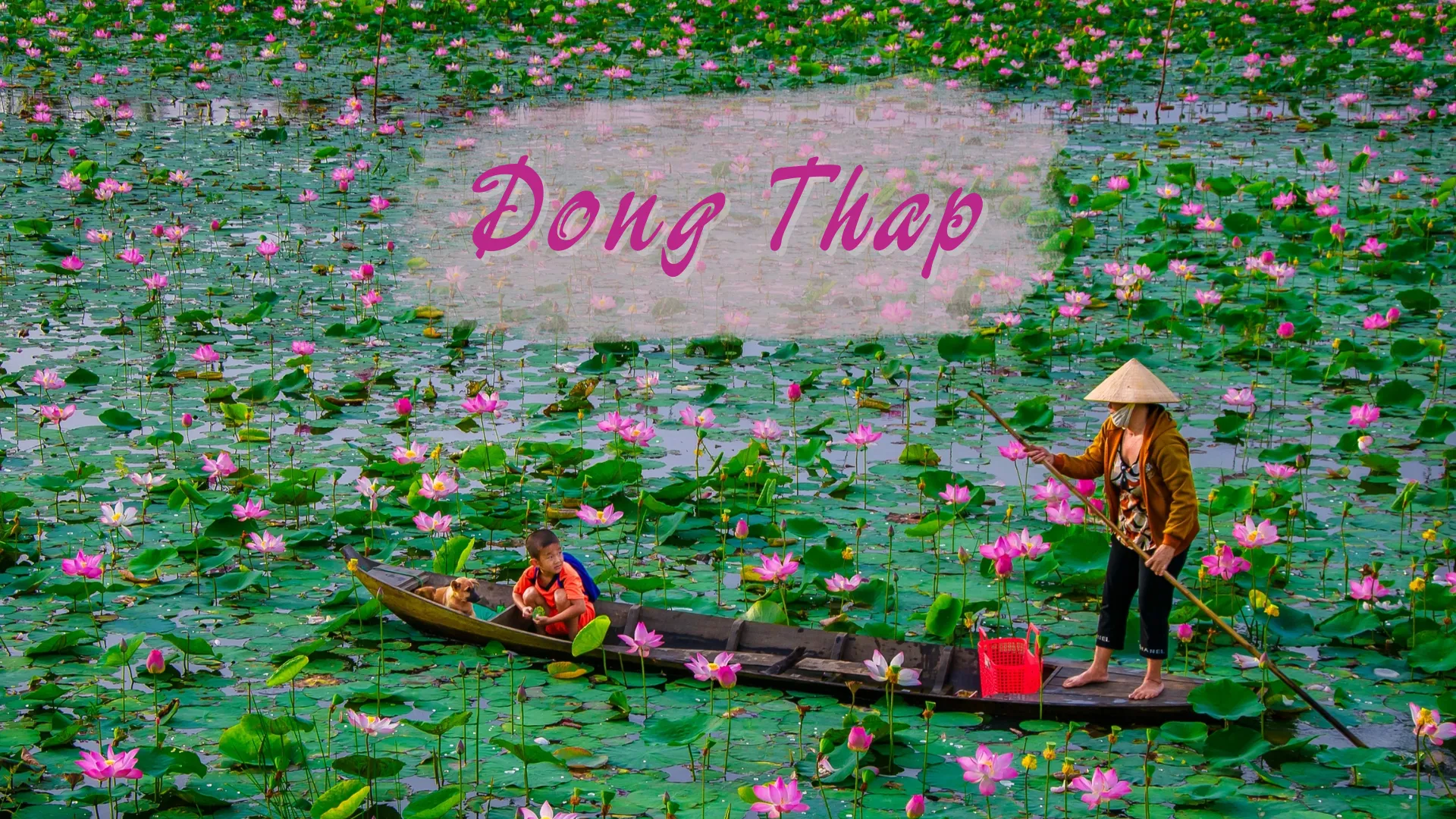
Huge lotus lakes, Tram Chim National Park, and bird sanctuaries make Dong Thap a haven for nature photographers. The province’s slow rhythm and wetlands give a completely different experience from the canal-heavy regions.
Tra Vinh: Khmer cultural heartland
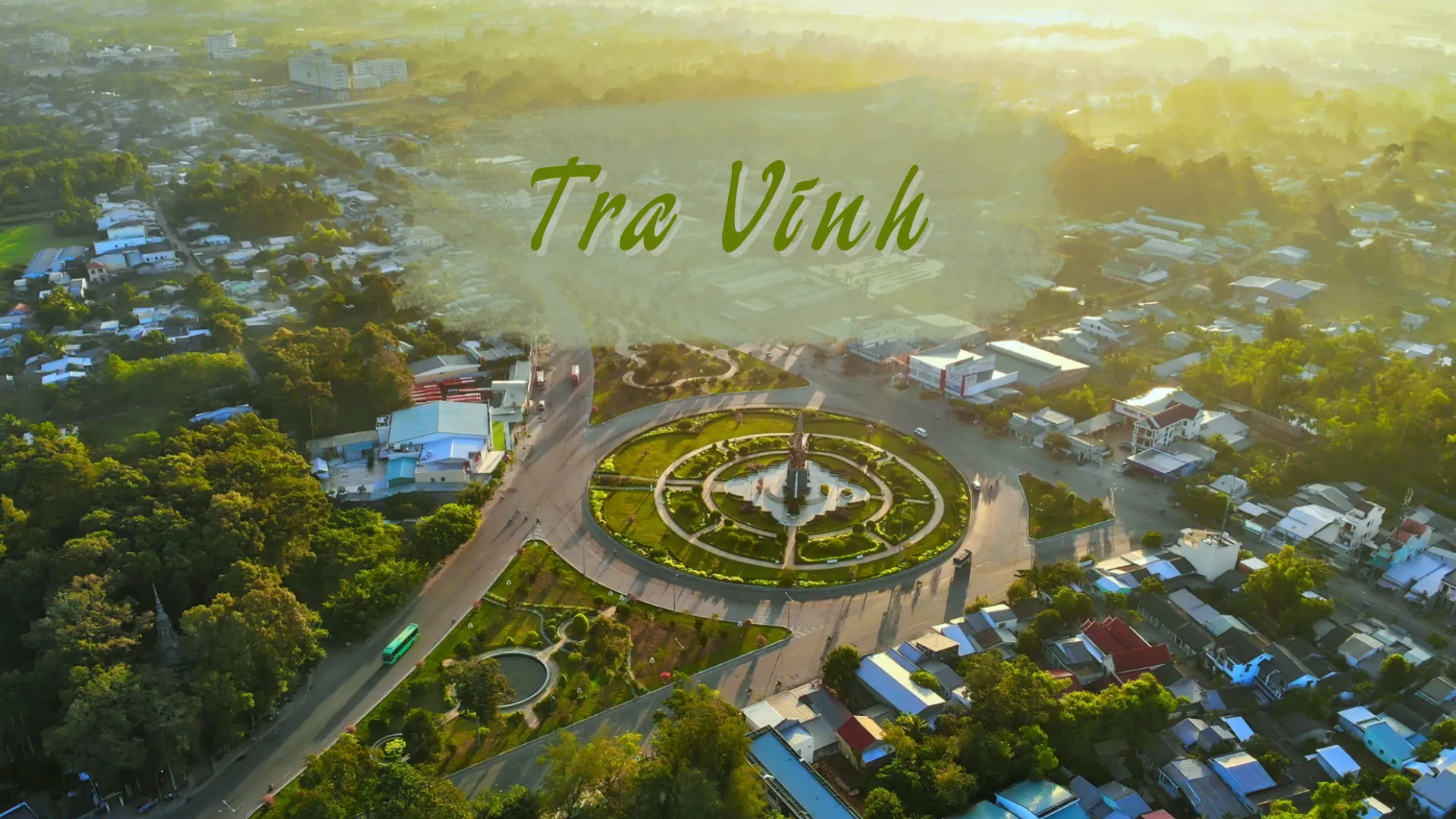
Temples, ancient pagodas, and a strong Khmer community make Tra Vinh culturally rich and distinct. The architecture, festivals, and food here are influenced by Khmer heritage. Travelers who appreciate history and authenticity will find Tra Vinh unforgettable.
Hau Giang: rural simplicity
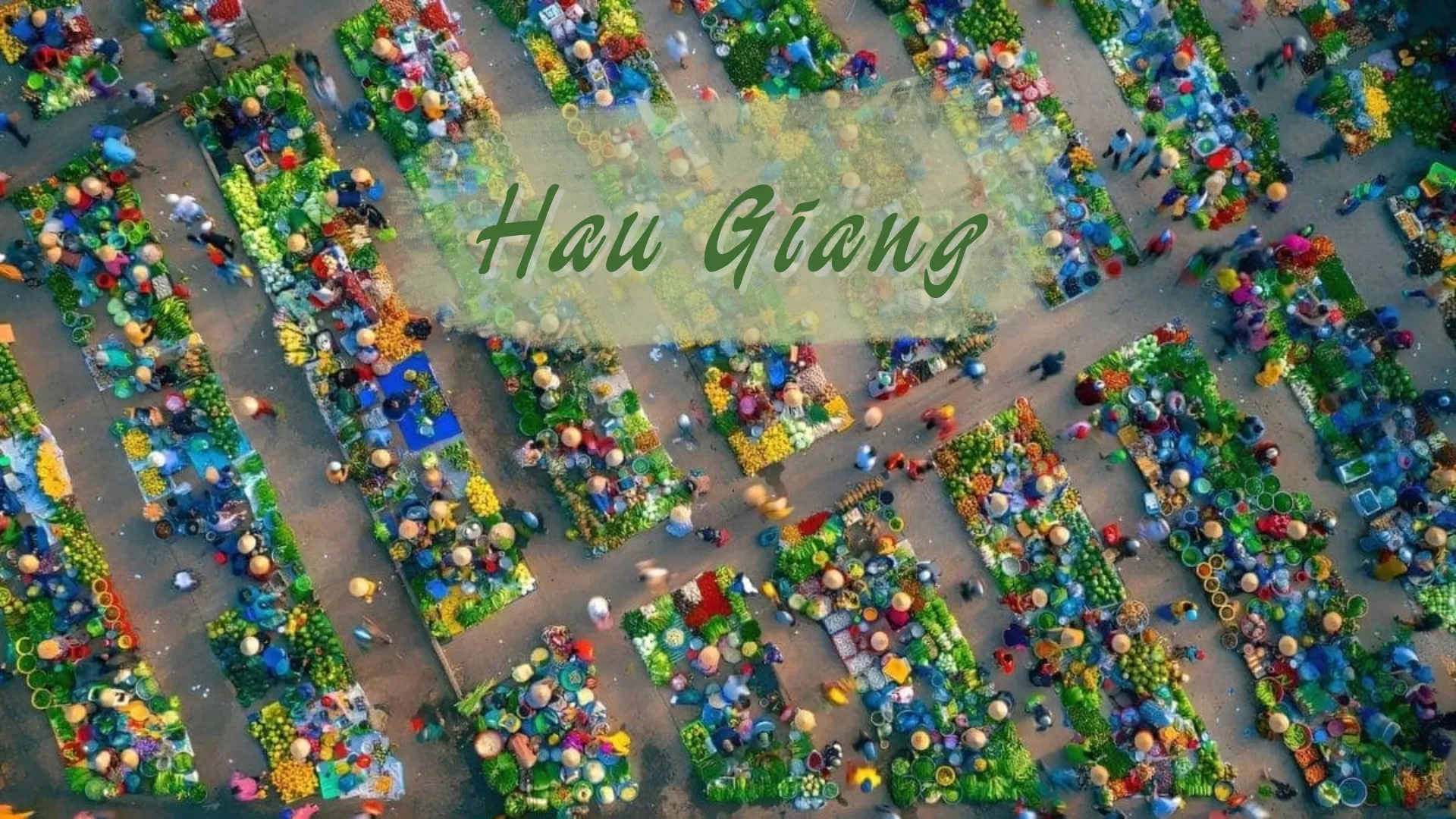
One of the least touristy provinces. Expect quiet backroads, riverside markets, and a deeper look at daily Delta life. Good for long-term travelers who want off-the-beaten-path experiences.
Soc Trang: Khmer cuisine & pagodas
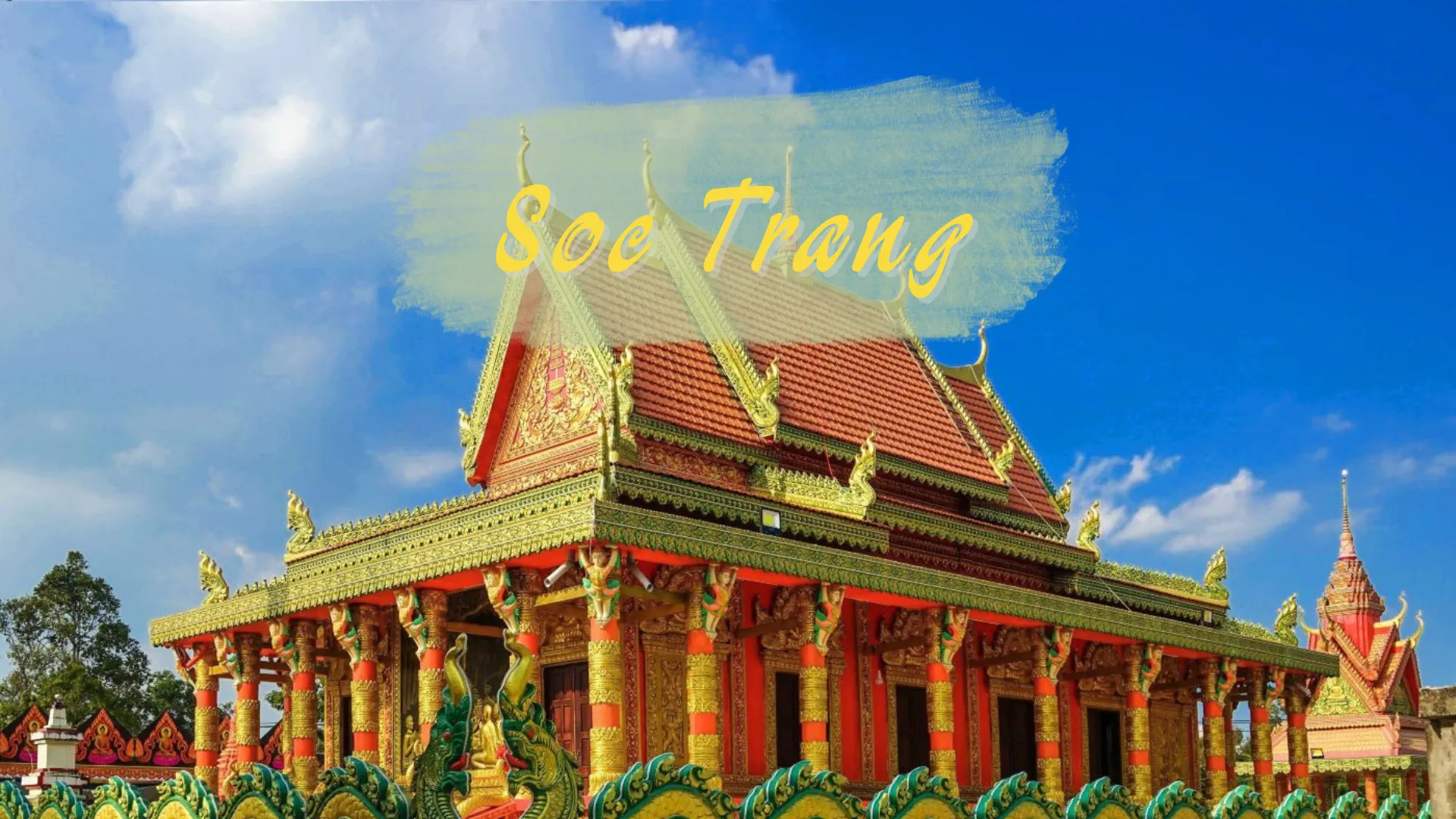
Soc Trang blends Vietnamese, Chinese, and Khmer cultures. It’s home to famous pagodas like Bat Pagoda and Clay Pagoda. The cuisine here is unique: sweet-savory Khmer-style dishes you won’t find elsewhere.
Bac Lieu: wind farm & coastal culture
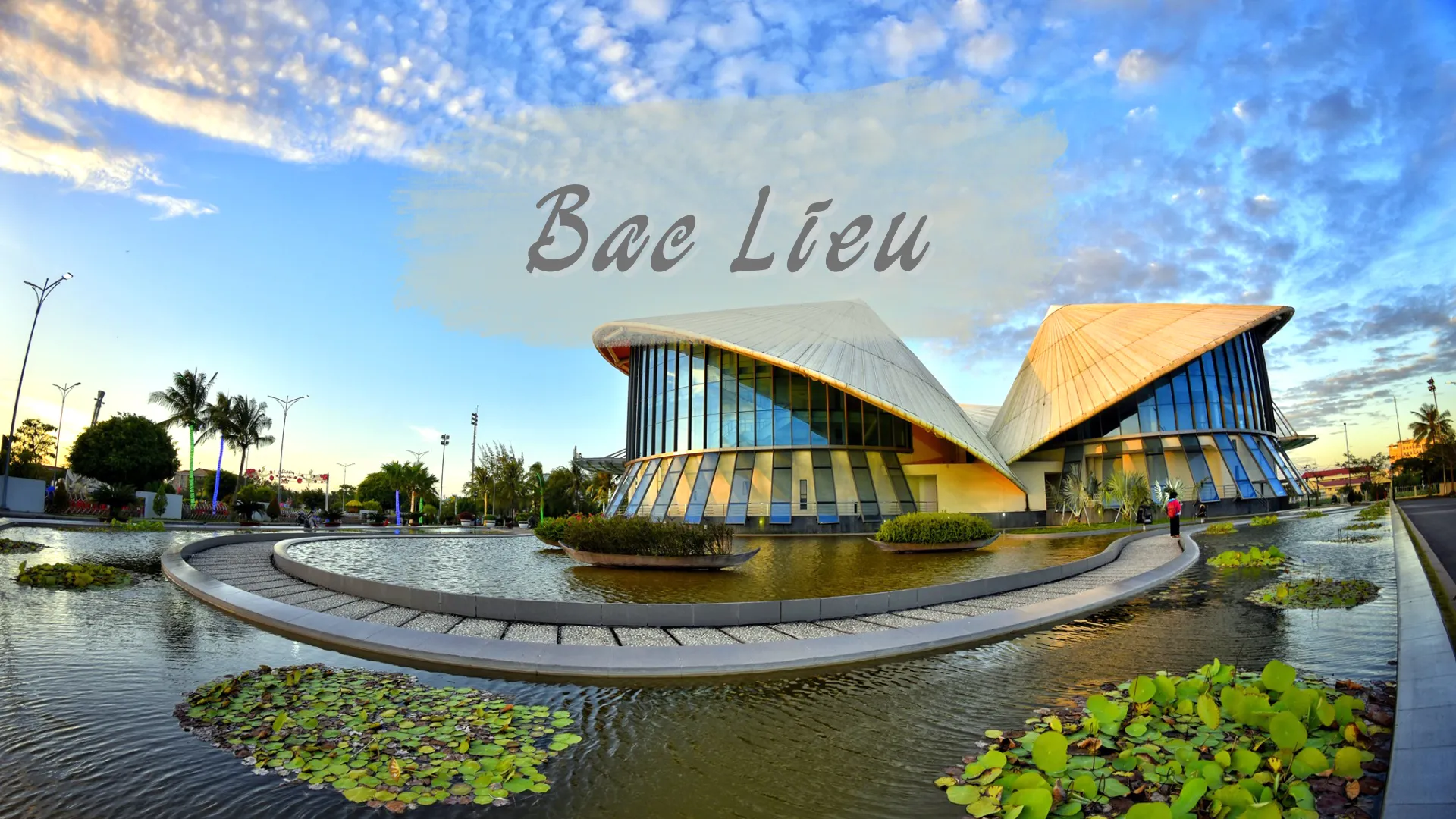
Bac Lieu stands out with its iconic wind turbines along the coast. The province has a mix of rural charm, coastal fishing communities, and historical landmarks.
Group 4: Far South & Gulf Provinces (5 - 7 Hours from HCMC)
Best for 3+ day Mekong Delta expeditions.
Ca Mau: the southernmost point of Vietnam
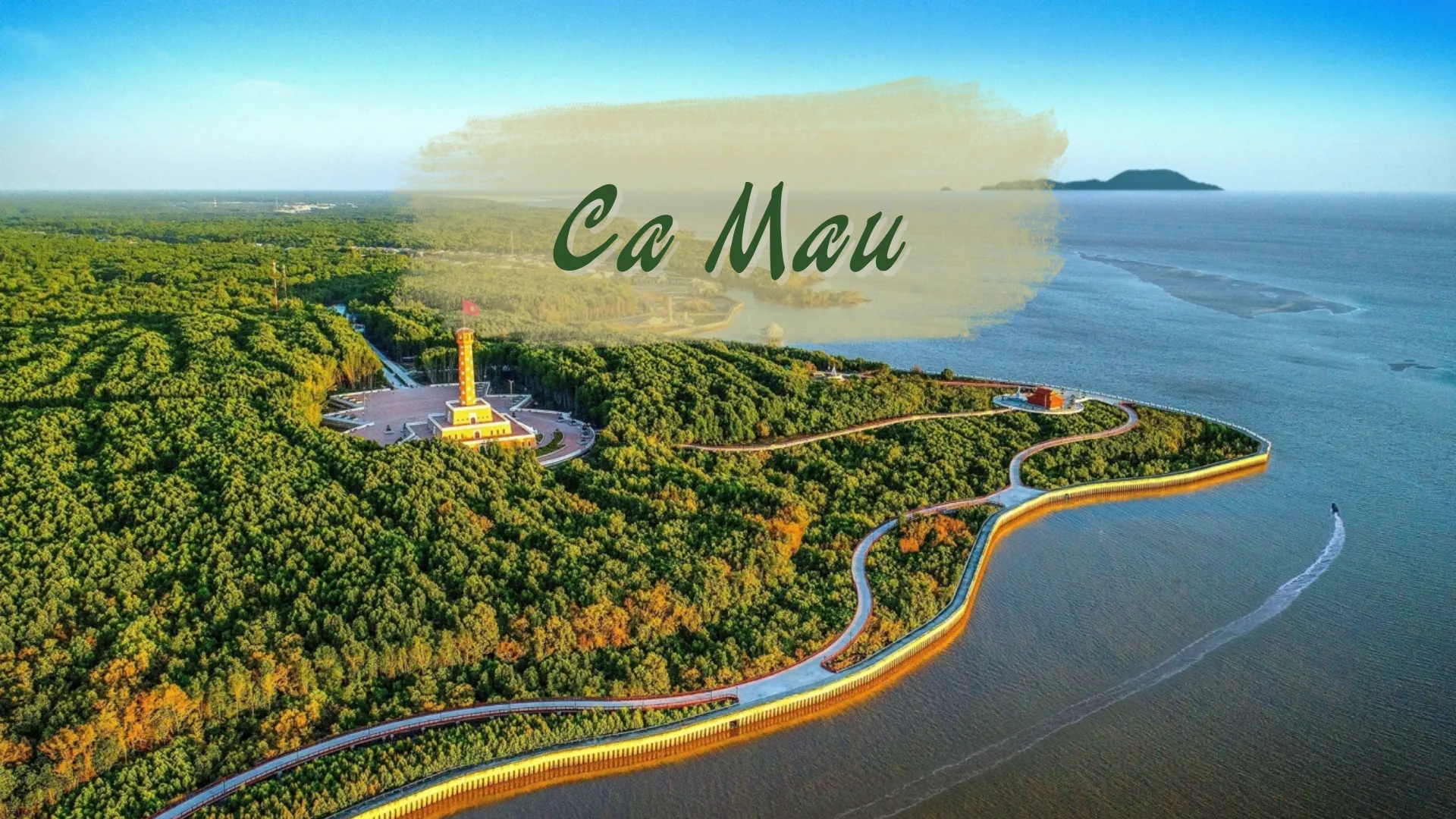
Mangrove forests, national parks, and vast wetlands make Ca Mau incredibly scenic. Nature lovers come here for boat rides into the mangroves and to visit Vietnam’s “land’s end” marker.
Kien Giang: islands & borderlands
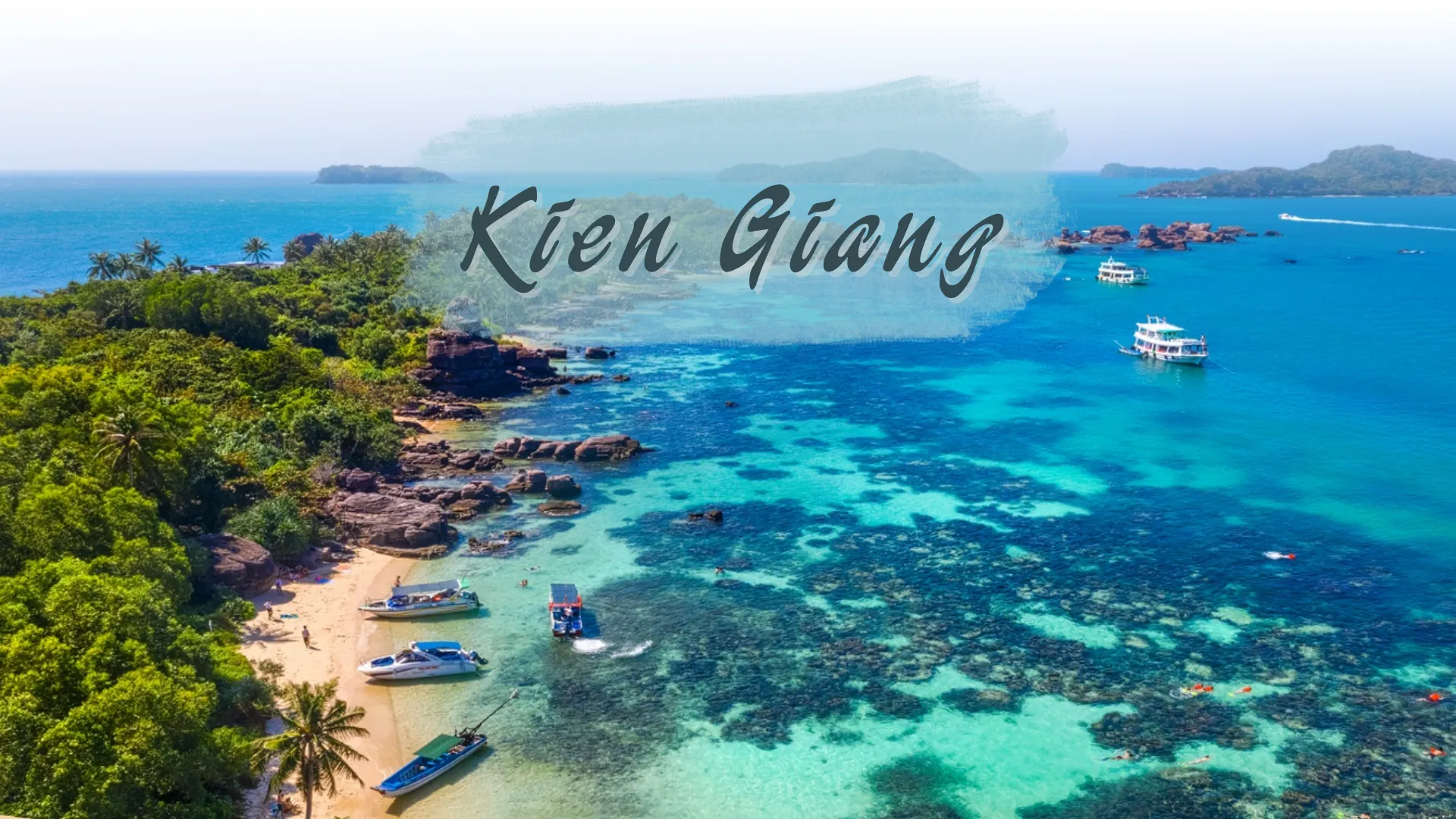
Includes Ha Tien and Rach Gia, the gateways to Phu Quoc, known as the Pearl Island, and Cambodia. Mountains, caves, temples, and coastlines make the landscape here totally different from the central delta provinces.
How to Get from Ho Chi Minh City to the Mekong Delta, Vietnam
There are four main ways to travel south from Saigon. Each offers a different level of comfort, price, and flexibility.
By Motorbike: Freedom!!! (with Caution)
(Adventure Rating: ★★★★☆)

Riding a motorbike from Ho Chi Minh City to the Mekong Delta is exciting but requires confidence. Roads are generally good, especially with the 2025 expressway upgrades, but traffic leaving Saigon can be intense. Once past the outskirts, riders are rewarded with views of rice fields, rivers, and village lanes.
Expect 1 - 4 hours depending on the province you want to go to. Fuel costs are reasonable, and the journey offers unmatched local immersion. However, be prepared for heat, sudden rains, and unpredictable traffic. This is best for experienced riders, not first-timers. And if you decide to ride your own motorbike, make sure the bike is well maintained, you are well prepared and have all the necessary documents for a road trip, including a valid driving license in Vietnam
By Car or Private Transfer: Fastest & Most Comfortable
(Convenience Rating: ★★★★★)
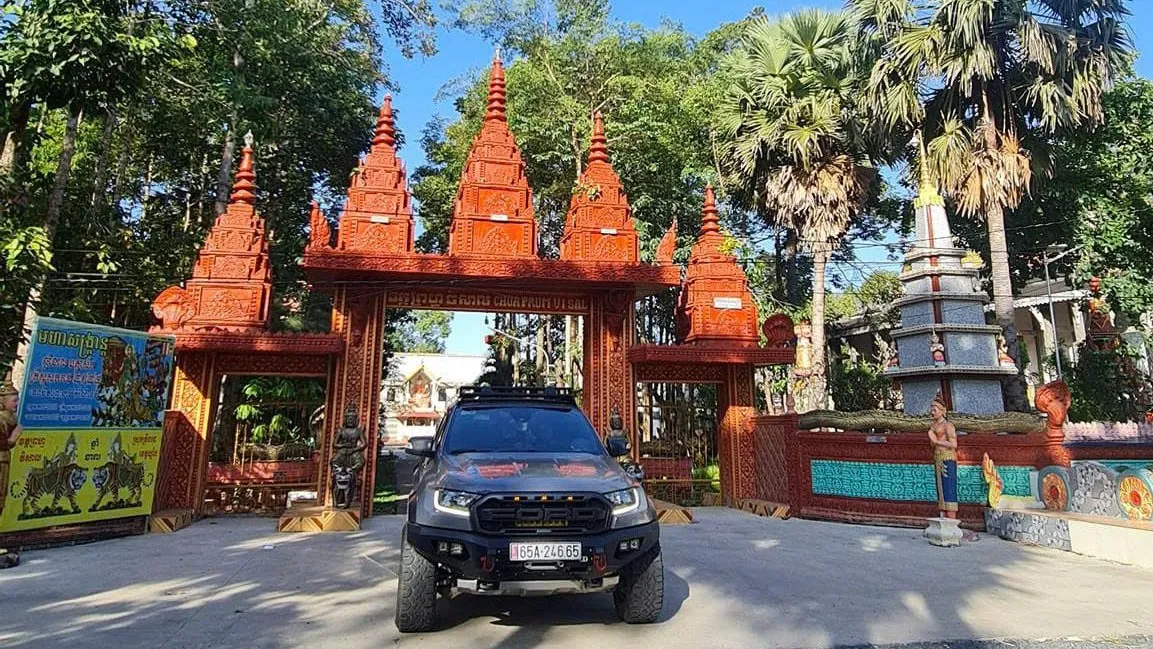
Private cars are the easiest way to travel to the Mekong Delta from Saigon. They’re quick, air-conditioned, and can stop anywhere along the way. Travel time is typically 1.5 - 3 hours depending on the destination. Families and small groups often choose this option.
The convenience is unbeatable, though costs are higher than buses. Peak traffic hours or during public holidays can add even hours to your journey.
By Bus: Affordable & Surprisingly Comfortable
(Value Rating: ★★★★★)
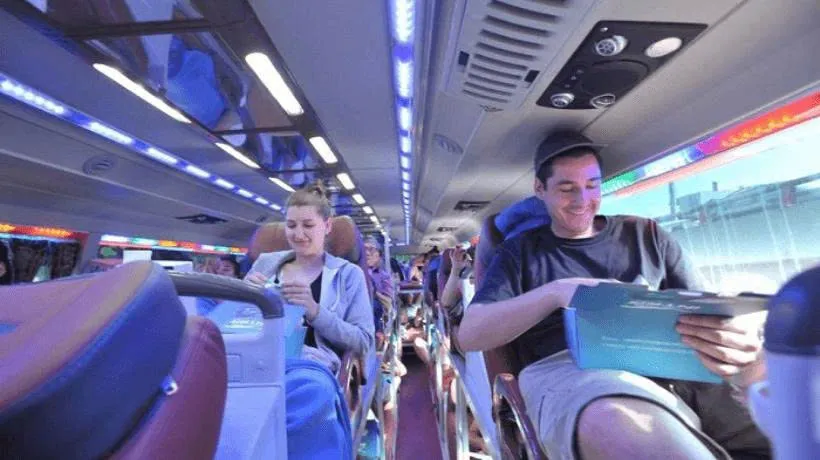
Buses and limousine vans connect Saigon to every Mekong Delta province. Departures are frequent, with many leaving from District 5 or Mien Tay Bus Station. In 2025, upgraded expressways have reduced travel time significantly. However, The public bus option is recommended for adventurous souls, as there will be a language barrier since the public bus station to the Delta is for the locals and not many people speak English. An easier option is to visit the travel offices close to Ben Thanh Market and ask for a transportation option to your desired destination in the Mekong Delta. The tickets might be more expensive than the ones at the bus station but the communication is definitely easier, better transportation methods and you will also know the exact drop-off location.
As mentioned above, when booking your ride with the travel office, you may also have better transportation options like a more modern luxury bus or even a limousine van. Those luxury options provide larger seats, WiFi, and smooth rides, great for mid-budget travelers. Standard buses are reliable but less flexible.
Pros:
- Very cheap
- Frequent schedules
- Comfortable options
Cons:
- Fixed drop-off points
- Transfer needed at smaller towns
By Boat: Scenic & Unique, but Limited
(Scenic Rating: ★★★★★)
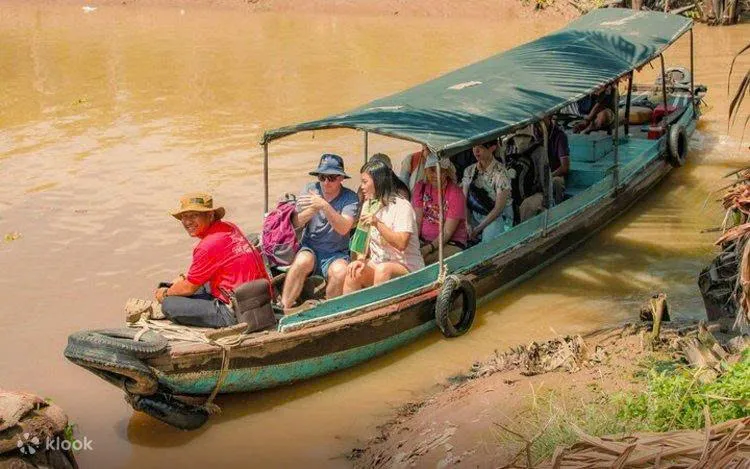
River cruises from Ho Chi Minh City to the Mekong Delta are rare but memorable. Some luxury operators offer multi-day journeys to Can Tho, Cai Be, or Chau Doc. These cruises highlight the spectacular beauty of the river: mangroves, fishing villages, and bird sanctuaries.
This option is best for travelers seeking relaxation, not speed. Boats are slower than road vehicles and significantly more expensive.
Best Things to Do in the Mekong Delta in Vietnam (Province-by-Province Highlights)
Below are some of the things every traveler needs to do when they visit the Mekong Delta. Most of the activities are included in the tours, except for some of the activities in more remote areas, which require more planning and sometimes a local guide. In this section, we break down the activities as well as give out our recommendations so you can enjoy all the activities to the fullest, whether you travel alone, with a tour or with a local guide.
Coconut Culture in Ben Tre
.webp)
Ben Tre is famous for its coconut-based economy. Travelers can visit small workshops to see how coconuts are turned into candy, oil, handicrafts, and building materials. Boat rides through coconut-lined canals complete the experience.
If you do a 1-day tour in My Tho - Ben Tre, you’ll get to see and experience the Coconut Kingdom of Mekong.
Fruit Orchards & Seasonal Tasting (Tien Giang, Vinh Long, Dong Thap)

Orchards are everywhere in the Delta thanks to fertile, nutrient-rich soil. Visitors can walk through gardens to pick and taste tropical fruits such as rambutan, longan, mango, pomelo, and jackfruit. Peak season is from May to August, but fruits grow year-round.
These orchard visits aren’t just about eating, they represent the locals’ daily life and reveal how families cultivate land passed down through generations.
This activity is very common among the tours in the Mekong. No matter what tours you book with your operator, you will get to visit the fruit orchards and taste delicious tropical fruits on your trip.
Floating Markets: The Beating Heart of the Delta
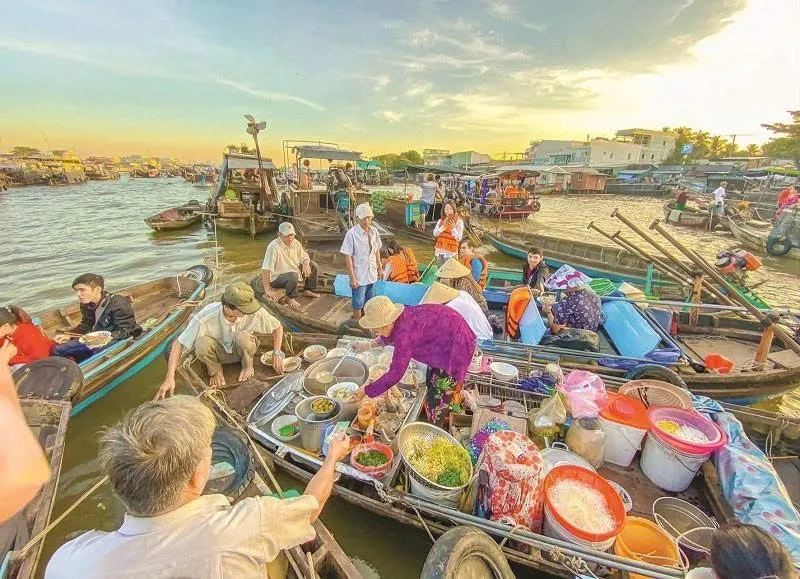
Floating markets are not staged shows. They’re real commercial hubs that serve river-based communities. Vendors live on their boats, transporting fruits, vegetables, and food across provinces. The most famous markets are Cai Rang, Phong Dien, and Long Xuyen, which start just after sunrise, and Cai Rang in Can Tho City is the most popular one that is featured on may Mekong Delta tours.
At 5 - 7 AM, the river becomes a colorful, busy, fragrant network of trade. Breakfast is cooked on boats. Coffee is brewed over small charcoal stoves. Locals buy wholesale fruit by the ton. It’s raw, beautiful, and absolutely essential for any Mekong itinerary.
To visit the early morning floating market, visitors usually stay overnight in the Delta and leave early in the morning. This is one of the key highlight activities in Mekong that many tour operators in Ho Chi Minh City will include in their 2D1N tour.
Island & River Homestays

Staying with a Mekong family is one of the region’s most meaningful experiences. Expect cooking classes, conversations over herbal tea, hammock naps, and peaceful bike rides. Homestays reveal a slower lifestyle shaped entirely by the river.
This activity is offered to all the tours with an overnight stay in Mekong Delta.
Khmer Heritage in Tra Vinh & Soc Trang
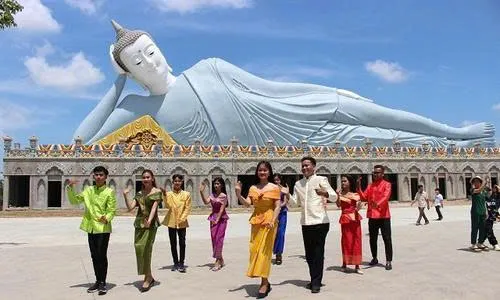
These provinces have strong Khmer communities, reflected in colorful temples, Buddhism-influenced festivals, and unique dishes. Visits here offer a deep cultural contrast to other parts of the delta.
While Tra Vinh and Soc Trang are not popular tourist spots, getting to this area will require some planning. You can either research if you want to to explore the region for yourself or contact a renowned travel agent to help you plan the trip.
Nature Reserves & Forests (Tra Su, Tram Chim, U Minh)
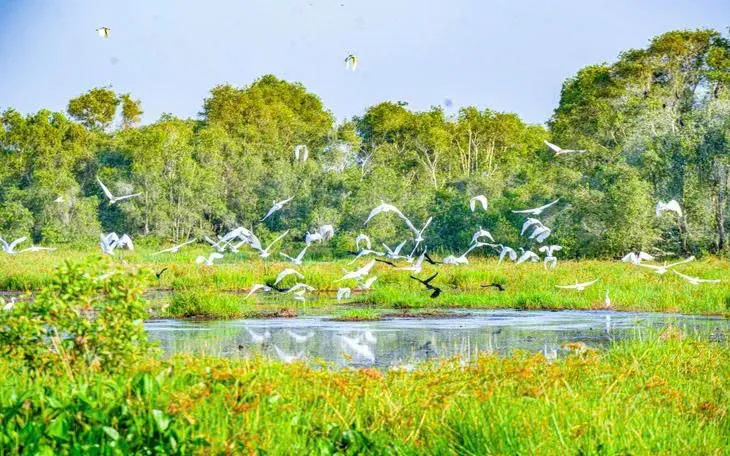
Each nature reserve offers a different landscape:
- Tra Su: Emerald green waterways lined with cajuput trees
- Tram Chim: Wetlands and endangered bird species
- U Minh Ha: Thick mangrove forests
These spots are best for bird watchers, photographers, and eco-travelers.
For this area and the activities, a local guide is recommended.
The Most Popular Mekong Delta Tours in 2025
Choosing the right tour depends on your travel style. Here are the key routes and what they offer. Disclaimer: We’re not affiliated and/or associated with any of the tours mentioned below. The tours are recommended based on the operator's quality and reputation. Please always do thorough research and due diligence on the operator that you’re about to book with.
Classic Ben Tre 1-Day Tour

The typical route. If you see a tour operator offering a one-day trip to the Mekong Delta, it’s almost guaranteed to be this route. This tour is perfect for first-time visitors wanting a gentle introduction. You’ll ride a boat along the canals, visit a brick kiln, taste honey tea and tropical fruits, and glide through palm-lined shady country roads on a chill bicycle ride... The hand-row sampan rides take you into narrow waterways where the only sounds are paddles and birds. Coconut handicraft villages offer insight into how locals use every part of the coconut tree, from candy to ropes.
The experience is fun and accessible, though it can be crowded due to its popularity and accessibility.
Vinh Long Island Homestay Tour
The route to Vinh Long is great for travelers seeking cultural immersion. The route to Vinh Long is usually for a 2-day-1-night trip. The experience often includes:
- Visiting fruit farms and tasting exotic tropical fruits
- Cycling and canoeing through orchards and rice fields
- Homestay on a small islet
- Learning about the history of the Mekong, especially during the Vietnam War.
This route is perfect for slow travelers and families who want an authentic connection with locals.
Can Tho Floating Market Tour
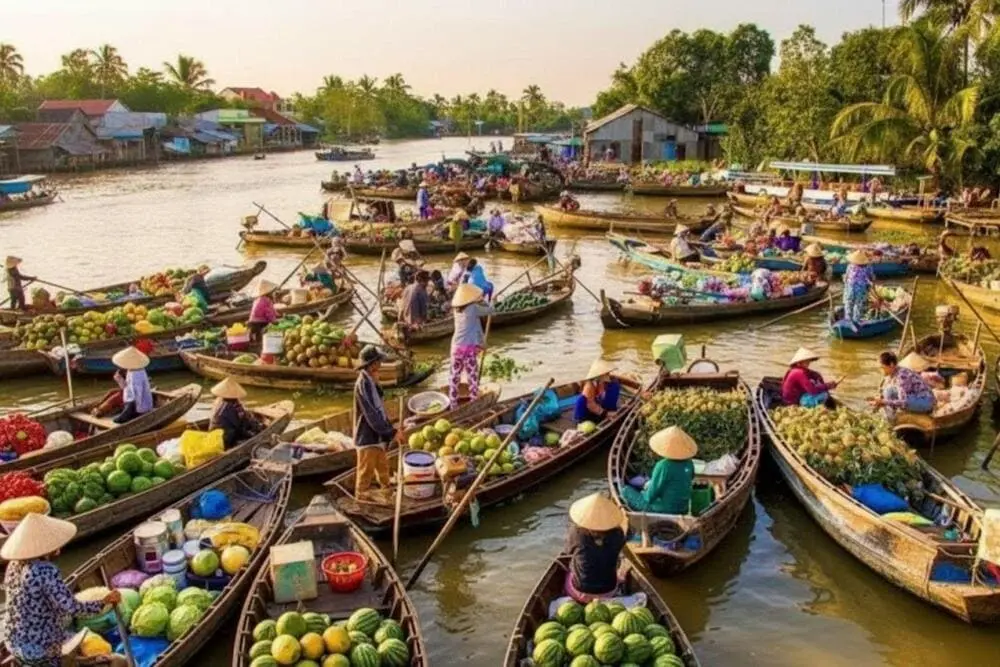
This is the Mekong Delta’s signature experience and a must for photographers. Almost all the tours that include the floating market experience are either 2D1N or 3D2N tours. With the longer 3D2N tours, you will also get to experience the other provinces of the Mekong Delta like Ben Tre (the coconut kingdom), seeing the Khmer temples and architecture in the region of Tra Vinh… This kind of tour, you will often spend your evening in Can Tho, the unofficial capital of the Mekong Delta
Boats open at 5 AM with sellers carrying fruits, food and other products at the floating market right on the river. Vendors advertise their products by hanging samples from long bamboo poles. This is where the term floating market truly comes alive.
Phong Dien is smaller and more local, while Cai Rang is livelier and more famous. Many tour operators in Ho Chi Minh City offer this route.
Chau Doc - Tra Su Forest - Sam Mountain

Ideal for a 2 - 3 day trip. Highlights include:
- Tra Su Cajuput Forest (stunning green waterways)
- Cham villages
- Temples and pagodas overlooking rice fields
This route is definitely less popular, less touristy and feels more remote and spiritual. Unfortunately not many tour operators offer this path. While exploring the areas by yourself sounds fun for the adventurous souls, it’s recommended to contact a travel agent and have them help you organize the trip to save you some unwanted hassles.
Off-the-Beaten-Path Expedition (Ca Mau, Kien Giang, U Minh Forest)
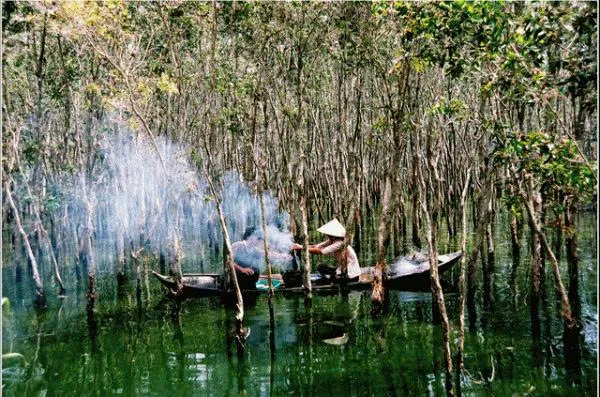
This is for true adventure travelers. Areas like U Minh Ha Forest and the Ca Mau mangroves offer wildlife, rugged landscapes, and unforgettable river journeys. Travel difficulty is medium to high due to distance and limited infrastructure, as well as not many tour operators provide this route. Similar to the previous section, it is recommended to have this route consulted by a trustworthy travel agent/tour operator for this route.
Mekong Delta Safety Tips: Essential Advice for 2025
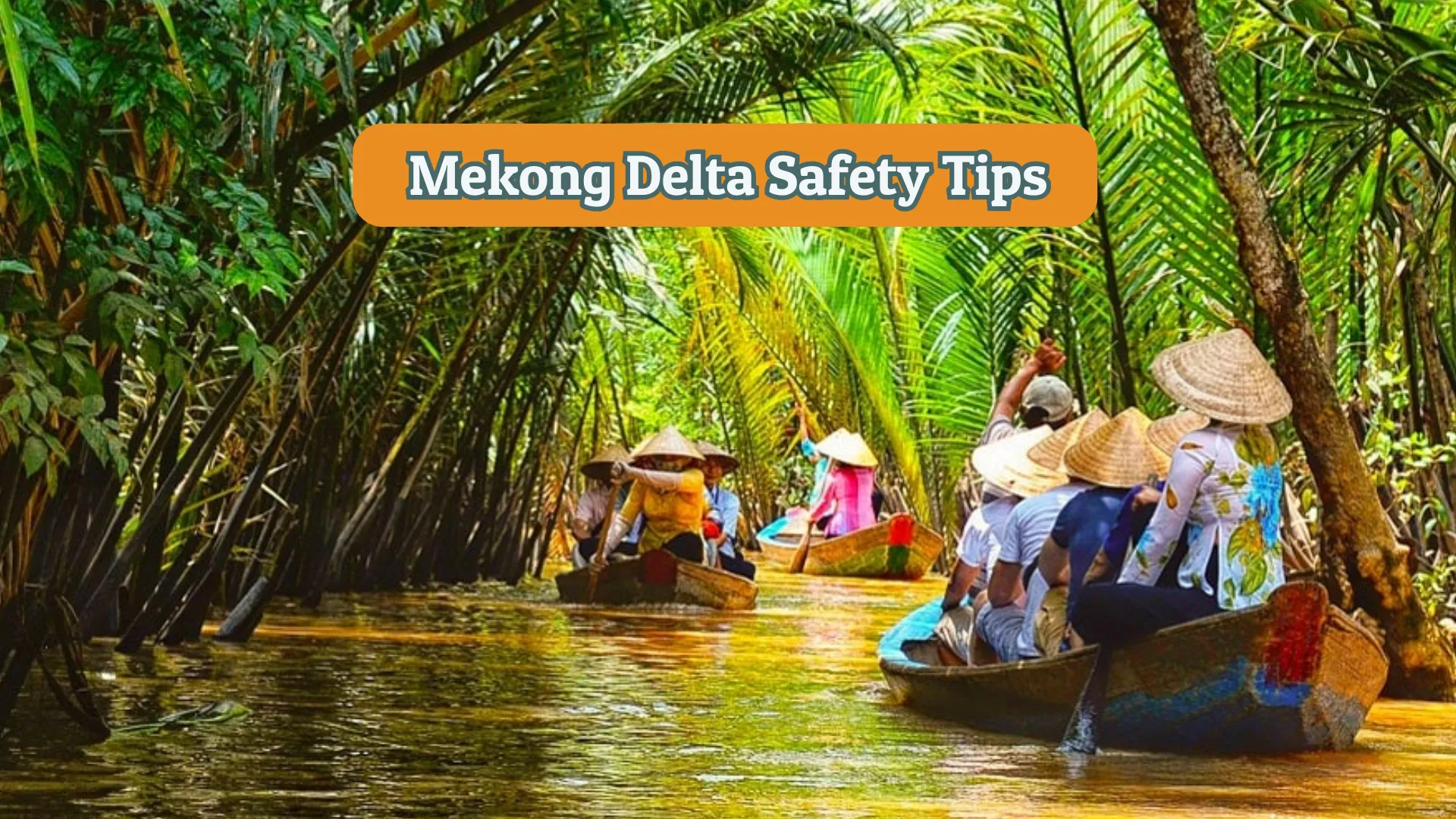
Every traveler should understand the fundamentals of river-region travel. These Mekong Delta safety tips ensure your journey is smooth and enjoyable.
- Boat safety: always step carefully when boarding. Wooden surfaces can be slippery at dawn.
- Heat & hydration: daytime temperatures can exceed 35°C. Drink water often.
- Mosquito caution: use repellent, especially near forests and wetlands.
- Seasonal floods: from August to October, water levels rise. Stick to main roads.
- Traffic awareness: rural roads are narrow. Ride cautiously if on a motorbike.
- Respect rural customs: many villages rely on agriculture, avoid stepping on garden beds or interfering with farm animals.
Interesting & Fun Facts About the Mekong Delta Vietnam
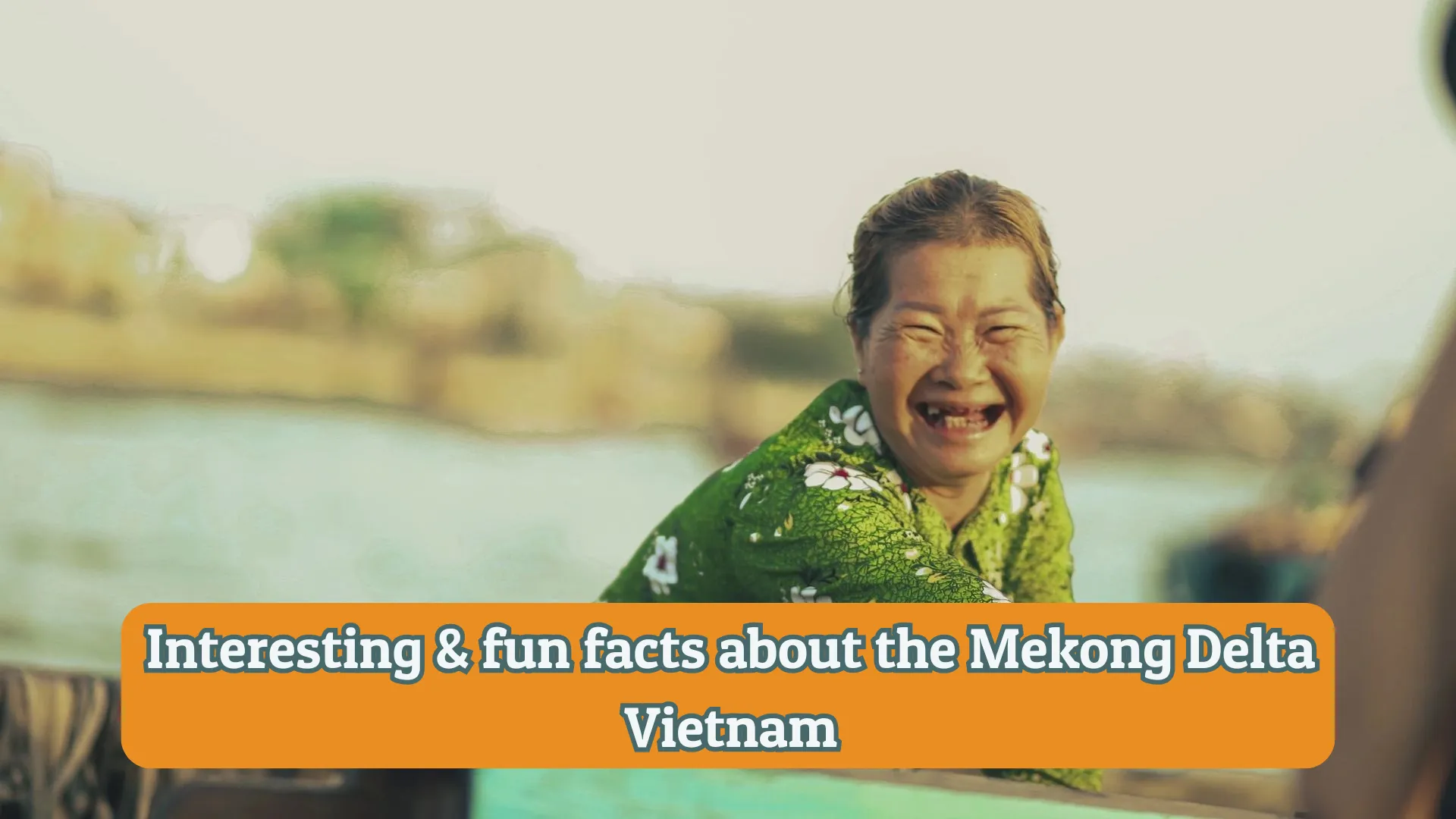
- The Mekong Delta produces 50% of Vietnam’s rice and is called the “Rice Bowl of Vietnam.”
- Many homes are built on stilts to survive seasonal flooding.
- Locals use long bamboo poles and hang their products on it to advertise what they sell at the floating markets.
- Ben Tre has more than 40 million coconut trees.
- Can Tho Bridge is one of the longest cable-stayed bridges in Southeast Asia.
- Delta people typically wake up at 4 AM. The river starts early.
Conclusion: Planning Your Ho Chi Minh City to Mekong Delta Journey in 2025
Whether you're seeking famous floating markets, peaceful river homestays, Khmer temples, or untouched forests, the Mekong Delta Vietnam offers countless ways to experience authentic southern culture. From quick day trips to multi-day expeditions, there’s a route to match every traveler.
If you're already in Saigon, visiting the Mekong Delta is one of the most rewarding decisions you can make. And if you want to explore the city like a local before heading south, our vintage vespa tours will take you off the tourist spots to visit the hidden gems, help you understand the rhythms of daily life of Ho Chi Minh City before diving into the rural Mekong.
Your adventure from Ho Chi Minh City to the Mekong Delta starts now.

Anh Pham - General Manager
After exploring Ho Chi Minh City (or Saigon, as I love to call it) on a motorbike for over 10 years, these streets feel like my playground. I believe the best travel moments happen when you discover something unexpected. My goal is simple: to share my favorite parts of the city with you, so you can experience the real, everyday magic of my home.
Other tips
- 10 Best Vietnamese Clothing Brands & Local Brands Vietnam
- Beaches Near Hanoi: The Closest Beach Escapes for a Weekend Trip
- Hoi An Tailors: The Complete Insider Guide to Custom Clothes in Vietnam
- Best eSIM for Vietnam (2026 Guide from a Local Perspective)
- Da Nang International Airport Vietnam: A First-Timer Guide to Landing Calmly (DAD)
- Noi Bai International Airport Guide for First-Time Travelers to Vietnam (HAN)
- Traveling Vietnam as a Couple: What to Do, Where to Go, and How It Actually Feels
- Vietnamese Lunar New Year (Tết) 2026
- Vietnamese Mountain Guide
- Best Beaches in Vietnam: How the Coast Actually Works (and How to Choose the Right One)
- 15 Underrated Towns in Vietnam
