 Email: support@vespaagogo.com

Vietnam Travel
Hoi An Tailors: The Complete Insider Guide to Custom Clothes in Vietnam
2026-03-05
Walk through the lantern-lit streets of Hoi An Old Town and one thing becomes obvious almost immediately: tailor shops are everywhere. Windows display silk dresses glowing under warm yellow lights. Racks of suits line narrow storefronts. Shop assistants invite travelers inside to design custom clothing from scratch.
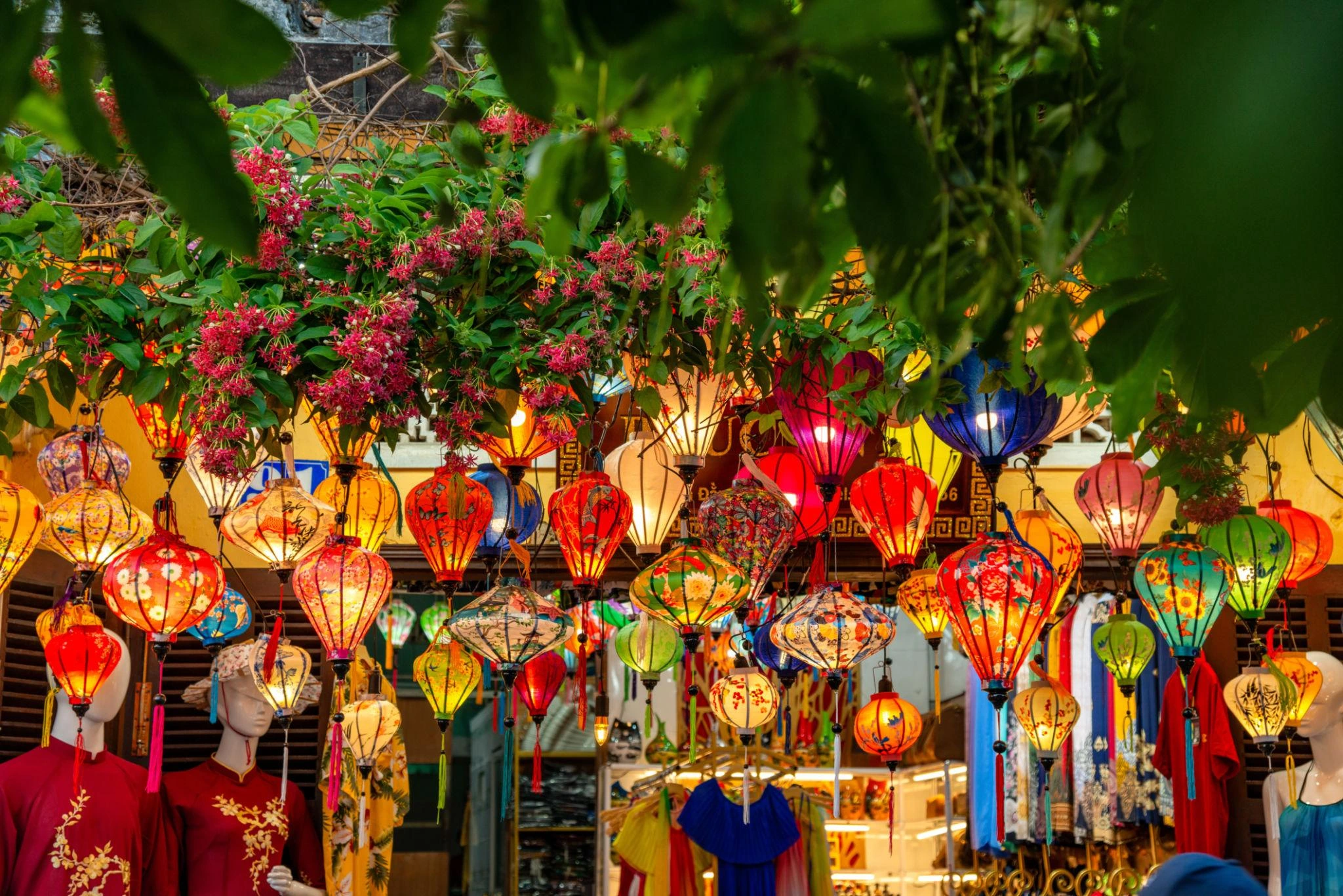
Within only a few blocks you might pass dozens of tailoring shops. Some are tiny family operations with just a few sewing machines in the back. Others are large showrooms filled with fabric samples and finished garments.
This is why Hoi An tailors have become one of the town’s most famous experiences. Many travelers arrive expecting lanterns, temples, and historic houses. Yet they leave with something unexpected, clothing made specifically for them.
If you are thinking about ordering custom clothes during your trip, it helps to understand how the system works. This guide explains:
- Why there are so many tailors in Hoi An
- How the tailoring process works
- How much a tailored suit costs
- What to get tailored in Hoi An
- How to find the best tailor in Hoi An
Why Are There So Many Tailors in Hoi An?
Many visitors ask the same question: why are there so many tailors in Hoi An?
For a small town, the number of tailoring shops is surprising. The explanation comes from two main factors.
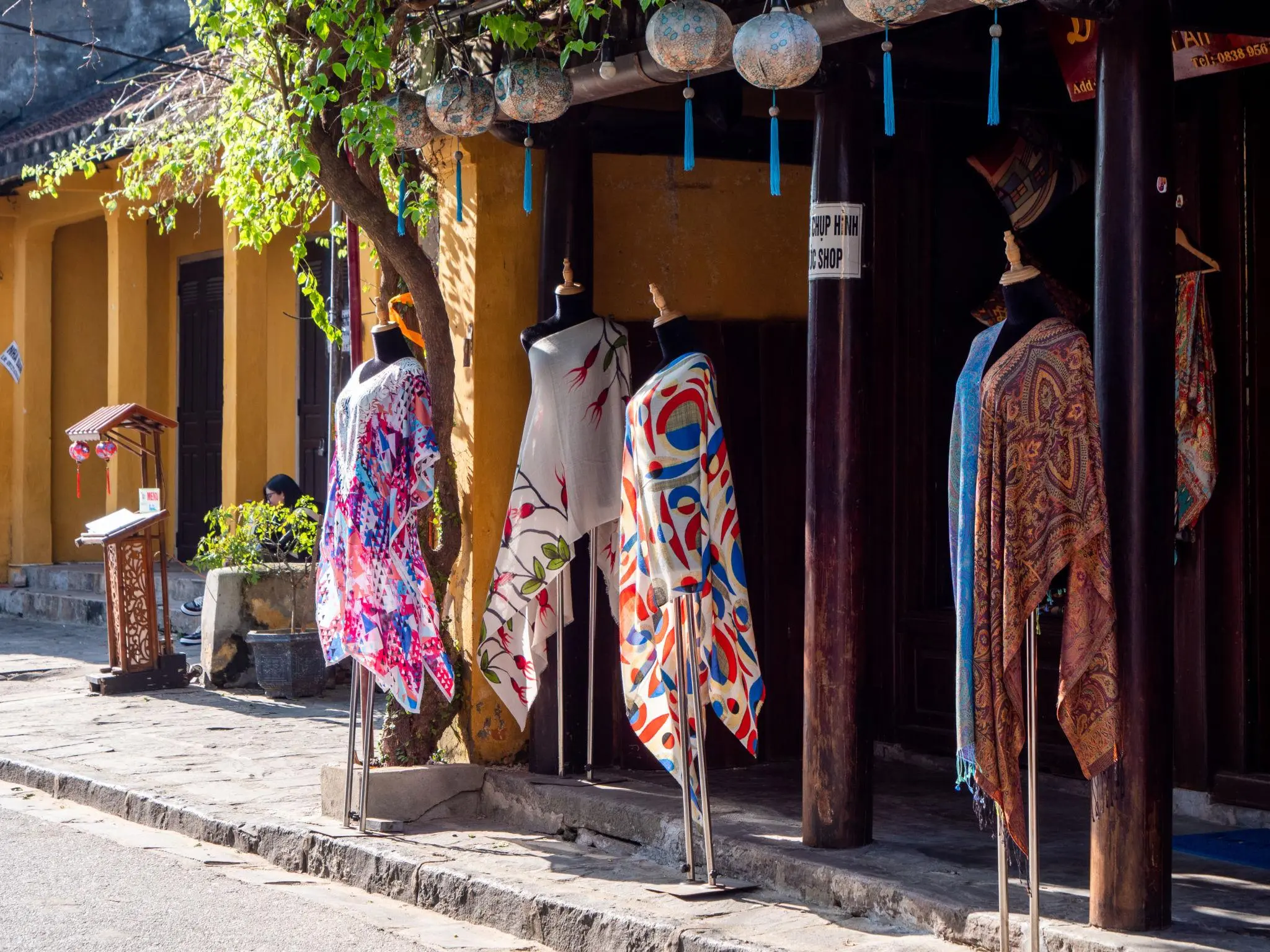
1. Hoi An’s History as a Trading Port
Between the 16th and 19th centuries, Hoi An was one of Southeast Asia’s most important international ports.
Merchants from many countries came here, including:
- China
- Japan
- Portugal
- The Netherlands
Among the many goods traded, textiles and silk were especially important.
As a result, sewing, clothing repair, and garment making became common local skills. These skills were passed down through generations.
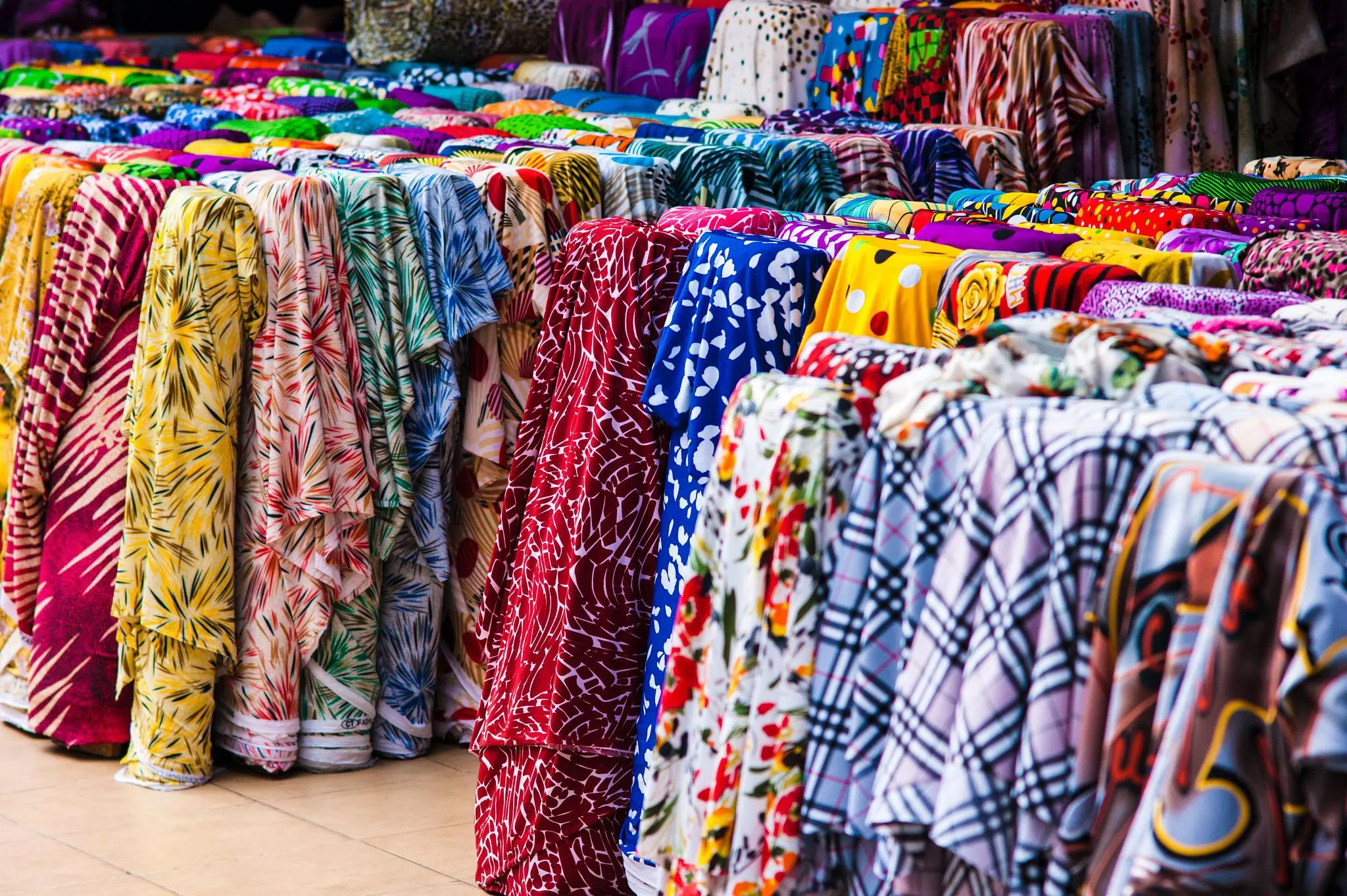
2. Tourism Changed the Industry
The modern tailoring boom started in the 1990s, when tourism to Vietnam began growing rapidly.
Travelers discovered several advantages:
- Custom clothes could be made quickly
- Prices were lower than in Europe or North America
- Tailors were flexible with designs
Backpacker travel guides began recommending tailoring in Hoi An. Word spread quickly through travel forums and review sites.
Today tailoring is one of the town’s most recognizable industries.
3. Family-Based Workshops
Many tailoring houses still operate as family businesses.
Typically the process looks like this:
- Shop staff consult with customers
- Tailors in the workshop cut and sew garments
- Family members help with finishing or fittings
Behind many storefronts you’ll find busy sewing rooms working late into the evening, especially during high tourist seasons.
How the Hoi An Tailoring Process Works
Many travelers expect tailoring to be slow and complicated. In Hoi An, the process has been streamlined for visitors who only stay a few days.
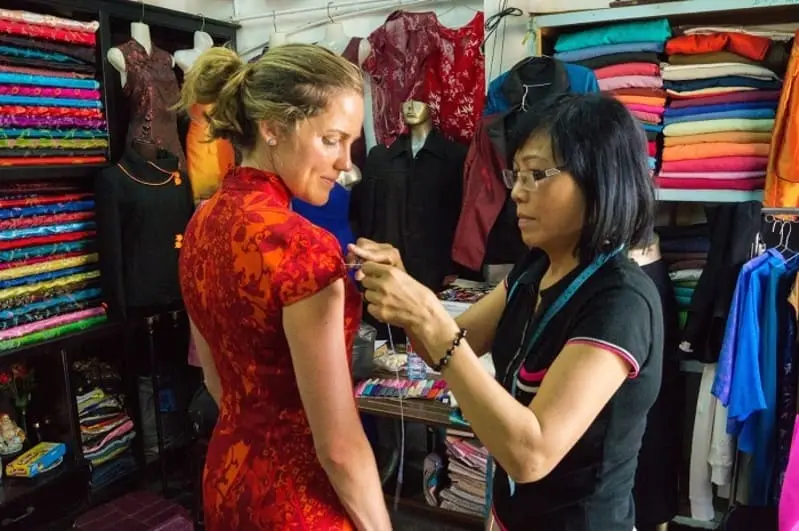
Most Hoi An tailors follow a similar system.
Step 1: Choose Your Fabric
The first step is browsing fabrics.
Common options include:
- Cotton
- Linen
- Wool blends
- Silk
- Synthetic blends
Higher-end tailors may also carry imported fabrics from:
- Italy
- Korea
- Japan
Fabric quality is the biggest factor affecting price.
Step 2: Measurements
The tailor then takes detailed measurements.
These usually include:
- Chest
- Shoulders
- Sleeve length
- Waist
- Hips
- Inseam
A typical garment requires 10–20 measurements.
Step 3: First Fitting
Within about 24 hours, the shop prepares a first fitting.
At this stage the garment may not be fully finished.
The tailor checks:
- Shoulder alignment
- Sleeve length
- Waist fit
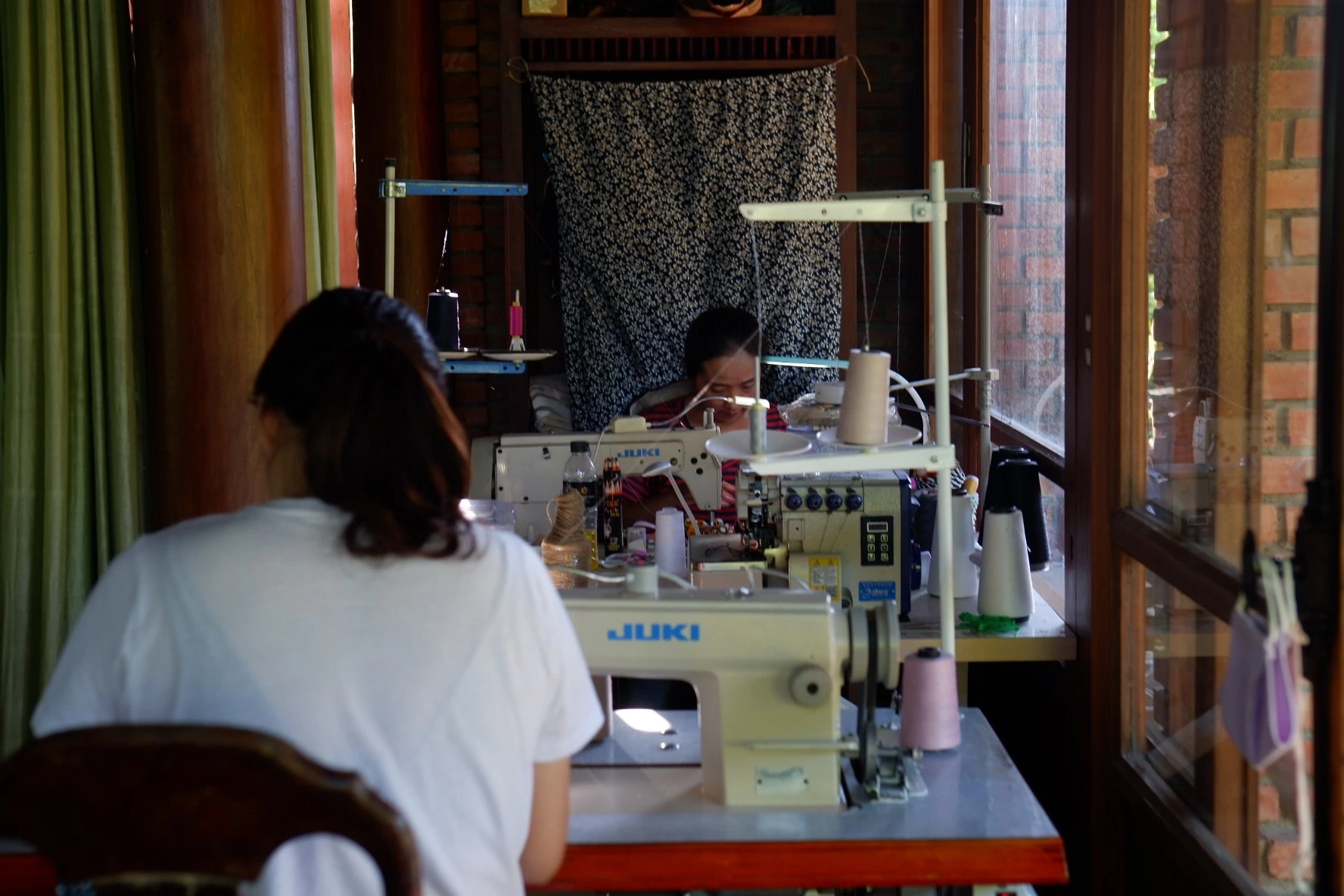
Step 4: Final Adjustments
After corrections, the garment returns to the workshop.
Most clothing is finished within:
- One day for shirts
- Two days for dresses
- Two to three days for suits
During busy seasons, some tailors work late at night to complete orders before travelers leave town.
How Much Is a Tailored Suit in Hoi An?
One of the most common search questions travelers ask is “how much is a tailored suit in Hoi An.”
Prices vary depending on several factors, especially fabric quality and tailor reputation.
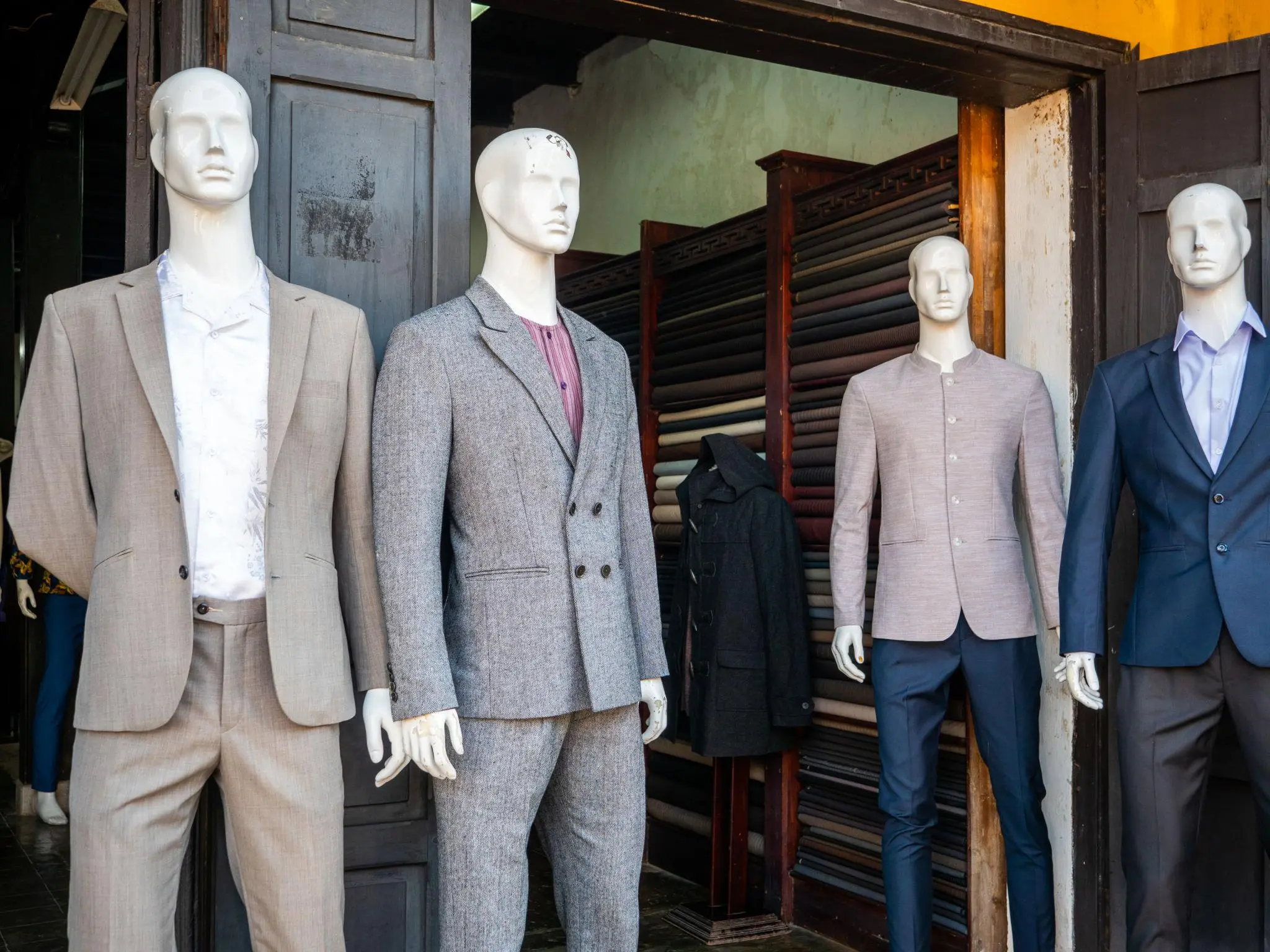
Typical price ranges include:
- Simple suits made with basic fabrics starting around $120–180
- Mid-range suits using better wool blends around $200–300
- Premium suits with imported fabrics around $350–500
Several things influence the final price:
- Fabric quality
- Number of fittings
- Garment complexity
- Reputation of the tailoring house
Cheap suits may look good initially but can lose shape quickly if the fabric is poor.
For travelers planning to wear the suit long-term, investing in better fabric is usually worthwhile.
What to Get Tailored in Hoi An
Not every garment works equally well for quick tailoring.
Some clothing items are especially popular among visitors.
1. Custom Suits
Suits are the most famous product.
Many travelers order suits because:
- They are expensive in Western countries
- Tailoring quality in Hoi An can be good
- Turnaround time is fast
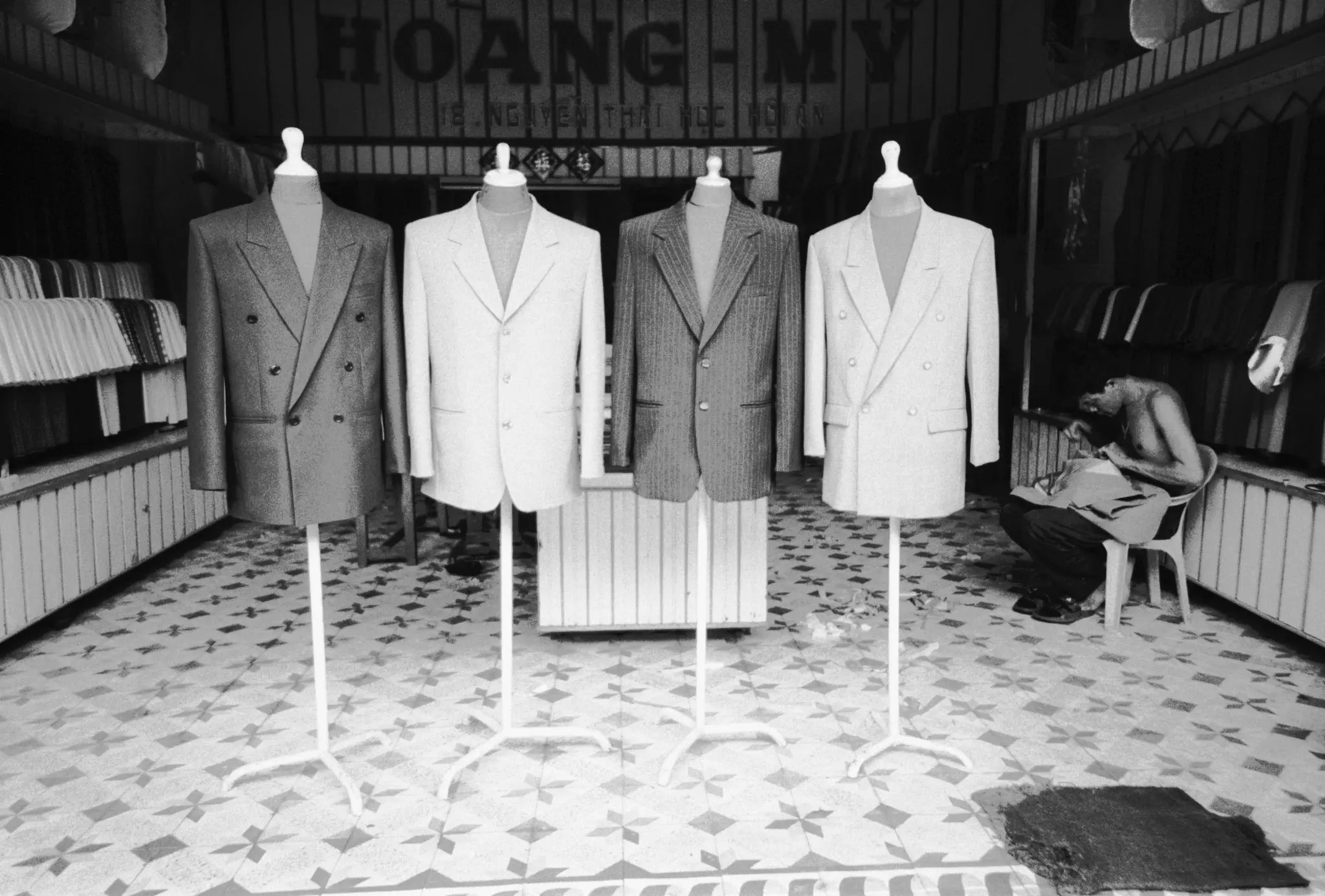
Business travelers sometimes order multiple suits during one visit.
2. Linen Shirts
Linen shirts are another favorite.
Reasons include:
- Comfortable in hot climates
- Simple to tailor quickly
- Versatile for travel
Many travelers order several shirts in different colors.
3. Dresses
Tailors frequently produce:
- Cocktail dresses
- Summer dresses
- Casual dresses
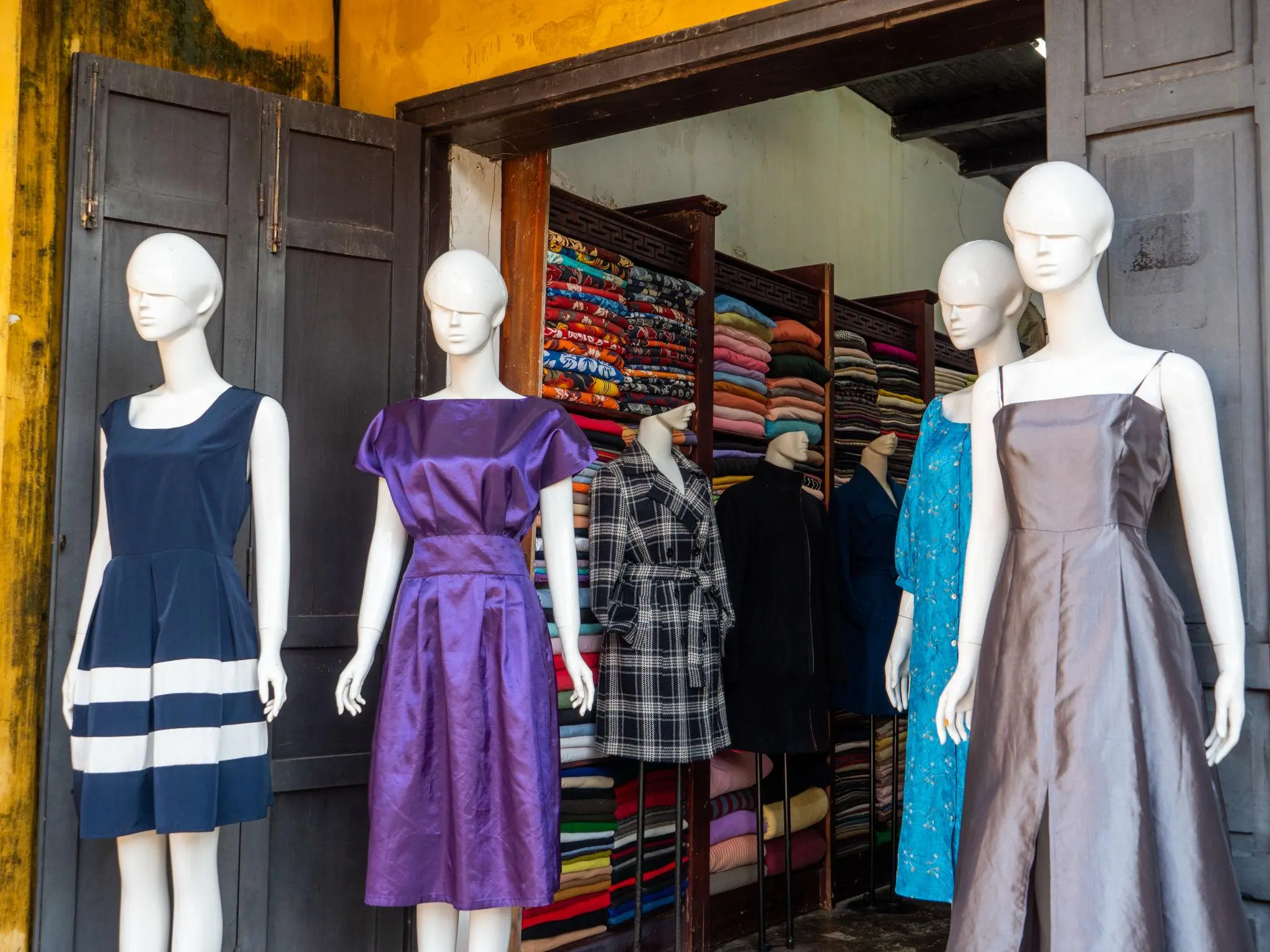
These garments are flexible during fittings and easy to adjust.
4. Winter Coats
Even though Vietnam is hot, winter coats are surprisingly common orders.
The reason is simple: custom coats abroad can be very expensive.
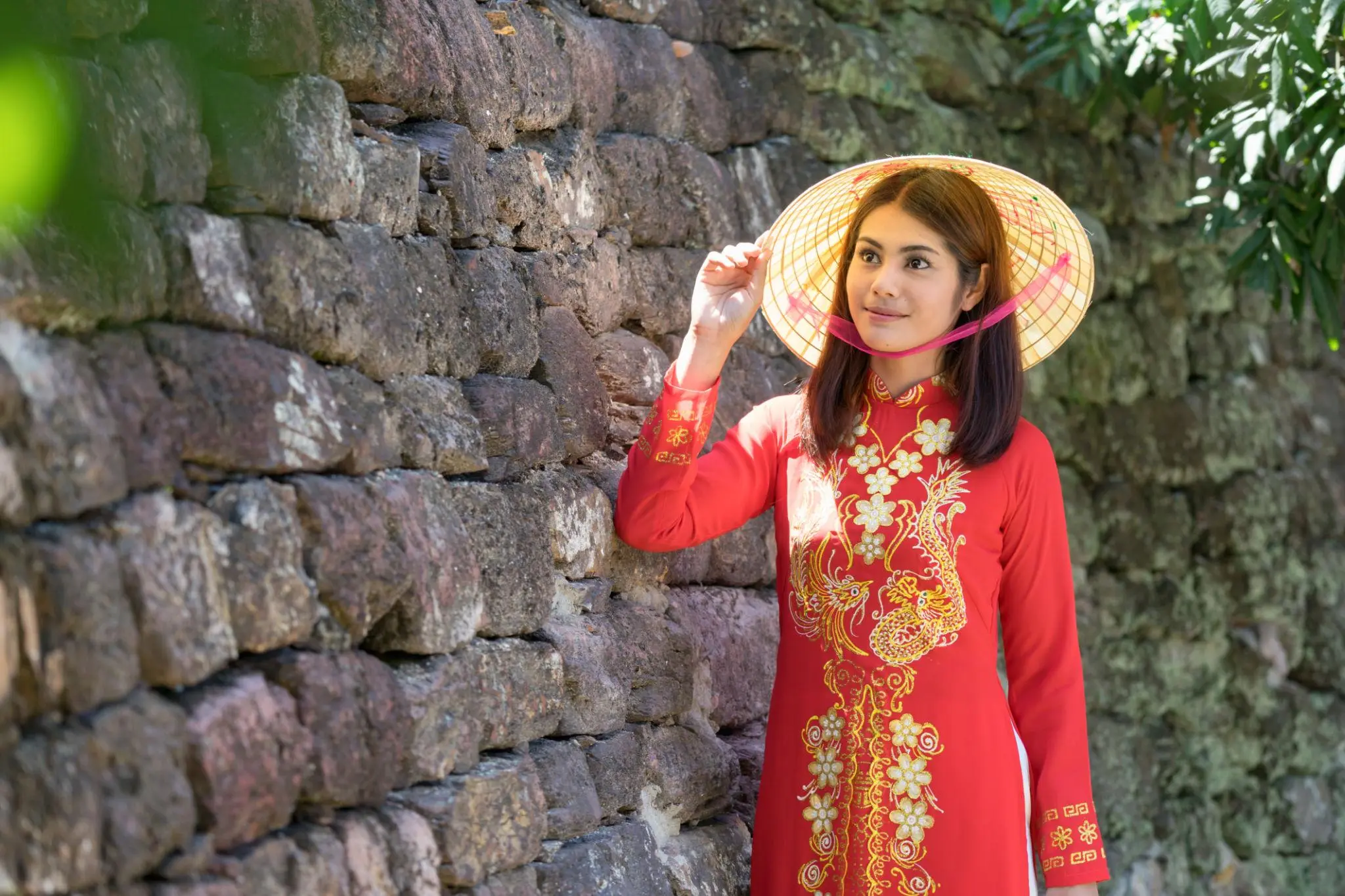
5. Traditional Vietnamese Clothing
Some travelers choose to have áo dài made as a cultural souvenir.
These elegant traditional garments require careful measurements and skilled tailoring.
How to Find the Best Tailor in Hoi An
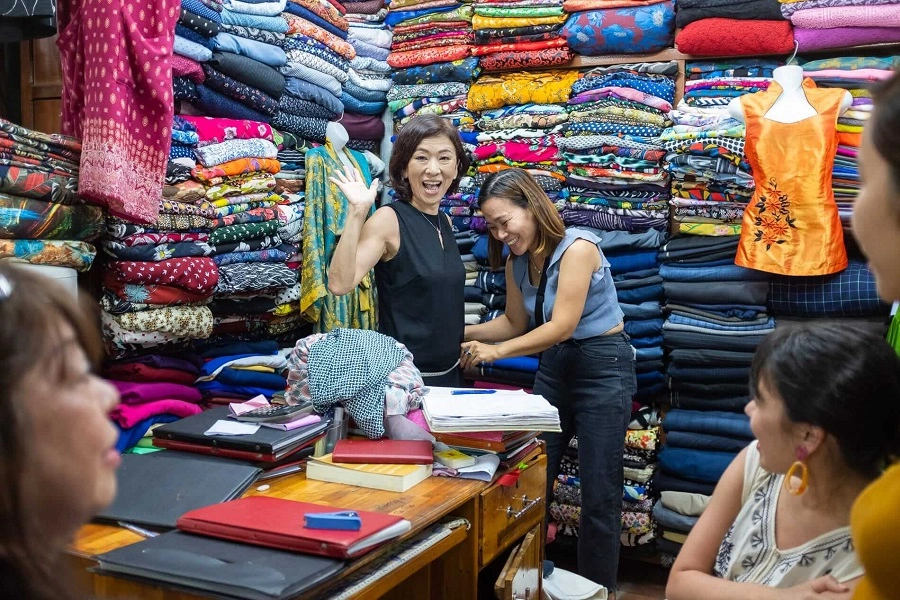
With hundreds of tailoring shops operating in the city, figuring out how to find the best tailor in Hoi An can feel overwhelming. Many storefronts look similar from the outside, but the quality of fabric, craftsmanship, and service can vary significantly.
Instead of choosing the first shop you see, it helps to evaluate several factors before placing an order.
1. Check Sample Garments
One of the easiest ways to judge a tailor’s quality is by examining the sample clothing displayed in the shop.
Look for details such as:
- Straight and even stitching
- Structured shoulders in jackets
- Smooth lining inside suits
- Clean finishing around buttons and seams
2. Examine Fabric Quality
Fabric is just as important as the tailoring itself. Many shops offer both synthetic fabrics and higher-quality materials such as wool blends, cotton, linen, or silk.
When choosing fabric:
- Feel the weight and texture
- Check how easily it wrinkles
- Ask about the fabric composition
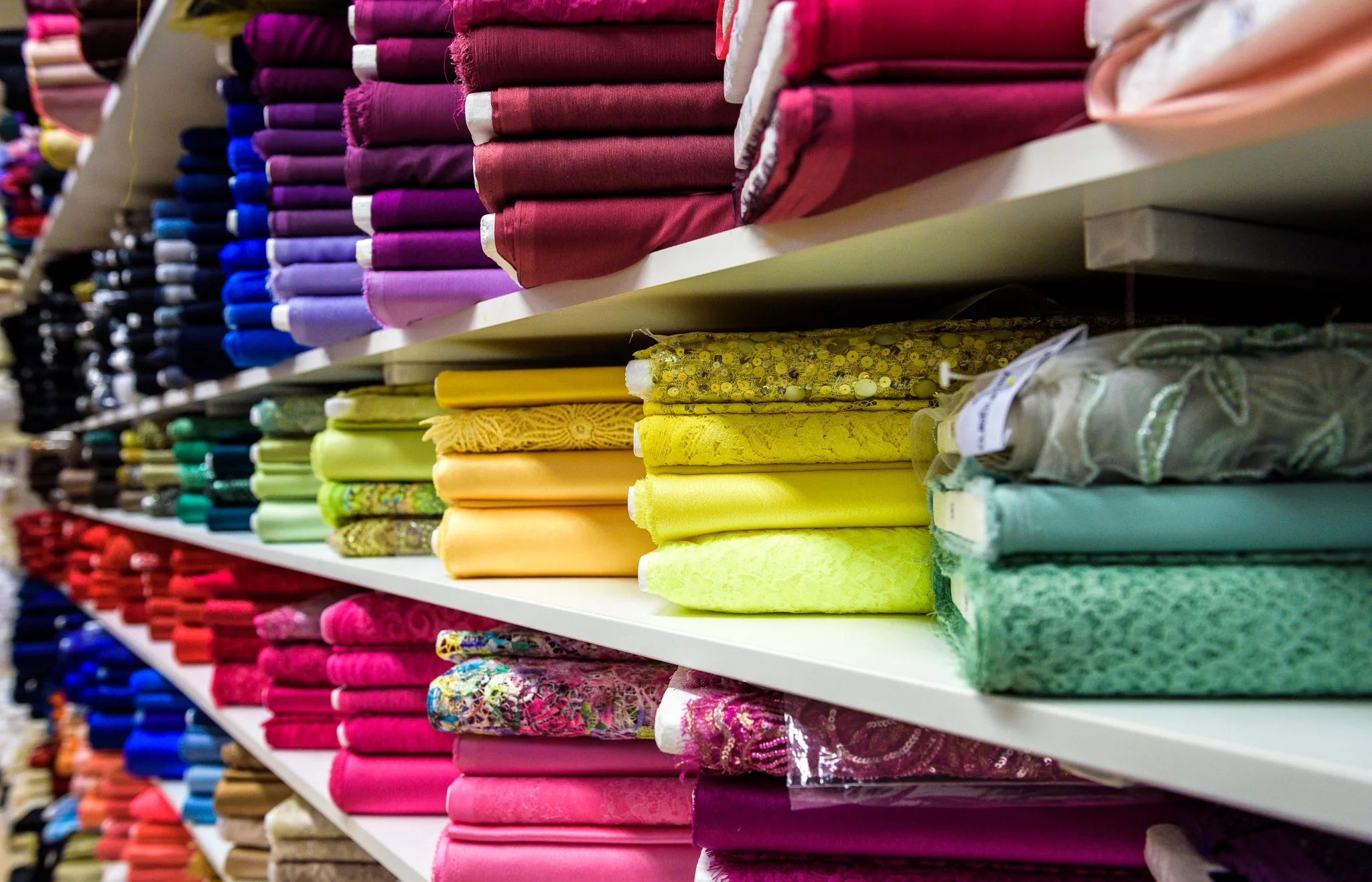
Better fabrics usually result in clothing that lasts longer and keeps its shape over time.
3. Ask About Fittings
A good tailor rarely completes a garment without at least one fitting.
During fittings, the tailor can adjust:
- Sleeve length
- Waist fit
- Shoulder alignment
- Overall silhouette
If a shop promises an extremely fast turnaround without fittings, the final result may be less precise.
4. Read Reviews
Reading reviews is one of the easiest ways to understand what other customers experienced before choosing a tailor. Because Hoi An has hundreds of tailoring shops, online feedback can help reveal patterns that may not be obvious during a short visit.
However, not all review platforms are equally reliable. It helps to focus on sources where travelers leave detailed feedback, photos, and verified experiences.

Some of the most commonly used sources include:
Google Maps
Google Maps is often the first place travelers check because it shows reviews directly when searching for a shop location. Many reviewers also upload photos of finished garments, which can give you a clearer idea of the tailor’s quality.
When reading Google reviews:
- Look for shops with a large number of reviews, not just a high rating
- Read recent reviews to see if the quality is consistent
- Check customer photos showing finished suits, dresses, or shirts
Because reviews are tied to real Google accounts and location listings, Google Maps tends to provide a broad range of feedback.
TripAdvisor
TripAdvisor remains one of the most widely used travel review platforms. Reviews here are often written by travelers who stayed in Hoi An and include detailed explanations of their tailoring experience.
Many TripAdvisor reviewers describe:
- How long did the tailoring process took
- How many fittings were required
- Whether the clothes still fit well after returning home
Sorting reviews by “most recent” can help you see current customer experiences.
Reddit Travel Communities
Some travelers also search discussions on Reddit, especially in communities such as r/travel or r/VietNam. These posts often include personal recommendations and candid experiences that feel less promotional than some review platforms.
While Reddit can be helpful, it should be used carefully:
- Look for posts with detailed explanations rather than short comments
- Check whether multiple users recommend the same shop
- Treat it as a supplement to more established review platforms

Look for Patterns Instead of One-Off Complaints
No tailor will have perfect reviews, and occasional negative comments are normal. What matters more is whether the same issues appear repeatedly.
Pay attention to recurring complaints such as:
- Rushed work or garments finished too quickly
- Poor communication about fabric or pricing
- Inconsistent quality between different orders
If several reviewers mention the same problems, it may indicate a consistent issue with that shop.
5. Avoid Aggressive Street Sales
Some shops send staff outside to attract customers.
While not always a bad sign, the best tailors often rely on reputation rather than street marketing.
6. Recommended Tailor Shops
When deciding where to get clothing made, many travelers start by researching the best-known tailoring houses in the city. Shops like A Dong have built strong reputations over decades and operate larger showrooms with structured consultations.
A Dong Tailor Hoi An
A Dong Tailor is one of the most recognized tailoring brands in the city and often appears at the top of traveler searches for Hoi An tailors.
Founded in 1997 by Nguyễn Văn Đông, the shop expanded during the early tourism boom and now operates several branches near Hoi An Old Town. A Dong is known for its professional showroom, large fabric selection, and structured consultation process.
Address:
- 91 Trần Hưng Đạo, Hội An
- 62 Trần Hưng Đạo, Hội An
- 40 Lê Lợi, Hội An
Opening hours: 8:00 AM – 9:00 PM
Typical prices:
- Shirts: around $35–70
- Dresses: around $50–120
- Suits: roughly $180–400, depending on fabric
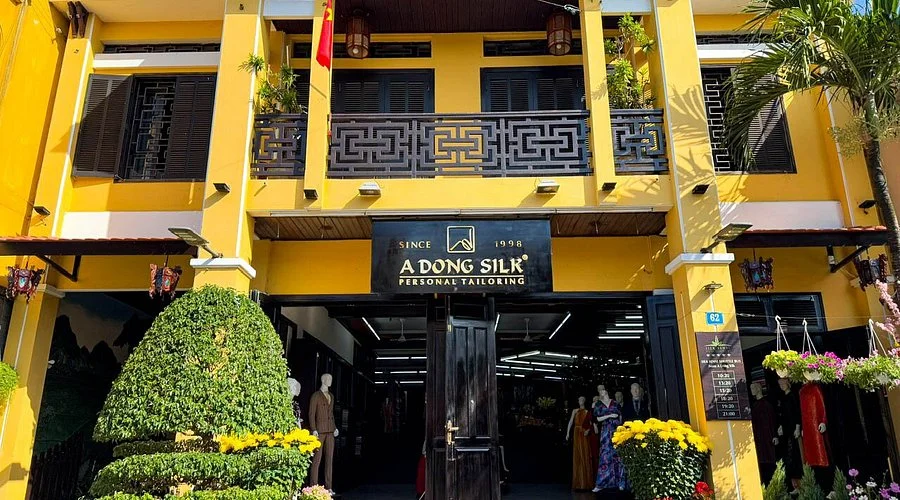
Many travelers choose A Dong because the shop offers an organized tailoring process with multiple fittings and a large team of tailors.
When deciding where to get clothing made, many travelers head straight to the biggest names they see online. Shops like A Dong, Yaly, or Bebe are well known because they have large showrooms and strong online reviews.
However, Hoi An also has many smaller family-run tailoring shops that locals quietly recommend. These businesses often rely on craftsmanship and word of mouth rather than heavy marketing.
If you want to support local tailoring houses, consider exploring a few smaller shops as well.
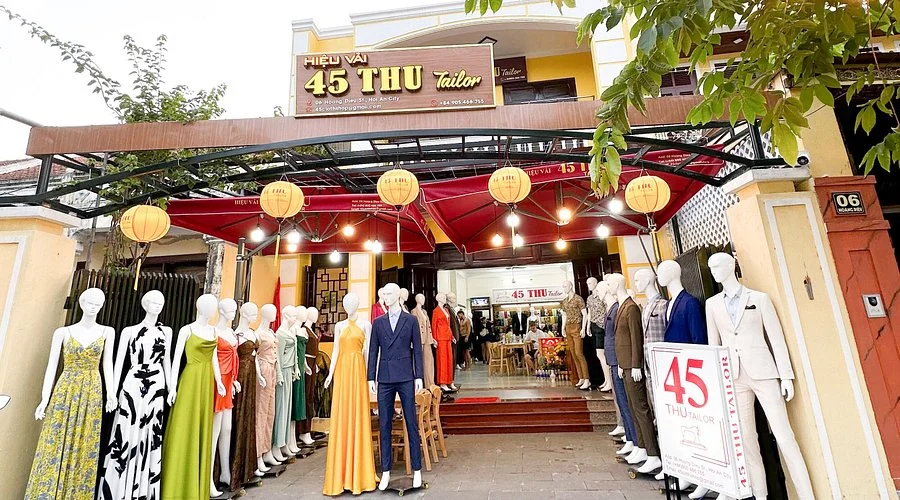
45 Thu Tailor
45 Thu Tailor is a small family-run shop that has quietly built a loyal following among travelers and local residents.
Compared with larger tailoring houses, the shop feels more personal. Customers typically deal directly with the owner or a small team rather than a large showroom staff.
Visitors often mention:
- Careful measurements
- Attentive fittings
- Good value for price
Address: 06 Hoàng Diệu, Hội An
Opening hours: 8:00 AM – 8:00 PM
Typical prices:
- Shirts: about $25–45
- Dresses: around $40–90
- Suits: roughly $150–280
Because it is a smaller operation, scheduling fittings early in your stay is recommended.
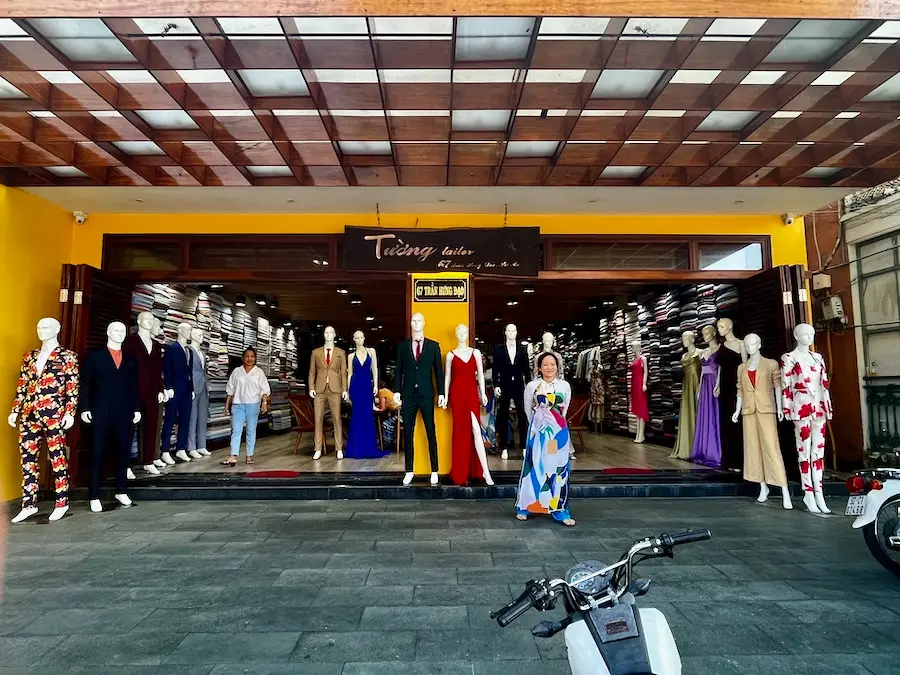
Tuong Tailor
Tuong Tailor is one of the longer-standing tailoring houses in Hoi An, operating since the early 1990s. While it appears in some travel guides, the shop still maintains a relatively traditional tailoring style compared with larger commercial showrooms.
Many customers appreciate the shop’s focus on craftsmanship and straightforward consultation process.
Address: 67 Trần Hưng Đạo, Minh An Ward, Hội An
Opening hours: 8:00 AM – 9:00 PM
Typical prices:
- Shirts: around $30–60
- Dresses: around $50–120
- Suits: roughly $200–350
Tuong Tailor is particularly known for well-structured suits and classic tailoring.
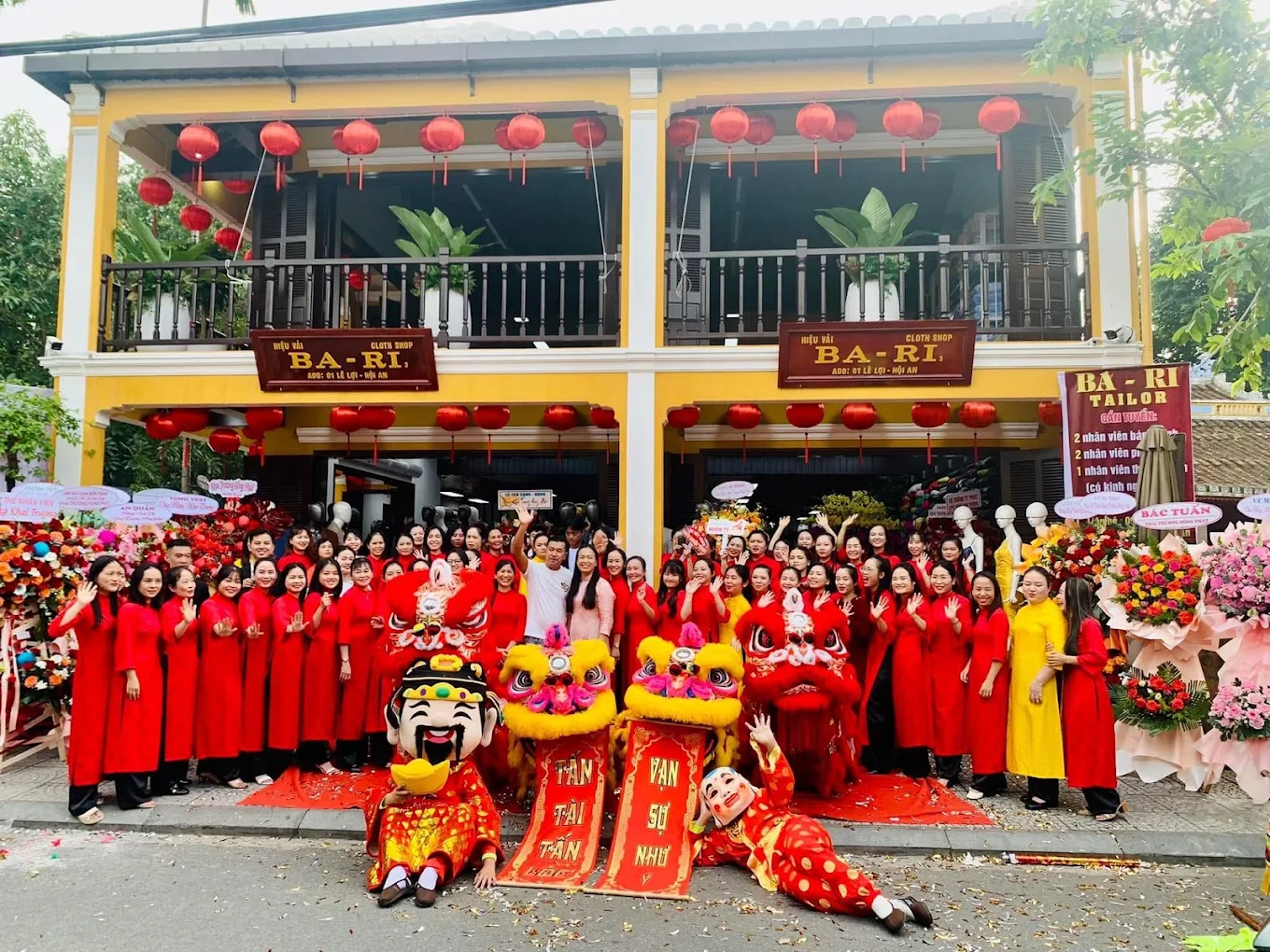
Ba Ri Tailor
Ba Ri Tailor is another small, locally run tailoring shop that travelers often discover while walking around the Old Town.
The shop produces a wide range of garments and is known for friendly service and flexible designs. Because the operation is relatively small, consultations often feel more personal.
Address: 01 Lê Lợi, Hội An
Opening hours: 8:00 AM – 9:00 PM
Typical prices:
- Shirts: around $25–50
- Dresses: around $40–100
- Suits: roughly $150–300
Many visitors consider Ba Ri a good option for simple garments like shirts, linen clothing, or casual dresses.
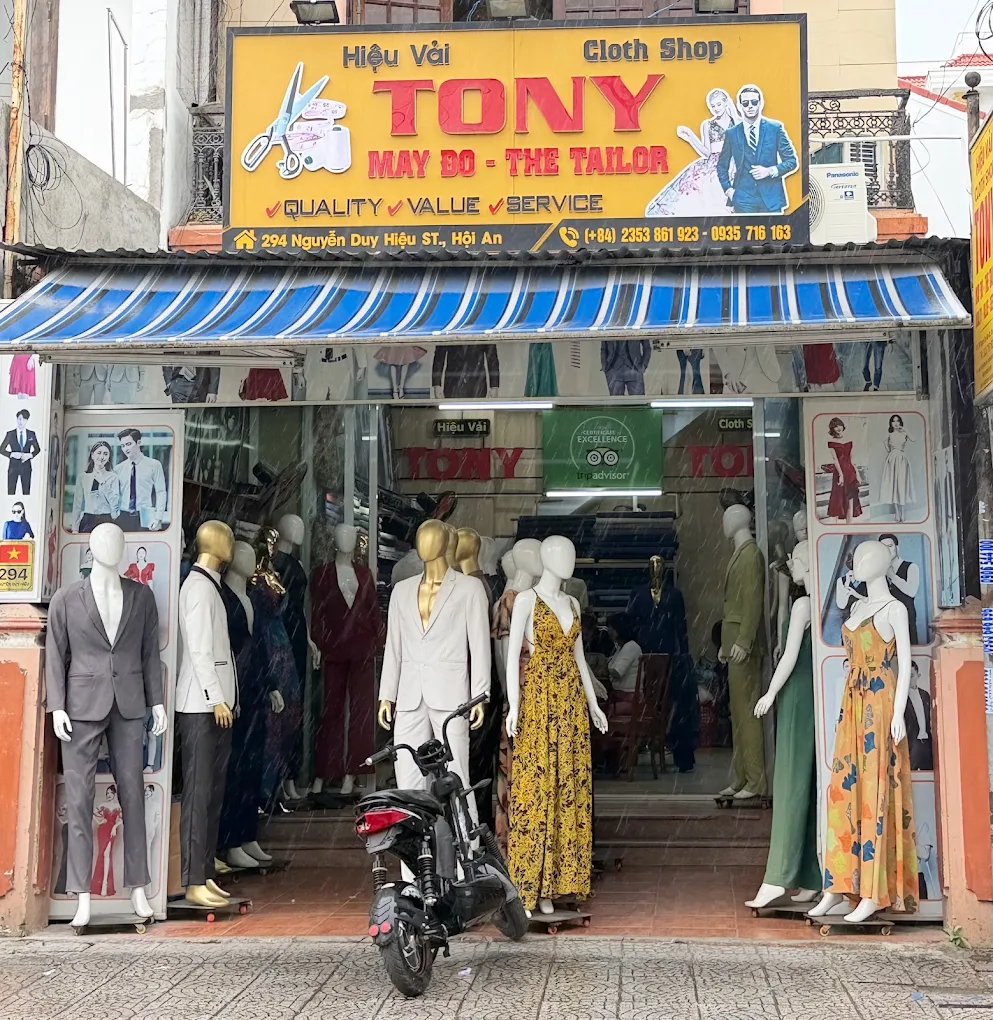
Tony The Tailor
Tony The Tailor is a smaller tailoring shop that many visitors come across when exploring areas just outside the busiest streets of Hoi An. Compared with larger showroom-style tailors, the shop operates on a more traditional scale and focuses on detailed fittings and personal consultations.
Customers often deal directly with the tailor when discussing fabric options, measurements, and design adjustments. The shop produces a variety of garments including suits, shirts, dresses, and casual clothing.
Address: 294 Nguyễn Duy Hiệu, Hội An
Opening hours: 8:00 AM – 8:00 PM
Typical prices:
- Shirts: around $30–60
- Dresses: around $50–120
- Suits: roughly $180–320, depending on fabric
Many visitors appreciate Tony The Tailor for its quieter atmosphere and the opportunity to work more closely with the tailor during the fitting process.
Do You Tip Tailors in Hoi An?
Travelers often ask do you tip tailors in Hoi An.
In Vietnam, tipping is not traditionally expected.
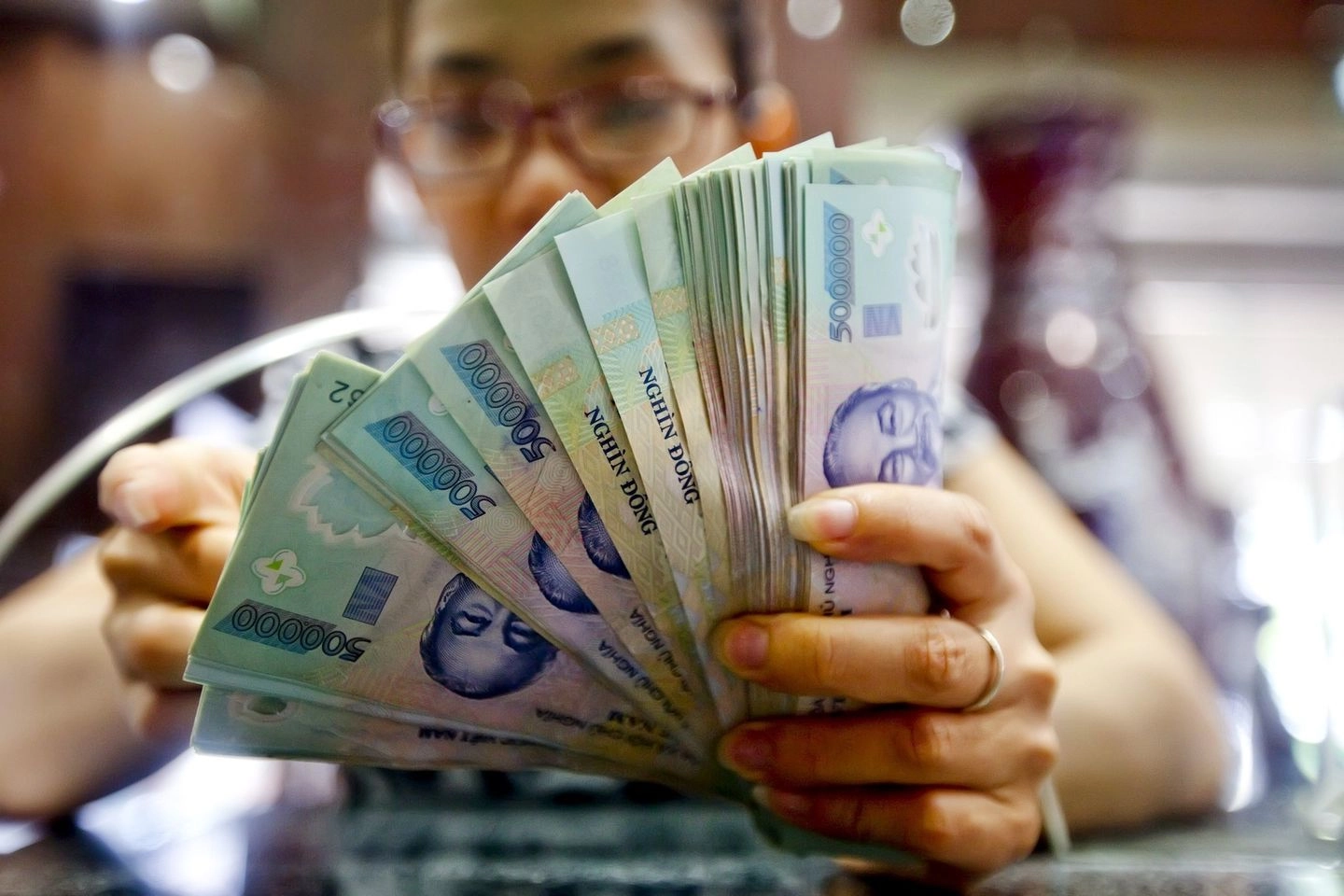
However small gestures are appreciated when service goes above expectations.
Situations where travelers sometimes tip include:
- Rush orders completed overnight
- Extra adjustments or fittings
- Delivery of finished garments to hotels
Most tips range from about five to ten dollars.
Common Mistakes Tourists Make With Hoi An Tailors
Even though tailoring can be rewarding, some travelers make mistakes that affect the final result.
Common mistakes include:
1. Ordering Too Many Items Immediately
It is usually better to start with one garment and evaluate the quality.
2. Choosing Very Cheap Fabric
Low-quality fabrics often wrinkle easily and lose shape.
3. Not Allowing Enough Time
Tailoring works best when fittings can be spread across several days.
4. Copying Designs Without Adjustments
Photos from magazines or Pinterest may not suit every body type.
Good tailors will often suggest small modifications.
Final Thoughts on Hoi An Tailors
The world of Hoi An tailors is a fascinating mix of tradition, craftsmanship, and modern tourism.
Within a few lantern-lit streets, hundreds of workshops produce custom clothing for visitors from around the world.
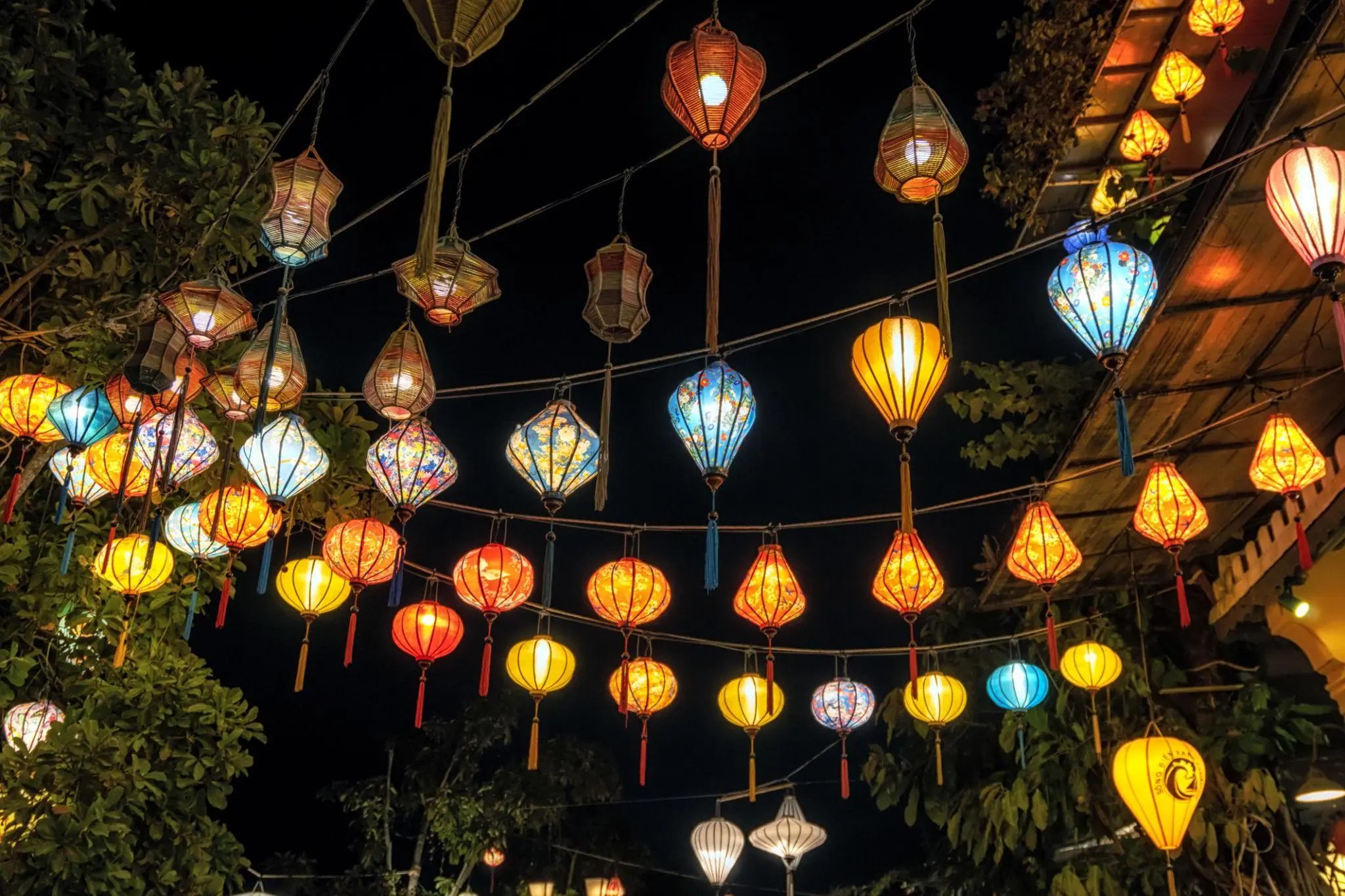
For travelers who research carefully and allow time for fittings, the experience can produce something rare in modern travel: clothing designed specifically for you.
Explore Vietnam Beyond the Tailor Shops
After picking up your custom clothes in Hoi An, there is still much more of Vietnam waiting to be discovered.
One of the best ways to experience local culture is from the back of a vintage Vespa, weaving through neighborhoods most travelers never see.
Vespa A Go Go tours in Ho Chi Minh City take you deep into Saigon’s hidden food streets, historic districts, and nightlife spots with knowledgeable local guides.
If you want to explore Vietnam beyond the usual tourist routes, it is an unforgettable way to see the city.

Duy Le - Marketing Manager
I’m Duy Le, the Marketing Manager at Vespa A Go Go, with three years of experience in marketing and storytelling. My passion lies in helping both travelers and Vietnamese people discover the authentic value of our country’s history and culture. I believe Vietnam travel should be more than just sightseeing — it’s a way to truly connect with Vietnam’s heart and spirit. Through my work, I aim to inspire curiosity, respect, and appreciation for the stories that make Vietnam unique. When I’m not crafting campaigns, I love exploring Saigon’s hidden corners on my Vespa, always in search of the next story worth sharing.
Other tips
- 10 Best Vietnamese Clothing Brands & Local Brands Vietnam
- Beaches Near Hanoi: The Closest Beach Escapes for a Weekend Trip
- Hoi An Tailors: The Complete Insider Guide to Custom Clothes in Vietnam
- Best eSIM for Vietnam (2026 Guide from a Local Perspective)
- Da Nang International Airport Vietnam: A First-Timer Guide to Landing Calmly (DAD)
- Noi Bai International Airport Guide for First-Time Travelers to Vietnam (HAN)
- Traveling Vietnam as a Couple: What to Do, Where to Go, and How It Actually Feels
- Vietnamese Lunar New Year (Tết) 2026
- Vietnamese Mountain Guide
- Best Beaches in Vietnam: How the Coast Actually Works (and How to Choose the Right One)
- 15 Underrated Towns in Vietnam
