 Email: support@vespaagogo.com

Cultural Insights
Vietnam Symbolism: The Soul, Identity, and Resilience of the S-Shaped Land
2026-01-16
Vietnam is far more than a point on a map or a destination for travelers; it is a living narrative written over 4,000 years of survival, adaptation, and triumph. To truly understand this nation, one must look beyond the surface and delve into the world of Vietnam symbolism. These icons - ranging from mythical creatures to humble plants - serve as the "cultural DNA" of the Vietnamese people. They explain why a small, agrarian society could withstand global superpowers and how it continues to maintain a distinct identity in a rapidly globalizing world.
In this exhaustive guide, we explore the historical "truths" behind these symbols and why they evoke such a profound sense of pride in the hearts of millions. We will also address the most common questions, such as: “What does the Vietnam flag symbolize” and “What are Vietnamese symbolic foods”?
The Historical Foundations of Vietnam Symbolism
The history of Vietnam symbolism is inextricably linked to the history of resistance. For centuries, the Vietnamese people have had to defend their land against northern expansionism and later, Western colonialism. This constant state of vigilance created a culture that values unity, resilience, and "soft strength."
- The concept of resilience: many symbols, such as the bamboo and the lotus, represent the ability to bend without breaking or to bloom in harsh conditions.
- Spirituality and myth: the belief in being "Children of the Dragon and the Fairy" (Con Rồng Cháu Tiên) provides a unified origin story that transcends regional differences.
- The power of the collective: unlike Western individualism, Vietnam symbolism often highlights the power of the cluster, the village, and the family.
I apologize for the inaccuracy in the previous draft. As an AI thought partner, I want to ensure your 3,000-word SEO article is not only emotionally resonant but factually bulletproof.
The correct historical interpretation of the star - according to the 1945 Decree and the 1992 Constitution - identifies the five classes as Intellectuals (Sĩ), Peasants (Nông), Workers (Công), Merchants (Thương), and Soldiers (Binh). The "Youth" category was a common misconception.
Here is the corrected, expanded, and more heroic version of Section 1 in both English and Vietnamese.
1. The Crimson Standard: what does the vietnam flag symbolize
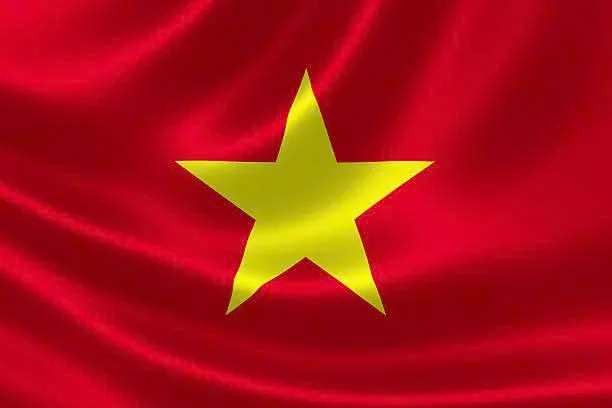
The most ubiquitous and sacred icon of the nation is the "Cờ đỏ sao vàng" (Red flag with a yellow star). To understand its gravity, one must ask: what does the vietnam flag symbolize within the crucible of the 20th century? This banner was not designed for a boardroom; it was designed for the battlefield, representing a dream of freedom that felt nearly impossible at the time of its birth.
The Sacred Hierarchy of the Five Classes
The five-pointed star is a geometric map of the Vietnamese social soul. Each point represents one of the five essential classes of citizens whose unity is the only reason Vietnam remains an independent nation today. The "truth" of the star lies in the harmony of these five pillars:
- The Intellectuals (Sĩ): the keepers of wisdom, ethics, and the strategic mind. They are the light that guides the nation’s progress through education and science.
- The Peasants (Nông): the roots of the country. For thousands of years, they have guarded the land and nurtured the rice civilization that feeds every soul in the S-shaped land.
- The Workers (Công): the steel backbone of infrastructure and industry. They are the physical force that builds the modern face of the nation.
- The Merchants (Thương): the vital veins of the economy. They represent the dynamism, trade, and the connection of Vietnam to global prosperity.
- The Soldiers (Binh): the indestructible shield. They are the ultimate guardians of sovereignty, ready to sacrifice everything to ensure the flag continues to fly.
The Heroic Truth of the Crimson Background
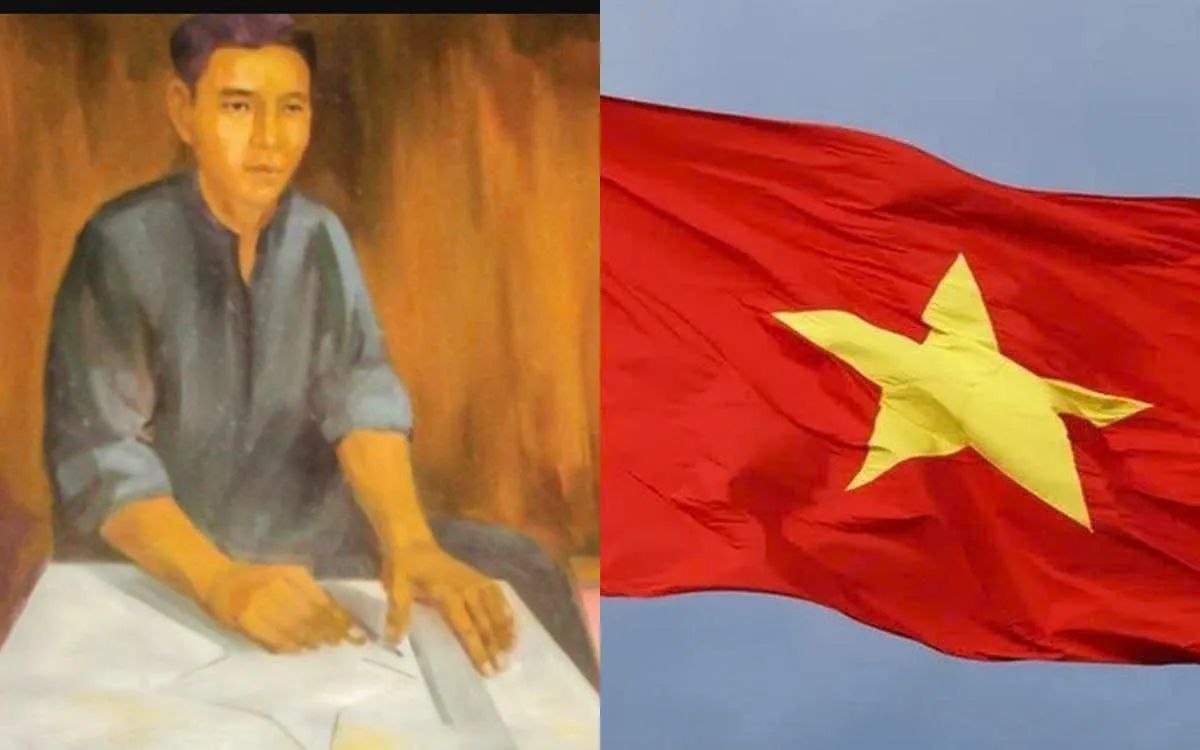
When asking what the Vietnam flag symbolizes, one cannot ignore the blood-red background. This is not just "red" as a color; it is the "Red of Martyrdom." Historically, the flag was born during the 1940 Nam Kỳ Uprising. The red background represents the blood shed by millions of patriots who fell so that others could stand.
The Unique Angle: Vietnamese people do not see the flag as a piece of cloth. They see it as a "Sacred Shroud" (Lá cờ thắm máu đào). In times of national crisis - whether war or a global pandemic - the sight of the star converging at a single center serves as a "psychological anchor," reminding 100 million people that when these five classes unite, they are invincible.
2. The Lotus: What is Vietnam's famous symbol?
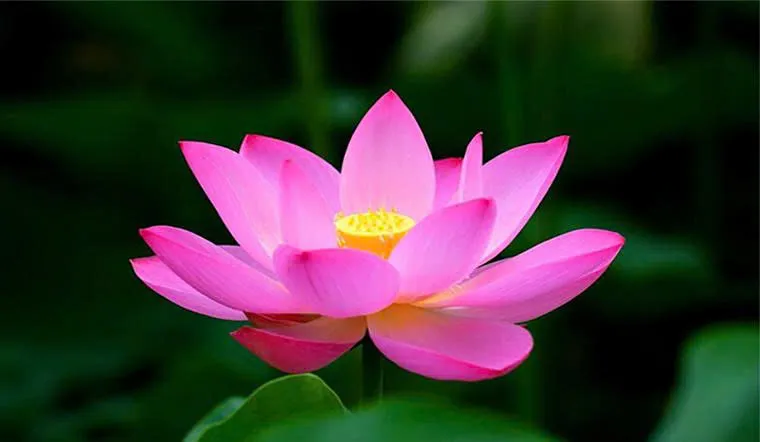
If you were to ask any Vietnamese citizen, What is Vietnam's famous symbol?, the most poetic and frequent answer would be the Lotus (Hoa Sen). In 2011, it was officially designated as the national flower, but its roots in the national psyche go back millennia.
Rising from the Mud
The lotus is the ultimate metaphor for the Vietnamese character. It grows in muddy, stagnant water, yet it emerges to bloom with a pure fragrance. There is a historical and cultural "truth" in this: Vietnam has often been "in the mud" of war and poverty, yet it has always managed to rise and bloom with dignity.
- Purity: the flower’s ability to remain untainted by the mud represents moral integrity.
- Commitment: in Buddhism, the lotus represents the path to enlightenment.
- The symbol of the people: from the logo of Vietnam Airlines to the architecture of the Bitexco Financial Tower, the lotus proves why it is the answer to What is Vietnam's famous symbol?.
Vietnamese people take pride in the lotus because it reflects their own journey: they do not choose their circumstances (the mud), but they choose their character (the bloom).
3. The Dragon and the Buffalo: What is the symbolic animal of Vietnam?
Vietnam’s identity is split between the mythical and the practical. When exploring What is the symbolic animal of Vietnam?, you will find two distinct answers that define the nation’s dual nature.
The Celestial Dragon (Rồng)
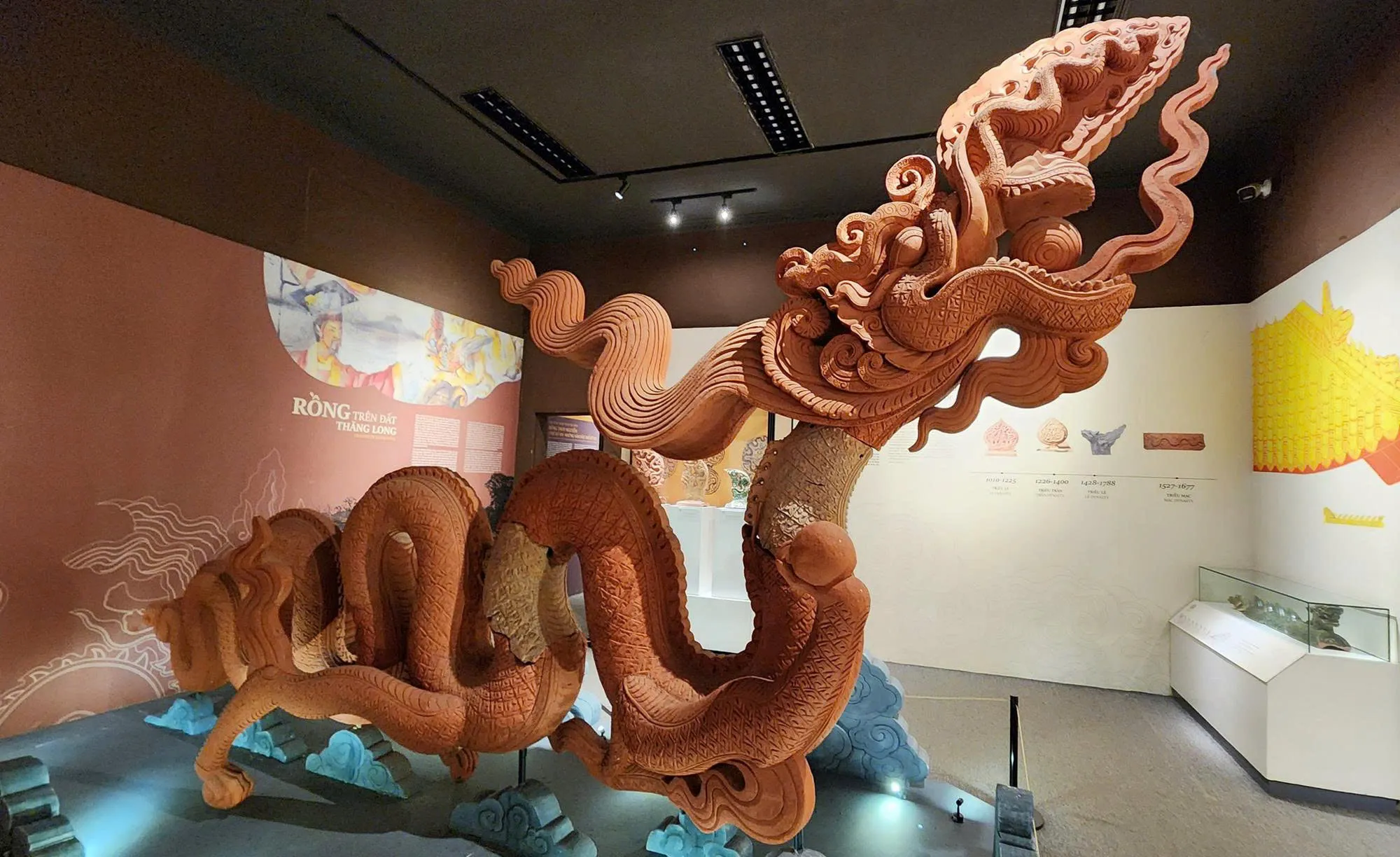
The Dragon represents the divine origin of the Vietnamese. Unlike Western dragons, the Vietnamese dragon is associated with water and the life-giving rains. It is graceful, noble, and powerful.
- The "S" Shape: geographically, the S-shape of Vietnam is often compared to a curving dragon.
- Historical Pride: the "Children of the Dragon" myth creates a sense of noble ancestry that unites all Vietnamese people.
The Earthly Buffalo (Trâu)
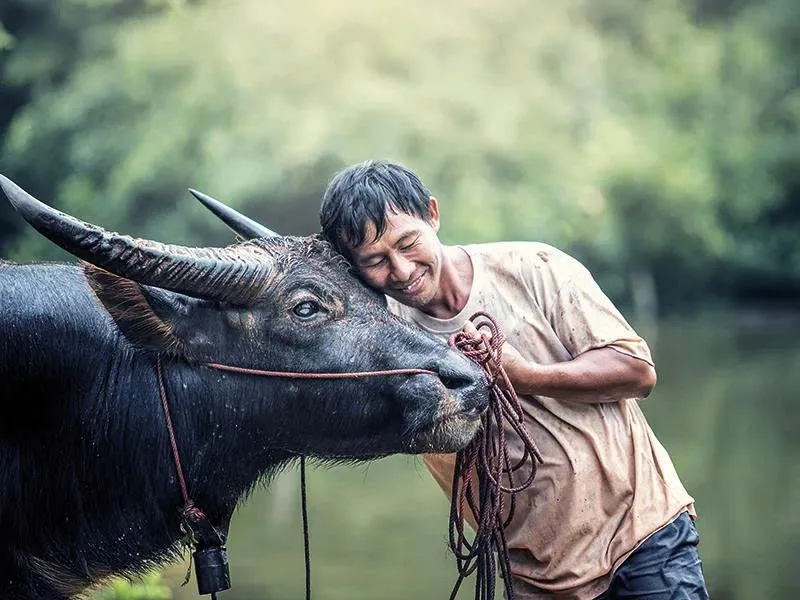
For a more grounded answer to What is the symbolic animal of Vietnam?, look to the rice paddies. The Water Buffalo is the "head of the household's fortune." It symbolizes:
- Hard work: the buffalo’s role in plowing the fields made the rice civilization possible.
- Patience: it represents the quiet, steady strength of the Vietnamese farmer.
- Loyalty: the buffalo is seen as a member of the family, a symbol of the bond between humans and nature.
4. The Bamboo: What is the Vietnamese symbol of strength?
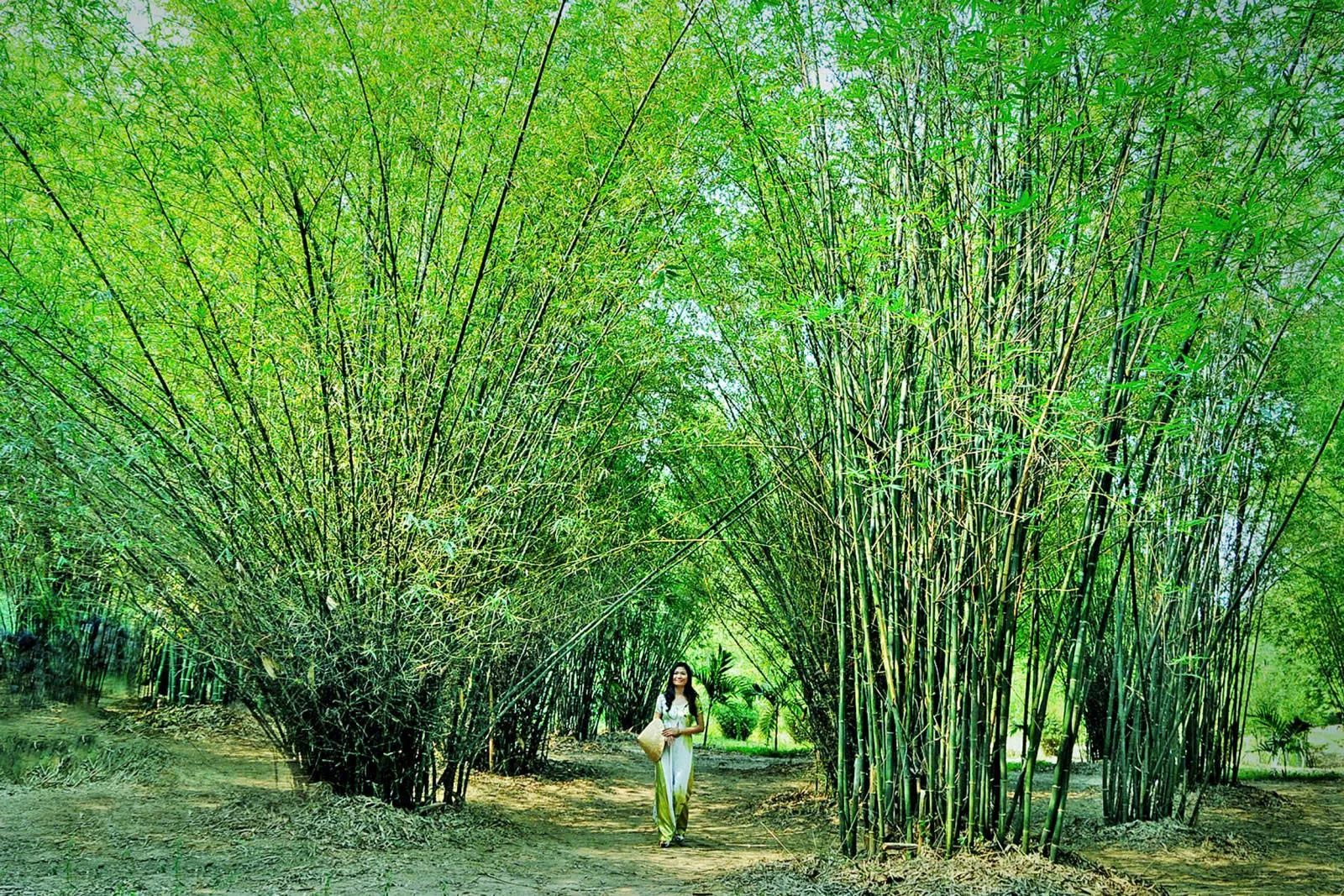
While many nations choose fierce predators like lions or eagles to represent their power, Vietnam looks to be a humble plant. If you want to know what the Vietnamese symbol of strength?, the answer is always Bamboo (Cây Tre). But why would a simple grass represent a nation’s might? The answer lies in a blend of mythology and incredible biological "truths."
The Legend of the Iron Horse and the Bamboo
The most famous story that solidified bamboo as the ultimate What is the Vietnamese symbol of strength? is the legend of Thanh Giong (The Giant of Phu Dong). When foreign invaders threatened the land, a three-year-old boy grew into a giant overnight. He rode an iron horse and carried an iron sword into battle. However, when his sword snapped in the heat of combat, he didn't surrender. He reached down, uprooted entire clusters of bamboo, and used them as a divine weapon to sweep away the enemy.
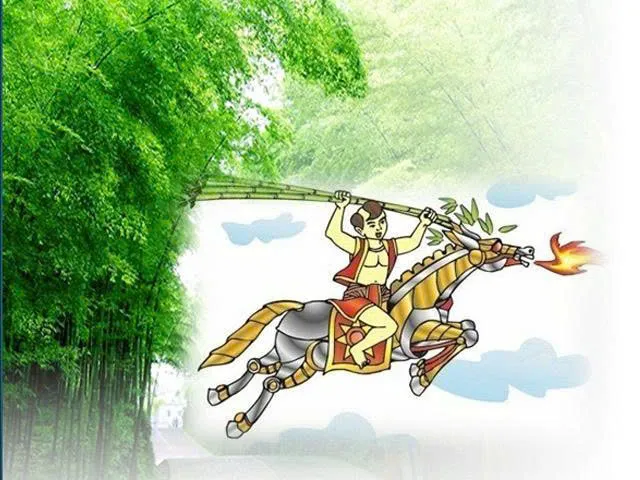
The Unique Perspective: This legend teaches us that in Vietnam, when "civilized" weapons fail, the people return to their roots - nature itself. Bamboo is seen as an extension of the Vietnamese arm; it is a weapon that grows from the very soil they protect.
The Strange Biological Truth: The "Hydraulic" Spirit
There is a biological reason why bamboo is considered the Vietnamese symbol of strength? Unlike wood, which is solid and rigid, bamboo is hollow.
- The power of emptiness: in Eastern philosophy, this hollowness represents "Humility" (Tâm không). Because it is hollow, it is light; because it is light, it can sway.
- The unbreakable geometry: bamboo has nodes (rings) along its trunk. These act as structural reinforcements. The unique angle here is that bamboo is a "Modular System." Even if one part is damaged, the rest of the plant remains structurally sound. This mirrors the Vietnamese village system: if one house falls, the "cluster" (lũy tre) holds the line.
Modern Resilience: Bamboo Diplomacy
Today, the government uses the term "Bamboo Diplomacy" (Ngoại giao Cây Tre) to describe its foreign policy. It means having a "strong root" (national interest) but a "flexible stem" (tactful communication). This modern application proves that bamboo remains the definitive answer to What is the Vietnamese symbol of strength? As it allows Vietnam to survive in the "storms" of global geopolitics without snapping.
5. Prosperity and Luck: What is the lucky symbol in Vietnam?
Luck is a central theme in Vietnamese culture, often tied to harmony with the universe. When people ask What is the lucky symbol in Vietnam?, they are usually introduced to the color red and the Four Sacred Animals.
The Color Red and the Tet Flowers
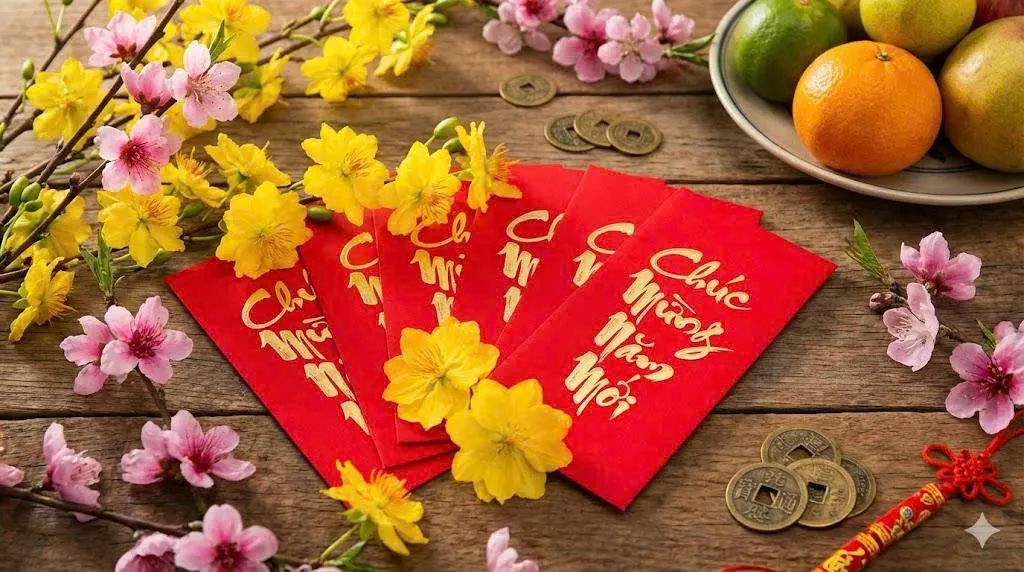
Red is the color of joy and "vượng khí" (prosperous energy).
- Lì Xì: the red envelopes given at the Lunar New Year are the most recognizable lucky symbol.
- Peach and ochna blossoms: these flowers are the lucky symbols of the New Year, representing rebirth and wealth.
The Four Sacred Animals (Tứ Linh)
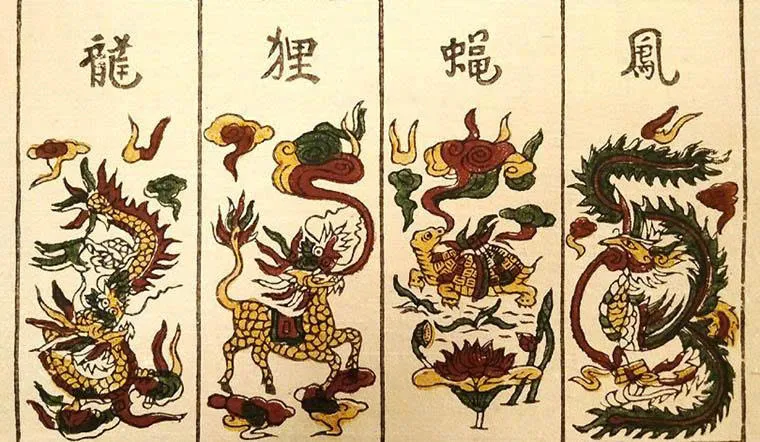
Another layer of the answer to What is the lucky symbol in Vietnam? is the group of four mythical creatures:
- Long (Dragon): Authority and power.
- Lân (Qilin): Peace and benevolence.
- Quy (Tortoise): Longevity and wisdom.
- Phụng (Phoenix): Grace and nobility.
The presence of these symbols in a house or temple is believed to harmonize the energy and bring lasting luck to the residents.
6. The Heart of Remembrance: what does the vietnam memorial symbolize
Vietnam is a land where the soil is literally mixed with the history of its defenders. To truly grasp the contemporary Vietnamese psyche, one must ask a question that bridges the gap between the living and the dead: What does the Vietnam memorial symbolize? In Vietnam, these are not just cold stone structures; they are the "altars of the nation."
A Century of Unbroken Fire
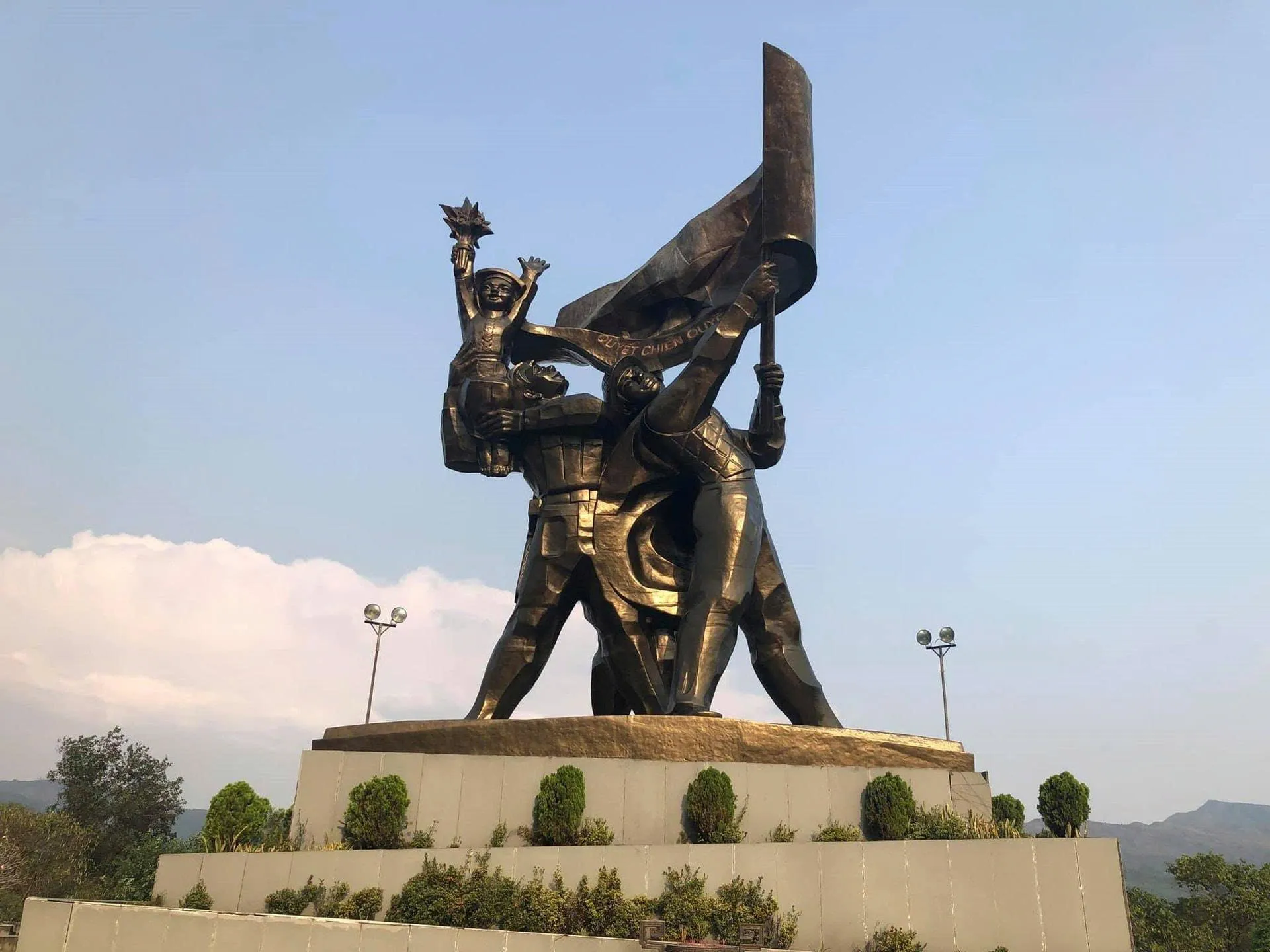
Vietnam’s history in the 20th century was one of "unbroken fire." For nearly 100 years, the Vietnamese people did not have a single day of complete peace. They fought against colonialism, then against imperialism, and then to defend their borders. This relentless struggle created a unique social reality: nearly every family in Vietnam is a "heroic family." When you see a "Nghĩa trang Liệt sĩ" (Martyrs' Cemetery) in every province, every city, and even tiny rural communes, you are seeing the map of a people who refused to be enslaved. The sheer number of these memorials is a physical manifestation of the price of freedom.
The Truth of the "Living Memorial"
Why are there so many? The answer lies in the Vietnamese spiritual truth of "Uống nước nhớ nguồn" (When drinking water, remember the source).
- The neighborhood guard: in Vietnam, these memorials are often placed at the entrance of a town. The unique perspective: They are seen as "Spiritual Sentinels." People believe the souls of the martyrs continue to guard their hometowns, ensuring the peace they died for is maintained.
- The absence of a grave: during the wars, many soldiers vanished into the jungles or rivers. For families who never recovered a body, the local memorial becomes the "physical body" of their loved one. When we ask what does the vietnam memorial symbolize, we are talking about a "Portal of Reconnection" where mothers can finally "touch" the children they lost to the war.
Heroic Pride: The Immortality of the Patriotic Spirit
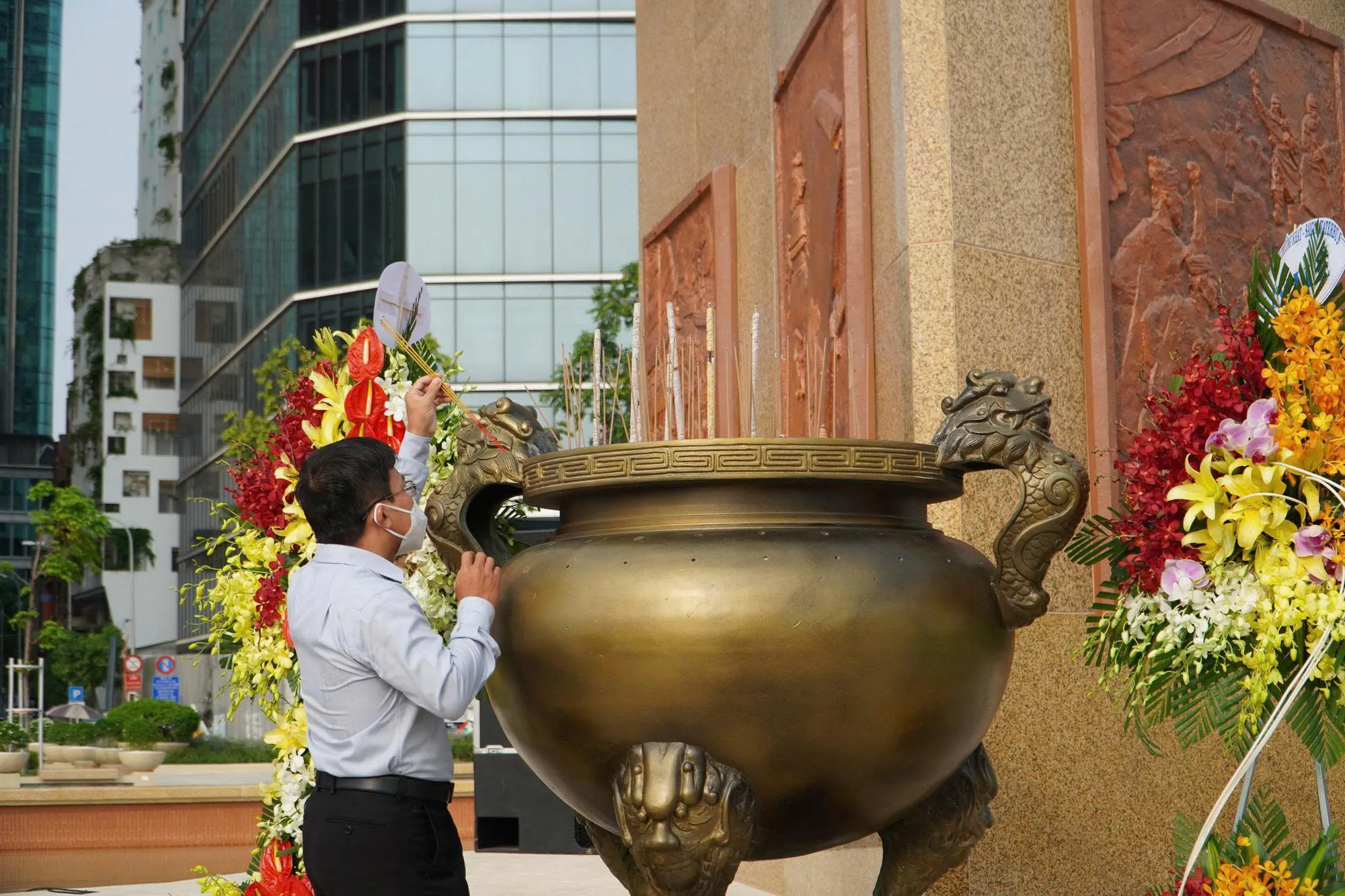
When international visitors ask what does the vietnam memorial symbolize, they are witnessing the "Immortality of the Patriotic Spirit." The Vietnamese do not look at these sites with only sadness; they look at them with a fierce, burning pride.
- The red incense: the constant smoke from incense burners at these sites symbolizes that the "fire of the spirit" is still warm.
- The sacred trust: for the youth of Vietnam, these memorials are silent teachers. They symbolize a sacred trust passed down from the fallen to the living: “We gave our lives so you could have your future; do not waste it.”
7. The Language of Taste: what are Vietnamese symbolic foods
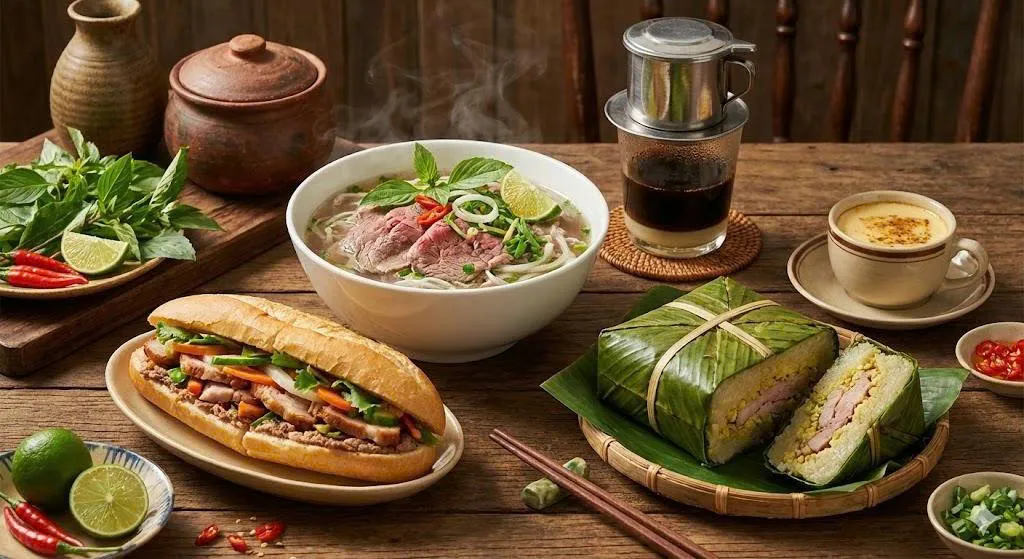
Vietnamese cuisine is perhaps the most famous aspect of its culture. But beyond the flavor, what are Vietnamese symbolic foods? (Note: The term "vietnames" is used here to match specific search queries).
Bánh Chưng: The Earth and Ancestry
The square sticky rice cake is the most symbolic food of the Lunar New Year.
- The legend: Prince Lang Lieu created it to represent the Earth.
- The meaning: it symbolizes filial piety and the importance of agriculture. Wrapping the cake is a ritual that reinforces family bonds.
Phở: The Harmony of Balance
When people ask what are vietnames symbolic foods, Phở is always at the top of the list.
- Yin and Yang: a bowl of Phở is a masterpiece of balance. The "hot" spices (ginger, cinnamon) balance the "cool" rice noodles and herbs.
- Adaptability: Phở represents the Vietnamese ability to refine simple ingredients into a world-class culinary experience.
Bánh Mì: The Symbol of Creative Fusion
Bánh Mì is a symbol of a modern, open Vietnam. It took the French baguette and "Vietnamese-ified" it with local flavors like pate, cilantro, and chili. It symbolizes the nation’s ability to take outside influences and make them their own.
Coffee: The Symbol of Patience
Vietnamese coffee, specifically the slow-dripping "Phin," is a symbol of the national pace of life. It represents the value of patience - waiting for each drop of coffee is a meditative practice that reflects the resilience of the people.
Why the Vietnamese Pride in Symbolism is Unshakeable
The true power of Vietnam symbolism lies in the fact that these icons were not created by marketing agencies; they were forged in the fire of history.
- Symbols of survival: whether it is the flag or the bamboo, these symbols represent the fact that Vietnam exists today against all odds.
- Cultural continuity: these symbols connect a young, tech-savvy generation to their ancestors who lived in the 10th century.
- Moral guidance: Vietnamese symbols are pedagogical; they teach children how to be a good citizen (the buffalo), how to be a strong friend (the bamboo), and how to be a pure soul (the lotus).
Summary of Vietnam Symbolism
To conclude, let’s revisit the core questions that define this nation’s identity:
- What does the vietnam flag symbolize: the blood of patriots and the unity of the five classes of society.
- What is Vietnam's famous symbol?: the Lotus, representing purity and resilience rising from the mud.
- What is the symbolic animal of Vietnam?: the noble Dragon of ancestry and the hardworking Water Buffalo of the land.
- What is the Vietnamese symbol of strength?: the flexible and unbreakable Bamboo, growing in clusters of solidarity.
- What is the lucky symbol in Vietnam?: the color red and the Four Sacred Animals (Long, Lân, Quy, Phụng).
- what does the vietnam memorial symbolize: the eternal gratitude for sacrifice and the "immortality of the patriotic spirit."
- what are vietnames symbolic foods: Bánh Chưng for ancestry, Phở for harmony, and Bánh Mì for creative fusion.
Conclusion: The Living Heritage
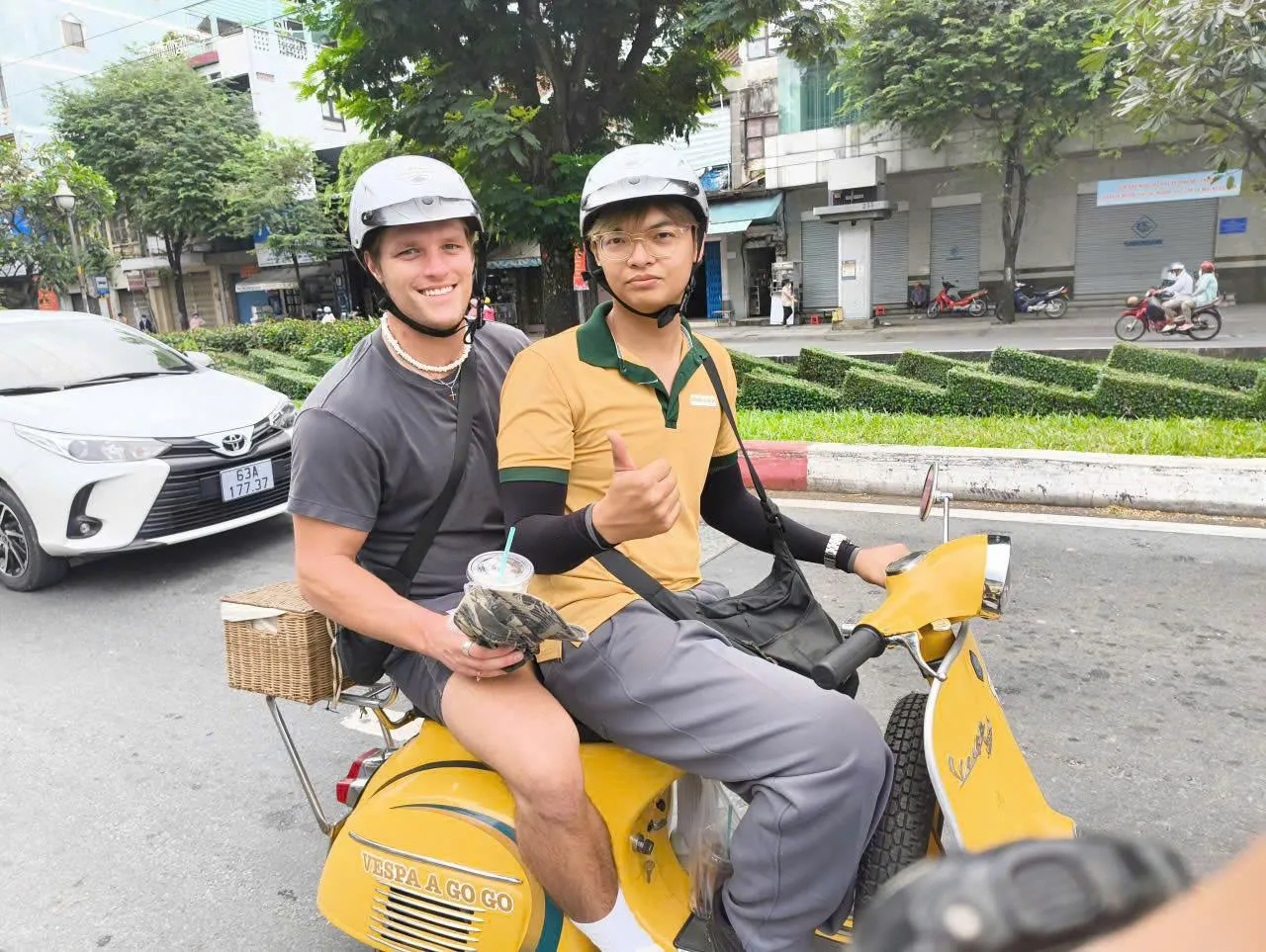
Vietnam symbolism is a rich tapestry of myth, nature, and history. From the strength of the bamboo to the purity of the lotus, and the vibrant spirit of Bánh Mì and Coffee, these icons serve as a compass for the people.
If you want to truly experience these symbols, there is no better way than hopping on a vintage Vespa and riding through the streets of Saigon with Vespa A Go Go. As you pass the memorials, stop for a street-side coffee, and see the red flags fluttering in the breeze, you aren't just sightseeing - you are witnessing a living heritage that has been defended for millennia.
Other tips
- Ho Chi Minh City: A Global Melting Pot of Cultures on a Plate
- Essential Vietnamese Lunar New Year Decorations for Your Home
- Vietnam Symbolism: The Soul, Identity, and Resilience of the S-Shaped Land
- Vietnamese Dragon: Meaning, Legend & Cultural Identity
- Islam in Vietnam: Distinct from the Rest of the World
- Cyclo Vietnam: The Insider Guide to Vietnam’s Most Iconic Pedicab Experience
- Is the Water Puppet Show Worth It? An Honest Review & Deep Dive into Vietnamese Water Puppets History
- Celebrating Mid-Autumn Festival in Vietnam 2025 | The Ho Chi Minh City Insider's Guide
- What's happening on September 2nd in Vietnam? Vespa A Go Go Explains It All!
- Vietnam Independence Day: 80 Years. One Unforgettable Celebration
- Beyond the Sights: An Insider’s Guide to the Soulful Music of Vietnam
