 Email: support@vespaagogo.com

Vietnam Travel
Beaches Near Hanoi: The Closest Beach Escapes for a Weekend Trip
2026-03-13
If you are visiting Vietnam’s capital and craving some ocean air, you might be wondering: are there any beaches near Hanoi?
At first glance, Hanoi doesn’t feel like a coastal city. The capital sits inland along the Red River, surrounded by lakes, farmland, and low mountains rather than beaches. Many travelers assume that reaching the sea requires flying to central Vietnam or heading far south to tropical islands.
But the reality is much more convenient.
Several beaches near Hanoi can actually be reached within 120–230 kilometers, making them realistic weekend beach escapes from the capital. Thanks to new highways and faster ferry connections, trips that once took half a day can now be done in just a few hours.
Some destinations are lively coastal towns filled with seafood restaurants, resorts, and entertainment areas. Others are quiet islands where fishing boats line the shore and long stretches of sand remain surprisingly peaceful.
This guide explains everything you need to know about the closest beaches near Hanoi, including:
- How far Hanoi is from each beach
- Transportation routes and typical travel costs
- Beach resorts near Hanoi
- Hidden beaches near Hanoi that many travelers overlook
Whether you want a quick coastal day trip or a relaxed island weekend, the northern Vietnamese coastline offers several accessible options from Hanoi.
Are There Any Beaches Near Hanoi?
Yes, there are several beaches within a few hours of Hanoi.
Northern Vietnam borders the Gulf of Tonkin, and the coastline is closer to the capital than many travelers realize. The nearest beaches are located in the coastal provinces of Hai Phong and Quang Ninh, both of which are connected to Hanoi by modern expressways.
The closest beach is roughly 120 kilometers from Hanoi, while island destinations may require traveling 200 kilometers or more, including ferry crossings.
Travelers leaving Hanoi for the coast usually visit places such as:
- Do Son Beach, the closest beach to Hanoi
- Cat Ba Island, one of the most scenic island destinations in northern Vietnam
- Ha Long Bay, a UNESCO World Heritage Site famous for limestone islands
- Quan Lan Island, a quieter hidden beach destination
- Co To Island, known for its long sandy beaches and clear water
Because highways now connect Hanoi directly to coastal cities, travel times have shortened dramatically. A journey that once took five or six hours can now often be completed in half that time.
For travelers who want to experience the ocean without flying across the country, these destinations provide realistic coastal escapes from the capital.
Cat Ba Island – The Best Beach Escape Near Hanoi
Distance from Hanoi
Cat Ba Island sits approximately 150 kilometers from Hanoi, making it one of the closest island beach destinations in northern Vietnam.
Although the distance itself is not far, the journey includes a sea crossing, which is why travel usually takes a few hours. Even so, Cat Ba remains one of the most practical beach escapes from Hanoi, especially for travelers looking for a weekend trip.
Travel Time
The trip typically takes 3 to 3.5 hours, depending on traffic leaving Hanoi and ferry schedules between the mainland and the island.
Compared with island destinations elsewhere in Vietnam, Cat Ba is relatively easy to reach.
Why Cat Ba Is the Best Beach Near Hanoi
Many travelers consider Cat Ba the most balanced coastal destination near the capital.
The island offers several advantages:
- Accessible beaches
- Dramatic limestone landscapes similar to Ha Long Bay
- Kayaking and boat trips through Lan Ha Bay
- Hiking opportunities in Cat Ba National Park
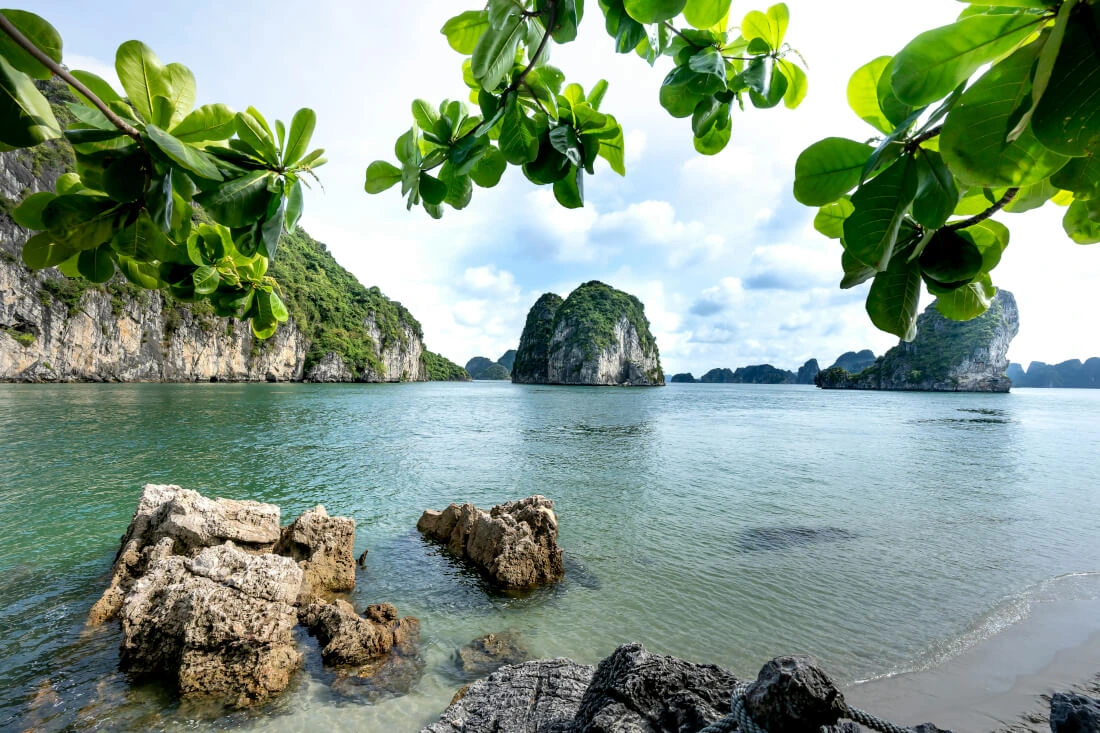
Because Cat Ba sits just south of Ha Long Bay, the scenery is similar, but the atmosphere is usually quieter. Instead of crowded cruise routes, Lan Ha Bay features smaller fishing villages and calmer waterways.
For travelers who want both beach time and nature, Cat Ba Island often provides the best combination.
How to Get There From Hanoi
Travel from Hanoi to Cat Ba generally happens in two stages.
First, travelers leave Hanoi by bus or limousine van and head toward the port city of Hai Phong.
Second, they cross the water to Cat Ba Island by ferry or cable car.
The most common option is a limousine bus + ferry transfer, which many transport companies organize as a single booking.
Typical transportation costs include:
- Limousine bus Hanoi → Hai Phong: 250,000–350,000 VND
- Ferry or island transfer: 70,000–250,000 VND
The total transportation cost usually ranges between: 350,000 and 500,000 VND (~$14–20 USD).

Many buses depart from Hanoi’s Old Quarter and drop passengers near Cat Ba town, making the journey fairly straightforward even for first-time visitors.
Another option is traveling by private car or motorbike, which allows more flexibility but requires navigating the ferry crossing independently.
Beaches on Cat Ba Island
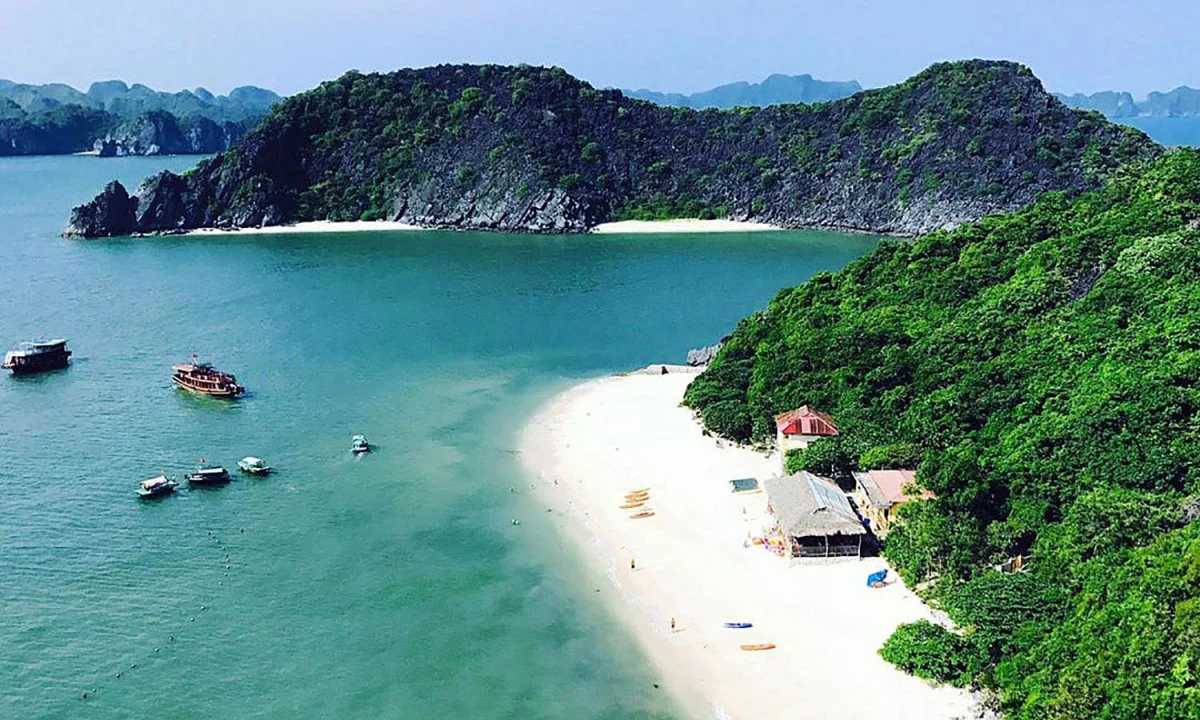
Cat Ba’s most accessible swimming beaches are located on the southern coast near Cat Ba town.
The three main beaches are:
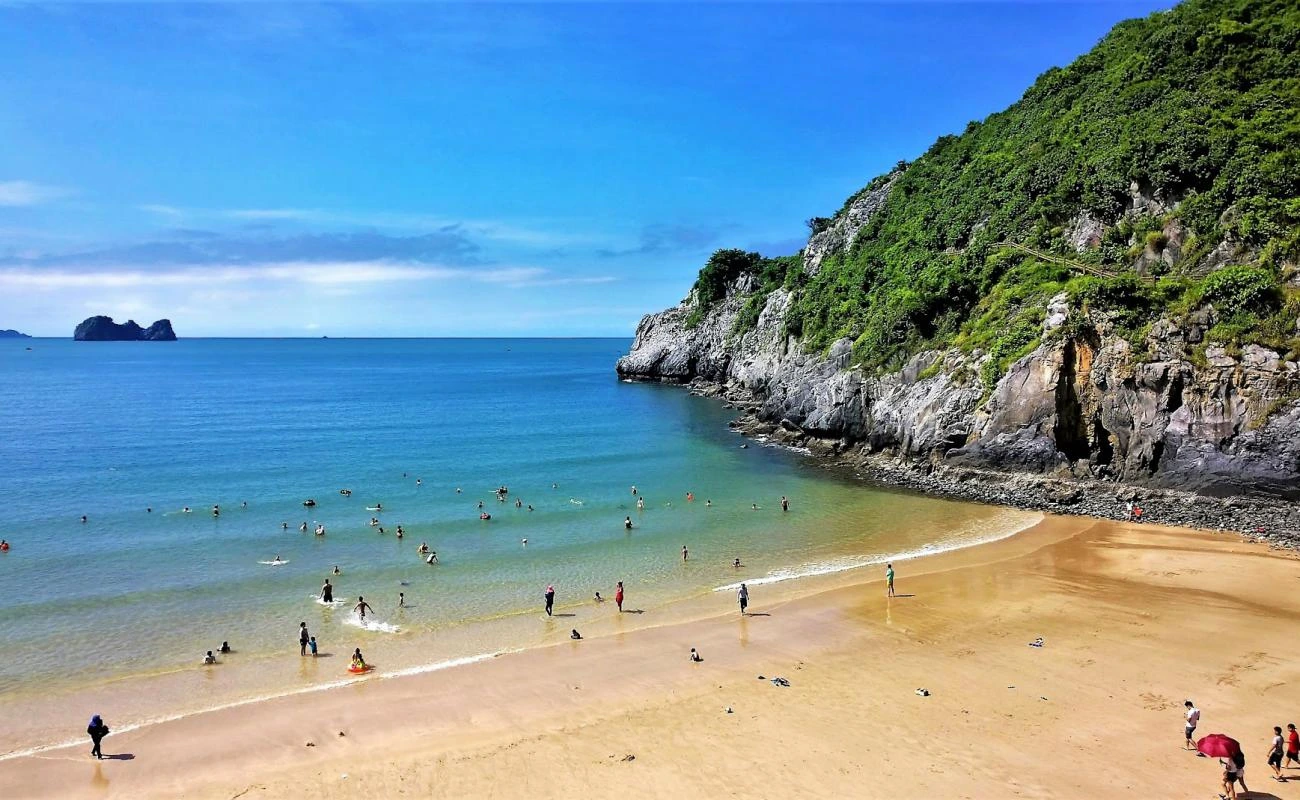
Cat Co 1 Beach
Cat Co 1 is the largest of the three beaches and often the most active. During summer weekends it can become lively with Vietnamese visitors enjoying the water.
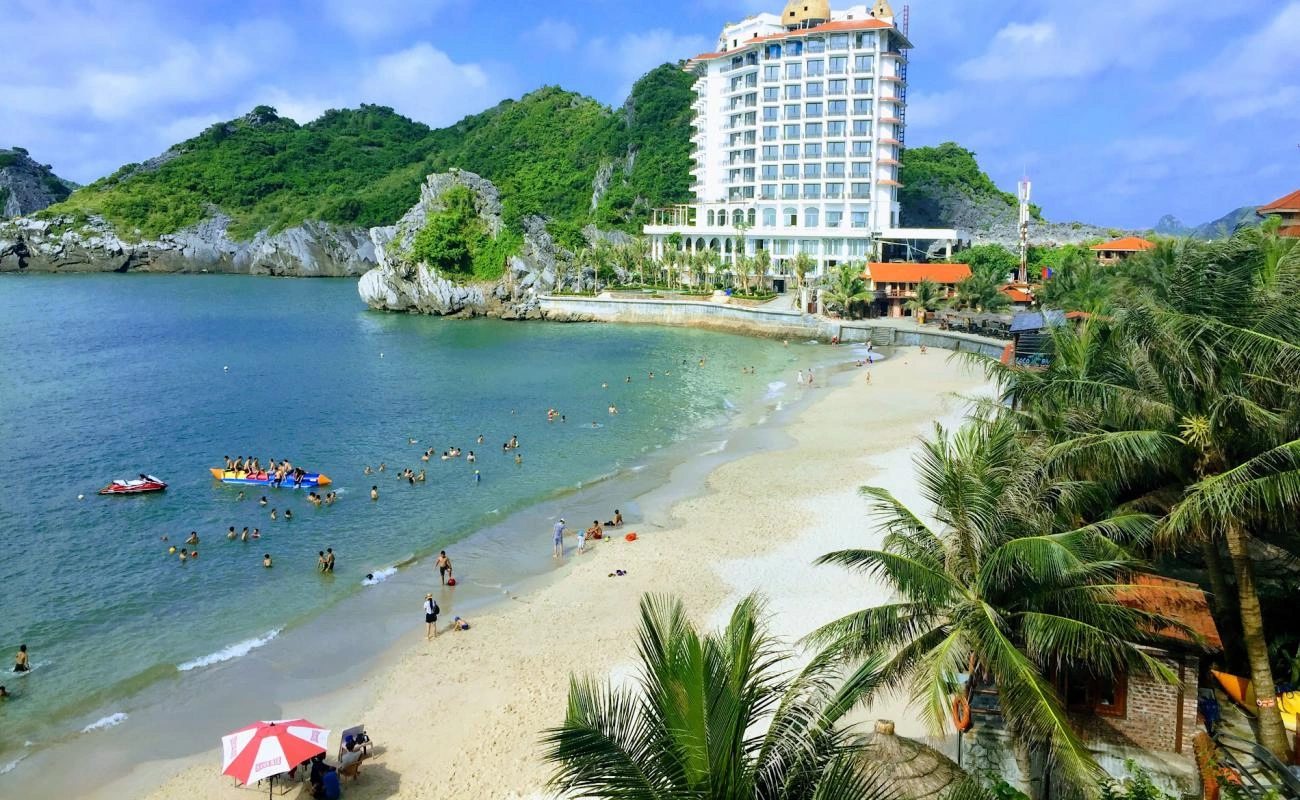
Cat Co 2 Beach
Cat Co 2 tends to feel slightly quieter and more relaxed. The beach sits in a small bay surrounded by limestone cliffs, which gives it a scenic atmosphere.
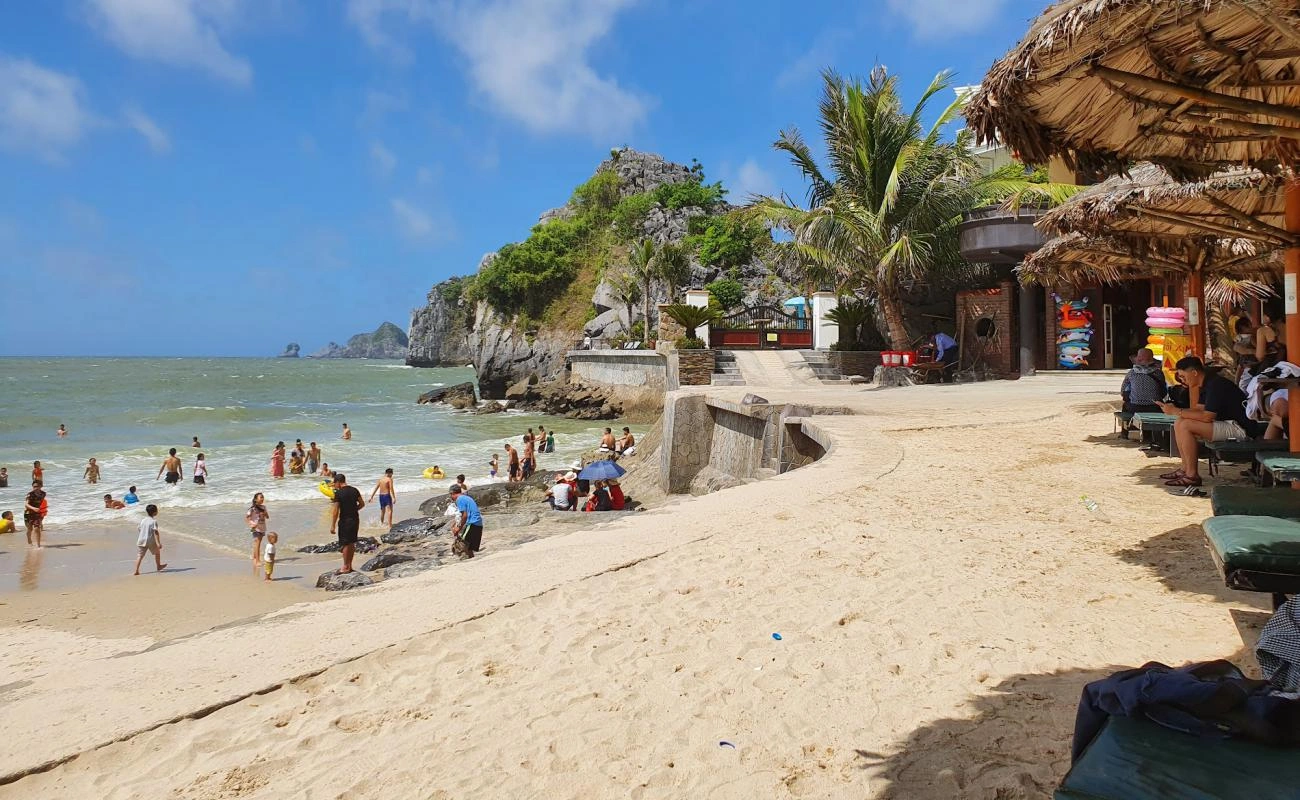
Cat Co 3 Beach
Cat Co 3 is the most developed beach area because several large resorts are located nearby. The beach is clean and wide, and it offers some of the best sunset views on the island.
Walking paths carved along the cliffs connect all three beaches, allowing visitors to explore them easily.
Beach Resorts Near Cat Ba
Cat Ba has developed rapidly in recent years, and several large resorts now line the coast.
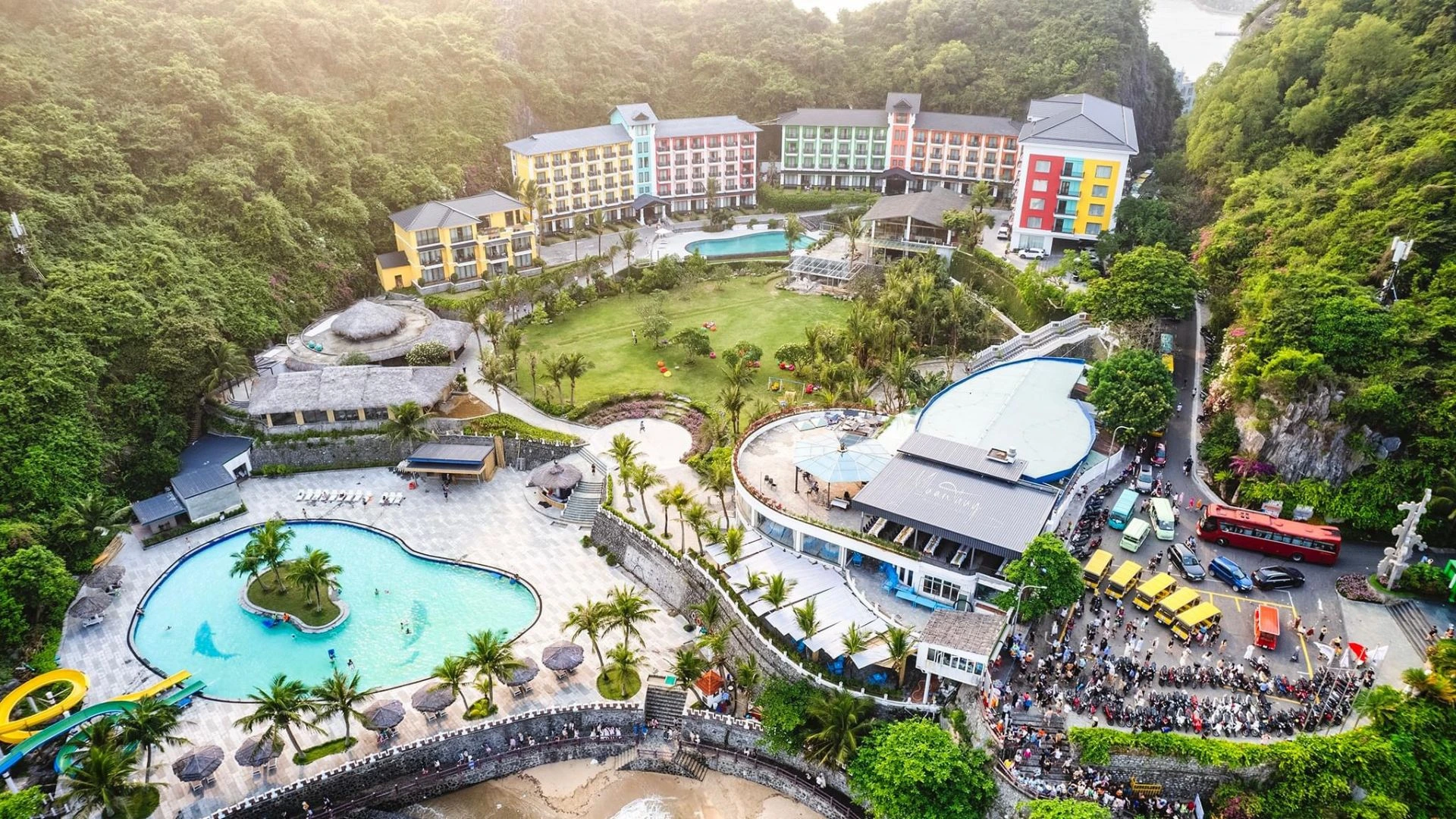
Flamingo Cat Ba Beach Resort
This luxury resort is one of the most visually striking properties in northern Vietnam. Terraced buildings rise above the coastline, with balconies facing directly toward Lan Ha Bay.
The resort also features several infinity pools and private beach access.
- Address: Cat Co 1 & 2 Beach, Cat Ba Island, Hai Phong
- Price range: 3,500,000 – 13,000,000 VND per night

The May Legend CatBa Beach Resort & Spa
A newer boutique hotel near Cat Ba town with sea-view rooms and modern design. It’s a smaller property but convenient for travelers who want easy access to both the beach and restaurants in town.
- Address: Cat Co 1 Beach, Cat Ba Island, Hai Phong
- Price range: 1,500,000 – 3,000,000 VND per night
Beyond the Beaches: Lan Ha Bay
One reason Cat Ba stands out among beaches near Hanoi is its proximity to Lan Ha Bay.
Lan Ha Bay contains hundreds of limestone islands similar to Ha Long Bay, but the waters are usually quieter and less crowded with large cruise ships.
Popular activities include:
- Kayaking between limestone islands
- Swimming in hidden lagoons
- Boat trips to floating fishing villages
- Sunset cruises through the bay
These activities often become the highlight of a Cat Ba trip.
Cat Ba National Park
Another unique feature of the island is Cat Ba National Park, which covers much of the island’s interior.
Visitors can hike through tropical forest trails to reach viewpoints overlooking Lan Ha Bay. Some trails lead to limestone peaks that offer sweeping views across the islands.
For travelers who enjoy both beaches and nature, Cat Ba provides an experience that few other northern beach destinations can match.

Local Insight (Optional Expansion)
You may want to add a short story about the floating fishing villages of Lan Ha Bay.
For example:
Many families in the bay still live in floating homes anchored between limestone islands. These villages have historically relied on fishing and aquaculture, raising fish and shellfish in floating cages beneath their houses.
Tours visiting these communities can provide a glimpse into a traditional coastal lifestyle that has existed in this region for generations.
Ha Long Bay – The Most Famous Coastal Destination Near Hanoi
Distance from Hanoi
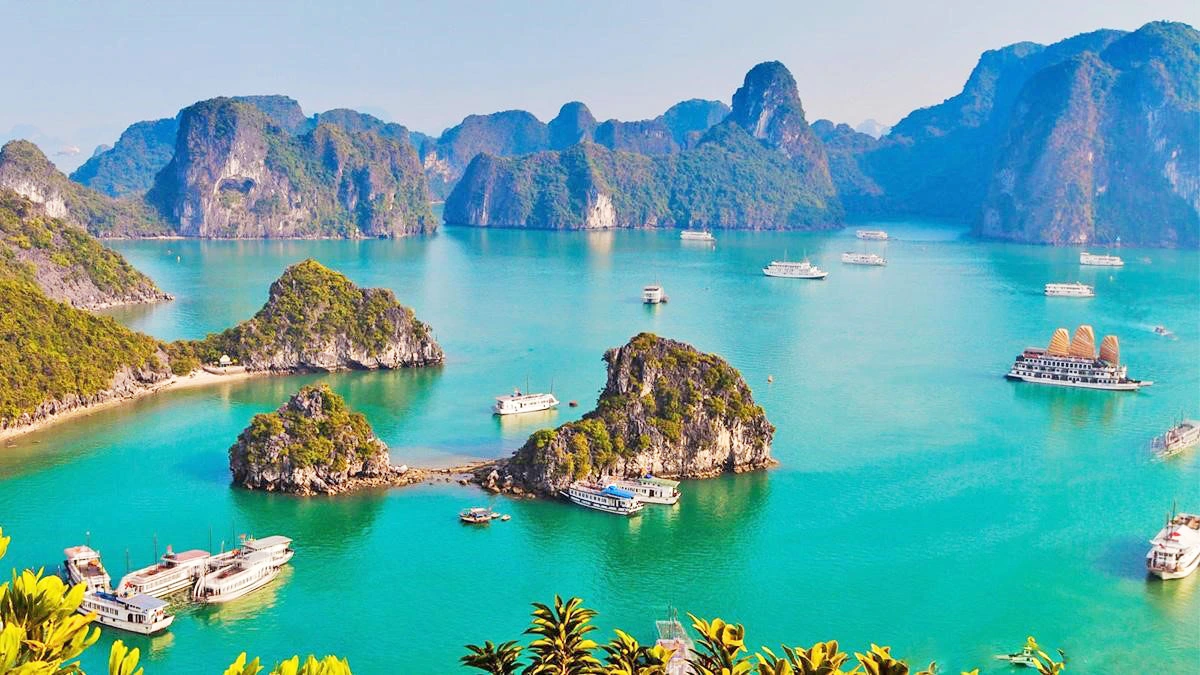
Ha Long Bay lies approximately 165 kilometers east of Hanoi, along the coast of Quang Ninh Province.
Although it is best known for its limestone islands rather than traditional beaches, Ha Long still offers several swimming areas and resort beaches near the city.
Because of modern highways connecting Hanoi to the coast, Ha Long Bay has become one of the easiest beach destinations to reach from the capital.
Travel Time
Travel from Hanoi to Ha Long typically takes 2.5 to 3 hours via the Hanoi–Ha Long expressway.
This makes Ha Long one of the most convenient coastal escapes for travelers who want to experience the sea without spending an entire day on the road.
Why Ha Long Bay Is Unique
Ha Long Bay is not just a beach destination. It is one of Vietnam’s most famous natural landscapes and has been recognized as a UNESCO World Heritage Site.
The bay contains thousands of limestone islands rising dramatically from the water. Many of these islands are uninhabited and covered with dense vegetation.

Visitors often combine several activities during a trip to Ha Long, including:
- Swimming at small island beaches
- Taking boat cruises through limestone islands
- Kayaking through hidden lagoons
- Visiting caves inside the karst formations
For many travelers, the beach becomes just one part of a larger experience exploring the bay.
How to Get There From Hanoi
The most common way to reach Ha Long is by limousine van or bus from Hanoi.
Many transport companies depart from the Old Quarter or central Hanoi hotels.
Typical transportation cost: 250,000 – 350,000 VND
Travel time: Approximately 2.5–3 hours.
Private cars or taxis are also possible, though they cost significantly more.
Beaches in Ha Long
Although Ha Long Bay is famous for its limestone islands, several beaches can be enjoyed during a visit.
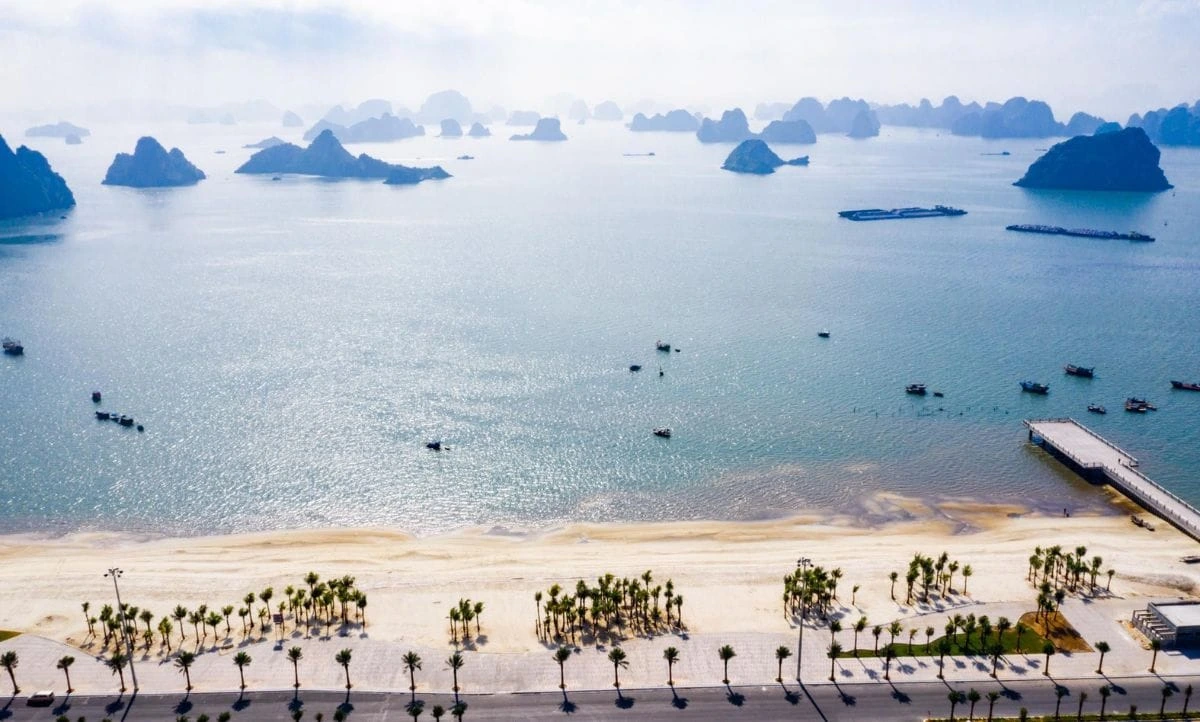
Bai Chay Beach
Bai Chay Beach is located along the main tourist district of Ha Long City. The beach is wide, sandy, and easy to access from nearby hotels.
Because of its location near the city, Bai Chay can become lively during summer evenings when both locals and tourists gather along the waterfront.
Ti Top Island Beach
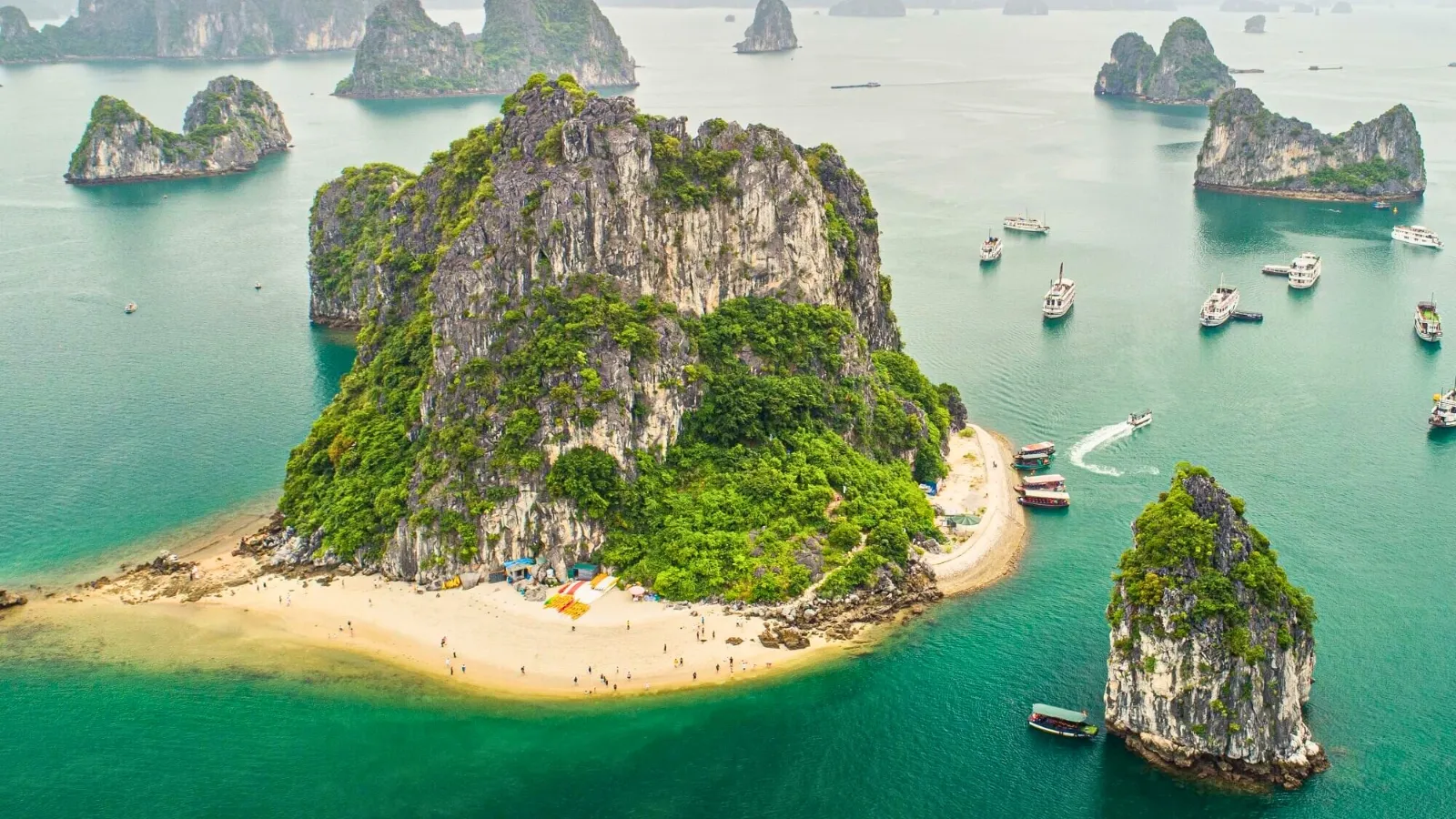
Ti Top Island Beach sits inside Ha Long Bay itself and is usually visited during boat tours.
The beach is relatively small but surrounded by limestone cliffs and clear water. A short hike up the island leads to one of the most famous viewpoints in Ha Long Bay.
Beach Resorts Near Ha Long
Ha Long has developed into a major tourism hub, and several large resorts have been built around the bay.
Vinpearl Resort & Spa Ha Long
This luxury resort sits on Reu Island, a small island just offshore from Ha Long City. Guests enjoy panoramic views of the bay and private access to the water.
- Address: Reu Island, Bai Chay Ward, Ha Long City
- Price range: 3,200,000 – 6,000,000 VND per night

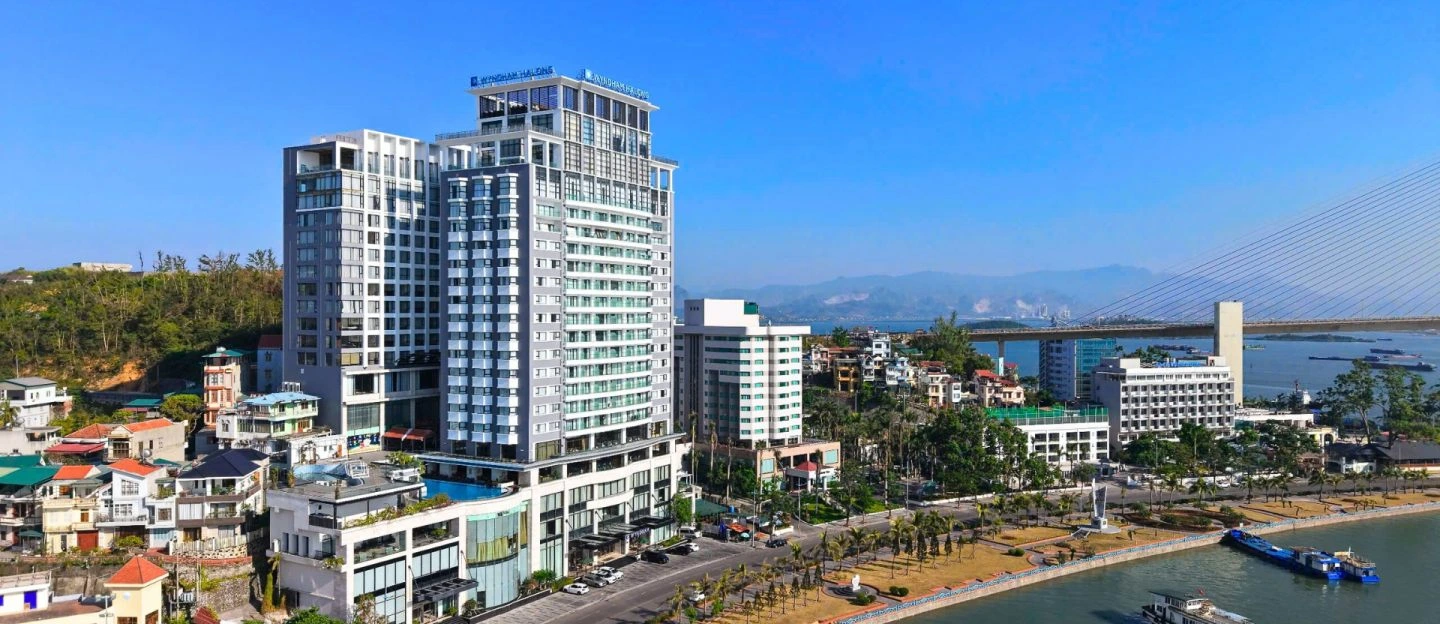
Wyndham Legend Halong Hotel
A large waterfront hotel located along the coastal road facing Bai Chay Beach.
- Address: 12 Ha Long Road, Bai Chay Ward, Ha Long
- Price range: 2,000,000 – 4,000,000 VND per night
Local insight: Ha Long City originally grew as a coal mining center during the French colonial period. Tourism only began expanding rapidly after the bay received international recognition in the 1990s.
Do Son Beach – The Closest Beach to Hanoi
Distance from Hanoi
Do Son Beach sits approximately 120 kilometers from Hanoi, making it the closest beach to the capital.
Because of this short distance, Do Son has long been a popular weekend getaway for residents of both Hanoi and Hai Phong.
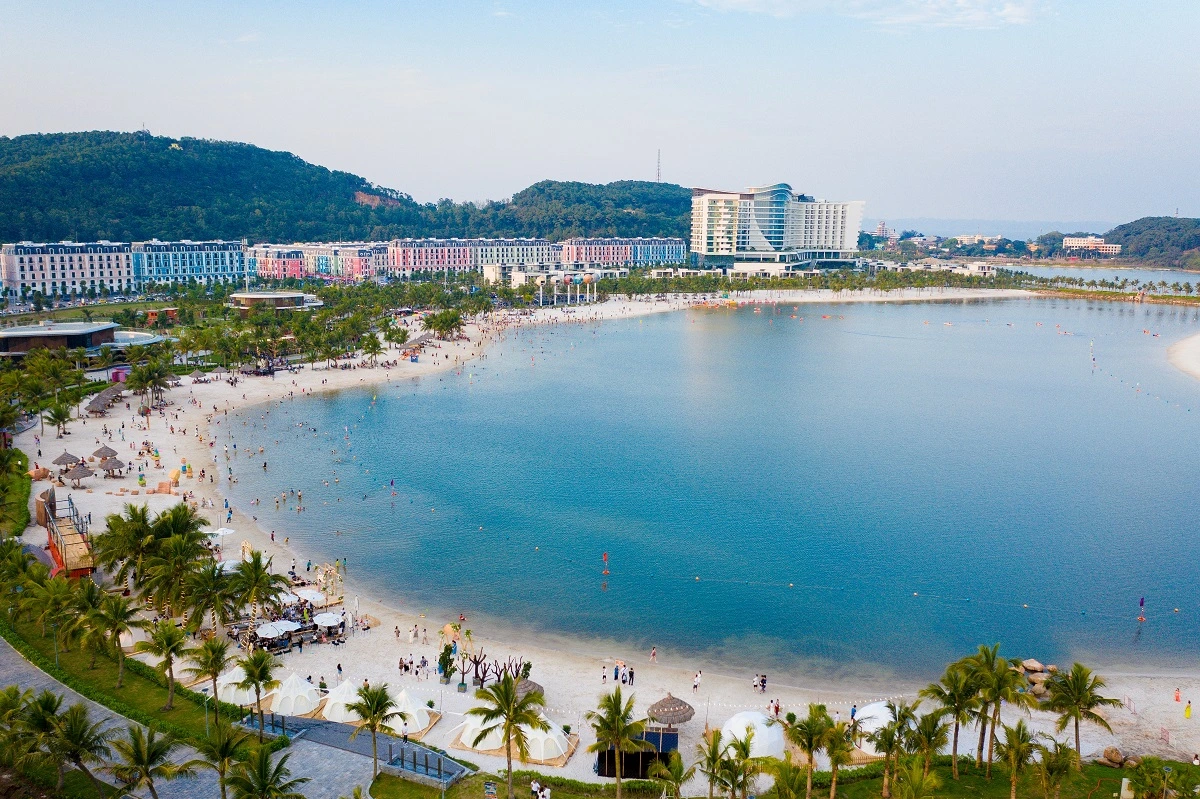
Travel Time
Travel usually takes around two hours, depending on traffic leaving the city.
For travelers who want to reach the ocean quickly without planning an overnight island trip, Do Son remains the most convenient option.
History of Do Son
Do Son has been a seaside resort town since the early 20th century.
During the French colonial era, the coastline became a retreat for colonial administrators escaping the summer heat of Hanoi. Villas and hotels were built along the hills overlooking the beach.
Today the town continues to attract Vietnamese visitors, especially during summer weekends.
How to Get There From Hanoi
Travel typically involves two stages.
First, take a bus or limousine van from Hanoi to Hai Phong.
Typical cost: 150,000 – 200,000 VND
From Hai Phong, a taxi ride brings visitors to Do Son Beach.
Taxi cost: Around 150,000 VND
Total transportation cost usually falls around: 300,000 – 350,000 VND
The short travel time makes Do Son one of the easiest beaches near Hanoi to visit.
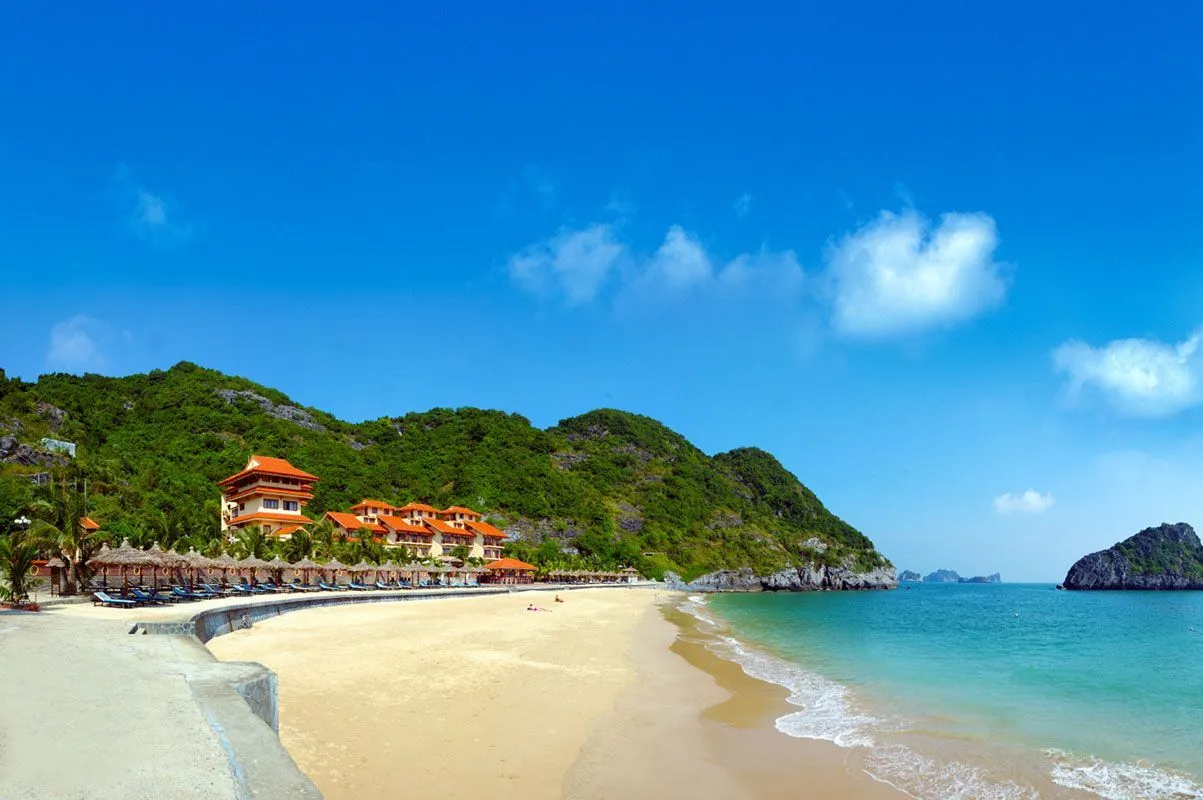
What the Beach Is Like
Do Son Beach has a very different atmosphere compared to island beaches.
Visitors will typically find:
- Seafood restaurants along the coast
- Beachfront hotels and resorts
- Amusement areas and casinos
The sand is darker and the water can appear murkier than at offshore islands. However, the lively local atmosphere gives Do Son its own character.
Evenings are often the most enjoyable time to visit, when seafood restaurants open and families walk along the waterfront.
Resorts Near Do Son Beach
Hon Dau Resort
This resort sits on a small island connected to the mainland by bridge. The area feels quieter than the main Do Son beachfront.
- Address: Hon Dau Island, Do Son District, Hai Phong
- Price range: 1,200,000 – 2,500,000 VND per night
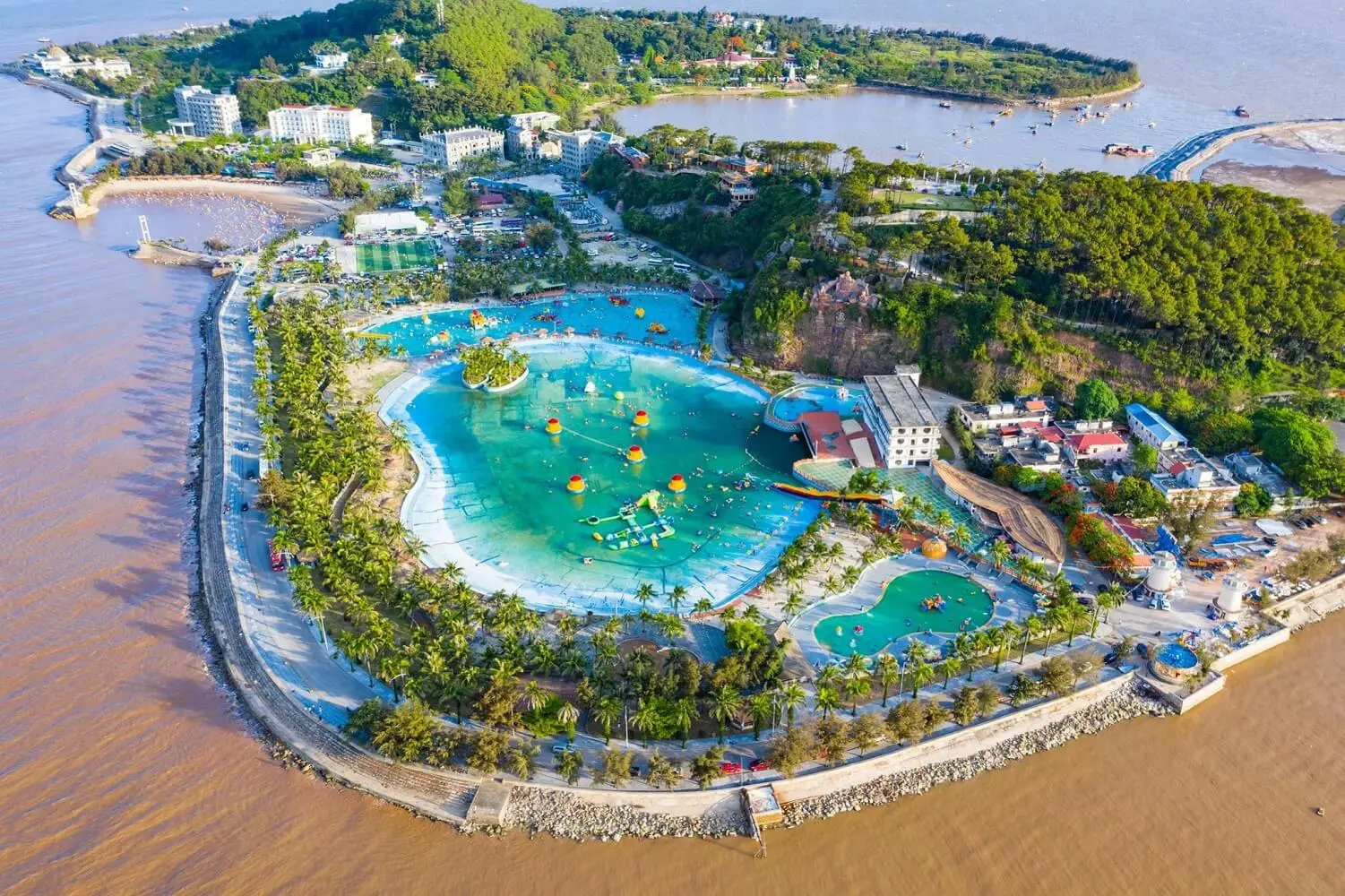
Dream Dragon Resort
A modern resort complex with golf courses, entertainment areas, and beachfront accommodations.
- Address: Do Son Tourism Area, Hai Phong
- Price range: 2,000,000 – 4,000,000 VND per night
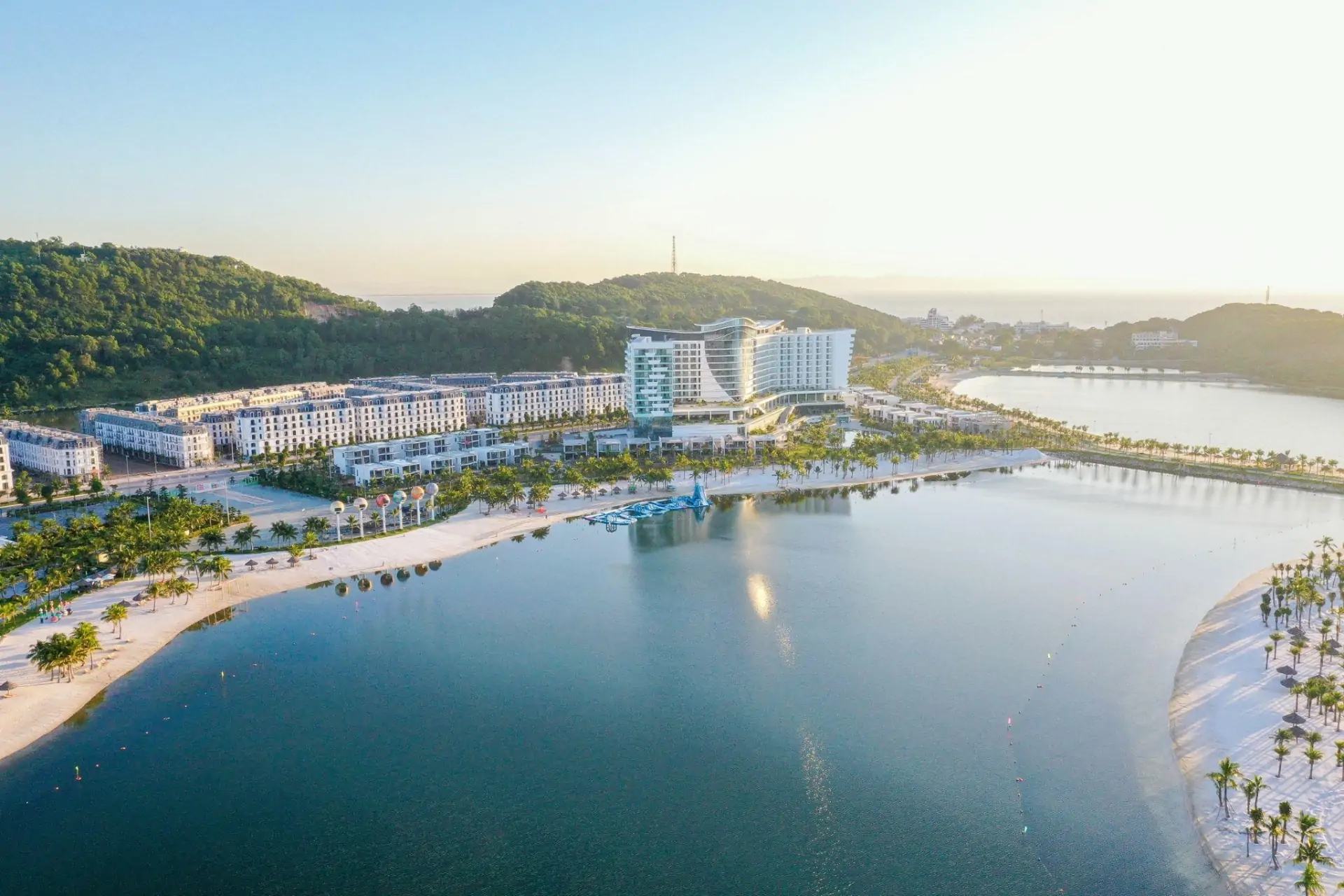
Local insight: Many visitors come to Do Son primarily for seafood. Restaurants along the waterfront serve fresh crab, mantis shrimp, and grilled squid caught by local fishermen.
Quan Lan Island – A Quiet Hidden Beach Near Hanoi
Distance from Hanoi
Quan Lan Island lies about 200 kilometers from Hanoi inside Bai Tu Long Bay, northeast of Ha Long Bay.
Although it is not as famous as Ha Long or Cat Ba, Quan Lan has some of the longest sandy beaches in northern Vietnam.

Travel Time
Travel usually takes around five hours, including the ferry ride.
Because of the additional travel time, Quan Lan remains far less crowded than other coastal destinations near Hanoi.
How to Get There From Hanoi
First take a bus from Hanoi to Van Don in Quang Ninh Province.
Typical cost: 300,000 VND
The journey takes about 3.5 hours.
From Van Don harbor, ferries travel to Quan Lan Island.
Typical ferry price: 120,000 – 200,000 VND
Total transportation cost usually falls between: 420,000 and 500,000 VND.
Beaches on Quan Lan Island
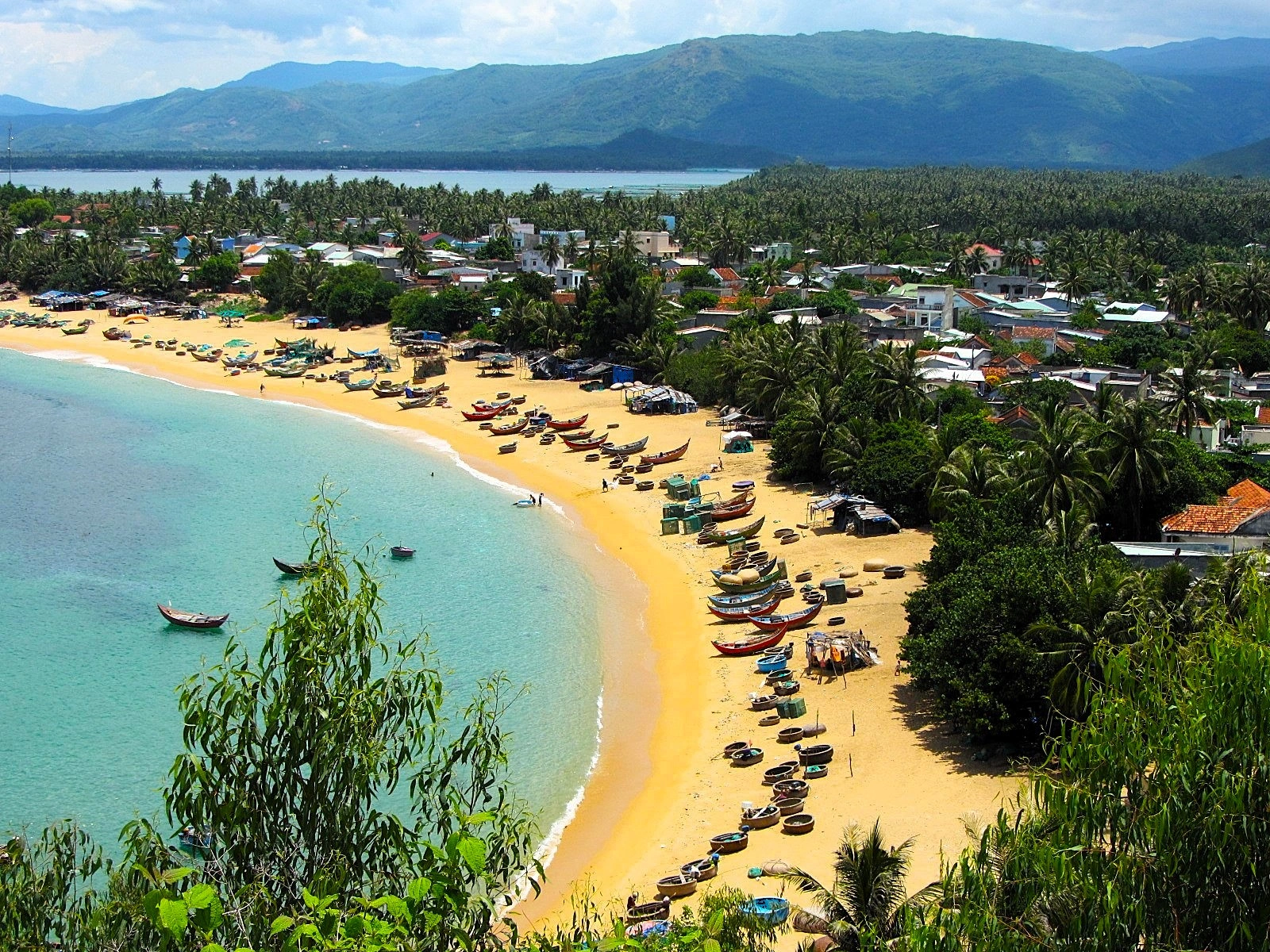
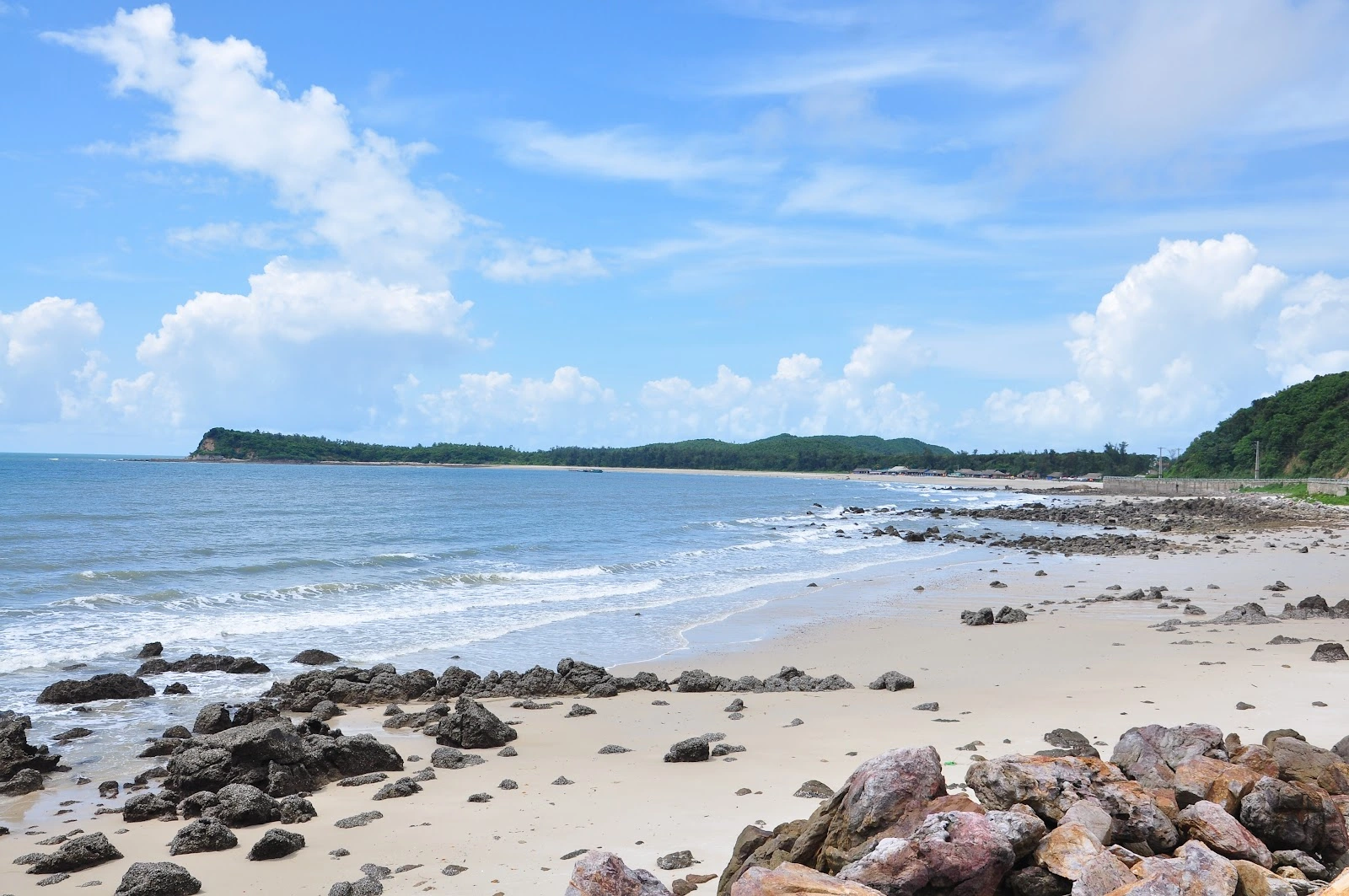
Quan Lan is known for wide beaches with fine sand and relatively calm waves.
The most popular beaches include:
Minh Chau Beach
This beach is famous for its soft white sand and gentle slope into the sea. Many visitors consider it one of the most beautiful beaches in northern Vietnam.

Son Hao Beach
Son Hao Beach stretches for several kilometers and remains quieter than the beaches of Ha Long or Cat Ba.
Because development is still limited, large sections of coastline remain peaceful.
Beach Resorts on Quan Lan
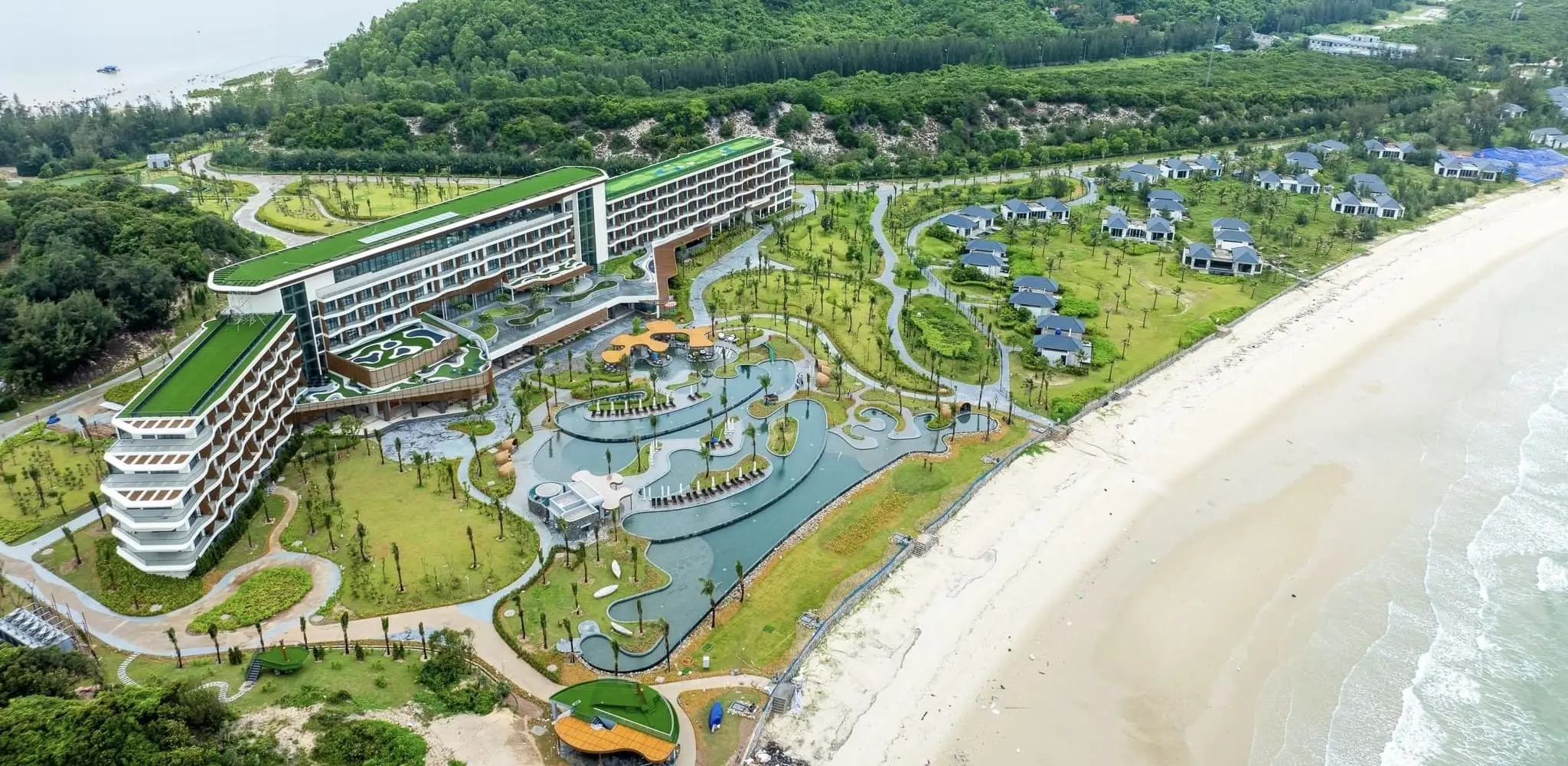
Angsana Quan Lan
A modern resort built along Son Hao Beach offering beachfront villas and ocean views.
- Address: Son Hao Beach, Quan Lan Island, Quang Ninh
- Price range: 3,000,000 – 5,000,000 VND per night
Local insight: The nearby Van Don region historically served as one of Vietnam’s earliest trading ports and was known for pearl farming and maritime trade.
Co To Island – A Remote Island Beach Near Hanoi
Distance from Hanoi
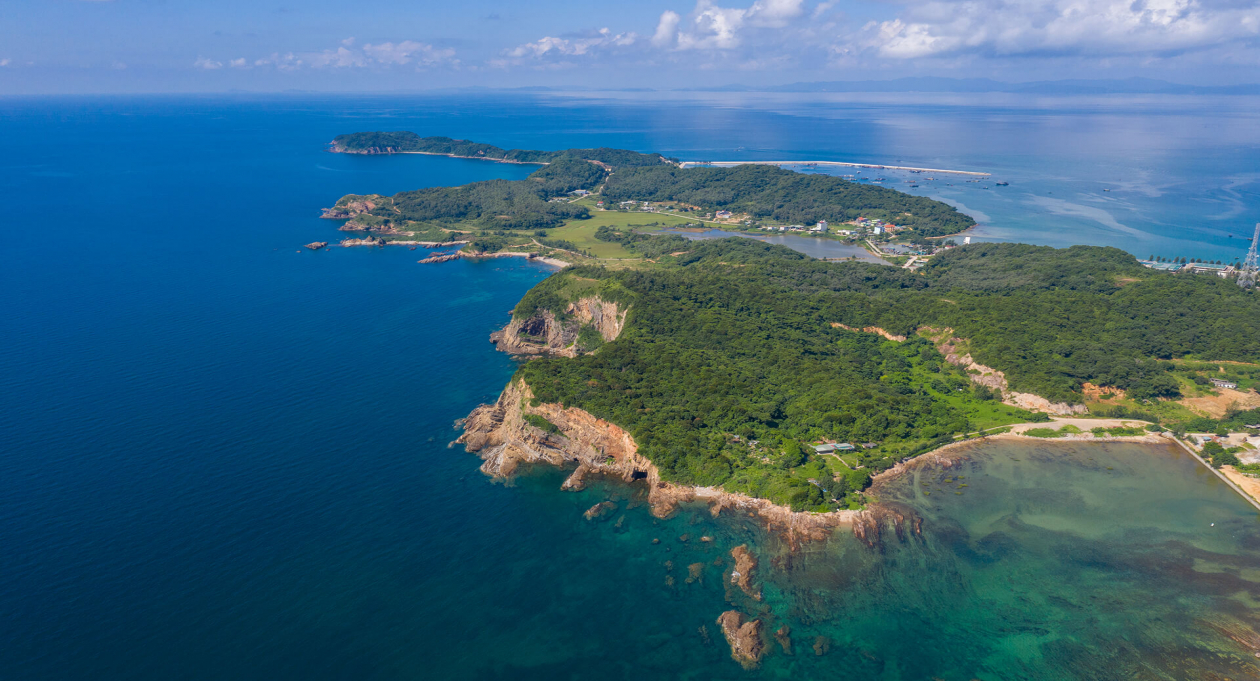
Co To Island lies about 230 kilometers from Hanoi.
It is one of the most remote island beach destinations in northern Vietnam.
Travel Time
The journey usually takes around six hours, including ferry travel.
Although the trip is longer than other beaches near Hanoi, many travelers consider Co To worth the effort because of its clear water and long sandy coastline.
How to Get There From Hanoi
The first stage of the journey is the same as traveling to Quan Lan.
Take a bus from Hanoi to Van Don.
Typical cost: 300,000 VND
The trip takes about 3.5 hours.
From Van Don harbor, ferries depart for Co To Island.
Typical ferry cost: 250,000 – 300,000 VND
Total transportation cost usually ranges between: 550,000 and 600,000 VND.
Beaches on Co To
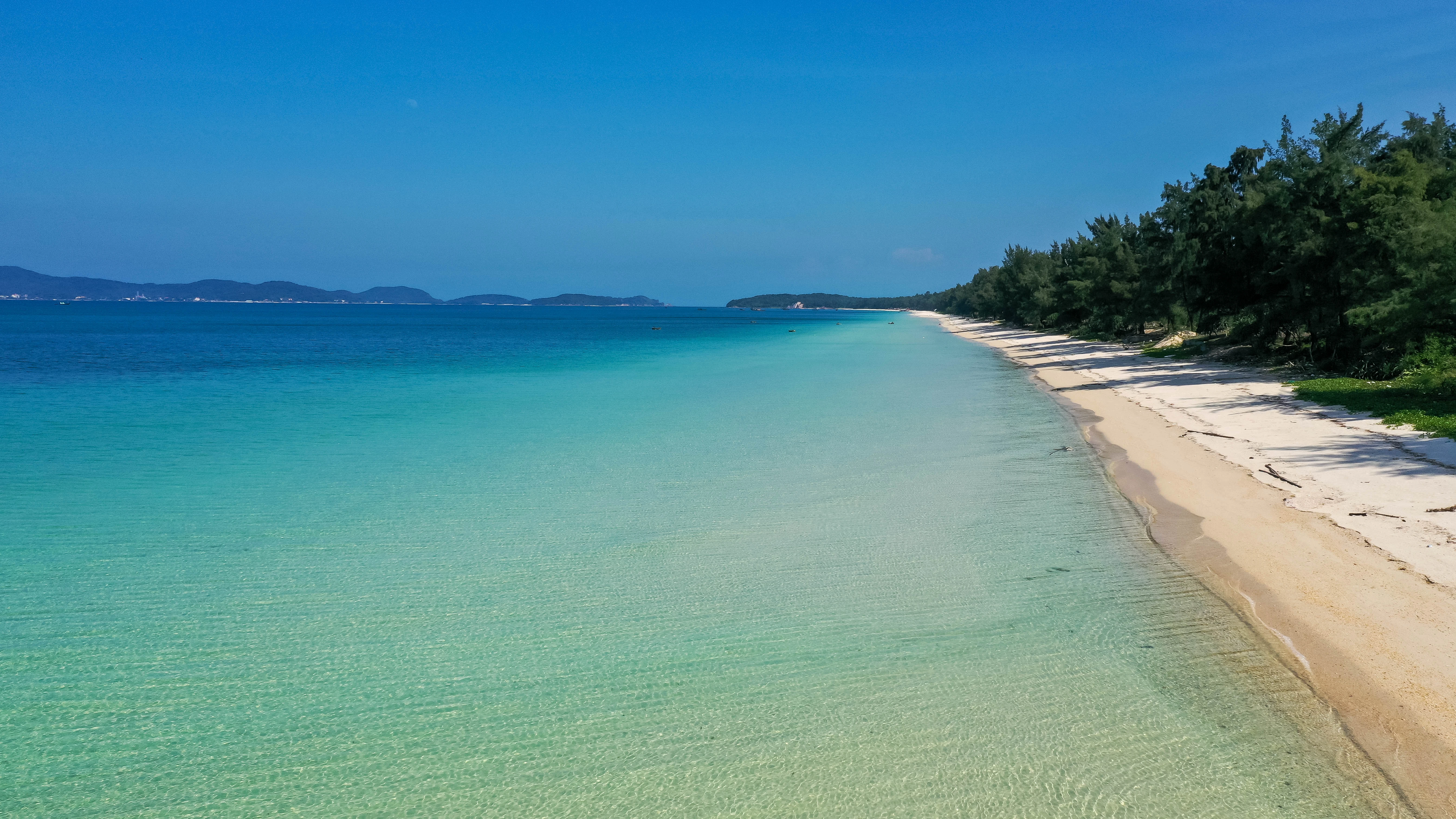
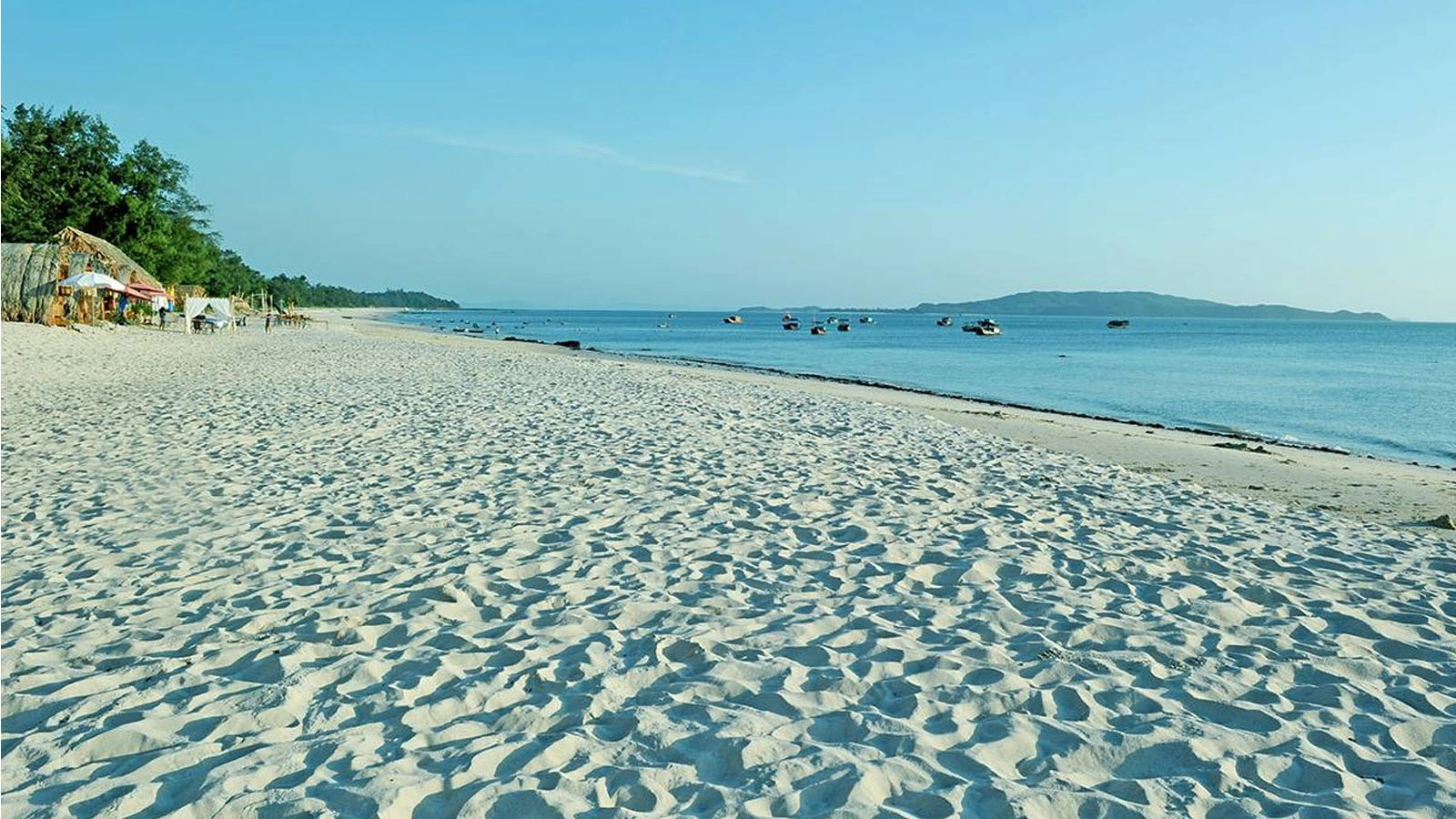
Co To Island is known for some of the clearest water in northern Vietnam.
Two of the most popular beaches include:
Hong Van Beach
This beach is located near the island’s main town and is known for its calm water and wooden pier extending into the sea.
Van Chay Beach
Van Chay Beach sits on the western side of the island and is famous for its long sandy coastline and sunsets.
The waves here can be stronger than other beaches, making it a good place for swimming and beach walks.
Resorts on Co To Island
Co To Starlight Hotel
A comfortable mid-range hotel located near the island’s town center.
- Address: Co To Town Center, Quang Ninh
- Price range: 900,000 – 1,800,000 VND per night

Local insight: Co To has become increasingly popular among young travelers from Hanoi who visit during summer weekends to escape the heat of the capital.
Best Time to Visit Beaches Near Hanoi
The beach season in northern Vietnam generally runs from May to September, when sea temperatures are warm enough for swimming and ferry routes operate regularly.
However, not every month within that window offers the same conditions.
The most comfortable time to visit beaches near Hanoi is usually May and June. During these months:
- The weather is warm but not excessively hot
- Sea conditions are often calm
- Typhoon risk is still relatively low
- Beaches are busy but not yet overcrowded with domestic summer tourists
July and August are the peak summer months in northern Vietnam. Beaches become lively as Vietnamese families travel during school holidays, and coastal towns are full of activity.
However, this is also when tropical storms and typhoons become more common, which can occasionally disrupt ferry routes to island destinations such as Cat Ba, Quan Lan, and Co To.
September can sometimes be a pleasant time to visit if storms are limited, with slightly fewer crowds and warm sea temperatures, but weather conditions can be unpredictable.
From October through April, temperatures in northern Vietnam are cooler and the sea is often too cold for comfortable swimming, especially during winter months.
In short:
- Best balance of weather and sea conditions: May–June
- Most lively beach atmosphere: July–August
- Quieter shoulder season: September
Travelers planning island trips should always check ferry schedules and weather forecasts during storm season.
Final Thoughts on Beaches Near Hanoi
Although Hanoi itself is not a coastal city, several beach destinations lie within a few hours of the capital.
Some of the best beaches near Hanoi include:
- Cat Ba Island for scenic landscapes and island adventures
- Ha Long Bay for resort-style travel
- Do Son Beach for the shortest trip from Hanoi
- Quan Lan Island for quieter hidden beaches
- Co To Island for remote coastal scenery
Whether you want a quick weekend escape or a longer island trip, the northern coastline offers several accessible beach destinations from Hanoi.
Explore Vietnam Beyond the Beaches
If your travels later bring you to Ho Chi Minh City, exploring Vietnam can take on a completely different rhythm.
Instead of limestone islands and quiet coastlines, Saigon reveals its culture through street food, hidden neighborhoods, and everyday life on its streets.
At Vespa A Go Go, travelers explore the city on vintage Vespas with local guides, discovering food stalls, markets, and neighborhoods most visitors never see.

Anh Pham - General Manager
After exploring Ho Chi Minh City (or Saigon, as I love to call it) on a motorbike for over 10 years, these streets feel like my playground. I believe the best travel moments happen when you discover something unexpected. My goal is simple: to share my favorite parts of the city with you, so you can experience the real, everyday magic of my home.
Other tips
- 10 Best Vietnamese Clothing Brands & Local Brands Vietnam
- Beaches Near Hanoi: The Closest Beach Escapes for a Weekend Trip
- Hoi An Tailors: The Complete Insider Guide to Custom Clothes in Vietnam
- Best eSIM for Vietnam (2026 Guide from a Local Perspective)
- Da Nang International Airport Vietnam: A First-Timer Guide to Landing Calmly (DAD)
- Noi Bai International Airport Guide for First-Time Travelers to Vietnam (HAN)
- Traveling Vietnam as a Couple: What to Do, Where to Go, and How It Actually Feels
- Vietnamese Lunar New Year (Tết) 2026
- Vietnamese Mountain Guide
- Best Beaches in Vietnam: How the Coast Actually Works (and How to Choose the Right One)
- 15 Underrated Towns in Vietnam
