 Email: support@vespaagogo.com

Vietnam Travel
Noi Bai International Airport Guide for First-Time Travelers to Vietnam (HAN)
2026-02-23
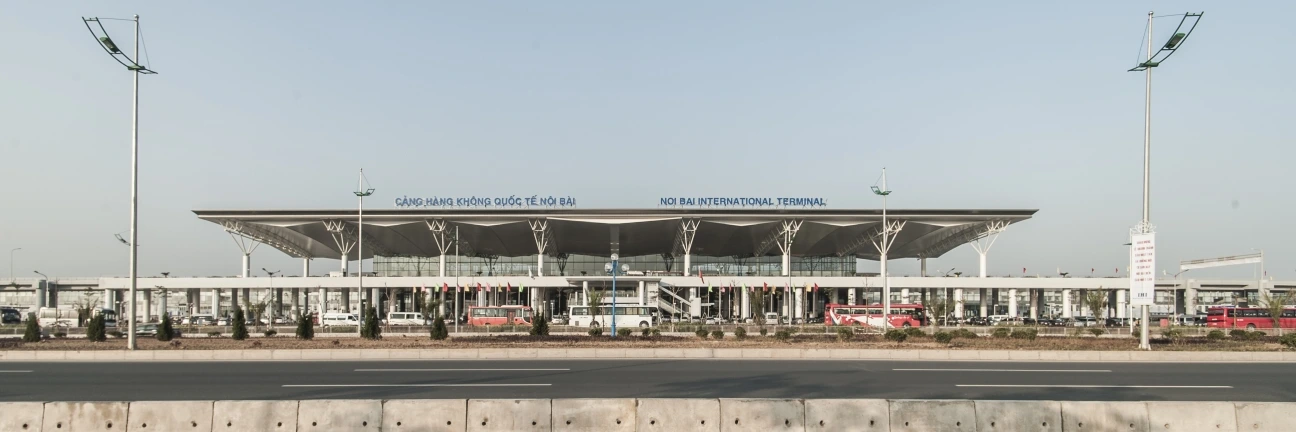
For most travelers, Noi Bai International Airport is not just an airport. It is the first breath of Vietnam.
You step off the plane and feel the humidity shift. The language changes. The signage is bilingual but unfamiliar. You hear Vietnamese tones for the first time. You’re tired, maybe slightly disoriented - and now you have to navigate immigration, baggage claim, SIM cards, taxis, and traffic.
If this is your first time in Vietnam, this guide will make that first 90 minutes calm instead of chaotic.
We’ll cover:
- Exactly what happens at Noi Bai International Airport arrivals
- How to plan for Noi Bai International Airport departures
- A simplified Noi Bai International Airport map
- Real transport costs and taxi logic
- And when staying in hotels near Noi Bai International Airport actually makes sense
Airport Overview: Where You’ve Just Landed
Official name: Noi Bai International Airport
IATA code: HAN
ICAO code: VVNB
Distance to Hanoi Old Quarter: ~27–30 km
Average travel time: 45–60 minutes (longer in rush hour)
Noi Bai is the largest airport in northern Vietnam. It handles millions of passengers each year - far more than it was originally designed for - which explains why it can feel crowded during peak arrival waves.
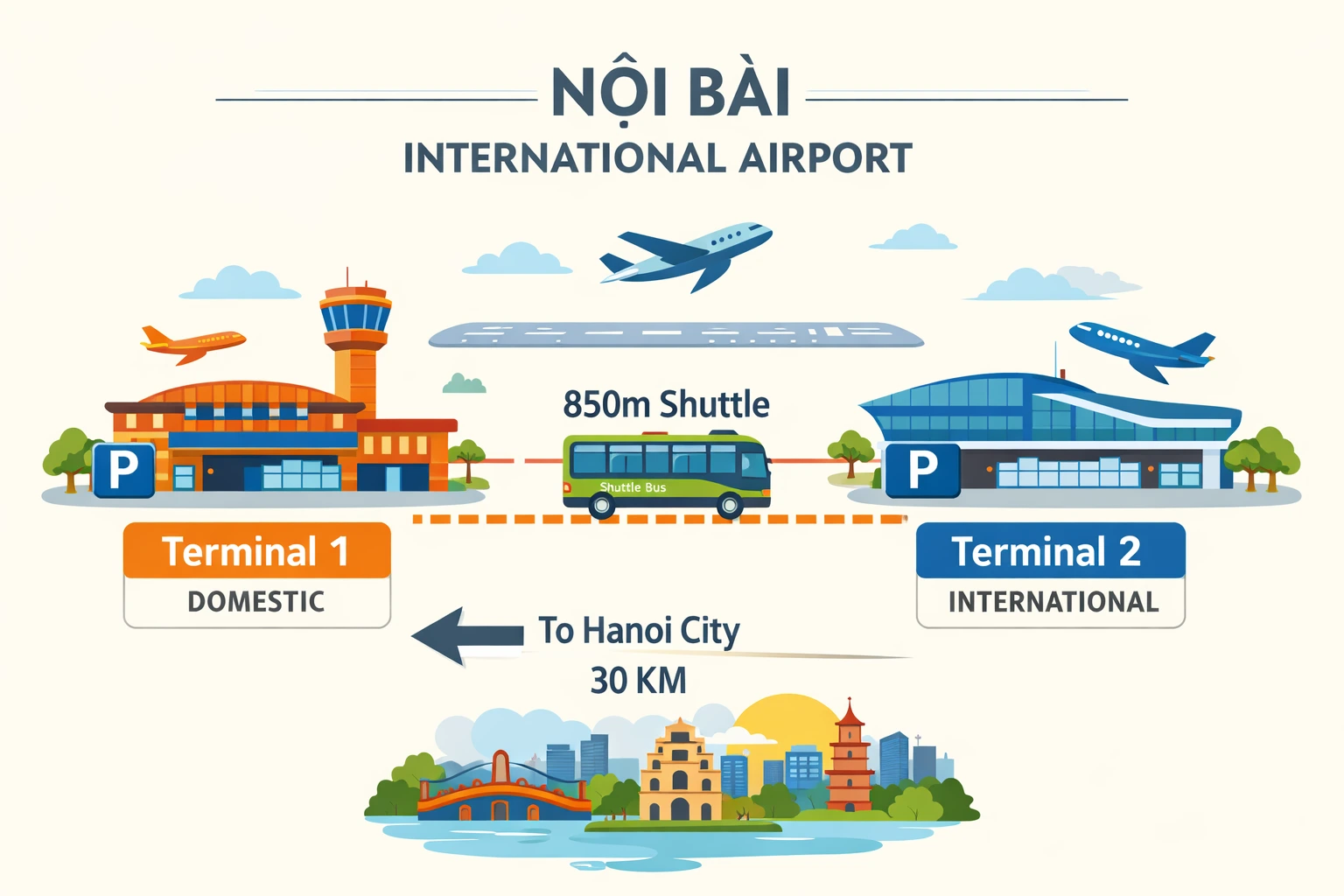
The airport has two terminals:
- Terminal 1 (T1) – Domestic flights
- Terminal 2 (T2) – International flights
They are about 850 meters apart and connected by a free shuttle bus running roughly every 10–15 minutes.
This is the only map fact you really need to memorize.
Noi Bai International Airport Map: Think Simple, Not Complicated
Forget memorizing floor diagrams.
Think of the Noi Bai International Airport map like this:
- International arrival? → T2
- Flying to Da Nang or Ho Chi Minh City? → T1
- Connecting? → Shuttle
Inside both terminals, the logic is linear:
- Arrivals → Immigration → Baggage → Customs → Exit
- Departures → Check-in → Security → Immigration → Gate
It’s not glamorous. It’s functional.
Noi Bai International Airport Arrivals: Your First 90 Minutes in Vietnam
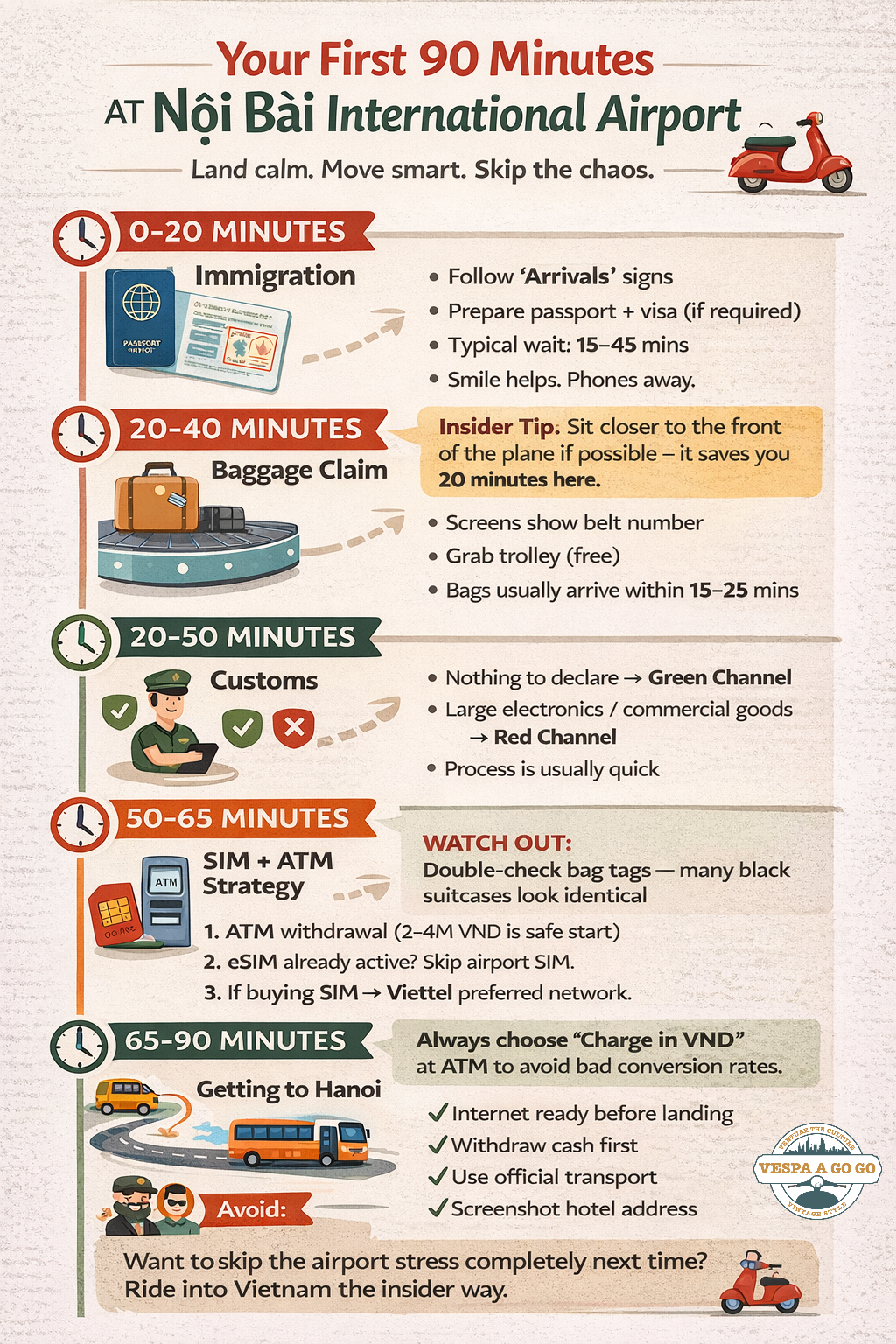
This is where emotions matter.
You’re tired. Maybe jet-lagged. Maybe excited. Maybe anxious about visas or taxis.
Here’s what actually happens.
Step 1: The Walk to Immigration
You exit the plane and follow signs for “Arrivals / Immigration.” The hallway can feel long, especially after a 10-hour flight.
Breathe. There is only one direction.
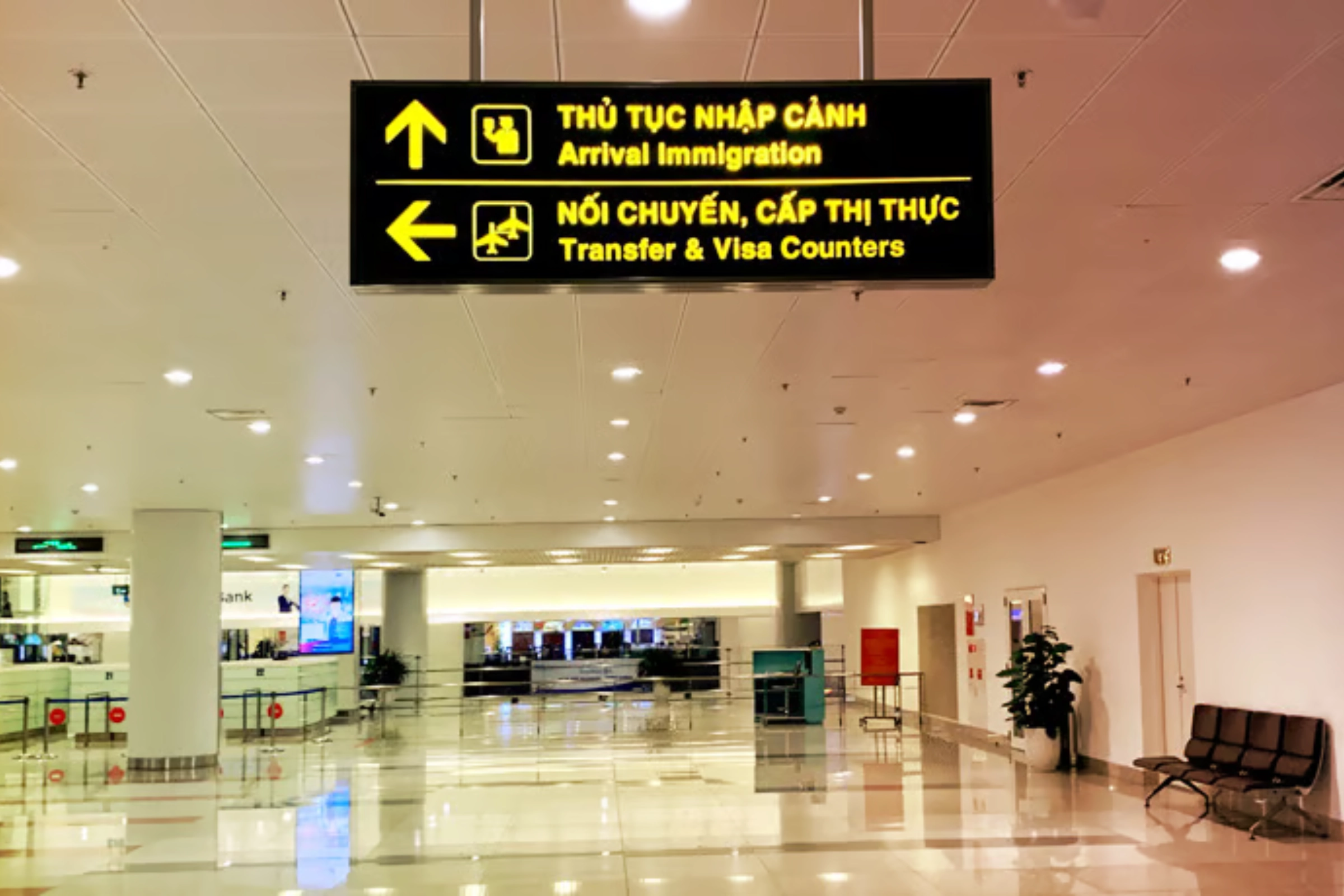
Step 2: Immigration at Noi Bai International Airport
At passport control, there are usually separate lanes:
- Vietnamese passports
- Foreign passports
Queues fluctuate depending on how many wide-body flights landed together. Sometimes it’s 15 minutes. Sometimes it’s 45.
Have ready:
- Passport
- Visa (if required)
- Arrival card (if issued on flight)
The process is usually efficient and quiet. Officers scan, stamp, return your passport.
That stamp is your official entry into Vietnam.
Step 3: Baggage Claim
After immigration, follow overhead screens to your carousel number.
Bags usually appear within 15–25 minutes. If they don’t, don’t panic immediately. Multiple flights can share belt space.
Keep your baggage tag until fully outside.
Step 4: Customs
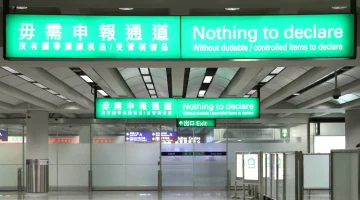
You’ll see two channels:
- Green: Nothing to declare
- Red: Goods to declare
Most travelers use green and walk straight through.
SIM Cards, ATMs & First Money Decisions
Right after customs, you enter the decision zone.
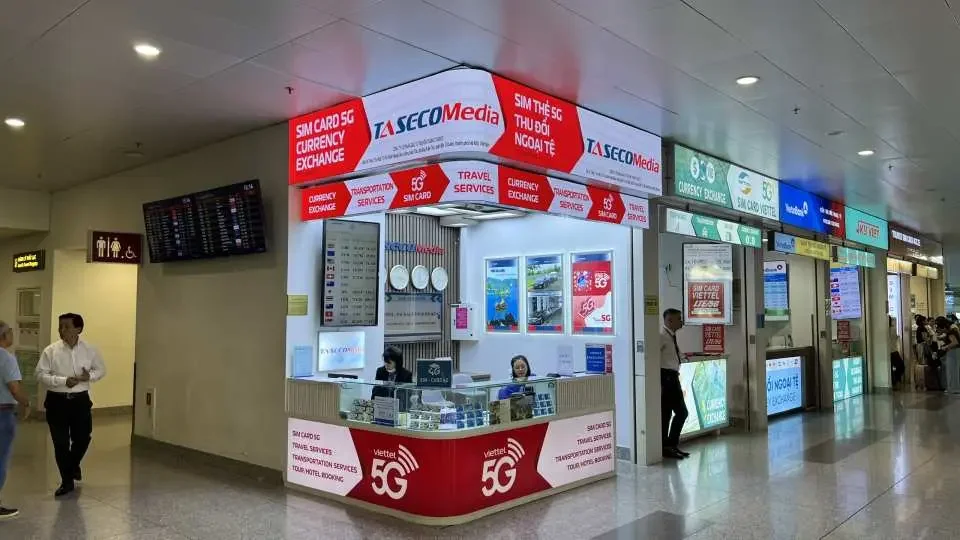
You’ll see:
- SIM card counters
- ATMs
- Currency exchange booths
- Taxi agents calling out offers
This is where first-timers often overspend.
SIM Cards
Airport SIMs are convenient but often cost more than city shops. Expect higher pricing for immediate activation.
If you:
- Already have eSIM → skip this
- Need Grab immediately → buy minimal data
- Want best value → buy in city later
Recommended eSIM Options for Vietnam (Best for Landing at HAN)
If you want the internet immediately after landing (especially for Grab pickup), eSIM is the smoothest solution. We already have a full article on the best eSIM in Vietnam for different travel plans, check it out here.
1. Airalo (Reliable & Easy)
- Uses Viettel network (strong coverage nationwide)
- Plans from 1GB to unlimited (varies by duration)
- Works instantly upon activation
- Good for short stays (7–15 days)
Best for: First-time travelers who want zero friction.
2. Holafly (Unlimited Data Plans)
- Unlimited data options
- Slightly higher price
- No physical SIM swap needed
Best for: Heavy Google Maps / Instagram / remote workers.
3. Nomad eSIM
- Flexible packages
- Often slightly cheaper than Holafly
- Good speeds in Hanoi & major cities
Best for: Budget-conscious travelers.
4. Viettel eSIM (Direct Network)
- Buy directly from Viettel website
- Strongest rural + mountain coverage
- Slightly more setup steps
Best for: Travelers going to Sapa, Ha Giang, or remote areas.
ATMs & Currency Exchange
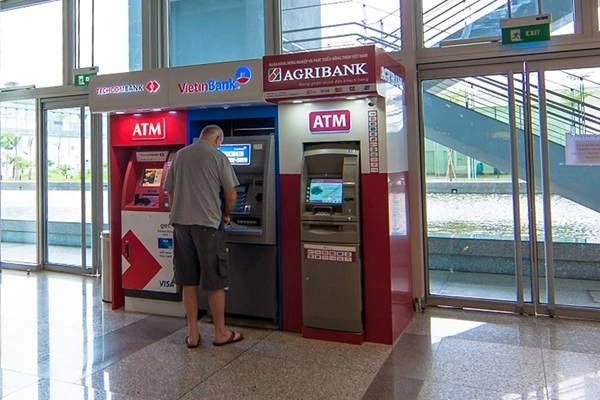
ATMs are available in arrivals. They are safe to use.
Exchange counters exist but rates may not be optimal. Withdraw a moderate amount - enough for transport and small expenses - and exchange more later in Hanoi if needed.
When ATM asks currency conversion → choose VND, not your home currency.
Where to Exchange Currency in Hanoi (Smart Strategy)
Option 1: ATM at Noi Bai International Airport (Safest & Easiest)
Inside Terminal 2 arrivals hall, you’ll find ATMs from:
- BIDV
- VietinBank
- Agribank
Smart move:
Withdraw a moderate amount (e.g., 2–4 million VND) for taxi + first meals.
- Reliable
- Fair exchange rate
- May have withdrawal fee depending on your bank
Option 2: Airport Exchange Counters
Exchange counters are available right after customs.
Rates are usually less favorable than in the city.
Good only if:
- You need small cash immediately
- Your card isn’t working
Option 3: Best Currency Exchange in Hanoi (City Center)
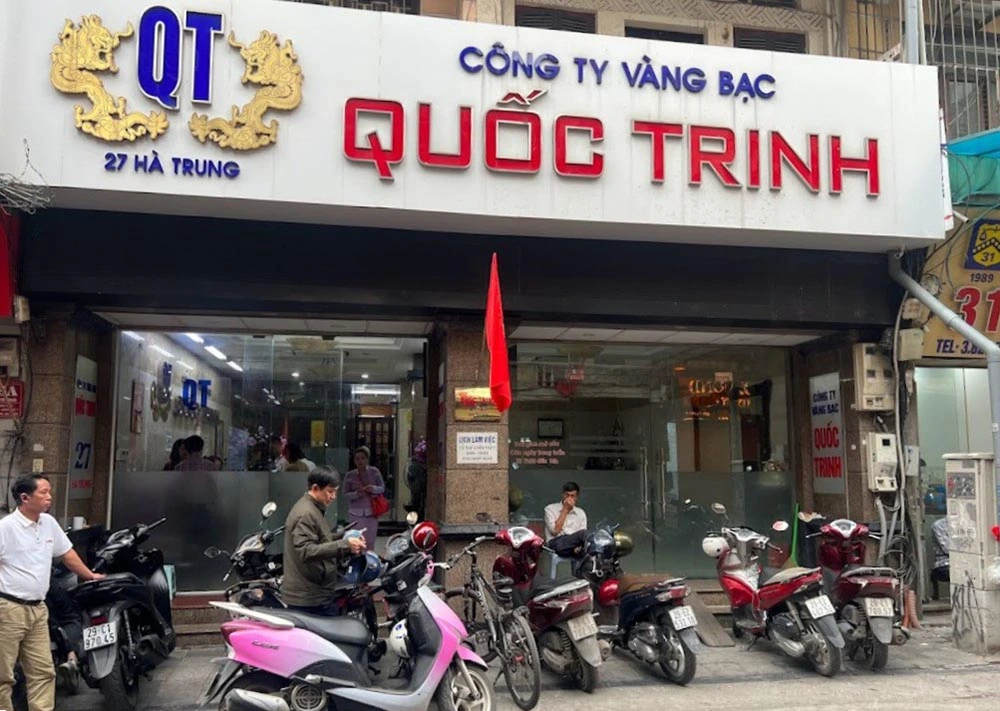
If you're staying in Old Quarter:
Ha Trung Street (Gold & Jewelry Shops)
- Location: Hoan Kiem District
- Very competitive exchange rates
- Trusted by locals
- Bring passport (sometimes required)
This area is widely known among expats for good USD → VND rates.
Option 4: Banks in Hanoi
Reliable banks:
- Vietcombank
- BIDV
- VietinBank
They are safe and transparent but slower process than exchange shops
Currency exchange Insider Advice (Important)
- Always choose “Charge in VND” at ATM to avoid bad dynamic conversion rates.
- Don’t exchange large sums at the airport.
- Keep small bills (50k, 100k VND) for taxis and street food.
- Grab drivers often prefer cash unless you’ve linked a card.
Personal recommendations:
For most travelers landing at Noi Bai International Airport:
- Use eSIM before landing
- Withdraw ~2–3 million VND at airport ATM
- Use Grab to reach Old Quarter
- Exchange additional cash later on Ha Trung Street if needed
Getting From Noi Bai to Hanoi
This decision shapes your first impression of Vietnam.
Taxi
Typical range: 300,000–400,000 VND
Plus toll: ~15,000 VND
Simple. Direct. No app needed.
Best for:
- Families
- Heavy luggage
- Late-night arrivals
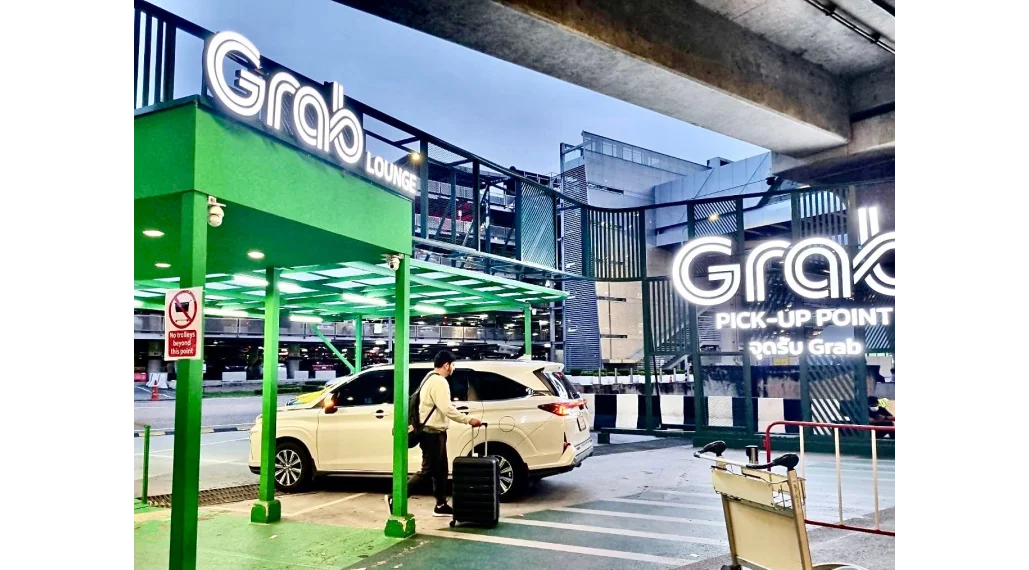
Grab / Ride-Hailing
Typical range: 250,000–300,000 VND
Pros:
- Upfront pricing
- Digital record
Cons:
- Needs mobile data
- Pickup zones can be crowded
Bus 86 (Budget Option)
Fare: ~30,000–45,000 VND
Runs between airport and city center.
It’s slower but reliable and luggage-friendly.
Noi Bai International Airport Departures: Leaving Vietnam Smoothly
Departures feel calmer when planned correctly.
International Departures
Arrive 3 hours before flight.
You will pass through:
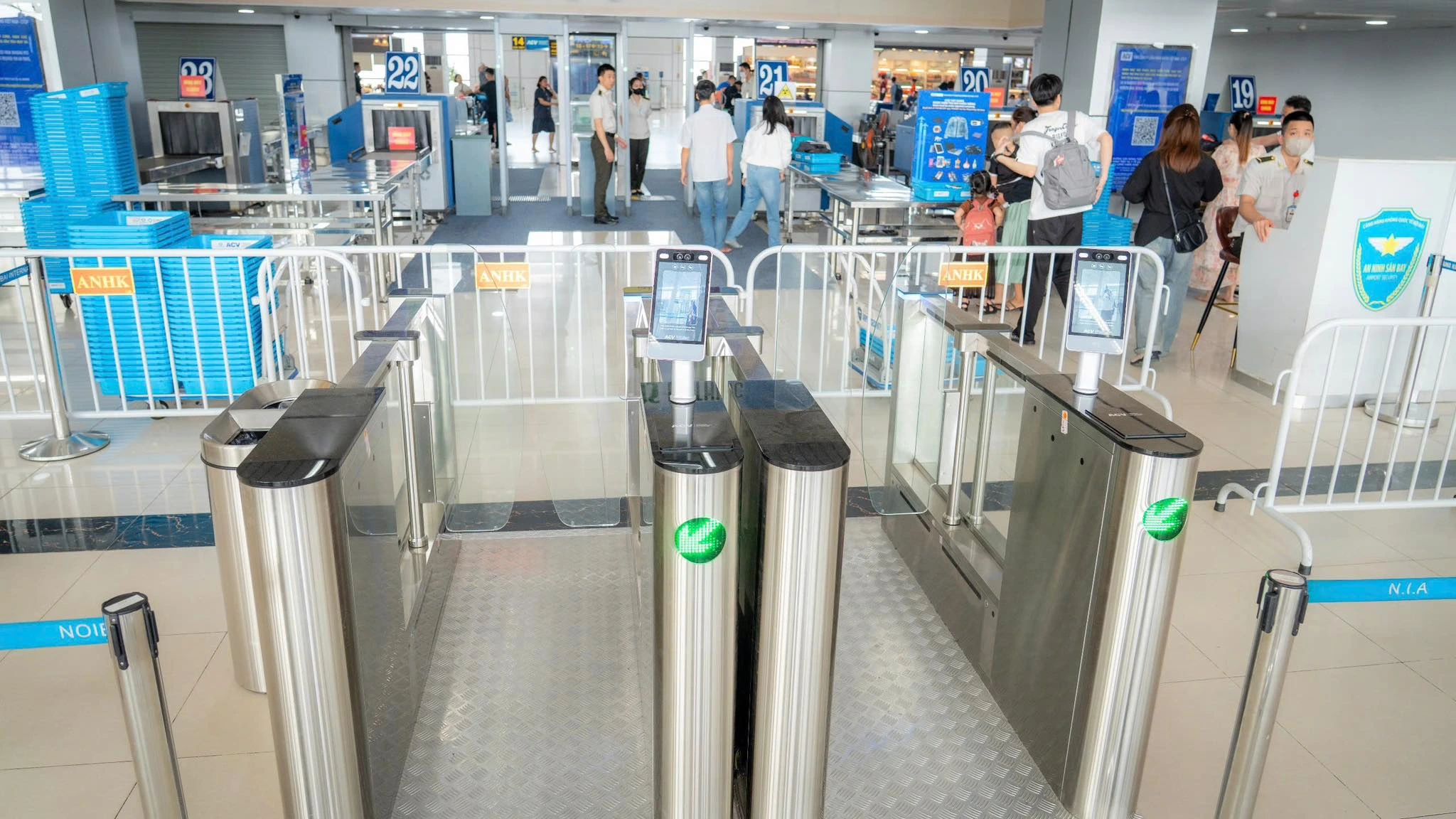
- Check-in counters
- Security screening
- Immigration exit control
- Departure gates
During holidays or Tet, allow extra buffer time.
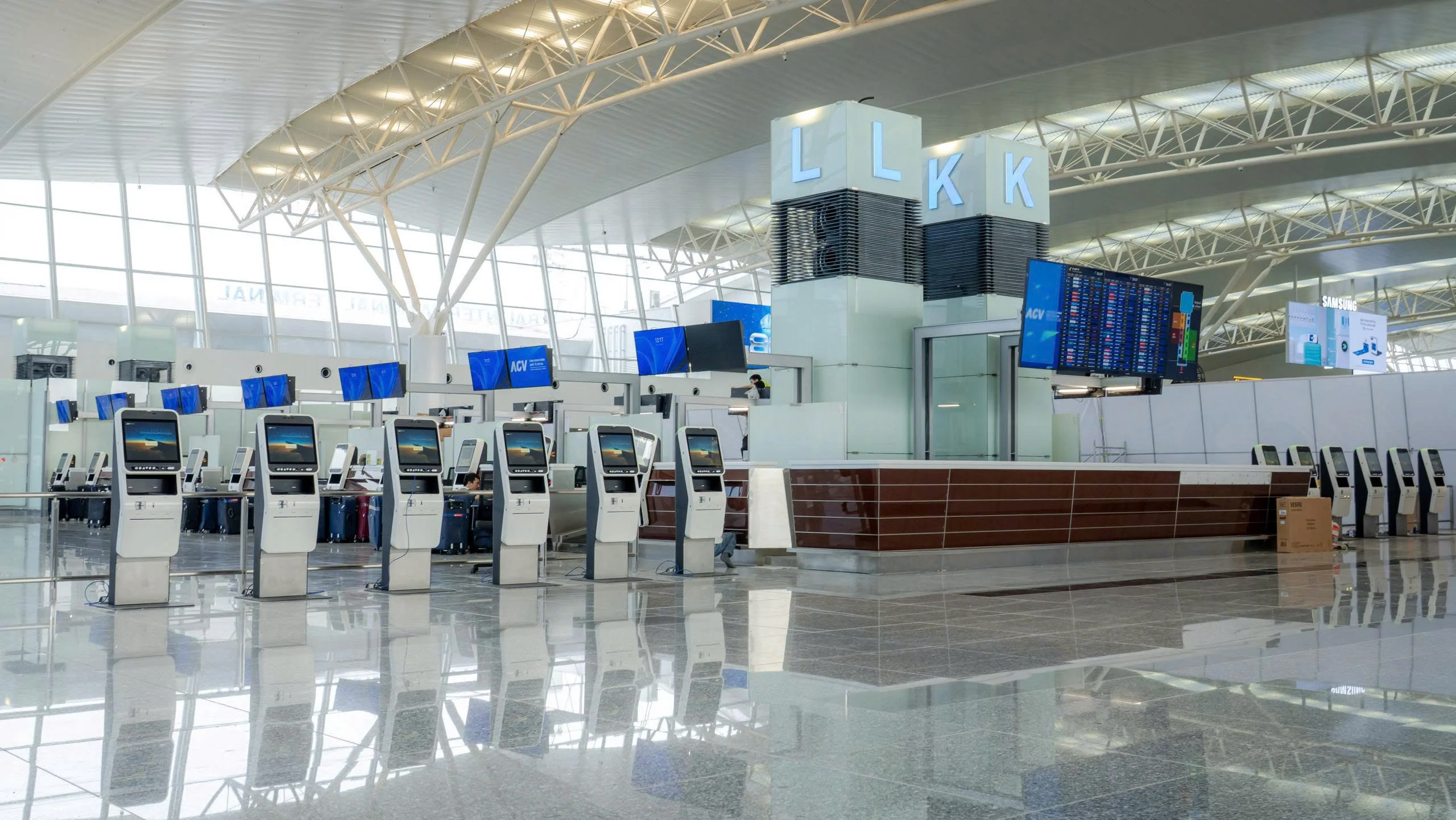
Noi Bai International Airport T2 check-in area
Domestic Departures
Arrive 2 hours before flight.
Check-in closes about 45 minutes before departure.
Terminal 1 is typically faster and less complex than Terminal 2.
Hotels Near Noi Bai International Airport: Should You Stay Close?
Searching for hotels near Noi Bai International Airport usually means one of three situations:
- You land after midnight
- You depart before 8AM
- You have a short layover
Here are commonly chosen airport-area properties (verify availability before publishing exact pricing):
1. VATC Sleep Pod (Inside Airport)
Located inside the airport.
Best for:
- Short naps
- Transit layovers
- Early departures
Not luxury - but extremely convenient.
2. Paragon Noi Bai Hotel & Pool
Near airport perimeter.
Best for:
- Overnight stay
- Quick morning departure
- Moderate comfort
3. Dragon Airport Hotel
Budget-friendly option.
Good for:
- One-night transit
- Simple room, no frills
4. Family Transit Hotel
Popular among short-stay travelers.
Often offers:
- Airport transfer
- 24-hour reception
When NOT to Stay Near the Airport
If you arrive during the day and plan to explore Hanoi, staying near the airport can feel isolating.
Better areas:
- Old Quarter
- Hoan Kiem Lake area
- Ba Dinh
The airport area is practical. The city center is atmospheric.
Emotional Reality: What First-Timers Feel at Noi Bai
Let’s be honest.
Noi Bai is not Singapore Changi. It’s not Seoul Incheon.
It is functional. Busy. Efficient enough. Slightly chaotic at peak times.
But it works.
And once you’re in your taxi heading toward Hanoi, the energy shifts. The city starts unfolding. Motorbikes multiply. Street lights blur. The adventure begins.
The airport is just the threshold.
Final Advice for Using Noi Bai International Airport Confidently
Remember three things:
- T1 = Domestic, T2 = International
- Arrivals take 60–90 minutes total
- Choose transport based on energy, not just price
Plan lightly. Stay flexible. Don’t overthink the first hour.
Vietnam takes care of the rest.

Duy Le - Marketing Manager
I’m Duy Le, the Marketing Manager at Vespa A Go Go, with three years of experience in marketing and storytelling. My passion lies in helping both travelers and Vietnamese people discover the authentic value of our country’s history and culture. I believe Vietnam travel should be more than just sightseeing — it’s a way to truly connect with Vietnam’s heart and spirit. Through my work, I aim to inspire curiosity, respect, and appreciation for the stories that make Vietnam unique. When I’m not crafting campaigns, I love exploring Saigon’s hidden corners on my Vespa, always in search of the next story worth sharing.
Other tips
- 10 Best Vietnamese Clothing Brands & Local Brands Vietnam
- Beaches Near Hanoi: The Closest Beach Escapes for a Weekend Trip
- Hoi An Tailors: The Complete Insider Guide to Custom Clothes in Vietnam
- Best eSIM for Vietnam (2026 Guide from a Local Perspective)
- Da Nang International Airport Vietnam: A First-Timer Guide to Landing Calmly (DAD)
- Noi Bai International Airport Guide for First-Time Travelers to Vietnam (HAN)
- Traveling Vietnam as a Couple: What to Do, Where to Go, and How It Actually Feels
- Vietnamese Lunar New Year (Tết) 2026
- Vietnamese Mountain Guide
- Best Beaches in Vietnam: How the Coast Actually Works (and How to Choose the Right One)
- 15 Underrated Towns in Vietnam
