 Email: support@vespaagogo.com

Vietnam Travel
Vietnamese New Year 2026: What to Expect & How to Celebrate
2025-12-22
When people hear “Vietnam New Year”, most immediately think of Tết Nguyên Đán, the Lunar New Year that shuts the country down for days, even weeks. But the New Year on January 1st is a very different story, and for travelers, often a surprisingly enjoyable one.
January 1st in Vietnam is quieter, lighter, and far less ritual-heavy than Tết. It’s a modern holiday layered onto a deeply traditional culture, shaped by globalization, tourism, and a young population eager for celebration without obligation. This guide breaks down exactly how the New Year in Vietnam works, especially in 2026, how locals actually celebrate it, and what travelers should realistically expect in Hanoi, Ho Chi Minh City, Da Nang, Hoi An, and the countryside.
The Role of the New Year (Jan 1st) in Vietnamese Culture
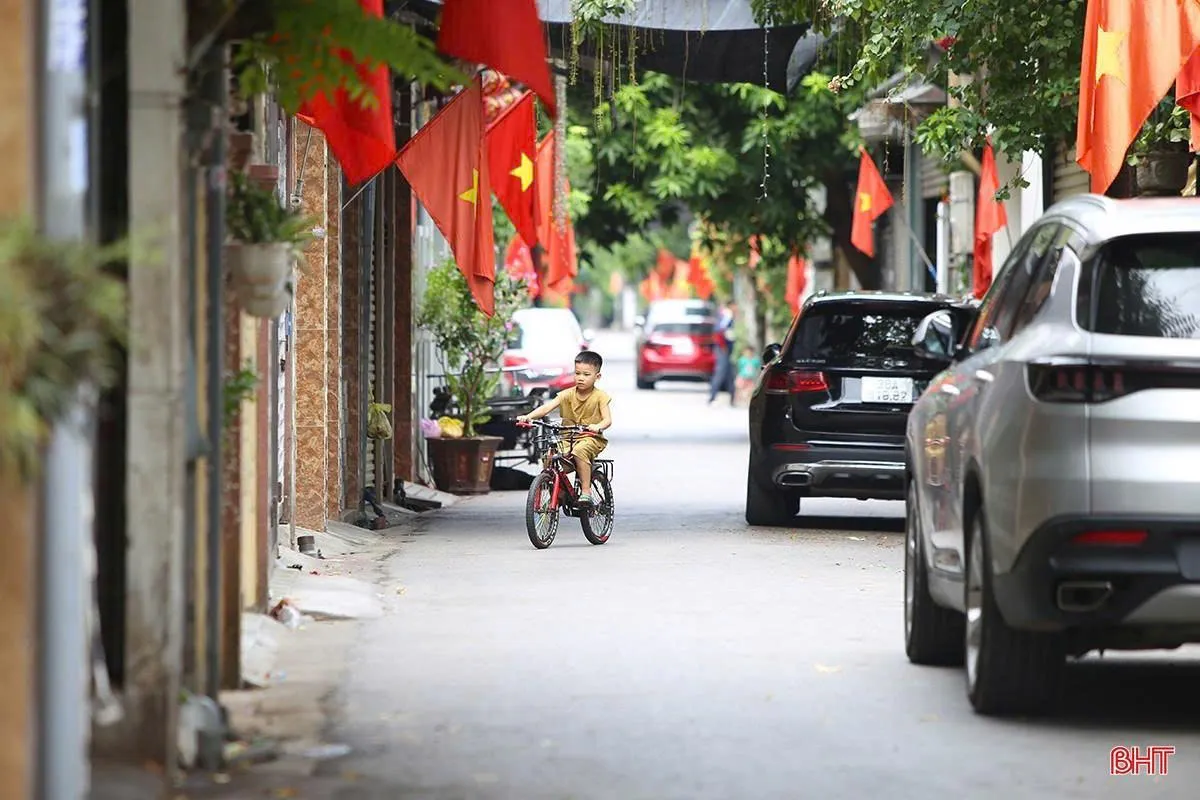
Unlike Tết, the New Year (January 1st) is not rooted in ancestral worship, family reunions, or agricultural cycles. Its role in Vietnamese life is modern, symbolic, and social, rather than spiritual.
January 1st entered Vietnam largely through Western influence, colonial administration, global business calendars, international schooling, and tourism. Today, it functions as a soft reset, not a sacred one. Offices close or operate lightly, students enjoy a day off, and big cities host countdown events mainly aimed at younger generations and international visitors.
For most Vietnamese families, January 1st does NOT replace Tết. There is no pressure to return to hometowns, no altar rituals, and no expectation of new clothes or lucky money. Instead, it’s a chance to relax, meet friends, attend public events, or simply sleep in after a long year.
In short, the New Year in Vietnam is about celebration without obligation and that’s exactly why travelers often find it easier and more enjoyable than Tết.
How Vietnamese People Celebrate the New Year 2026
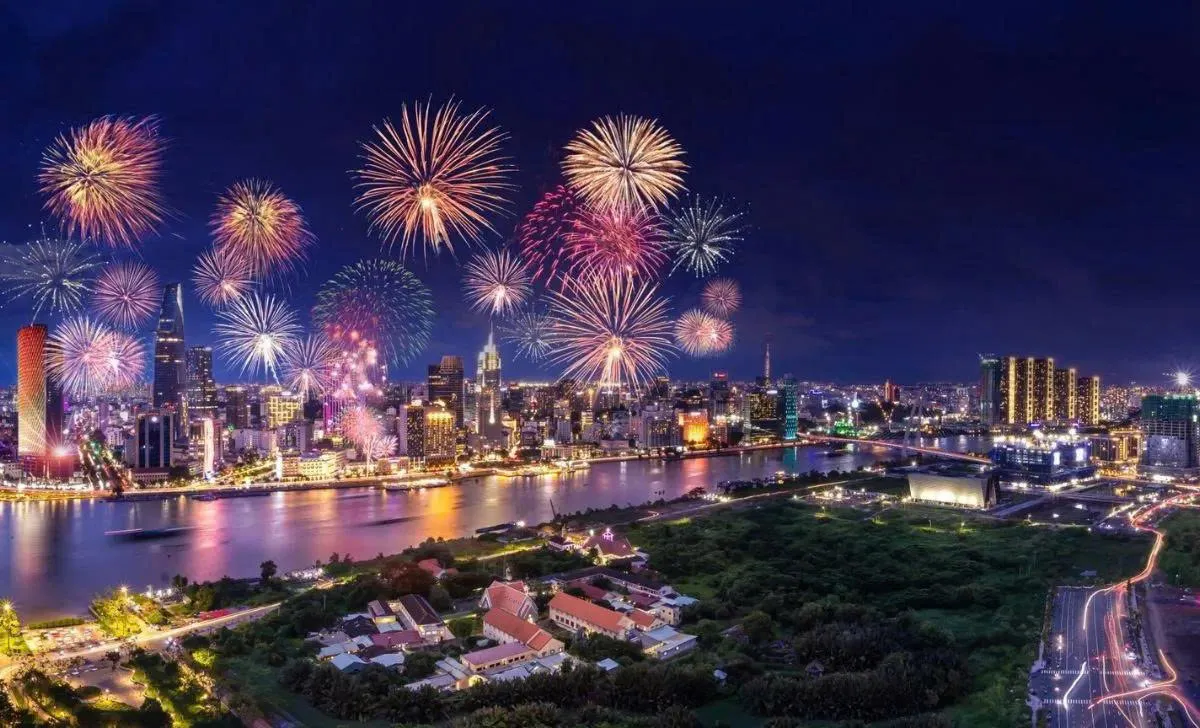
Celebrations for the New Year are informal and urban-focused. The night of December 31st feels more like a large social gathering than a national ritual.
Young people dominate the scene. Groups of friends gather at pedestrian streets, cafés, rooftop bars, or riverside promenades to wait for midnight together. Music stages, countdown events, and fireworks appear in major cities, while smaller towns keep things understated.
At midnight, there’s cheering, phone cameras in the air, and plenty of social media posts, but no traditional prayers or family ceremonies. January 1st itself is usually slow. Many locals treat it as a recovery day, meeting for brunch, coffee, or a casual outing rather than continuing celebrations.
Importantly, the New Year does not disrupt daily life the way Tết does. Restaurants stay open, transport runs normally, and services resume quickly. This balance between festivity and functionality is what makes January 1st particularly traveler-friendly.
Vietnam New Year 2026 in Big Cities vs the Countryside
New Year in Hanoi: Cultural, and Atmospheric
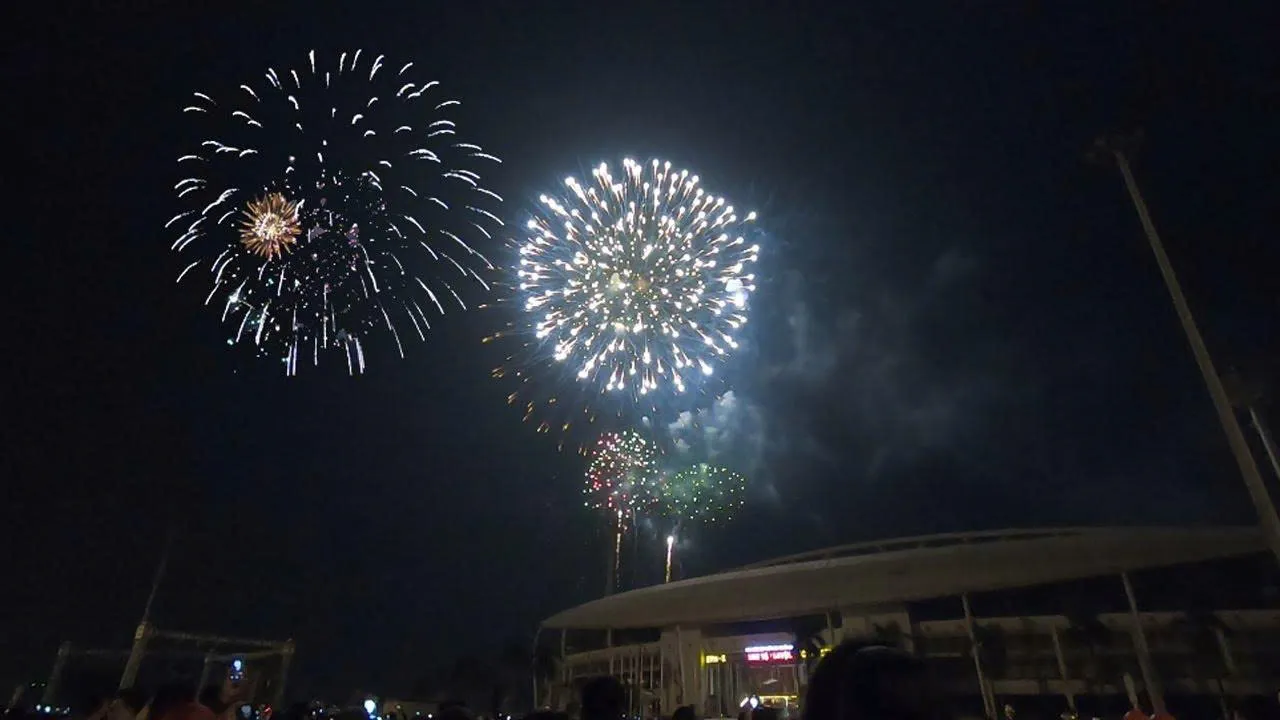
New Year’s Eve in Hanoi usually reflects the capital’s personality: more atmospheric and culturally grounded. Hanoi doesn’t chase massive party energy, although things have been changing slowly recently.
The heart of celebrations gathers around Hoan Kiem Lake, where locals and visitors walk the pedestrian loop, enjoy street performances, and wait for midnight together. This is where people go to watch the New Year fireworks in Hanoi.
Bars and hotels in the Old Quarter host mini countdown events where both locals and tourists gather to celebrate and ring in the new year. You will also see performances from street artists. If you want to enjoy a more Western vibe, head down to Hanoi’s expat town in Tay Ho (West Lake), where most expats reside in Hanoi. You’ll find yourself hanging out, dancing, drinking and cheering with many international friends living in Hanoi.
January 1st in Hanoi is often quiet, with families strolling, cafés full, and museums and tourist spots open as usual. For travelers, New Year’s Eve in Hanoi offers a peaceful yet meaningful transition into the new year, perfect for those who enjoy an atmosphere over chaos.
New Year in Ho Chi Minh City: Loud, Youthful, and Energetic
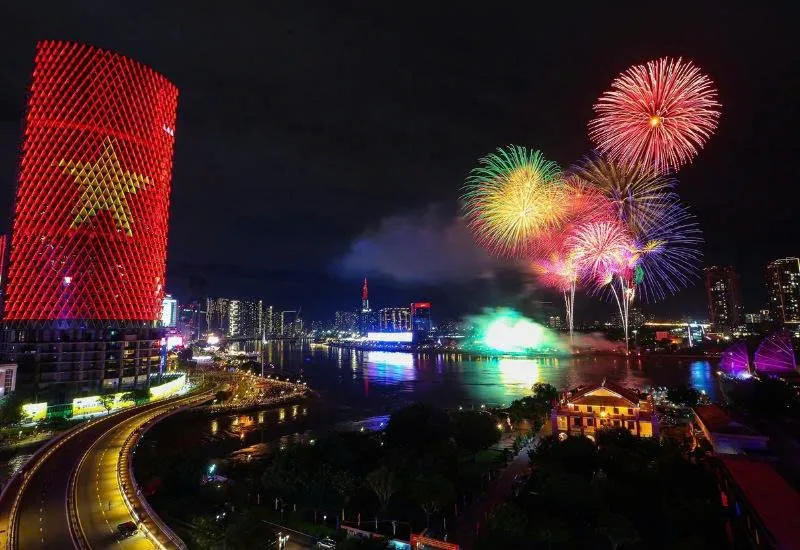
If Hanoi is cultural, New Year’s Eve in Ho Chi Minh City is unapologetically energetic. Saigon treats New Year’s Eve as a full-scale urban celebration, driven by its young population, nightlife culture, and international influence. What makes New Year’s Eve in Ho Chi Minh City unique is its openness. Locals, expats, and tourists mix freely, and the city feels globally connected rather than culturally insular. January 1st itself remains active, cafés, malls, and restaurants reopen quickly, making recovery branches a citywide ritual.
The epicenter is usually Nguyen Hue Walking Street, where thousands gather for countdown concerts, LED stages, and fireworks along the Saigon River. Rooftop bars in District 1 host packed countdown parties, often ticketed and booked weeks in advance.
For a different experience celebrating with the locals and expats, head to Thao Dien area in District 2 where the expats reside. You’ll find yourself among people from different nations, from Europe, Africa, other parts of Asia, to even the far South America, becoming a big international family, hugging, cheering, wishing all the best to each other right on the streets of Saigon.
If you want energy, crowds, and celebration, Vietnam New Year 2026 is at its most vibrant in Saigon. And while you’re here, why not check out our favorite bars and raise a glass to welcome 2026
New Year in Da Nang and Hoi An: Scenic and Balanced
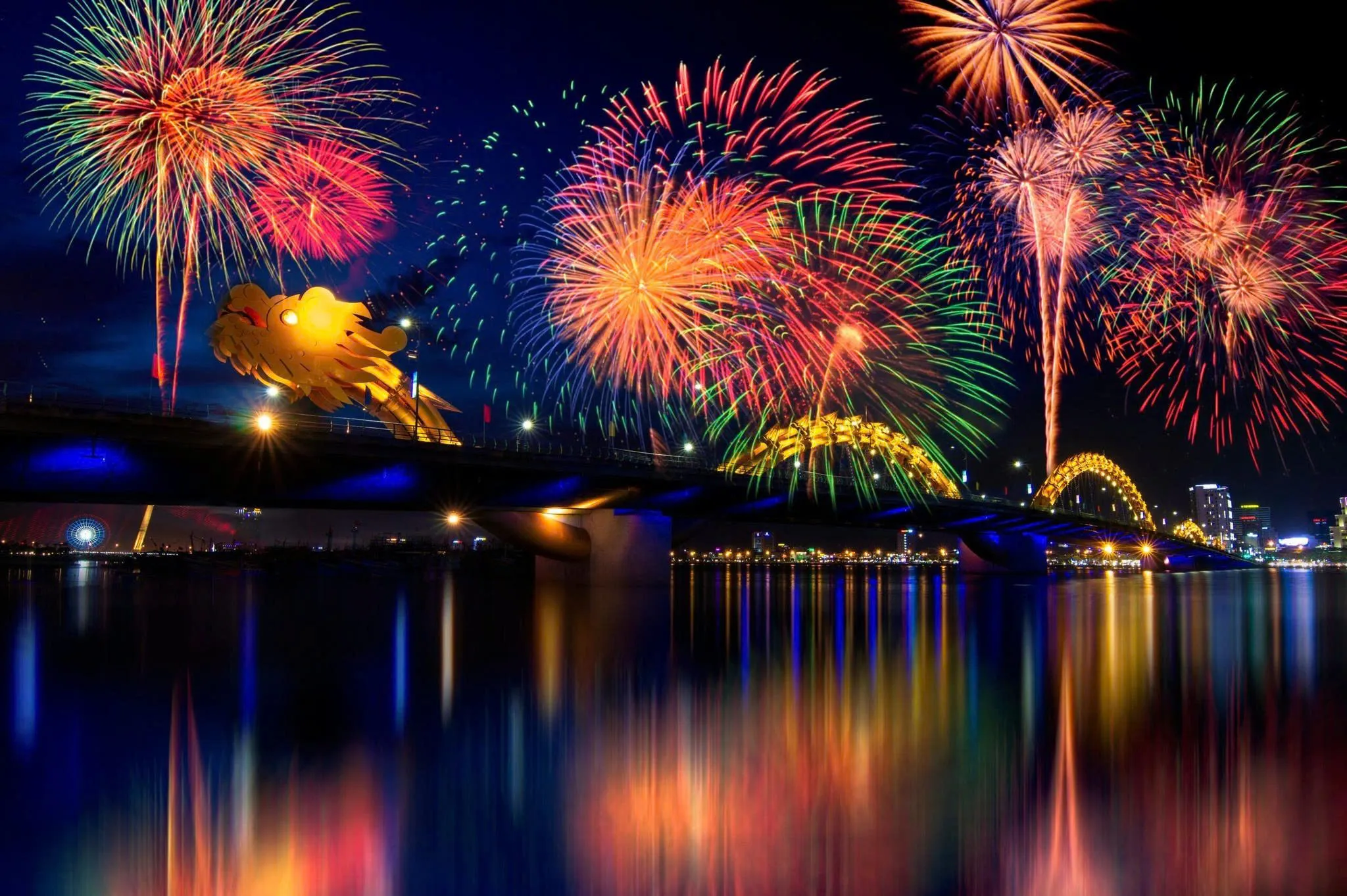
New Year’s Eve in Da Nang/Hoi An offers a middle ground between Hanoi’s cultural vibe and Saigon’s intensity. Da Nang, with its modern layout and beachfront setting, hosts organized countdown events along the Han River, often paired with fireworks and light shows.
Hoi An, by contrast, keeps things gentle. The lantern-lit Old Town becomes even more atmospheric on December 31st, with riverside bars, cafés and boutique hotels hosting intimate countdown dinners rather than large public concerts.
For travelers seeking beauty, walkability, and manageable crowds, Vietnam New Year 2026 in Da Nang or Hoi An is an excellent choice. January 1st is calm, scenic, and ideal for slow travel.
Vietnam New Year 2026 in the Countryside: Just Another Day
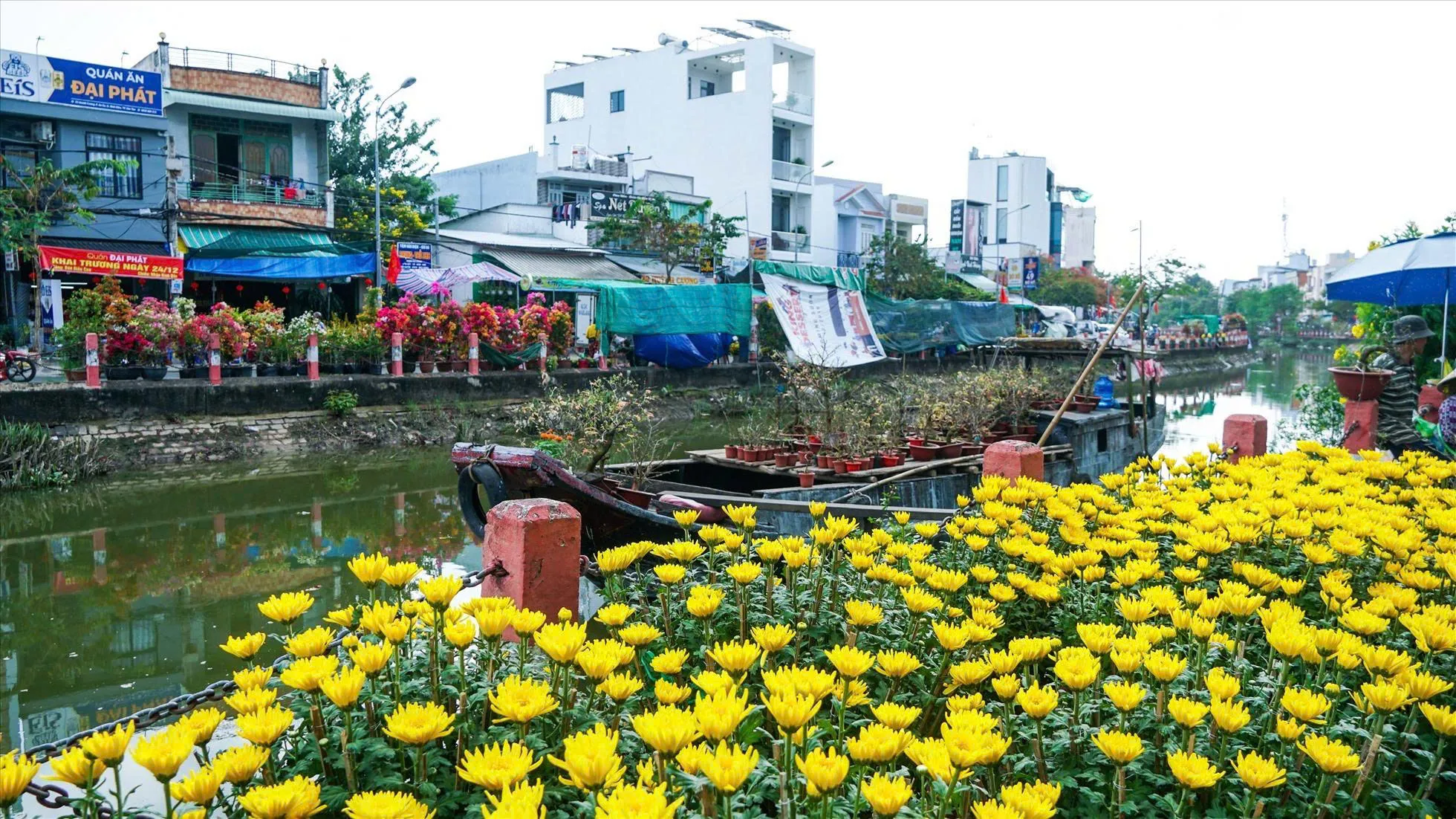
If you find yourself in the countryside or rural Vietnam, the New Year 2026 passes quietly. There are no countdowns, fireworks, or public events. Life continues as usual, with markets opening, farmers working, and families treating January 1st as a normal day off, if it’s observed at all. If you’re lucky, you will be invited to share a meal and (a lot of) drinks with a local family, which is a very normal thing in the countryside of Vietnam, so don’t be surprised and worried. That’s the way we Vietnamese show our hospitality.
This contrast highlights an important truth: January 1st matters far more to cities than villages. If you’re traveling in the countryside during Vietnam New Year 2026, expect minimal disruption and very little celebration.
What to Do on New Year’s Eve in Vietnam New Year 2026
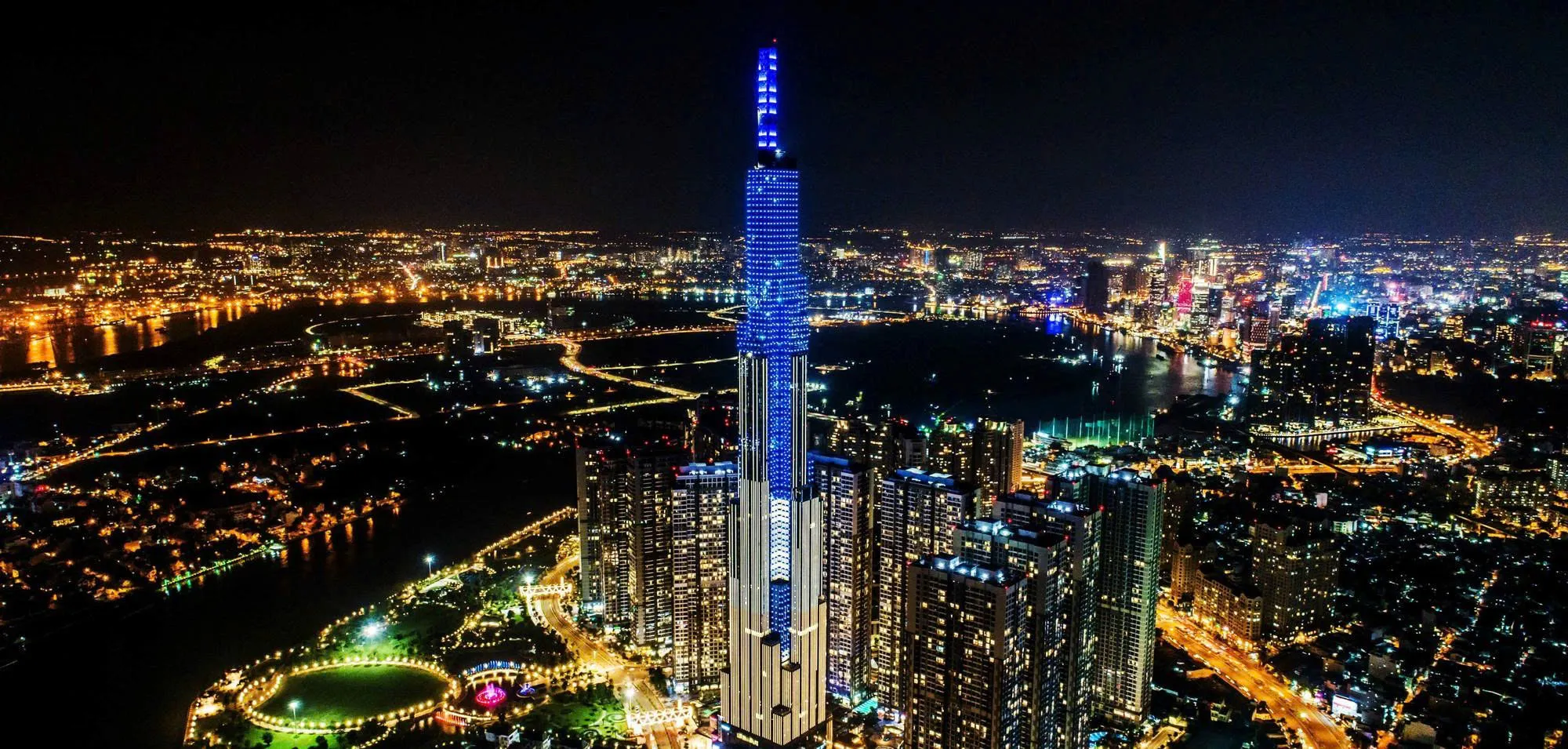
Across Vietnam, what to do on New Year’s Eve depends heavily on where you are, but the experiences share common themes of social gathering and public space.
In cities, walking streets (Nguyen Hue/Bui Vien street in Ho Chi Minh City, An Thuong area in Danang and Old Quarter/Hoan Kiem Lake in Hanoi) become social hubs where people come not necessarily to party hard, but to be present. Music stages, street food, and spontaneous conversations define the night. Fireworks are usually short (5 - 10 mins) but symbolic.
Hotels and rooftop bars offer curated countdown experiences for travelers who prefer comfort and guaranteed views. These tend to sell out early, especially in big cities like Hanoi, Ho Chi Minh City and Da Nang, required booking and planning beforehand.
For a quieter option, many locals simply gather at cafés or hanging out at riversides (not in the center though), watching the clock tick over without formal ceremony. This low-pressure approach is part of what makes the New Year approachable for first-time visitors.
And for a change of vibe, why not join a vespa tour, enjoy the authentic dishes at place that the locals go to, as a way to close your 2025 adventure, althought maybe not on the evening of December 31st because the streets will be congested with traffic, especially in the center, but maybe that would be your once in a lifetime experience!
What Travelers Should Be Aware of During Vietnam New Year 2026
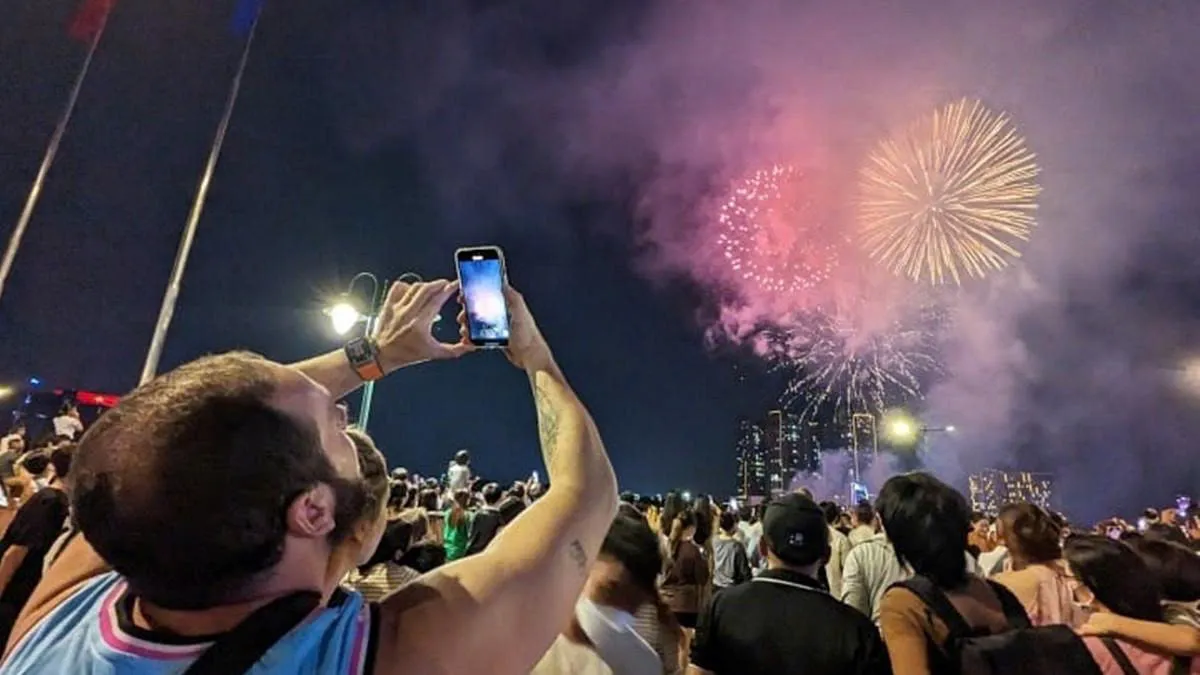
Traveling during the New Year is generally easy, but there are a few realities to keep in mind:
- Traffic congestion peaks on the evening of December 31st in major cities, especially around walking streets and fireworks zones. Ride-hailing prices surge, and some roads may close temporarily. Planning to walk or arrive early is essential.
- Be aware and ALWAYS keep an eye on your personal belongings when you’re in a crowd. Pickpocketting is very easy to happen during this time, and if you’re not a fan of big crowd due to health reasons, or afraid of stampedes, staying away from the city center is recommended.
- Costs can increase slightly for hotels, rooftop bars, and special events, though nowhere near Tết-level inflation. Booking accommodation and New Year’s Eve events in advance is strongly recommended in big cities.
- Safety-wise, January 1st is relatively calm. Alcohol consumption increases in nightlife areas, so travelers should remain aware of personal belongings in crowds. Public transport resumes quickly on January 1st, and essential services remain available.
- Perhaps most importantly, travelers should adjust expectations. the New Year is not culturally sacred. Locals are friendly but not emotionally invested in the holiday the way they are during Tết.
Interesting and Fun Facts About Vietnam New Year 2026
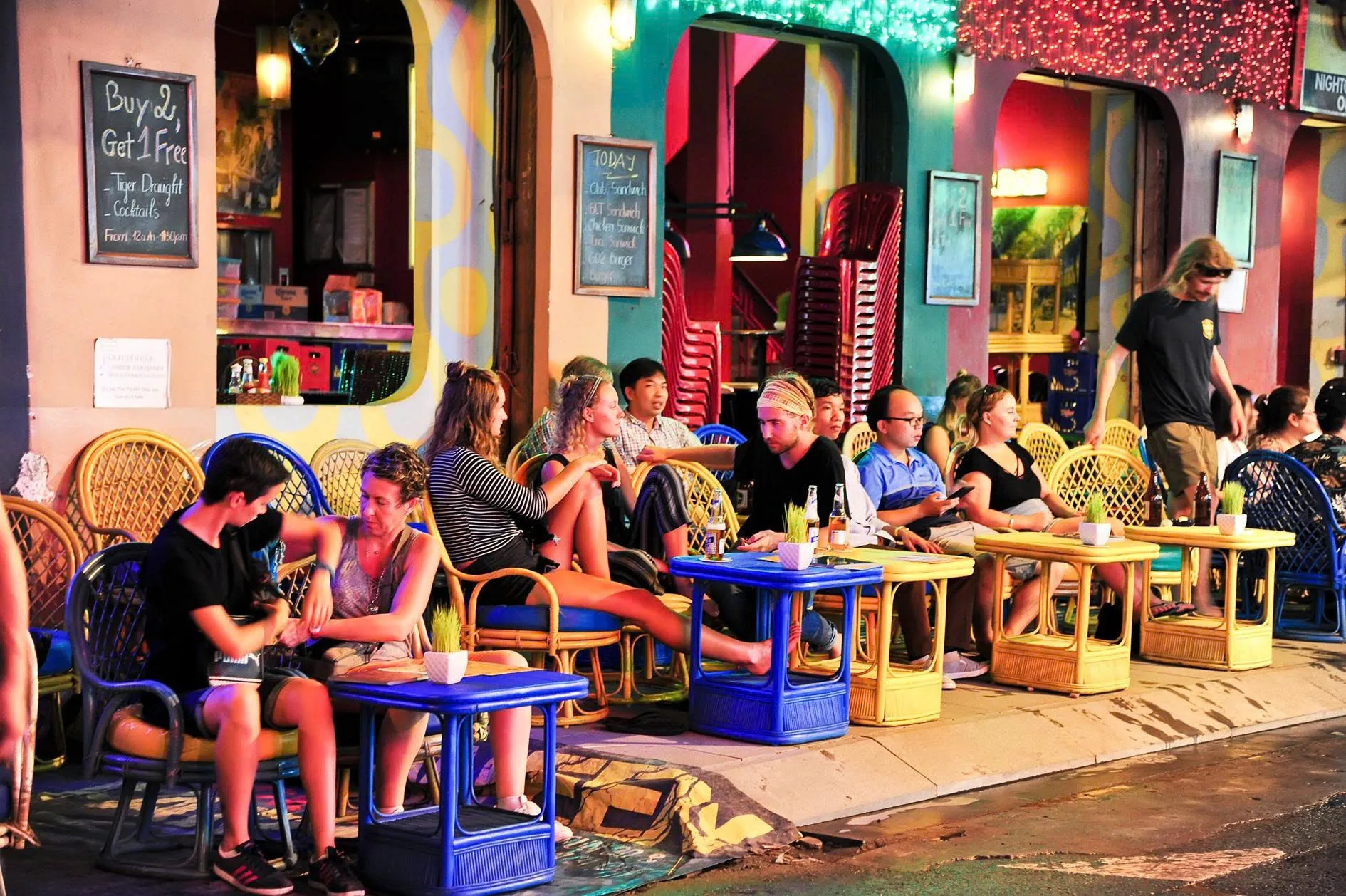
One interesting aspect of the New Year 2026 is that many Vietnamese don’t even refer to it as “New Year” in daily speech. They often say “ Tết Tây” (Western New Year) to distinguish it from Tết.
Another fun fact is that January 1st is far more important for businesses, schools, and international companies than for families. Corporate countdown parties and brand-sponsored concerts often outnumber community events.
Fireworks on January 1st are not guaranteed every year and depend on city-level approval. This unpredictability surprises many visitors expecting global-style celebrations.
Finally, for many young Vietnamese, January 1st is less about the calendar and more about social connection, a reason to gather without the weight of tradition.
Is the New Year 2026 Worth Experiencing in Vietnam?
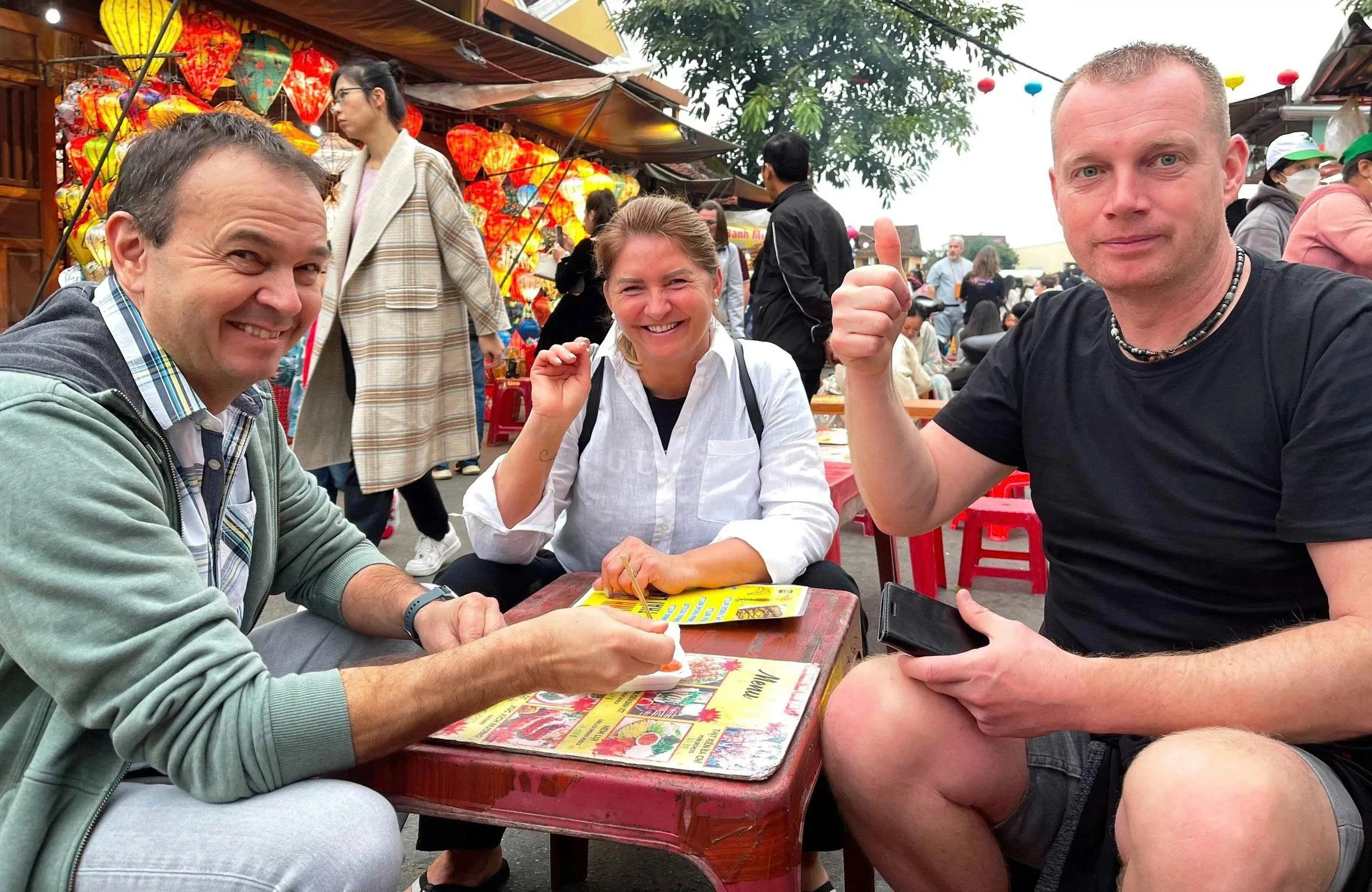
Absolutely, if you understand what it is and what it isn’t. Vietnam New Year 2026 offers a rare balance: festive energy without cultural pressure, celebration without shutdowns, and accessibility without chaos.
It won’t teach you everything about Vietnamese tradition, that’s Tết’s role. But it will show you how modern Vietnam relaxes, socializes, and welcomes the world into its cities at the turn of the year.

Anh Pham - General Manager
After exploring Ho Chi Minh City (or Saigon, as I love to call it) on a motorbike for over 10 years, these streets feel like my playground. I believe the best travel moments happen when you discover something unexpected. My goal is simple: to share my favorite parts of the city with you, so you can experience the real, everyday magic of my home.
Other tips
- 10 Best Vietnamese Clothing Brands & Local Brands Vietnam
- Beaches Near Hanoi: The Closest Beach Escapes for a Weekend Trip
- Hoi An Tailors: The Complete Insider Guide to Custom Clothes in Vietnam
- Best eSIM for Vietnam (2026 Guide from a Local Perspective)
- Da Nang International Airport Vietnam: A First-Timer Guide to Landing Calmly (DAD)
- Noi Bai International Airport Guide for First-Time Travelers to Vietnam (HAN)
- Traveling Vietnam as a Couple: What to Do, Where to Go, and How It Actually Feels
- Vietnamese Lunar New Year (Tết) 2026
- Vietnamese Mountain Guide
- Best Beaches in Vietnam: How the Coast Actually Works (and How to Choose the Right One)
- 15 Underrated Towns in Vietnam
