

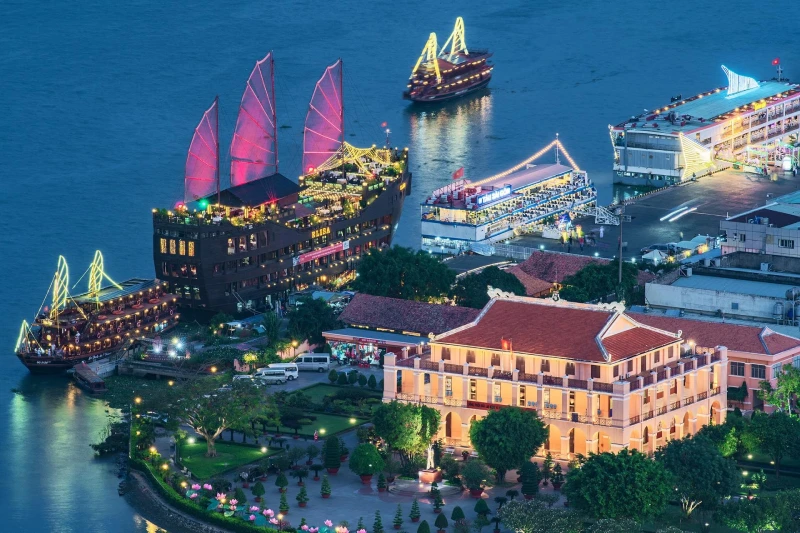
District 4 Saigon is one of those places where the city reveals its real personality. It’s small, just under 4 km², but dense with life. The moment you cross any of the bridges from District 1, District 7, or Thủ Đức City, the rhythm changes instantly: the streets tighten, the alleys multiply, the food smells thicken, and everyday life spills onto the sidewalks. For many travellers, District 4 becomes the moment Saigon “clicks.” This guide covers its geography, its notorious-but-lovable past, what to do and what to eat, plus the new ward names you’ll see in 2026.
A quick note on names (2026): Since 1 July 2025, District 4 is no longer an official unit on paper, it’s been reorganised into three new wards: Vĩnh Hội (the food-heavy core), Khánh Hội (the modern, riverside side closest to District 1), and Xóm Chiếu (the affordable alley heartland). Locals, signs and tours still say “District 4,” so this guide does too, noting the new wards where useful.
What Is District 4 Saigon Known For?
Quick answer: District 4 is Saigon’s compact, high-energy riverside district, famous for the seafood street of Vĩnh Khánh, its maze of living alleys, an authentic working-class food scene, and a colourful “mafia town” past that’s now firmly history. It’s one of the most local neighbourhoods you can explore near the centre.
District 4 covers less than four square kilometres but packs more human energy per metre than almost anywhere in Ho Chi Minh City. Framed on three sides by the Bến Nghé Canal, the Tẻ Canal and the Saigon River, the waterways give it a contained, self-sufficient world. Major roads, Nguyễn Tất Thành, Hoàng Diệu, Vĩnh Khánh, Tôn Đản, break quickly into a network of narrow alleys, some just wide enough for a single motorbike. These hẻm aren’t shortcuts; they’re living communities. And because you’re minutes from District 1’s nightlife and Thủ Đức City’s creative hubs, District 4 blends local character with city-centre convenience.
Why Does District 4 Have a “Mafia Town” Reputation?
Quick answer: Decades ago, District 4’s canal-side slums, dense unnamed alleys and busy port made it a tough, working-class area tied to figures like the gangster Năm Cam. After his arrest and two decades of urban renewal, the district transformed, today it’s safe, warm and welcoming, with just enough edge to keep its stories rich.
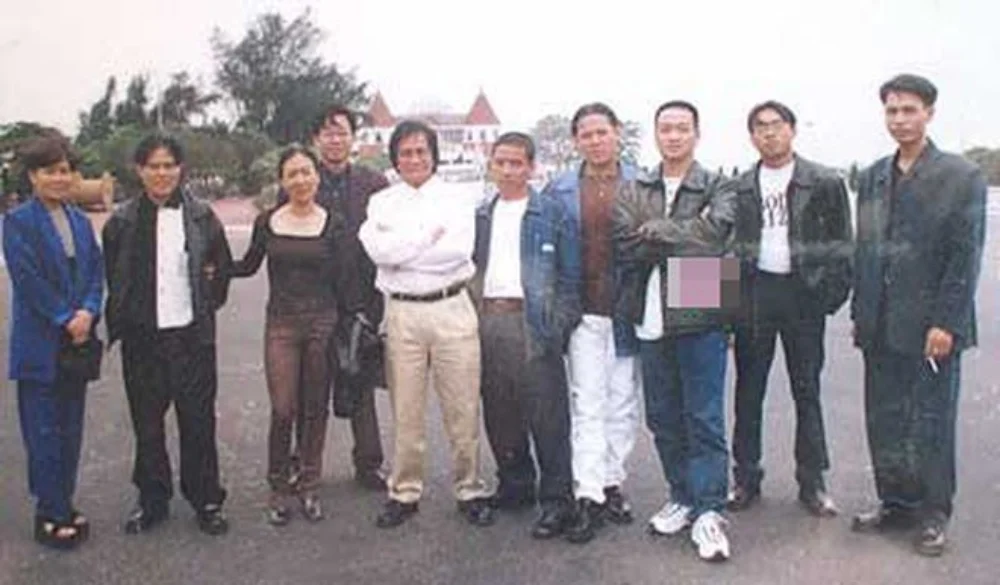
Ask anyone who grew up in Saigon and they’ll lower their voice: “Quận 4 hồi xưa dữ lắm” (“District 4 used to be intense”). Back then, canal-side slums packed families into makeshift homes, and the maze of alleys made it easy for trouble to disappear. Pickpocket crews and several infamous gang figures had roots here, that’s how the nickname “mafia town” stuck. The reputation lingered into the early 2000s, not from movie-style crime, but from busy port traffic, tight living spaces and a street economy that never slept.
The transformation since has been massive: bridges expanded, roads widened, riverside parks developed, old houses renovated. Today the district still has an attitude, but it’s approachable and charming. If you want a touch of the old atmosphere, head to Alley 148 Tôn Đản, where the legendary mobster Năm Cam once lived. Because the district still carries that shadow, its alleys remain rich with unfiltered stories, many locals don’t share online.
Love stories like these? The hidden history comes alive with a local guide. Uncover “Saigon’s Secrets” »
Is District 4 Saigon Safe?
Quick answer: Yes. District 4 today is one of Saigon’s most commonly explored local neighbourhoods, families stroll Bến Vân Đồn, tourists dine on Vĩnh Khánh, and foot traffic flows day to night. Standard city awareness applies (secure your phone near traffic), but it’s far safer than its old reputation suggests.
In the evenings, the atmosphere feels open, active and friendly. Of course, it’s a dense urban district, so usual Saigon habits apply, keep your phone secure near traffic, avoid wandering unfamiliar alleys very late, and stay aware in busy areas. These are general city habits, not District 4-specific warnings. For both first-timers and returning travellers, the district is perfectly fine to explore and offers one of the most authentic slices of Saigon life.
What Are the Historic Landmarks in District 4?
Quick answer: District 4’s standout sight is Nhà Rồng Wharf (the Ho Chi Minh Museum), where Hồ Chí Minh left Vietnam in 1911. Add the Eiffel-built Mống Bridge, the 19th-century Khánh Hội and Vĩnh Hội communal houses, and Xóm Chiếu Market for a real sense of the district’s history.
District 4 isn’t a district of grand monuments, but it holds a few landmarks that anchor its story:
- Nhà Rồng Wharf (Ho Chi Minh Museum). The district’s most iconic site, the historic port building from which a young Hồ Chí Minh departed in 1911 to seek independence abroad. Today it’s a museum with riverside views and deep historical weight.
- Mống Bridge (Cầu Mống). A green steel bridge built in 1893-1894 using the same engineering method as the Eiffel Tower, linking District 4 to District 1. Late afternoon is peak time for photos and river breezes.
- Khánh Hội & Vĩnh Hội Communal Houses. Nineteenth-century spiritual sites with ornate wood carvings, hosting the annual Kỳ Yên Festival, a quiet, authentic glimpse of Southern Vietnamese tradition.
What Are the Best Things to Do in District 4?
District 4 is not a district of museums, it’s a district of experiences. If you want to understand how Saigon lives, eats and breathes, this is where you go.
Wander Vĩnh Khánh Street at Night
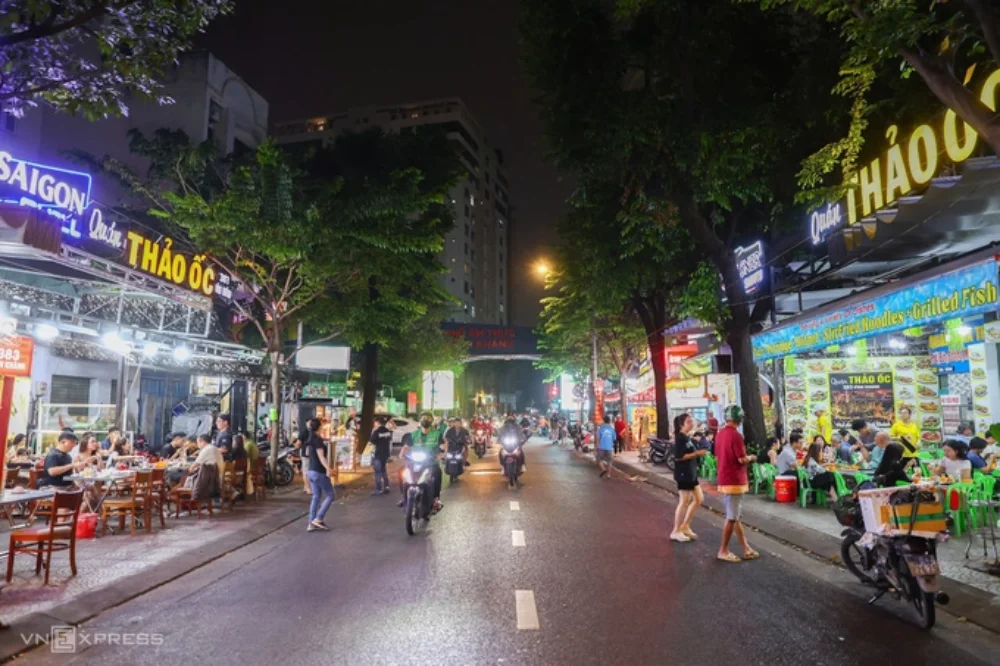
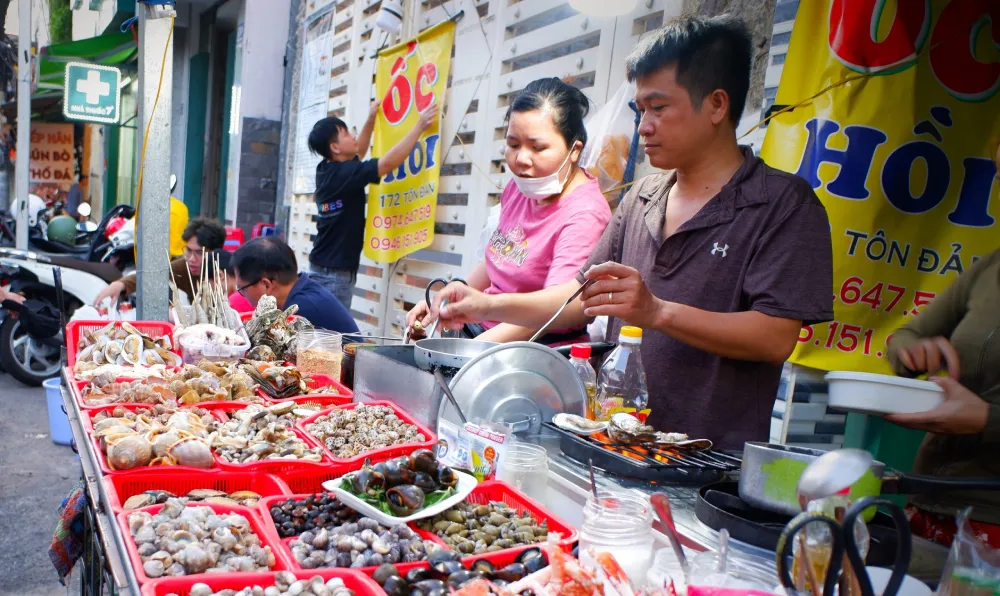
Vĩnh Khánh (now in Vĩnh Hội Ward) is the heartbeat of District 4’s nightlife. As the sun sets, the street erupts: seafood grills firing up, charcoal smoke rising, singers performing outside restaurants, crowds flowing stall to stall. Dine on grilled scallops, snails in coconut milk, BBQ oysters and clams with lemongrass on plastic stools with a cold drink. This street alone answers half the question of what to do in District 4.
Explore Xóm Chiếu Market and Hẻm 200
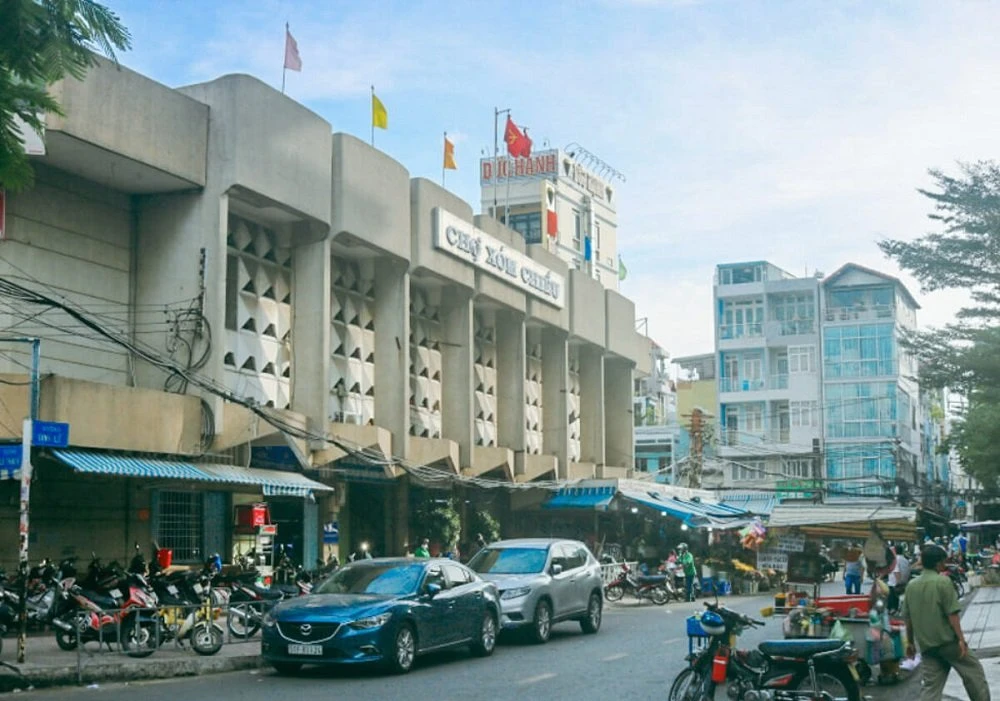
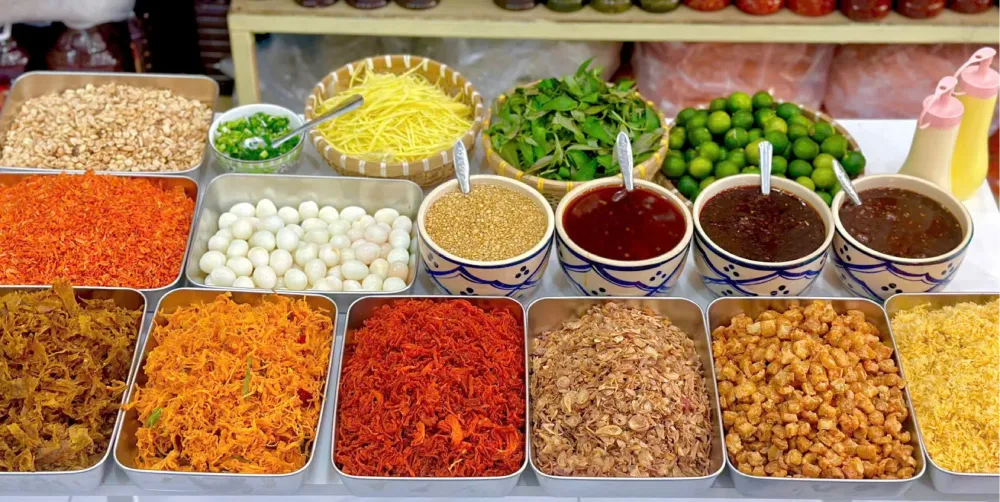
Xóm Chiếu Market (established before 1975, nearly 1,200 stalls) in the morning is pure local life: vendors shouting prices, fresh seafood, families shopping. By late afternoon, the nearby alleys, especially 200 Market on Tôn Đản, transform into a snack universe: grilled rice paper, bánh tráng trộn, fresh fruit and iced drinks.
Take an Evening Walk on Bến Vân Đồn
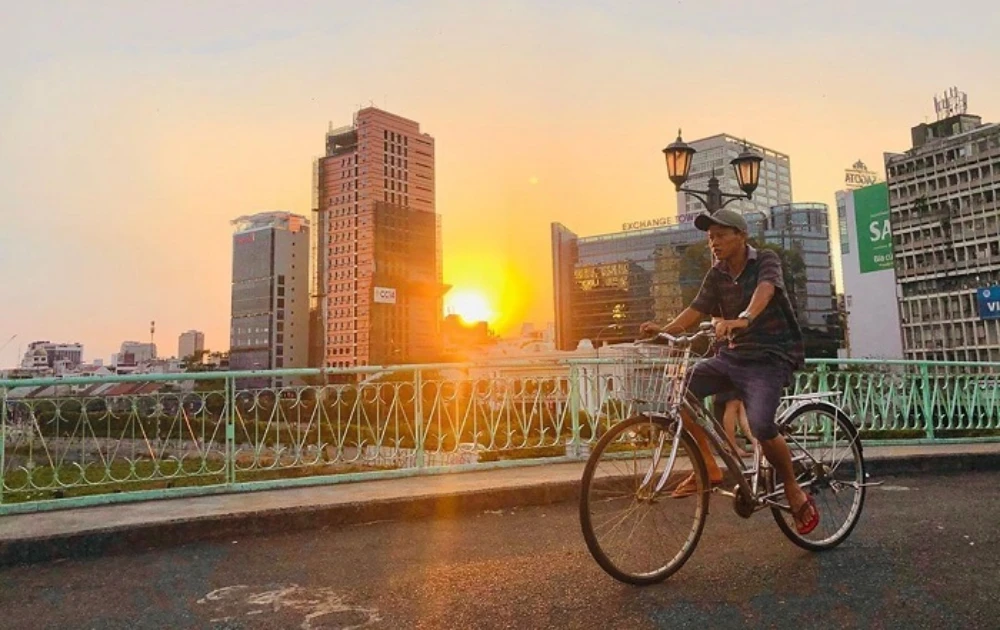
Once a humble canal path, Bến Vân Đồn is now a relaxed evening spot with breezes off the water and a clear view of District 1’s skyline lighting up across the canal. The perfect cooldown after dinner.
Dive Into the Alleys (The Heart of District 4)
To see Saigon at its most human, explore the alleys off Hoàng Diệu, Vĩnh Hội and Tôn Đản. You’ll find evening snack carts, coffee stalls, kids playing, and the soft hum of neighbourhood life all at once.
District 4’s seafood scene is best with someone who knows the stalls. Join the Saigon Foodie Feast food adventure »
What Should You Eat in District 4 Saigon?
Quick answer: Three things: seafood, street snacks and authentic local meals. Don’t miss grilled snails and scallops on Vĩnh Khánh, bánh tráng trộn in 200 Market, morning bún riêu in the alleys, and the famous broken rice at Cơm Tấm Hồng on Hoàng Diệu, all at very local prices.
District 4 is famous for seafood, street snacks and home-style cooking. Here’s what you shouldn’t miss:
- Seafood on Vĩnh Khánh, grilled scallops, snails in every sauce, clams, razor shells and oysters. Affordable, generous, consistent. Try “ốc hương trứng muối” (snails with salted egg).
- Bánh tráng trộn in 200 Market, fresh rice paper, quail eggs, dried beef, chilli oil and herbs mixed on the spot. Simple, addictive, authentically Saigon.
- Morning bún riêu in the alleys, rich tomato-and-crab broth at a very local price. A top spot: Bún Riêu Giò Chả Thu Nga (Q32 Nguyễn Hữu Hào).
- Cơm Tấm Hồng Calmette, the broken-rice institution near the port: pork chop, shredded pork skin, fried egg. (134 Hoàng Diệu.)
- Night dessert carts, flan, chè and grilled bananas around Hoàng Diệu and Vĩnh Hội after 6 PM.
For the adventurous: phá lấu (stewed offal in coconut broth) at Cô Thảo (243/29G Tôn Đản), or bánh tráng chả mực (fried squid-paste rolls) at 203 Tôn Thất Thuyết.
Want a guide to navigate the stalls and order like a local? Taste the real Saigon Vibes & Bites »
A Suggested District 4 Route (Easy, Safe, Well-Rounded)
Perfect for first-time visitors who want a clean overview:
- Mống Bridge / Calmette Viewpoint, start with a canal-and-skyline view; grab Cơm Tấm Hồng nearby.
- Xóm Chiếu Market, a few hundred metres on; daily-life chaos and, opposite, Ốc Nho for snail fondue (“ốc né”).
- 20 Thước Street, a friendly alley famous for the best flan and jelly in the area.
- Dinner on Vĩnh Khánh, seafood, music and energy from 7 PM onwards.
- Bến Vân Đồn Riverside, end with a slow canal-side coffee.
Quick Tips for Visiting District 4
- Getting there: about 15 minutes by motorbike from District 1 (~3.5 km via Khánh Hội Bridge); buses 34 and 102 also connect to Bến Thành and District 7.
- Best time: late afternoon into evening, when the alleys and Vĩnh Khánh come alive.
- Getting around: walk or ride, the narrow alleys are best on foot or motorbike.
- Local coffee tip: red or blue plastic stools are the sign of a real local café. Order “cà phê sữa đá.”
- Stomach: for adventurous alley eats, a probiotic beforehand doesn’t hurt.
Final Thoughts
District 4 Saigon is one of the most rewarding districts to explore if you want the city the way locals live it. Its transformation from a tough port neighbourhood to a vibrant, close-knit community gives it a personality few districts can match. Add the legendary food, the intimate alley scenes and the canal views, and you have a place that stays with you long after you leave.
FAQ
Is District 4 Saigon safe to visit? Yes. Despite its old “mafia town” reputation, District 4 today is one of Saigon’s most explored local neighbourhoods, with families and tourists out day and night. Standard city awareness applies, but it’s far safer than decades ago.
What is District 4 famous for? District 4 is best known for the Vĩnh Khánh seafood street, its dense maze of living alleys, authentic and affordable street food, and the historic Nhà Rồng Wharf where Hồ Chí Minh departed in 1911. It also carries a colourful working-class, “mafia town” past.
Is District 4 still called that in 2026? In everyday use, yes. Officially, District 4 was reorganised in July 2025 into three wards, Vĩnh Hội, Khánh Hội and Xóm Chiếu, but locals, signs and tour operators still widely use “District 4.”
What should I eat in District 4? Seafood and snails on Vĩnh Khánh Street, bánh tráng trộn at 200 Market, morning bún riêu in the alleys, and broken rice at Cơm Tấm Hồng on Hoàng Diệu. Most dishes are very affordable, starting from around 10,000-50,000 VND.
How do I get to District 4 from District 1? It’s about a 15-minute motorbike ride (roughly 3.5 km) across the Khánh Hội Bridge via Tôn Đức Thắng and Nguyễn Tất Thành. Grab bikes, taxis and buses 34 or 102 all serve the district.