

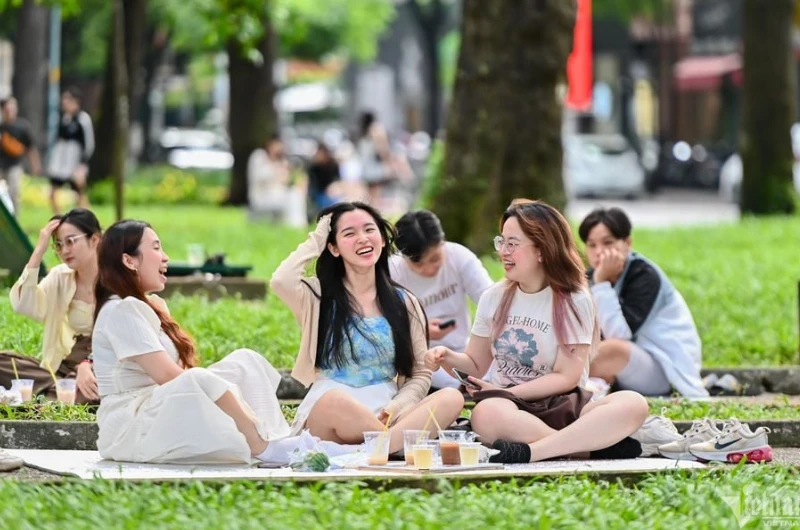
Breakfast in Vietnam is hot, savoury, filling, and rarely eaten at home. By 6 a.m., sidewalks across the country are alive with steaming noodle pots, clinking bowls, and locals finishing a full meal before the workday even starts. This is not a light breakfast culture, and it’s exactly why Western-style fast food never became Vietnam’s default morning choice. To understand Vietnamese breakfast is to understand how the country works: its climate, its labour rhythm, its cost logic, and its daily routines. This guide explains what locals really eat, and why. By the end, you’ll understand not just the dishes themselves, but the deeper logic of climate, labour, cost and culture that shaped one of the most distinctive breakfast traditions in the world.
What Do Vietnamese People Eat for Breakfast?
Quick answer: Vietnamese breakfast is a full, hot, savoury meal, usually eaten out at a street stall rather than at home. The most common choices are noodle soups (like phở, bún and hủ tiếu), bánh mì (filled baguettes), xôi (sticky rice), and cháo (rice porridge), often paired with strong Vietnamese coffee. Sweet breakfasts are far less common than savoury ones.
A traditional Vietnamese breakfast is hearty and savoury, designed to fuel a full day rather than to be a light start. Rather than cereal or pastries, locals reach for substantial, hot dishes, most often bought from a specialist street vendor who may sell only one dish, perfected over years. The staples fall into a few categories:
- Noodle soups, the morning kings, including phở, bún and hủ tiếu.
- Bánh mì, the iconic filled baguette, quick and portable.
- Xôi (sticky rice), a filling grab-and-go option, savoury or sometimes sweet.
- Cháo (rice porridge), a gentle, easy-to-digest choice.
Many locals pair their meal with a glass of strong Vietnamese coffee, or sometimes let the coffee replace breakfast entirely. To explore the wider food scene, see our guide to what to eat in Saigon.
Why Is Vietnamese Breakfast Savoury, Not Sweet?
Quick answer: Vietnamese breakfast evolved to support early starts and physical work, so it prioritises savoury, protein-and-carb-rich dishes that provide lasting energy. In a historically agricultural and labour-driven society, farmers, vendors and workers needed substantial fuel before sunrise. Sweet breakfasts return hunger faster, so savoury noodle soups and rice dishes became the practical norm.
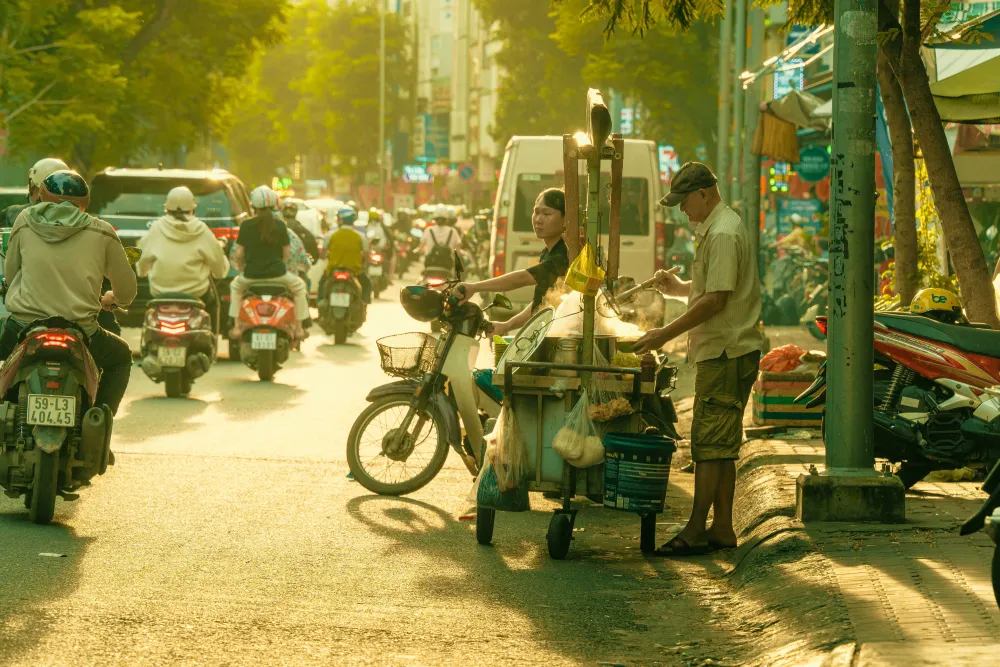
The savoury nature of Vietnamese breakfast isn’t an accident, it’s a practical solution refined over generations. Vietnam has long been an agricultural and labour-driven society, where farmers, market vendors, factory workers, drivers and commuters often start their day before sunrise and need real fuel to sustain hard physical work.
A bowl of noodle soup or a plate of rice delivers exactly that: a balanced hit of carbohydrates, protein and warmth that keeps hunger at bay for hours. Sweet breads and pastries do exist near schools and bakeries, but they remain minor and situational, largely because they offer lower satiety and faster hunger return. In a culture where breakfast is a meaningful working meal rather than a treat, savoury simply makes more sense. It’s a logic of energy, not lifestyle.
The warm climate plays a part too. A hot, brothy bowl might seem counterintuitive in the heat, but locals find that a warm, savoury breakfast actually sits better than a heavy sweet one in tropical humidity, while the broth helps with hydration and salts lost to the morning heat. This blend of practical factors, energy needs, climate and cost, explains why the savoury breakfast has remained the unshakeable norm for generations, even as the country has modernised and Western options have appeared.
Is Phở a Breakfast Food in Vietnam?
Quick answer: Yes, phở is traditionally and culturally a breakfast dish, though it’s eaten at all hours. It originated as a morning food because the broth is simmered overnight, reaching peak clarity and aroma by early morning, which is why many classic phở shops open around 5:30 to 6:00 a.m. and sell until the broth runs out. Evening phở is also traditional, not a tourist invention.
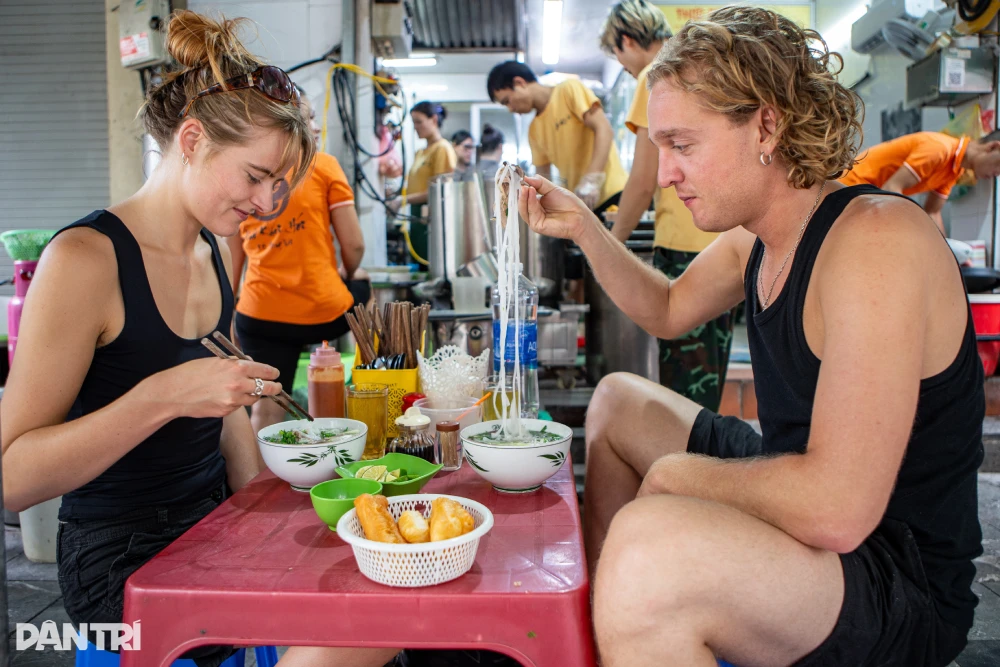
Phở is perhaps the most iconic Vietnamese breakfast, and there’s a practical reason why. Traditional phở broth is simmered overnight, reaching its peak clarity and fragrance by early morning, which is exactly when classic phở shops open, often between 5:30 and 6:00 a.m., serving until the broth runs out.
That said, phở isn’t limited to mornings. Vietnamese people have long eaten it in the evening too, especially shift workers, night drivers and anyone wanting a light but warm meal after dark, so evening phở is authentic, not a tourist adaptation. What has changed over time is simply how common all-day phở has become as cities expanded and work schedules diversified. For a deeper look, see our guide to the best phở in Ho Chi Minh City.
What Are the Most Popular Vietnamese Breakfast Dishes?
Quick answer: Beyond phở, popular breakfast dishes include bánh mì (filled baguette), bún (vermicelli soups like bún bò Huế), hủ tiếu (southern noodle soup), xôi (sticky rice), cháo (rice porridge), and bánh cuốn (steamed rice rolls). Each region has its own specialities, and the variety is enormous, no two mornings need taste the same.
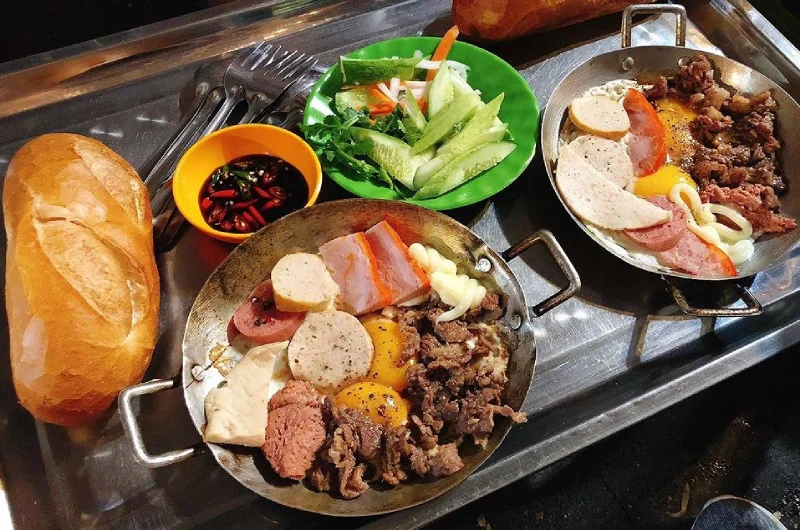
Vietnam’s breakfast menu is wonderfully diverse, varying by region and personal taste. The headline dishes every traveller should know:
- Bánh mì. The famous Vietnamese baguette sandwich, crisp bread filled with pâté, meats, pickled vegetables and herbs. Quick, portable and beloved. Read more in our guide to the best bánh mì in Saigon.
- Bún dishes. Vermicelli-based meals, from the rich, spicy bún bò Huế to lighter soups, are popular morning fare.
- Hủ tiếu. A southern favourite of clear broth and springy noodles, with countless regional variations.
- Xôi. Sticky rice topped with savoury or sweet additions, the ultimate grab-and-go.
- Cháo. Comforting rice porridge, gentle on the stomach and popular with children, the elderly and the unwell.
- Bánh cuốn. Delicate steamed rice rolls filled with pork and mushrooms, light yet satisfying.
Trying a different dish each morning is one of the most rewarding ways to experience Vietnamese food culture.
How Does Breakfast Differ Across Vietnam’s Regions?
Quick answer: Breakfast varies by region. The north (Hanoi) is the home of phở and favours clearer, subtler flavours. Central Vietnam (Hue, Da Nang) brings bolder, spicier dishes like bún bò Huế and delicate rice cakes. The south (Saigon) tends toward sweeter, richer flavours and dishes like hủ tiếu and cơm tấm. Each region’s mornings have a distinct character.
One of the joys of Vietnamese breakfast is how much it changes as you travel the length of the country, reflecting the nation’s strong regional culinary identities:
- Northern Vietnam (Hanoi). The birthplace of phở, the north favours clearer broths and subtler, more balanced flavours, with less sugar and chilli. Morning bowls here are elegant and restrained.
- Central Vietnam (Hue, Da Nang). Known for bold, spicy, complex food, central mornings feature dishes like the fiery bún bò Huế and delicate imperial-era rice cakes such as bánh bèo, reflecting the region’s old royal heritage.
- Southern Vietnam (Saigon). The south leans sweeter and richer, with herbs and sugar more prominent. Southern breakfast staples include hủ tiếu, cơm tấm (broken rice) and a generally more abundant, varied street-food spread.
This regional variety means that travelling through Vietnam is also a journey through its mornings, with each area offering something distinct to wake up to.
What Makes Each Vietnamese Breakfast Dish Special?
Quick answer: Each breakfast dish has its own character. Phở offers a fragrant, comforting noodle soup. Bánh mì is a crisp, savoury baguette sandwich. Xôi is dense, filling sticky rice. Cháo is a gentle, soothing porridge. Bánh cuốn is light and delicate. Hủ tiếu is a clear, springy-noodled southern soup. Understanding what makes each unique helps you choose the right one for your taste and appetite.
To truly appreciate Vietnamese breakfast, it helps to understand what sets each beloved dish apart:
- Phở. The fragrant icon: rice noodles in a clear, deeply aromatic broth simmered for hours, topped with beef or chicken and fresh herbs. Comforting, light yet satisfying, and endlessly nuanced.
- Bánh mì. A crisp, airy baguette (a French legacy) filled with savoury meats, pâté, pickled vegetables, herbs and chilli. Portable, fast and bursting with contrasting textures and flavours.
- Xôi. Dense, satisfying sticky rice, served with savoury toppings like mung bean, fried shallots and meat, or sweet versions. The ultimate filling, affordable grab-and-go.
- Cháo. A soothing rice porridge, gentle and easy to digest, often enriched with chicken, pork or fish. A comfort food, especially loved when the weather turns or someone feels unwell.
- Bánh cuốn. Delicate, silky steamed rice sheets rolled around seasoned pork and mushrooms, served with herbs and dipping sauce. Light yet deeply satisfying.
- Hủ tiếu. A southern speciality of clear, often sweet-savoury broth with springy noodles and varied toppings, reflecting the region’s Chinese and Khmer influences.
With such variety, there’s a perfect Vietnamese breakfast for every palate, from the hearty and rich to the light and delicate.
How Much Does Breakfast Cost in Vietnam?
Quick answer: Breakfast in Vietnam is remarkably affordable. A street-stall meal like phở, bánh mì or xôi typically costs around 20,000 to 50,000 VND (roughly 1 to 2 USD), with a Vietnamese coffee adding little more. Even a generous, filling breakfast rarely costs much, making it one of the best-value, most satisfying meals you can enjoy anywhere in the country.
One of the great joys of Vietnamese breakfast is how little it costs for how much you get. Street food is the backbone of the morning meal, and prices are wonderfully low. A bowl of phở, a fresh bánh mì, or a portion of xôi from a street vendor typically costs somewhere around 20,000 to 50,000 VND, the equivalent of just one or two US dollars.
A glass of strong Vietnamese coffee to go with it adds only a little more. This affordability is part of what makes the street-food breakfast culture so universal: a hearty, delicious, freshly made meal is within everyone’s reach, from students to executives. For travellers, it means you can eat exceptionally well every morning without spending much at all, and sampling a different dish each day costs little. Few places in the world offer breakfast this good, this fresh, and this affordable all at once.
Where Do Vietnamese People Eat Breakfast?
Quick answer: Almost always out, at street stalls, sidewalk vendors and tiny specialist shops, rather than at home. Locals perch on small plastic stools, eat quickly but socially, and often patronise a vendor who sells just one dish perfected over years. Eating breakfast on the street is woven into the daily rhythm and is one of the best windows into local life.
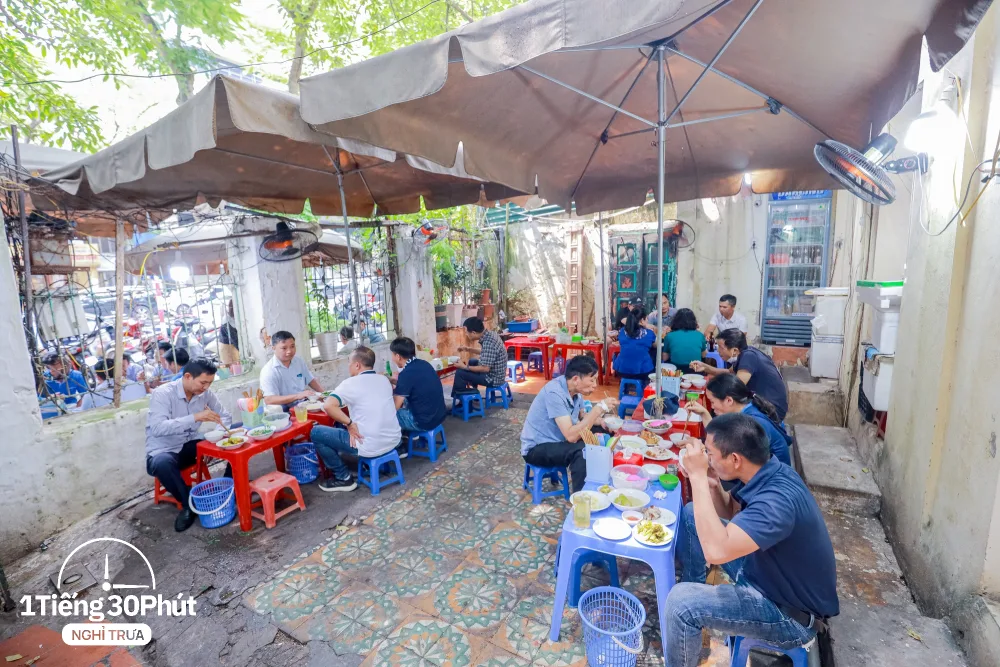
A defining feature of Vietnamese breakfast is that it’s eaten out, not at home. The streets are lined with specialist vendors, many selling a single dish they’ve perfected over decades, and locals gather on small plastic stools to eat quickly but sociably before the day begins. This street-side ritual is cheap, efficient and deeply communal. It also reflects a practical reality of Vietnamese life: with so much excellent, affordable food available on every corner, there’s little reason to cook breakfast at home when a master vendor a few steps away does it better.
The culture here differs from the takeaway habits common elsewhere. Vietnamese mornings emphasise sitting briefly, observing the street, exchanging a few words, and easing into the day, even if the whole meal takes just ten minutes. For a traveller, joining this early-morning scene is one of the most authentic experiences available: it’s not just about eating well, but about watching a city wake up. The golden rule for finding the best food is simple: look for the busiest stalls full of locals.
Why Did Fast Food Never Take Over in Vietnam?
Quick answer: Western fast food never became Vietnam’s default breakfast because it simply doesn’t fit the system. Traditional street food is faster, cheaper, fresher, hotter and more satisfying for the local palate and work rhythm. Fast food didn’t lose to tradition through competition; it never matched the practical logic of how Vietnamese mornings actually work.
It’s a fascinating question: why, despite the global spread of fast-food chains, has Western fast food never replaced Vietnam’s traditional breakfast? The answer is that it simply never fit the system. Vietnamese street food already does everything fast food promises, and does it better for the local context.
Consider the logic: a bowl of phở or a bánh mì is typically faster to obtain, cheaper, fresher, hotter and more nutritionally satisfying than a fast-food meal, while suiting the savoury local palate and the demands of a physically active day. The dense network of specialist vendors means good food is never more than a short walk away. Fast food didn’t lose a competition with tradition; it simply never offered anything the existing system didn’t already do better. This is why, in Vietnam, the morning still belongs to the street.
What Role Does Coffee Play in Vietnamese Breakfast?
Quick answer: Coffee is central to the Vietnamese morning. Strong coffee with sweetened condensed milk (ca phe sua da) delivers caffeine, sugar and fat in one glass, and for many locals it either completes breakfast alongside a savoury dish, or replaces it entirely. The morning coffee ritual, sipped slowly while watching the street, is as important as the food itself.
No discussion of Vietnamese breakfast is complete without coffee, which plays a starring role in the morning. Strong Vietnamese coffee, typically brewed through a phin filter and sweetened with condensed milk, provides a powerful combination of caffeine, sugar and fat that functions as fuel in itself. For many locals, a glass of ca phe sua da either accompanies a small savoury dish or stands in for breakfast entirely.
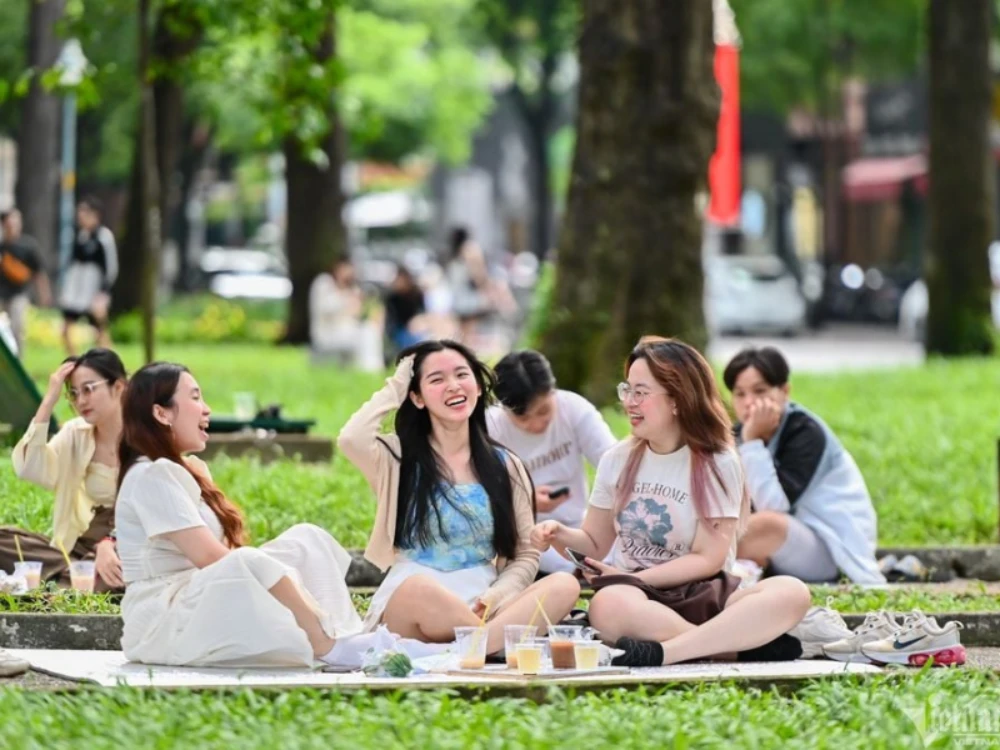
Just as importantly, the morning coffee is a ritual of pace. Unlike the takeaway-coffee habits common in the West, Vietnamese coffee culture emphasises sitting briefly, watching the street come to life, and easing into the day. Whether perched on a plastic stool at a sidewalk cafe or pausing at a noodle stall, this unhurried moment is woven into the rhythm of the Vietnamese morning. It’s a daily pause that says a great deal about Vietnamese values: even in a fast-moving, hardworking society, there is always time to sit, sip and watch the world begin its day. To learn more, see our guide to Vietnamese coffee culture.
Can Vegetarians and Travellers with Dietary Needs Enjoy Vietnamese Breakfast?
Quick answer: Yes, with a little planning. Vegetarian versions of many dishes exist, especially around Buddhist temples and on the 1st and 15th of the lunar month, when many Vietnamese eat vegetarian (chay). Xôi, bánh mì and some noodle soups can be made meat-free. Travellers with allergies should learn key phrases, as fish sauce, shrimp paste and peanuts are common.
Vietnamese breakfast is generally very accommodating, though a few tips help travellers with specific dietary needs:
- Vegetarians. Vietnam has a strong vegetarian (chay) tradition tied to Buddhism. Look for “chay” eateries, often near pagodas, and note that many Vietnamese eat vegetarian on the 1st and 15th of each lunar month, when chay versions of popular dishes are widely available. Xôi, bánh mì chay and vegetable-based dishes are reliable options.
- Allergies. Common ingredients include fish sauce, shrimp paste, peanuts and shellfish, so those with allergies should learn a few key Vietnamese phrases or carry a translation card to communicate their needs clearly at busy street stalls.
- Spice levels. Central Vietnamese dishes can be quite spicy, but you can usually ask for less chilli, or add it yourself from the condiments provided.
With a little awareness and a few phrases, almost everyone can dive into the joys of a Vietnamese breakfast. When in doubt, a local guide can help you navigate the options and find dishes that suit your needs perfectly.
How Can Travellers Experience a Real Vietnamese Breakfast?
Quick answer: Skip the hotel buffet and head to the street early, ideally between 6 and 8 a.m. Look for busy stalls full of locals, try a different dish each day, and don’t be afraid of humble-looking spots. Going with a local guide is the best way to find the right vendors and understand what you’re eating, and the rhythm behind it.
For travellers, eating breakfast like a local is one of the most rewarding things you can do in Vietnam, and it’s easy with a little guidance:
- Go early. The best breakfast scene is between roughly 6 and 8 a.m., when stalls are freshest and busiest. Many sell out and close by mid-morning.
- Follow the crowds. A stall packed with locals is the surest sign of great, fresh food. Empty stalls are a warning.
- Be adventurous. Try a different dish each morning, from phở to xôi to bánh cuốn, to experience the full range.
- Embrace the stool. Sit on the plastic stools, eat where the food is made, and soak up the atmosphere.
Reading about Vietnamese breakfast explains the logic; experiencing it explains everything else. The best way to do that is moving through the city early, stopping where locals actually eat, with someone who understands the rhythm and the stories behind each dish.
If you want to understand how Saigon really wakes up, not from a hotel buffet but from the street, a food-focused Vespa tour is where it starts. Taste the city on the Saigon Sightseeing tour »
Frequently Asked Questions
What do Vietnamese people eat for breakfast? Vietnamese breakfast is a full, hot, savoury meal, usually eaten at a street stall. Common choices include noodle soups (phở, bún, hủ tiếu), bánh mì (filled baguettes), xôi (sticky rice) and cháo (rice porridge), often with strong Vietnamese coffee. Sweet breakfasts are far less common than savoury ones.
Is phở eaten for breakfast in Vietnam? Yes, phở is traditionally a breakfast dish, because its broth is simmered overnight and peaks in flavour by early morning. Classic shops open around 5:30 to 6:00 a.m. and sell until the broth runs out. Phở is also eaten in the evening, which is authentic and not a tourist adaptation.
Why is Vietnamese breakfast savoury instead of sweet? Vietnamese breakfast evolved to fuel early starts and physical work, so it favours savoury, protein-and-carb-rich dishes that provide lasting energy. In a historically agricultural society, workers needed substantial fuel before sunrise, and savoury dishes keep hunger at bay far longer than sweet ones.
Where do Vietnamese people eat breakfast? Almost always out, at street stalls, sidewalk vendors and small specialist shops rather than at home. Locals sit on plastic stools and eat quickly but sociably. Many vendors sell just one dish perfected over years, and the busiest stalls full of locals are reliably the best.
Why didn’t fast food replace Vietnamese breakfast? Because it never fit the system. Traditional street food is faster, cheaper, fresher, hotter and more satisfying for the local palate and work rhythm than Western fast food. Fast food didn’t lose to tradition through competition; it simply never matched the practical logic of how Vietnamese mornings work.