

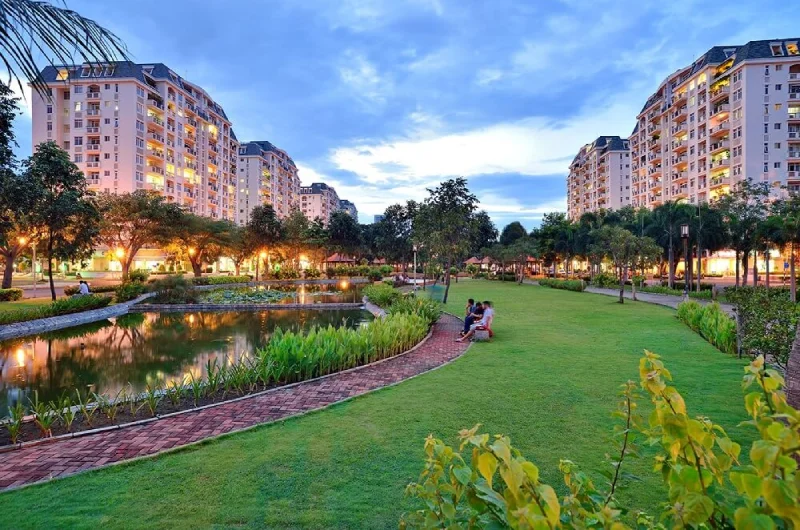
While many visitors stick to the buzzing heart of District 1, those in the know are quietly making their way south, to District 7, Ho Chi Minh City, Saigon’s cleanest, greenest and calmest neighbourhood. Nicknamed the “Singapore of Saigon” or “Little Seoul,” District 7 is a polished mix of urban planning, wide boulevards and stylish living, yet it still holds onto the vibrancy that makes Vietnam so captivating. This guide covers its history, the best things to do, what to eat, and the new ward names you’ll see in 2026.
A quick note on names (2026): Since 1 July 2025, District 7 is no longer an official unit on paper, it’s been reorganised into four new wards: Tân Mỹ (which now covers most of Phú Mỹ Hưng), Tân Hưng, Tân Thuận and Phú Thuận. Locals, signs and tours still say “District 7,” so this guide does too, noting the new wards where useful.
What Is District 7 Known For?
Quick answer: District 7 is Saigon’s modern, master-planned district, known for the Phú Mỹ Hưng urban area (“Little Seoul”), the LED-lit Starlight Bridge over Crescent Lake, wide green boulevards, top international schools, and one of the city’s best Korean and international food scenes. It’s the calmest, cleanest part of Saigon.
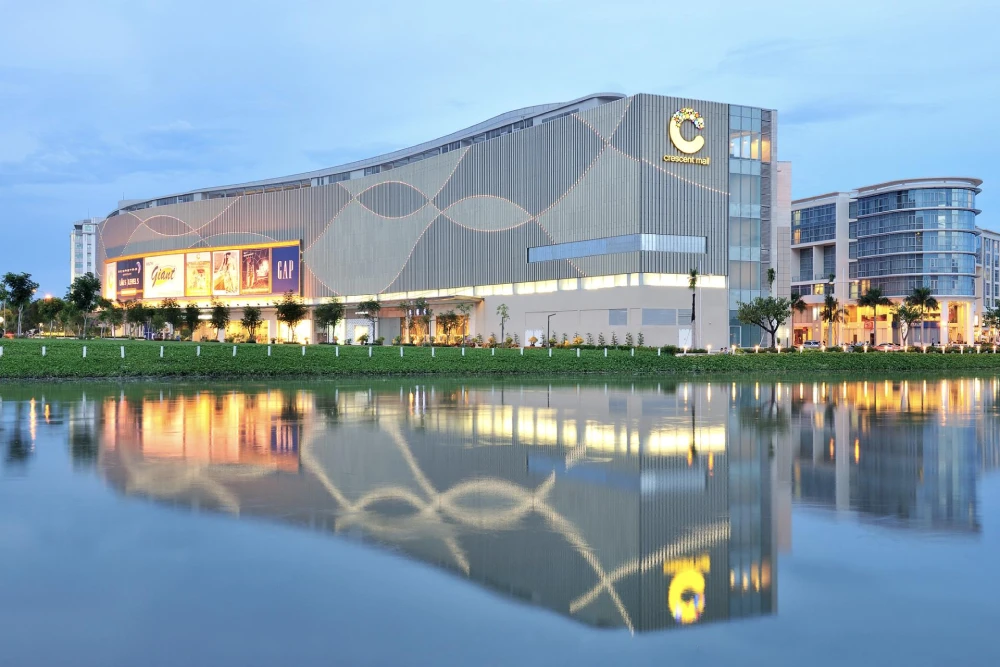
District 7 is where new meets old in the most graceful way, upscale malls sit a few blocks from mom-and-pop noodle shops, and modern architecture shares space with quiet canals. Built largely around the Vietnam-Taiwan Phú Mỹ Hưng project from the late 1990s, it’s seen as a model of modern urban development in Southeast Asia, with green space, proper drainage and organised infrastructure. The result is a district that feels noticeably different: less honking, more walking; less smog, more sky.
A Short History of District 7
District 7 may feel sleek and contemporary, but its roots run deep. Before the gleaming towers and international schools, this area was made up of fishing villages, mangrove forests and small rural communities living off the water. Established in 1997, one of the district’s oldest quarters is Tân Quy (now part of Tân Hưng Ward), where you’ll still find narrow alleyways, small shops and families who’ve lived here since long before the rise of Phú Mỹ Hưng.
The biggest shift came in the late 1990s with the Phú Mỹ Hưng urban project, a Vietnam-Taiwan collaboration now seen as a model of modern planning in Southeast Asia. Yet District 7’s history lives on if you know where to look, explore the quieter corners of Tân Kiểng along the canal and you’ll find the remnants of old Saigon life peacefully coexisting with the new. For a deeper cultural layer, the Tân Quy Đông Communal House (1852) sits on a small river peninsula, preserving golden-lacquered couplets, dragon pillars and an imperial decree from Emperor Tự Đức.
Love old neighbourhoods and their stories? Uncover Saigon’s hidden history. Explore “Saigon’s Secrets” »
What Are the Best Things to Do in District 7?
Quick answer: Walk the Starlight Bridge (Cầu Ánh Sao) over Crescent Lake at night for its LED light show, stroll the Tôn Dật Tiên walking street, relax in Crescent Lake Park and Sakura Park, shop at Crescent Mall or SC VivoCity, and find hidden canal bars like Saigon Soul.
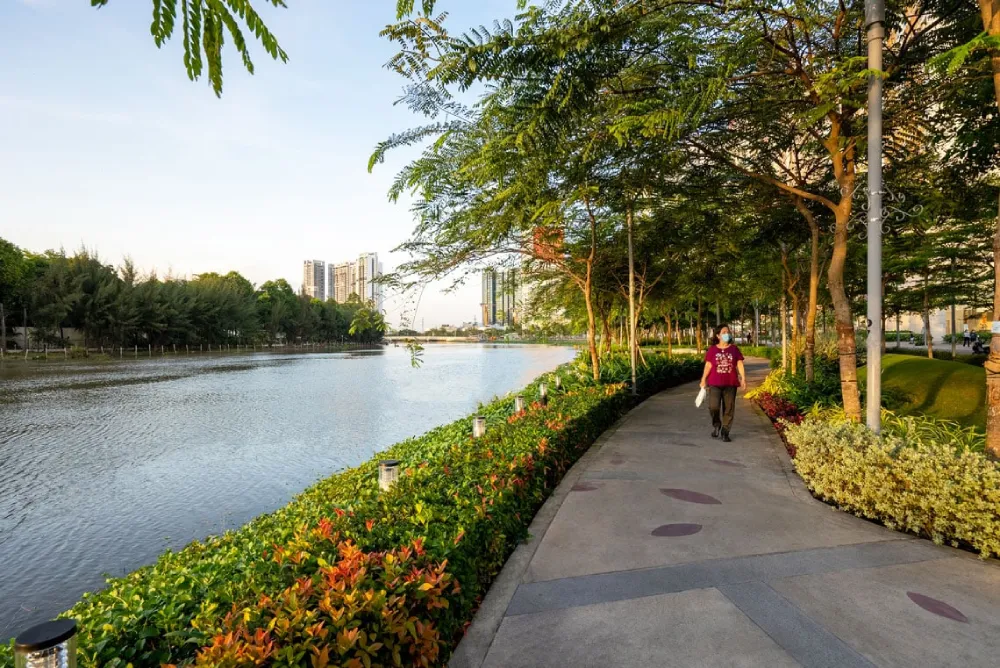
District 7 is full of surprises, beyond its modern face lie hidden gems, serene escapes and cool local experiences:
- Starlight Bridge (Cầu Ánh Sao) & Crescent Lake (Hồ Bán Nguyệt). The district’s icon, a pedestrian bridge that comes alive after sunset with an LED light show and illuminated water streams, making you feel like you’re walking on a path of stars. The lakeside Crescent Walk has swan boats and a photogenic moon-shaped curve.
- Tôn Dật Tiên Walking Street. A 1.5 km pedestrian avenue linking Crescent Mall to Starlight Bridge, the heart of evening strolls in Phú Mỹ Hưng.
- Crescent Lake Park & Sakura Park. Over seven hectares of green “lungs,” plus Vietnam’s first cherry-blossom-inspired riverside park along the Cả Cấm River.
- Crescent Mall & SC VivoCity. Two of the city’s most modern malls, cinema, international brands and a huge range of dining.
- Saigon Soul & Rạch Bàng Canal. For something underground, this quirky canal-side bar channels 1990s Saigon. Walk the nearby canal to see older neighbourhoods surviving amid the shiny condos.
What Makes District 7 Different from the Rest of Saigon?
Quick answer: Order, space, greenery and calm. With wide roads, real sidewalks and master-planned design, District 7 feels like a glimpse of “future Saigon”, less chaotic and more walkable than the centre, while morning markets and alley noodle shops keep it grounded and genuinely Vietnamese.
What sets District 7 apart is its uniquely livable character, a rarity in the hustle of Ho Chi Minh City. Phú Mỹ Hưng (now in Tân Mỹ Ward) is the heart of this urban oasis, with manicured parks, shaded playgrounds and safe streets that draw young families, professionals and a large Korean and Japanese community. But beyond the polished image lies a quieter vibrancy: morning markets still bustle, alleyways still carry the smell of simmering broth, and street vendors still know your order by heart. District 7’s charm is its contrast, modern yet grounded, luxurious yet warm.
What Should You Eat in District 7?
Quick answer: Everything, but especially Korean. District 7’s “Little Seoul” delivers authentic Korean BBQ and bakeries alongside Michelin-guide Vietnamese phở, fresh “ốc” (snail/seafood) joints, and creative vegan spots. It’s one of the most international food scenes in the city.
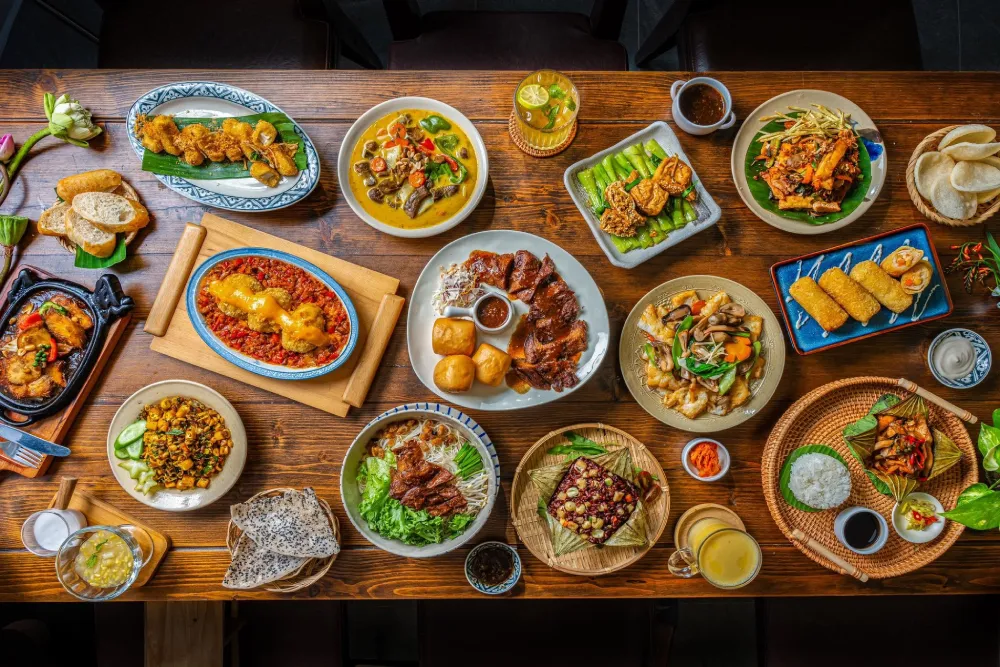
If you’re wondering what to eat in District 7, the answer is everything, from world-class Korean BBQ to humble curbside phở. The Korean community here is large and active, so don’t miss an authentic BBQ at spots like Marduk, or a sweet treat from Korean bakeries like Artisan or Paris Baguette. For Vietnamese cuisine, try the Michelin-guide-nominated Phở Vietnam, or for the adventurous, the local ốc (snail and seafood) restaurants with spicy dipping sauces. Vegetarians will love Golden Lotus Vegan Restaurant for creative plant-based dishes in a cozy setting.
Craving local seafood and BBQ with a guide? Taste the ultimate food journey. Join the Saigon Foodie Feast Food Tour »
Quick Tips for Visiting District 7
- Getting there: Grab bikes or cars are easiest, about 15-25 minutes from District 1, usually via District 4 and the Tân Thuận Bridge.
- Best times: early mornings and evenings are cooler and great for outdoor walks (Starlight Bridge is best after dark).
- Language: many residents and staff in Phú Mỹ Hưng speak basic English or Korean, but Vietnamese is always appreciated.
- Dress: lightweight clothes, walking shoes and a hat, you’ll do a lot of strolling.
- Note: street food and vending are limited in central Phú Mỹ Hưng, keeping sidewalks clean and wide, head to Tân Quy or the canals for street-stall flavour.
Final Thoughts
In a city known for its chaos and colour, District 7 is a beautiful paradox: organised yet spontaneous, modern yet soulful, polished yet real. It may not be the first district you visit in Saigon, but it’s often the one that makes people say, “I could live here.” So don’t just come for the malls or brunches, come for the parks, the people, and the surprising beauty of stillness in a city that never stops moving.
FAQ
Is District 7 worth visiting in Ho Chi Minh City? Yes, especially if you enjoy a calmer, greener side of Saigon. District 7’s Phú Mỹ Hưng area offers the LED-lit Starlight Bridge, lakeside parks, modern malls and an excellent Korean and international food scene. It’s less about historic landmarks and more about space, atmosphere and great dining.
Is District 7 still called that in 2026? In everyday use, yes. Officially, District 7 was reorganised in July 2025 into four wards, Tân Mỹ, Tân Hưng, Tân Thuận and Phú Thuận, with Phú Mỹ Hưng now mostly in Tân Mỹ Ward. Locals, signs and tour operators still widely use “District 7.”
Why is District 7 called “Little Seoul”? Phú Mỹ Hưng in District 7 is home to a large Korean (and Japanese) community, with many Korean restaurants, bakeries, cafés and businesses. The concentration of Korean culture and dining earned it the nickname “Little Seoul,” alongside “Singapore of Saigon” for its clean, planned feel.
What is the best thing to do in District 7 at night? Walk the Starlight Bridge (Cầu Ánh Sao) over Crescent Lake after sunset, when its LED light show and illuminated water streams light up. Combine it with the Tôn Dật Tiên walking street, dinner in Phú Mỹ Hưng, and a drink at a canal-side bar.
How do I get to District 7 from District 1? It’s about 15-25 minutes by Grab bike or car, usually routed through District 4 across the Tân Thuận Bridge. The district sits roughly 6-7 km south of the city centre, so a ride-hail is the most convenient option.