

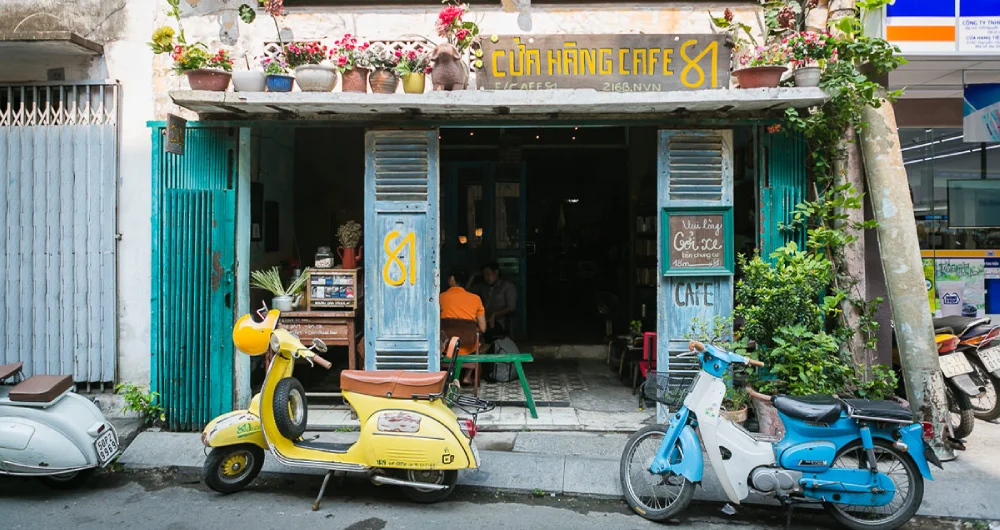
Coffee shops in Saigon are more than places to grab a caffeine fix – they are part of the city’s everyday rhythm. From tiny pavement stalls serving strong Vietnamese phin coffee to hidden apartment cafés, leafy garden hideaways and modern specialty roasters, Ho Chi Minh City offers a coffee scene for almost every mood. This local guide explores some of the best coffee shops in Saigon by atmosphere and area, helping you find the right spot whether you want to watch street life unfold, escape the city buzz or discover Vietnam’s growing specialty coffee culture.
Why Is Saigon So Famous for Coffee?
Quick answer: Vietnam is the world’s second-largest coffee exporter, and Saigon has turned that into a rich cafe culture. The city blends a strong heritage of traditional phin-filter coffee with sweetened condensed milk (ca phe sua da) and a booming modern scene of specialty roasters and creative cafes. Coffee shops double as social hubs where people gather, work and relax for hours.
Saigon’s coffee obsession runs deep. Vietnam is the world’s second-largest coffee producer, and the drink is woven into the fabric of daily life here. The local style is distinctive: strong, dark robusta coffee brewed slowly through a metal phin filter, traditionally balanced with sweetened condensed milk to create the iconic ca phe sua da (iced milk coffee).
But what makes Saigon special isn’t just the coffee, it’s the culture around it. Cafes here are social institutions, places to start the morning, meet friends, work for hours, or simply watch the city flow by from a low plastic stool. Over the decades, this culture has evolved from humble sidewalk stalls to apartment cafes and world-class specialty roasters, giving the city an extraordinary range of coffee experiences. To understand the roots of it all, see our guide to Vietnamese coffee culture.
How Did Saigon’s Coffee Scene Evolve?
Quick answer: Coffee arrived in Vietnam with the French in the 1850s, and Saigon developed its own culture over generations. From the elite colonial drink it became a local staple via the phin filter and condensed milk. Sidewalk cafes (ca phe coc) dominated the mid-20th century, modern designed cafes rose from the 2000s, and apartment cafes and specialty roasters define the scene today.
Saigon’s coffee culture has a fascinating history. Coffee was introduced to Vietnam by the French in the 19th century, initially a commercial crop and an elite drink for colonists and urban intellectuals. The Vietnamese soon made it their own, adapting the French drip method with the metal phin filter and using sweetened condensed milk to balance the strong, locally grown robusta beans, since fresh dairy was scarce.
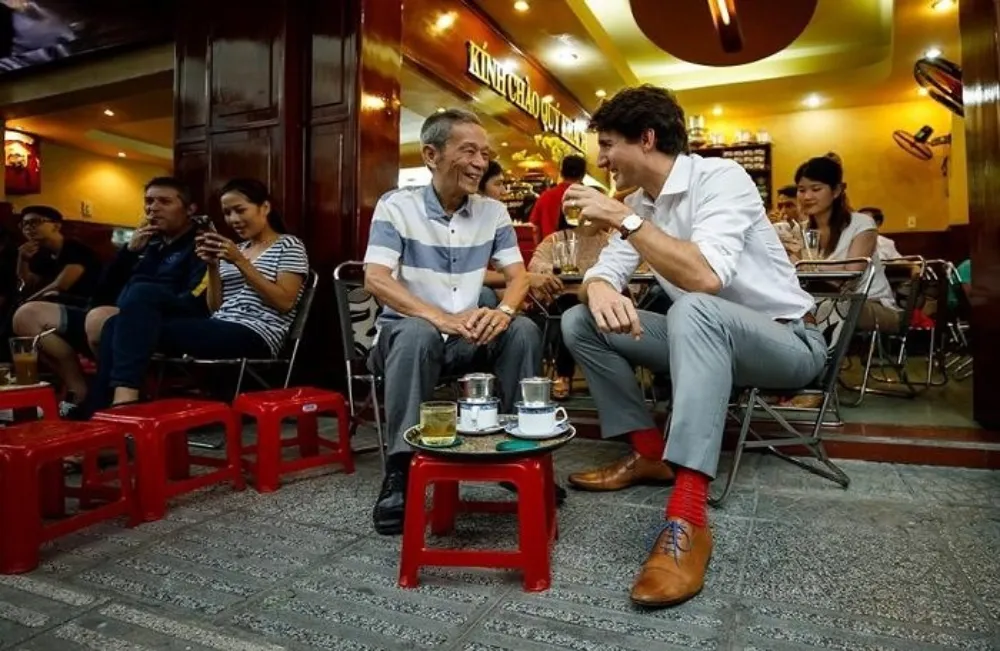
The scene then evolved in waves. The mid-20th century saw streets fill with ca phe coc, basic sidewalk setups with plastic stools and fabric-filter coffee (ca phe vot), prized for being cheap, social and unhurried. From the 2000s, design, air-conditioning, music and free wifi became priorities as cafes grew more stylish. Then, around 2015, the distinctive apartment-cafe phenomenon emerged, with young entrepreneurs transforming old residential blocks into creative cafe clusters. Alongside it, a serious specialty-coffee movement took root, focused on bean quality and craft. Today’s scene blends all these eras at once, from a 15,000-dong street stool to an artisan pour-over. This layering is exactly what makes Saigon’s coffee culture so special: nowhere else can you experience a century of coffee history, from colonial drip to cutting-edge specialty craft, within a few city blocks, a living museum of coffee you can taste your way through.
What Are the Different Types of Coffee Shops in Saigon?
Quick answer: Saigon’s cafes fall into a few broad styles: traditional heritage cafes (old-school phin coffee, vintage decor), sidewalk cafes (ca phe coc, plastic stools, cheapest and most local), apartment cafes (independent shops inside old buildings), specialty coffee shops (artisan roasters and pour-overs), and green or themed cafes (gardens, concept spaces). Each offers a completely different experience.
Part of the joy of Saigon’s coffee scene is its variety. Knowing the main types helps you choose the right spot for your mood:
- Heritage cafes. Old-school institutions, some decades old, serving traditional phin coffee amid vintage decor, tiled floors and nostalgic music. Pure old Saigon soul.
- Sidewalk cafes (ca phe coc). The most local and affordable, just plastic stools on the pavement. Perfect for people-watching and soaking up street life for a few thousand dong.
- Apartment cafes. A uniquely Saigon phenomenon: clusters of independent cafes tucked inside old residential buildings, each with its own design and view.
- Specialty coffee shops. Artisan roasters focused on bean quality, single origins and brewing methods like pour-over and cold brew, for serious coffee lovers.
- Green and themed cafes. Tranquil garden hideaways, plant-filled escapes and creative concept spaces designed as much for the atmosphere as the coffee.
Where Should You Get Coffee in District 1?
Quick answer: District 1, the city centre, has Saigon’s most iconic coffee spots, including famous apartment cafes (notably the well-known building on Nguyen Hue Walking Street), heritage cafes, and a strong cluster of specialty coffee shops. It’s the most convenient district for visitors and offers the widest mix of traditional and modern in one walkable area.
For visitors, District 1 is the natural starting point, packed with cafes and easy to explore on foot. Its highlights span every style:
- The apartment cafes. District 1 is home to Saigon’s most famous “cafe apartment” buildings, where a single old block houses floor after floor of independent cafes, each with balconies overlooking the bustle of Nguyen Hue Walking Street. Riding the spiral staircase and cafe-hopping between floors is a quintessential Saigon experience.
- Heritage spots. Tucked into the centre are decades-old cafes serving traditional phin coffee with deep local character.
- Specialty cluster. District 1 also hosts a thriving scene of serious specialty coffee shops. For a focused list, see our guide to specialty coffee shops in District 1.
Because everything is close together, District 1 lets you sample several very different coffee experiences in a single morning.
Where Should You Get Coffee in District 2 (Thao Dien)?
Quick answer: Thao Dien in District 2 is the city’s expat and lifestyle hub, known for stylish, relaxed cafes with a more international, leafy feel. Expect specialty coffee, brunch-friendly spaces, plant-filled hideaways and design-led cafes, generally quieter and more spacious than the city centre. It’s ideal for a slow, comfortable coffee session.
Across the river, the Thao Dien area of District 2 offers a completely different coffee mood. As the city’s leafy expat enclave, it’s known for stylish, spacious and laid-back cafes with a distinctly international flavour. Here you’ll find specialty coffee shops obsessing over pour-overs and single origins, brunch-friendly spaces ideal for lingering, and tranquil plant-filled hideaways tucked down quiet streets.
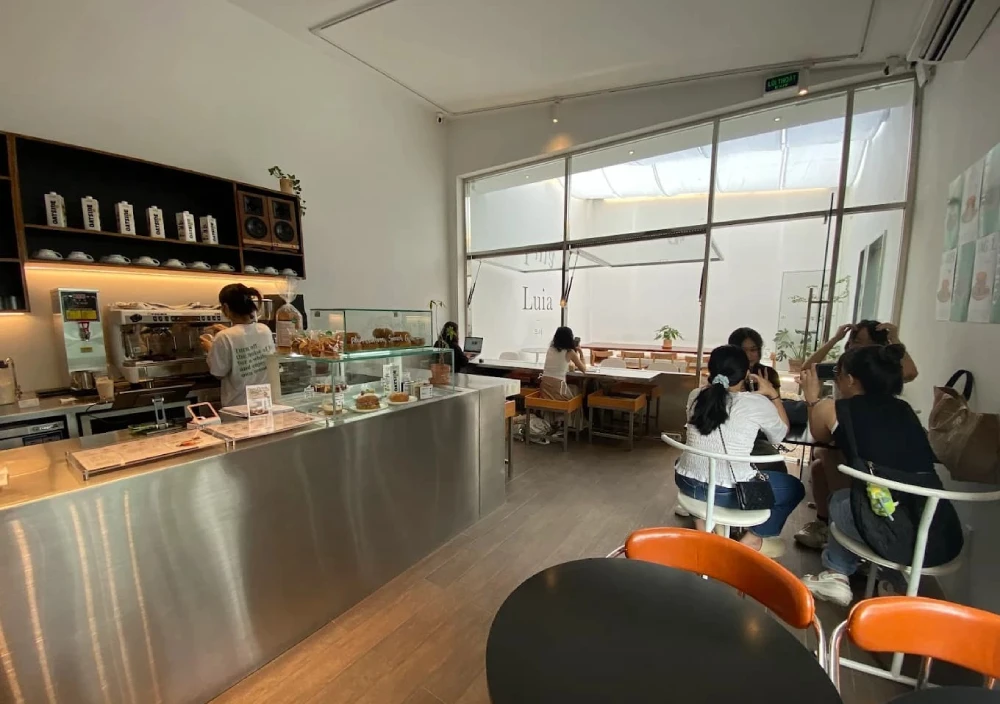
The vibe in Thao Dien is generally calmer and more comfortable than the city centre, with more room to spread out, work on a laptop, or enjoy a long, relaxed catch-up. It’s the perfect district for a slow coffee morning. For a deeper dive, see our guide to the best coffee shops in District 2’s Thao Dien.
Where Else Should You Look for Great Coffee in Saigon?
Quick answer: Beyond Districts 1 and 2, District 3 has a charming mix of leafy streets, heritage cafes and a strong specialty scene, while areas like District 7 offer modern, spacious cafes. Don’t overlook the Ton That Dam area in District 1, a cluster of independent cafes in old buildings. Wherever you are in Saigon, a good cafe is rarely far away.
While Districts 1 and 2 get the most attention, Saigon’s coffee culture spreads across the whole city, and exploring beyond the obvious areas is hugely rewarding:
- District 3. Adjacent to District 1 and full of character, with tree-lined streets, old-school heritage cafes, and an increasingly strong specialty-coffee presence. A great area for a calmer, more local feel close to the centre.
- District 7. The polished, modern, expat-friendly south of the city offers spacious, contemporary cafes, ideal if you’re staying in that area.
- Ton That Dam (District 1). Not a district but a small, atmospheric pocket of independent cafes clustered in old apartment buildings, well worth seeking out for hidden-gem hunting.
The takeaway: don’t feel confined to the tourist centre. Some of Saigon’s most memorable coffee moments happen when you wander into a neighbourhood cafe far from the guidebook trail.
What Coffee Drinks Should You Try in Saigon?
Quick answer: Must-try drinks include ca phe sua da (iced coffee with condensed milk, the classic), ca phe den da (iced black coffee), bac xiu (a milkier, sweeter version), coconut coffee (ca phe cot dua, blended with creamy coconut), and egg coffee (ca phe trung, a Hanoi specialty also found in Saigon). Each showcases a different side of Vietnamese coffee.
Half the fun of Saigon’s cafes is exploring the menu. Beyond a standard latte, these local specialties are essential:
- Ca phe sua da. The iconic iced coffee with sweetened condensed milk, strong, sweet and refreshing. The drink that defines Vietnamese coffee.
- Ca phe den da. Iced black coffee, bold and bitter, for purists. (Note: order specifically, as baristas often assume you want it iced and sweet.)
- Bac xiu. A gentler, milkier and sweeter cousin of ca phe sua da, great for those who find black coffee too strong.
- Coconut coffee (ca phe cot dua). Coffee blended with creamy, icy coconut, almost a dessert, and hugely popular.
- Egg coffee (ca phe trung). Originally from Hanoi, this rich treat tops coffee with a whipped, custardy egg-yolk cream. A few Saigon cafes do it well.
Trying a few of these is one of the most delicious ways to understand Vietnamese coffee culture.
How Much Does Coffee Cost in Saigon?
Quick answer: Prices vary hugely by setting. A sidewalk ca phe coc can cost as little as 15,000 to 25,000 VND, traditional and mid-range cafes typically charge 30,000 to 70,000 VND, and trendy or specialty cafes run higher, often 60,000 to 100,000+ VND. Even the pricier spots are affordable by Western standards, and you’re often paying for the space as much as the coffee.
Coffee in Saigon suits every budget. At the most local end, a sidewalk ca phe coc on a plastic stool can cost just 15,000 to 25,000 VND, an unbeatable, authentic experience. Traditional and mainstream cafes generally charge somewhere in the 30,000 to 70,000 VND range for a drink.
At the trendy, specialty and apartment cafes, prices climb higher, often 60,000 to 100,000 VND or more, reflecting not just the quality of the coffee but the design, air-conditioning, views and atmosphere you’re paying to enjoy. Even so, by international standards, Saigon’s cafes offer exceptional value, and the priciest cup here is still a bargain compared with coffee back home. The golden rule: at a stylish cafe, you’re buying the experience as much as the drink.
Which Cafe Should You Choose for Your Mood?
Quick answer: Match the cafe to your purpose. For an authentic local experience, choose a sidewalk or heritage cafe. For working or a long stay, pick a spacious specialty or apartment cafe with wifi and air-con. For views and atmosphere, head to a rooftop or apartment-building cafe. For a quiet escape, find a garden cafe. For serious coffee, seek out a specialty roaster.
With so much choice, the smartest approach is to pick your cafe based on what you actually want from the visit:
- For authentic local flavour: A sidewalk ca phe coc or an old heritage cafe puts you right in the rhythm of the city for next to nothing.
- For working or lingering: A spacious specialty or apartment cafe with reliable wifi and air-conditioning is ideal for a long, productive session.
- For views and atmosphere: Apartment-building cafes and rooftop spots reward you with balconies and skyline views over the bustle below.
- For a peaceful escape: A leafy garden or plant-filled cafe offers a cool, tranquil retreat from the heat and noise.
- For serious coffee: A dedicated specialty roaster lets you explore single origins and precise brewing methods.
Thinking this way means you’ll always end up somewhere that fits your mood, rather than feeling overwhelmed by the sheer number of options.
Are Chains or Independent Cafes Better in Saigon?
Quick answer: Both have their place. Local chains offer consistency, air-conditioning, reliable wifi and convenient locations, making them dependable for working or meeting. Independent cafes, from sidewalk stalls to specialty roasters, offer more character, authenticity and unique experiences. For travellers wanting the real Saigon coffee culture, the independent and street-side spots are usually the most rewarding.
A question many visitors have is whether to stick with familiar coffee chains or seek out independent cafes. Vietnam has several home-grown coffee chains that are genuinely popular with locals, offering consistent quality, comfortable air-conditioned spaces, dependable wifi and convenient branches across the city. They’re a reliable, comfortable choice, especially for working or a guaranteed good cup.
That said, the true soul of Saigon’s coffee culture lives in its independent spots. From the humblest sidewalk ca phe coc to passionate specialty roasters and creative apartment cafes, these independents offer the character, stories and authenticity that make exploring the scene so rewarding. For a traveller wanting to understand what coffee really means here, the advice is simple: enjoy a chain when you need reliability, but make time to seek out the independents, where the real magic of the city truly happens.
How Do You Find the Best Cafes in Saigon?
Quick answer: Match the cafe to your goal: heritage and sidewalk spots for authentic local flavour, apartment cafes for views and variety, specialty shops for serious coffee, and Thao Dien for relaxed comfort. Explore the alleyways (hem), where many gems hide, use Grab to get around, and don’t be afraid of humble-looking places. Following a local guide is the surest way to find the real hidden spots.
With thousands of cafes to choose from, a little strategy helps. Start by deciding what you want from the session, a quick authentic local hit, a long laptop-friendly stay, a serious coffee experience, or an Instagrammable space, and head to the district and cafe type that fits. Some practical tips:
- Explore the alleys. Many of Saigon’s best cafes hide down narrow lanes (hẻm) or inside old apartment buildings, so follow your map into unexpected corners.
- Use Grab to get around. GrabBike is cheap and quick for hopping between districts like 1, 2 and 3.
- Don’t judge by appearances. Some of the most characterful coffee comes from the humblest-looking spots.
- Go with a local. The surest way to discover the genuinely hidden gems, and the stories behind them, is to explore with someone who knows the city.
What Should You Know Before Ordering Coffee in Saigon?
Quick answer: A few tips help. Vietnamese coffee is strong, so order based on your tolerance. Specify if you want it hot (“nong”) rather than iced, as iced is the default. Coffee is usually sweet unless you ask otherwise. Sit down and savour it rather than rushing, and don’t be surprised if a simple cafe serves better coffee than a fancy one.
Knowing a few local conventions makes ordering coffee in Saigon much smoother and more enjoyable:
- Expect strength. Vietnamese coffee uses bold robusta and is far stronger than most Western coffee, so pace yourself, especially with a ca phe sua da.
- Hot or iced. Iced coffee (da) is the default in the tropical heat. If you want it hot, specify “nong” when ordering.
- Sweetness. Many drinks come pre-sweetened with condensed milk or sugar. Ask for less sweet if you prefer, or order black coffee (ca phe den) for no milk.
- Slow down. Coffee here is meant to be savoured slowly while sitting, not grabbed to go. Embrace the unhurried pace.
- Trust the humble spots. Some of the best, most authentic coffee comes from the simplest sidewalk stalls, so don’t judge by appearances.
With these basics in mind, you’ll be ordering like a local in no time, and getting exactly the cup you want.
Sip Your Way Through Saigon
Saigon’s coffee scene is a world unto itself, a delicious, ever-evolving blend of deep heritage and bold creativity that rewards exploration. Whether you’re perched on a plastic stool with a strong ca phe sua da, hidden in a leafy garden cafe, or cafe-hopping through an old apartment building, you’re not just drinking coffee, you’re tasting the rhythm of the city. So slow down, find your vibe, and let Saigon’s cafes show you a side of the city that most visitors never slow down enough to see. In a city that moves at the speed of a million motorbikes, its coffee culture is a reminder to pause, and that pause is where you’ll discover the real Saigon.
The best way to discover Saigon’s hidden coffee culture, and the stories behind it, is to explore the city with a local guide. Uncover the city’s secrets on the Saigon’s Untold Stories tour »
Frequently Asked Questions
Where are the best coffee shops in Saigon? The city centre (District 1) has the most iconic spots, including famous apartment cafes and a strong specialty scene, while Thao Dien in District 2 offers stylish, relaxed cafes with an international feel. The best choice depends on the vibe you want, from heritage phin cafes to sleek modern roasters.
What is the most famous coffee in Vietnam? Ca phe sua da, iced coffee with sweetened condensed milk, is the iconic Vietnamese coffee. Brewed strong through a metal phin filter and balanced with sweet condensed milk, it’s refreshing, bold and found everywhere in Saigon. Other favourites include coconut coffee and the Hanoi specialty egg coffee.
How much does coffee cost in Saigon? Prices range widely. A sidewalk ca phe coc can cost as little as 15,000 to 25,000 VND, traditional and mid-range cafes charge around 30,000 to 70,000 VND, and trendy or specialty cafes run higher, often 60,000 to 100,000+ VND. Even the pricier spots are very affordable by Western standards.
What are apartment cafes in Saigon? Apartment cafes are a uniquely Saigon phenomenon: clusters of independent cafes housed inside old residential buildings, each floor offering a different cafe with its own design and often balcony views. The most famous is on Nguyen Hue Walking Street in District 1, where you can cafe-hop from floor to floor.
What should I order at a Vietnamese coffee shop? Try ca phe sua da (iced coffee with condensed milk) for the classic experience, bac xiu for something milder and sweeter, or ca phe den da for bold black coffee. For something special, order coconut coffee or, if available, egg coffee. Note that baristas often assume you want iced coffee unless you specify hot, and most drinks come sweetened unless you ask otherwise.