

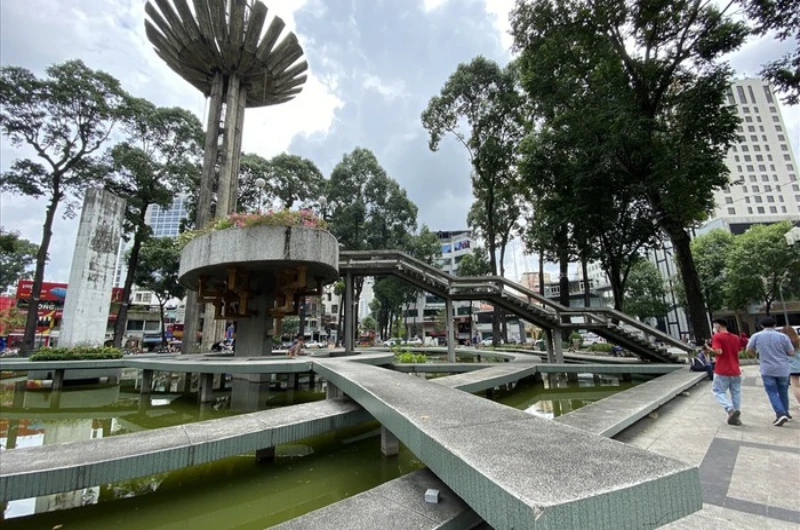
When visitors come to Saigon, they often see the chaotic charm of District 1, but just beyond the tourist bustle lies District 3, Ho Chi Minh City, a neighbourhood steeped in history, culture and local flavour. It’s where Saigon’s old soul still lingers: French villas rub shoulders with street-food stalls, and hidden alleys hold secrets the guidebooks rarely mention. This local’s guide walks you through what to see, eat and feel in District 3, and explains the new ward names you’ll start seeing in 2026.
A quick note on names (2026): Since 1 July 2025, Vietnam reorganised its administrative map and the old “District 3” is no longer an official unit on paper, it’s now split into new wards such as Bàn Cờ, Xuân Hòa and Nhiêu Lộc. In everyday life, on signs, and in tour listings, locals still say “District 3,” so this guide uses the familiar name while pointing out the new ward each landmark now sits in.
What Is District 3 Known For?
Quick answer: District 3 is the leafy, lived-in heart of central Saigon, known for French colonial villas, the pink Tân Định Church, tree-lined boulevards, hidden food alleys and a calmer, more local feel than neighbouring District 1. Time Out once named it one of the world’s coolest neighbourhoods.
District 3 doesn’t try to impress with high-rises or neon like downtown. It draws you in with shaded streets, aromatic eateries and a sense that real life is happening all around you. In 2019, Time Out Magazine listed it among the “Top 18 Coolest Neighbourhoods in the World”, a fitting nod to a district that balances heritage and everyday energy. Sitting right next to District 1, it’s the easy next step for travellers who want to go a little deeper.
The History of District 3
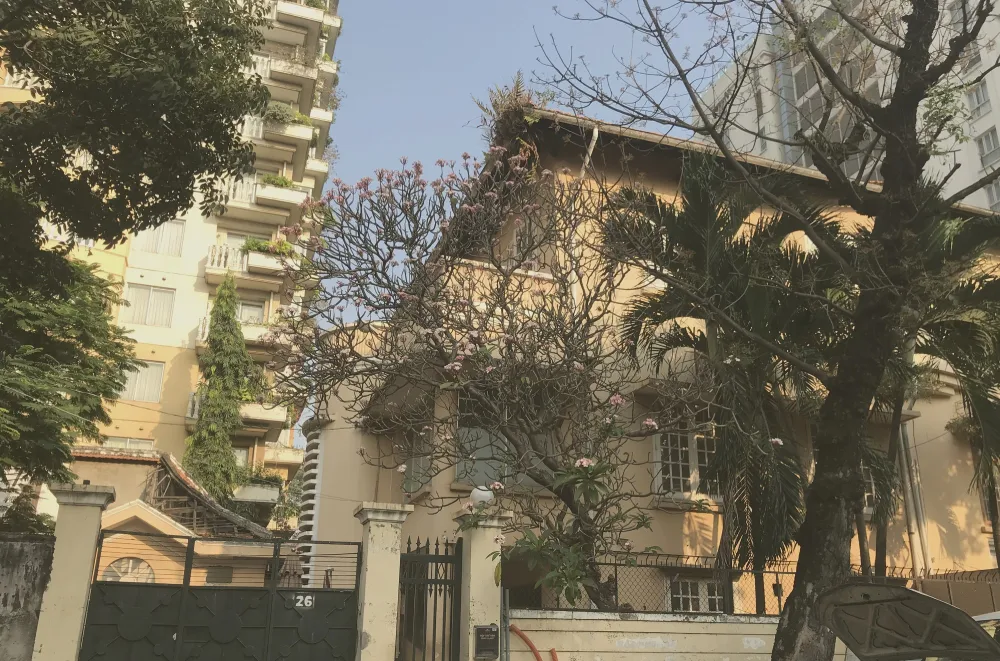
District 3 carries Saigon’s colonial past in its walls. Along Võ Văn Tần or Nguyễn Đình Chiểu streets, you’ll notice French villas slowly surrendering to time, once part of the city’s social fabric during the French Indochina era. Formed in 1920 and adjacent to District 1, it became known as the city’s residential district, hence the old saying that you “sleep in D3.”
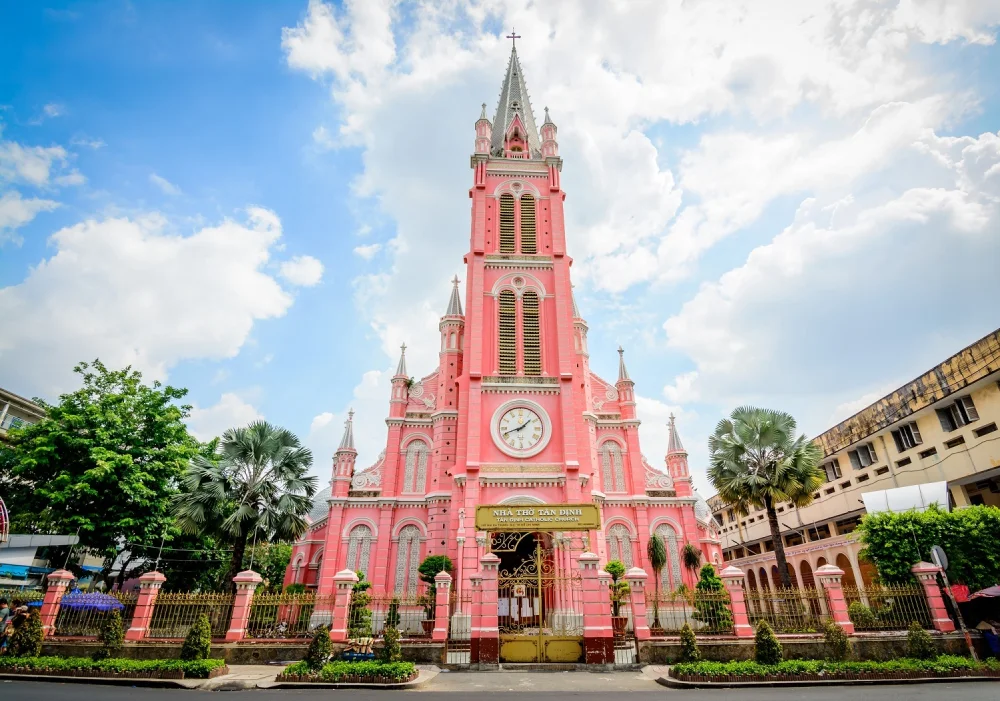
One of the district’s most striking landmarks is the Tân Định Church (now in Xuân Hòa Ward), built in the 1870s. With its pastel-pink façade and Romanesque bell tower, it’s more than Instagram-worthy, it’s a living monument to the blend of Western and Vietnamese Catholic traditions, and the second-largest church in the city after Notre-Dame.
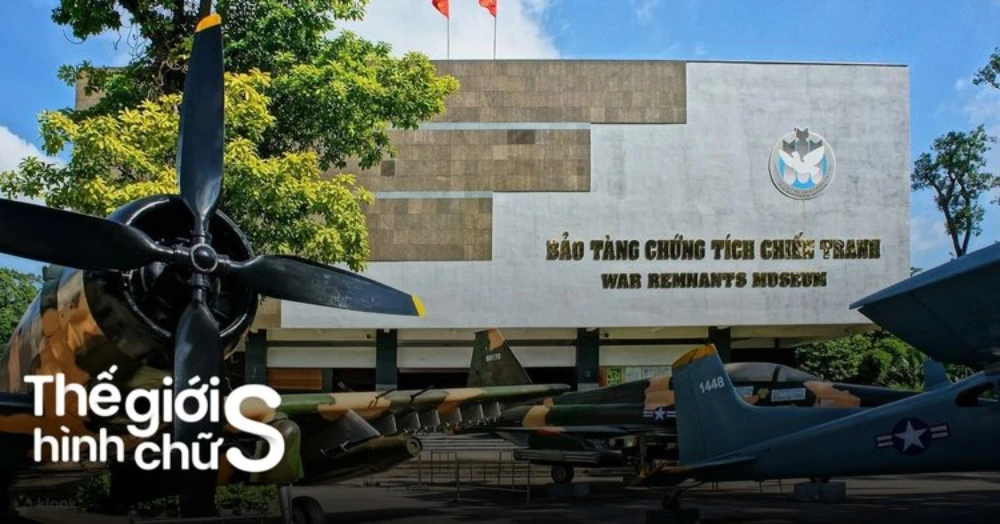
The War Remnants Museum (also Xuân Hòa Ward), housed in a former U.S. information office, offers a sobering but essential look at Vietnam’s turbulent past. But history here isn’t locked behind museum glass, it lives in morning greetings in old alleyways, in the scent of incense from family altars, and in elders sharing memories over iced coffee.
Want to visit the Pink Church and hear its stories first-hand? See Saigon’s best icons by Vespa »
What Are the Must-See Landmarks in District 3?
Quick answer: Start with the pink Tân Định Church, Turtle Lake (Hồ Con Rùa), Xá Lợi and Vĩnh Nghiêm Pagodas, and the War Remnants Museum. For something off the trail, seek out the hidden Saigon Special Forces weapon bunker and the canal-side cafés along Nhiêu Lộc.
Beyond the Pink Church and museum, a few more anchors worth your time:
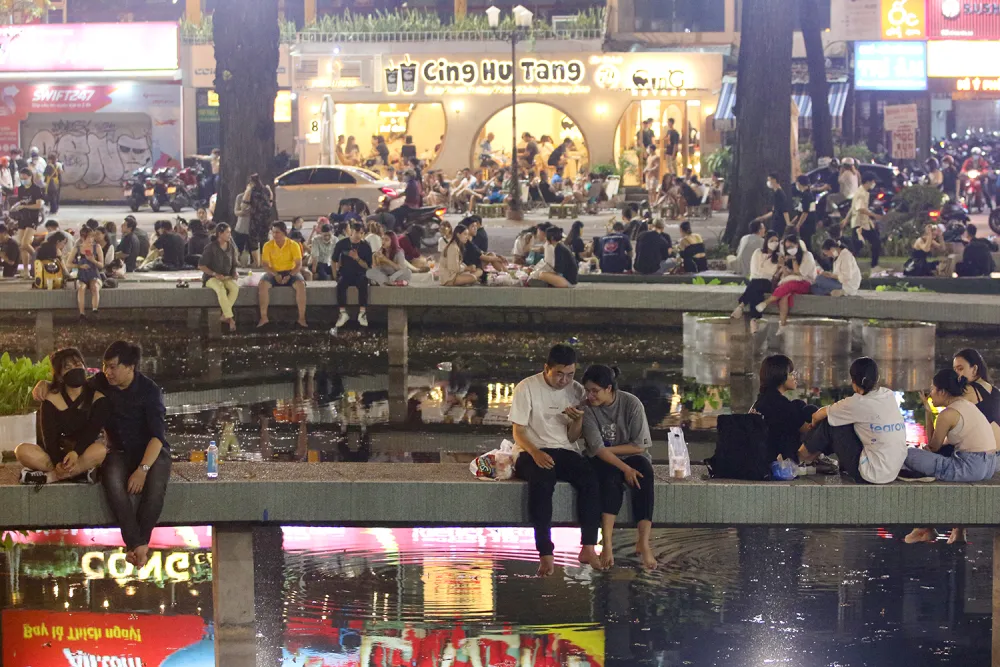
- Turtle Lake (Hồ Con Rùa). Not really a lake, but a beloved roundabout-turned-hangout. By night, young Saigonese park their motorbikes here to chat over cheap street food, people-watching at its best.
- Vĩnh Nghiêm Pagoda (now Nhiêu Lộc Ward). The largest Mahayana Buddhist temple in the city, fusing Japanese and Vietnamese architecture, with a hundred-year-old banyan tree and one of the city’s best-value vegetarian kitchens.
- Xá Lợi Pagoda. Built in 1956, the city’s first multi-storey Buddhist temple, with a seven-tier bell tower and a heavy place in 1960s history.
- The Saigon Special Forces Weapon Bunker. A genuinely hidden gem, a secret wartime weapons cache beneath an ordinary house, used as a command post during the 1968 Tết Offensive. Far quieter than Củ Chi, and full of untold stories.
What Are the Hidden Gems in District 3?
Quick answer: Skip the postcard spots and wander the hẻm (alleys). Try Alley 287 on Nguyễn Đình Chiểu, the Nguyễn Thiện Thuật apartment complex, the chessboard-grid streets of Bàn Cờ, and the canal-side cafés along the Nhiêu Lộc-Thị Nghè canal.
District 3 is full of hidden gems. Beyond the big attractions lies a labyrinth of narrow alleys, or hẻm, that weave like secret veins through the district. Grandpas water plants on balconies; kids play football. This is Saigon at its most authentic, especially around Alley 287 on Nguyễn Đình Chiểu and the Nguyễn Thiện Thuật apartment complex, beloved by local foodies, where small streets transform into a lively food haven after sunset.
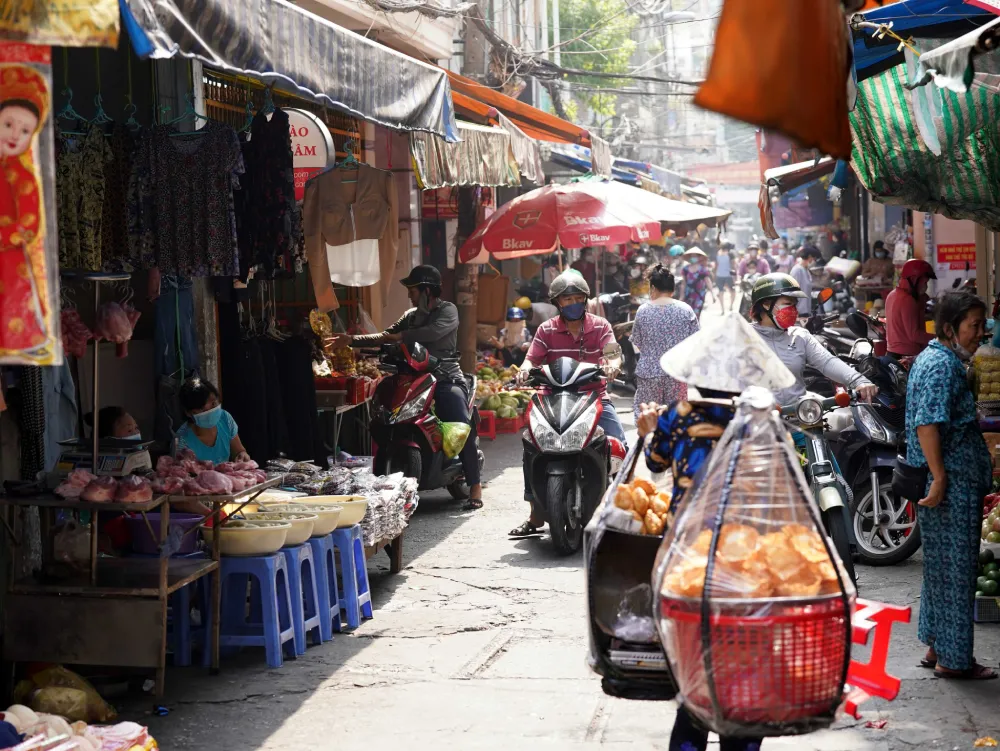
The new ward name Bàn Cờ (meaning “chessboard”) is itself a clue, its streets and alleys cross at perfect right angles like a giant chessboard, a layout that once turned the area into a secret revolutionary base during the resistance years. For something gentler, the Nhiêu Lộc-Thị Nghè canal has transformed from a no-go zone into a green ribbon lined with hundreds of local cafés and restaurants, perfect for a sunset drip coffee.
Discover old apartments and hidden history with a local guide. Unlock “Saigon’s Untold Stories” »
What’s the Vibe of District 3?
Quick answer: Calmer and more local than District 1, but just as central. Expect leafy boulevards, generations-old family homes, pocket parks, and a “lived-in and loved” feel, the kind of place where neighbours greet each other every morning.
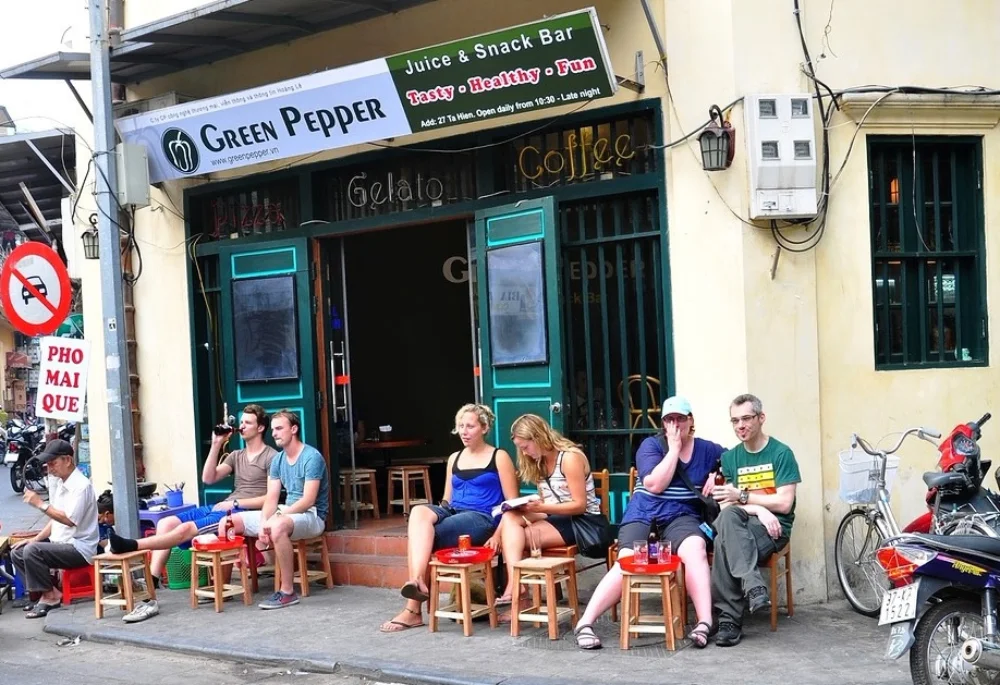
So what makes District 3 special? It’s a place of contrast, old and new, east and west, calm and chaos. Giant tropical trees line the sidewalks, their roots cracking the pavement like ancient fingers, while street vendors call out for “hột vịt lộn” (duck embryo) from their motorbikes. Unlike the commercial glitz downtown, District 3 feels lived-in and loved: families have stayed in the same homes for generations, tiny hardware stores sit beside trendy concept shops, and the district is refreshingly walkable, shaded and dotted with quiet pocket parks.
What Should You Eat in District 3?
Quick answer: Start the day with bún bò Huế or cơm tấm instead of phở, grab a crispy bánh xèo for lunch, and never skip the corner bánh mì cart or a cà phê sữa đá. District 3 prices run friendlier than District 1.
No visit to District 3 is complete without its food. Begin the morning with a bowl of bún bò Huế instead of the usual phở, or the city’s signature cơm tấm (broken rice with grilled pork chop, fried egg and toppings). For lunch, head to Bánh Xèo 46A, famous for its crispy savoury pancakes filled with pork, shrimp and bean sprouts. And don’t skip the sidewalk bánh mì carts on nearly every corner, or a glass of cà phê sữa đá, Vietnam’s potent iced coffee, from one of the district’s countless coffee shops.
Quick Tips for Visiting District 3
- Best time to explore: early morning or late afternoon for cooler weather and golden light.
- Getting there: it’s right beside District 1, about 10 minutes by motorbike, or 15-20 minutes from Tân Sơn Nhất Airport.
- Getting around: Grab is easy, but walking is the best way to find hidden gems.
- Etiquette: at temples, dress modestly and speak softly. A smile and a polite “Xin chào!” go a long way.
- Stay cool: try sugarcane juice (nước mía) from a street cart.
Why You’ll Fall in Love with District 3
District 3 isn’t about spectacle, it’s about substance. The more you explore, the more it opens up: a tucked-away noodle shop with four stools and a grandma stirring broth, a conversation with a local artist, tea in a family courtyard. These in-between moments are what make District 3 unforgettable. So take your time, wander without a map, and let your senses guide you. This is where Saigon’s spirit truly lives.
Experience District 3’s local charm on a Vespa. Book your local adventure »
FAQ
Is District 3 worth visiting in Ho Chi Minh City? Yes. District 3 is the leafy, local heart of central Saigon, home to the pink Tân Định Church, historic pagodas, hidden food alleys and the War Remnants Museum. It offers a calmer, more authentic experience than District 1 while sitting right next door, making it easy to combine the two.
Is District 3 the same as the new wards Bàn Cờ and Xuân Hòa? Roughly, yes. Since July 2025, the old District 3 was reorganised into new wards including Bàn Cờ, Xuân Hòa and Nhiêu Lộc. Locals and tour operators still widely use “District 3,” but official documents may show the new ward names. It’s the same area, just under a new system.
What is the difference between District 1 and District 3? District 1 is Saigon’s bustling commercial core, major sights, nightlife and shopping. District 3 is quieter and more residential, with colonial villas, leafy streets and local food. Many travellers stay in District 1 for convenience and explore District 3 for atmosphere.
What food is District 3 famous for? District 3 is loved for bún bò Huế, cơm tấm, bánh xèo, sidewalk bánh mì and strong Vietnamese iced coffee. Its food streets and 24-hour coffee culture come alive at night, and prices tend to be friendlier than in District 1.
How do I get from District 1 to District 3? It’s about a 10-minute motorbike ride. A common route runs Nguyễn Huệ → Lê Thánh Tôn → Trương Định. Grab bikes and taxis are readily available, and the two districts share a border, so the trip is quick and cheap.