
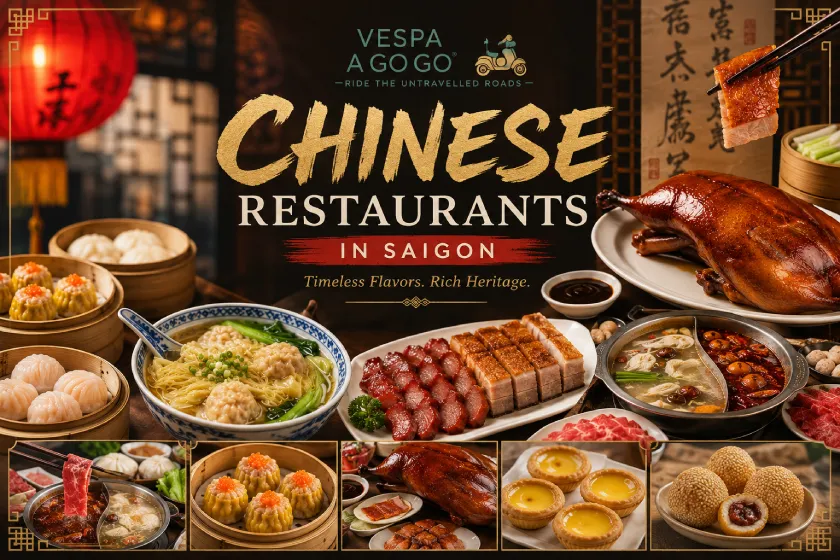
When seeking the finest Chinese Restaurants in Southeast Asia, Saigon emerges as a culinary powerhouse deeply rooted in centuries of Sino-Vietnamese heritage. Centered around the historic Cholon district, the city serves up everything from delicate dim sum and lacquered Peking duck to bubbling hotpots. Whether you are planning a grand family banquet, a refined business dinner, or a soulful meal in a generations-old shophouse, this guide reveals the styles, must-try dishes, and cultural roots that make dining at these venues truly special.
Why Is Chinese Food So Popular in Saigon?
Quick answer: Because of Cholon, Saigon’s historic Chinatown in District 5, one of the largest in the world. Generations of Chinese-Vietnamese (Hoa) people settled here, bringing Cantonese, Teochew and other regional cuisines that became part of the city’s food culture. Today their influence runs from humble noodle carts to five-star dim sum restaurants.
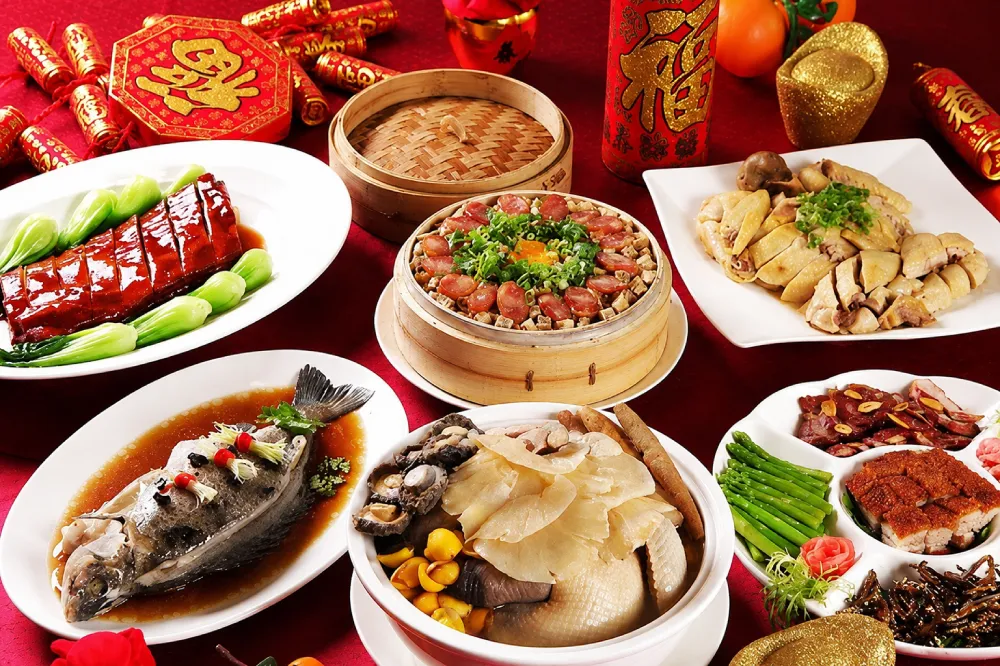
Saigon’s love of Chinese food is no accident, it’s the result of deep historical roots. The heart of it all is Cholon (Chợ Lớn) in District 5, one of the world’s largest Chinatowns and home to the Hoa (Chinese-Vietnamese) community for centuries. Waves of migration from southern China, particularly Cantonese, Teochew, Hokkien and Hakka communities, brought regional cooking traditions that took root and flourished. Over time, dishes like dim sum, roast meats, wonton noodles and hotpot became not just “Chinese food” but an integral thread of Saigon’s everyday cuisine. To understand the culture behind the cuisine, explore our guide to Chinatown (Cholon).
Who Brought Chinese Food to Saigon?
Quick answer: Chinese food arrived with the Hoa (Chinese-Vietnamese) community, waves of migrants from southern China, especially Cantonese, Teochew, Hokkien and Hakka people, who settled in the Cholon area from the 17th century onward. They built it into a major commercial and culinary hub, and their descendants continue the traditions today.
The story of Chinese food in Saigon is the story of the Hoa people. Migrants from southern China began settling in the region from the 17th century, with successive waves arriving over the following centuries. They came primarily from Guangdong, Fujian and surrounding areas, bringing distinct regional identities, Cantonese, Teochew (Chaozhou), Hokkien, Hakka and Hainanese, each with its own dialect and cooking style.
Settling around Cholon, these communities turned it into one of Asia’s great commercial centres, and food was at the heart of community life. Each group contributed its specialities: the Cantonese their dim sum and roast meats, the Teochew their rice porridge and braised dishes, the Hainanese their famous chicken rice. Over generations, these traditions blended with local Vietnamese ingredients and tastes, creating the rich, distinctive Chinese-Vietnamese cuisine that defines Saigon’s tables today. Eating in Cholon, you’re tasting the legacy of this centuries-long cultural exchange.
What Types of Chinese Restaurants Are There in Saigon?
Quick answer: Saigon’s Chinese dining ranges across several tiers: five-star hotel restaurants serving haute Cantonese cuisine, large modern culinary complexes with dim sum and hotpot, trendy young eateries reviving retro Hong Kong vibes, and timeless family-run heritage shops in Cholon. There’s a Chinese dining experience for every occasion and budget.
The beauty of Saigon’s Chinese food scene is its range, from the rustic to the refined:
- Five-star fine dining. Luxury hotel restaurants offer haute Cantonese cuisine in elegant settings, with strict preparation standards and dishes like legendary Peking duck and braised abalone. Ideal for special occasions and business dinners.
- Modern culinary complexes. Large, multi-floor venues, many in District 5, blend traditional cooking with chic, youthful design, offering everything from Macau hotpot buffets to extensive à la carte dim sum.
- Trendy retro eateries. A new wave of restaurants recreates a nostalgic 1990s Hong Kong vibe with neon signs and vintage tiles, tuning flavours to modern palates.
- Heritage family shops. The soul of it all: timeless, family-run eateries in Cholon passed down through generations, serving recipes unchanged for decades.
What Regional Chinese Cuisines Can You Find in Saigon?
Quick answer: Saigon’s Chinese food reflects several southern Chinese regional traditions. Cantonese cuisine (dim sum, roast meats, refined seafood) is the most prominent. Teochew brings rice porridge and braised dishes, Hokkien contributes noodle and seafood specialities, Hainanese is known for chicken rice, and Hakka for hearty, rustic cooking. Each adds its own flavour to the city.
Part of what makes Saigon’s Chinese food so rich is the variety of regional traditions behind it, each brought by a different Hoa community:
- Cantonese (Quảng Đông). The most widespread and prestigious, known for dim sum, glistening roast meats, delicate seafood and the art of balance and freshness. Most fine-dining Chinese restaurants are Cantonese.
- Teochew (Triều Châu). Famous for clear, comforting rice porridge (cháo), braised goose and duck, fish balls, and a lighter, ingredient-forward style.
- Hokkien (Phúc Kiến). Associated with rich noodle dishes, seafood and the use of distinctive sauces.
- Hainanese (Hải Nam). Best known for Hainanese chicken rice, a deceptively simple dish of poached chicken and fragrant rice.
- Hakka (Khách Gia). Hearty, rustic home-style cooking, including stuffed tofu and preserved-vegetable dishes.
Recognising these styles helps you order with intent and appreciate the depth behind what might look, at first glance, like a single “Chinese” menu.
What Chinese Dishes Should You Try in Saigon?
Quick answer: Don’t miss dim sum (steamed dumplings, buns and small plates), Peking duck (crispy-skinned and carved tableside), Cantonese roast meats (char siu pork, roast duck), wonton noodle soup (mì hoành thánh), and hotpot. For dessert, try chè (sweet soups) and egg tarts. Cholon is the best place to sample the authentic versions.
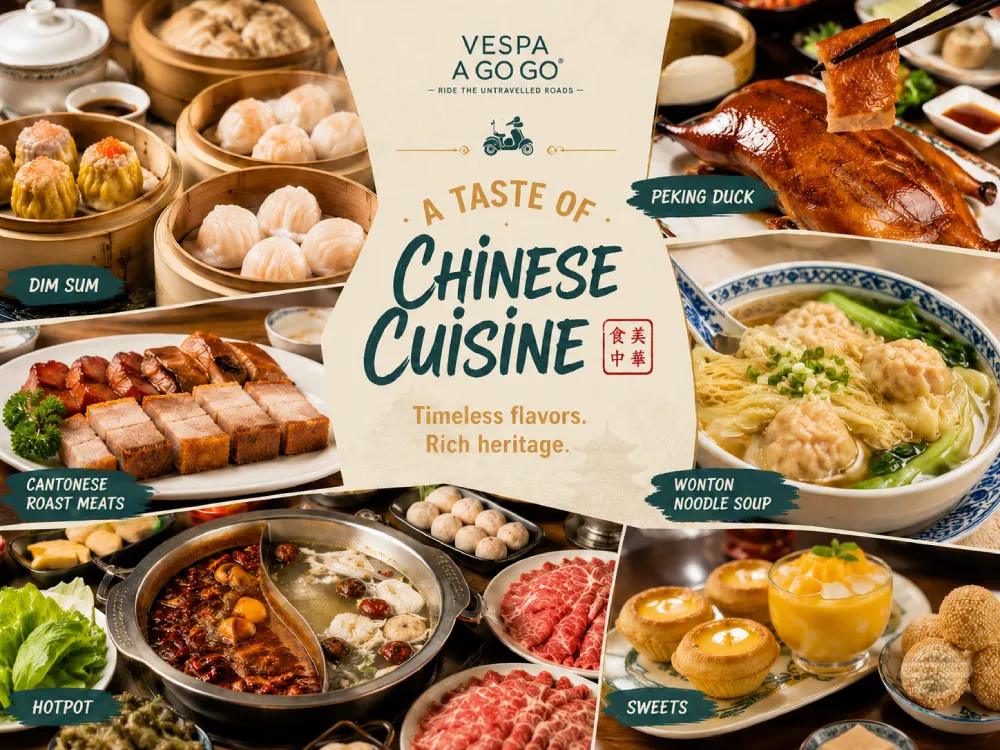
Saigon’s Chinese menu is vast, but some dishes are essential:
- Dim sum (điểm tâm). The classic Cantonese experience of shared small plates: har gow (shrimp dumplings), siu mai, BBQ pork buns, and more. Best enjoyed as a leisurely brunch.
- Peking duck. A showpiece dish of paper-thin, crispy skin and succulent meat, often carved at the table and wrapped in thin pancakes.
- Cantonese roast meats. Char siu (barbecue pork), crispy roast pork (siu yuk) and roast duck, glistening in shop windows across Cholon.
- Wonton noodle soup (mì hoành thánh). Springy egg noodles in clear broth with plump shrimp-and-pork wontons, a Cholon staple.
- Hotpot (lẩu). A communal favourite, especially Macau and Cantonese styles, perfect for groups.
- Sweets. Egg tarts, chè (sweet dessert soups) and other treats round out the experience.
What Is Dim Sum and How Do You Order It?
Quick answer: Dim sum is a Cantonese tradition of small, shareable plates, steamed dumplings, buns, rolls and more, traditionally eaten as a leisurely brunch with tea (a custom called “yum cha”). You order several dishes to share across the table. Popular items include har gow (shrimp dumplings), siu mai, char siu bao (BBQ pork buns) and cheung fun (rice rolls).
For many visitors, a dim sum meal is the highlight of Saigon’s Chinese food scene, so it’s worth knowing how it works. The word “dim sum” refers to a whole category of bite-sized dishes, served in small steamer baskets or on little plates, and meant to be shared. Traditionally it’s a daytime affair paired with tea, a ritual known as “yum cha” (drinking tea). Rather than one main course each, the table orders a spread of dishes and shares everything.
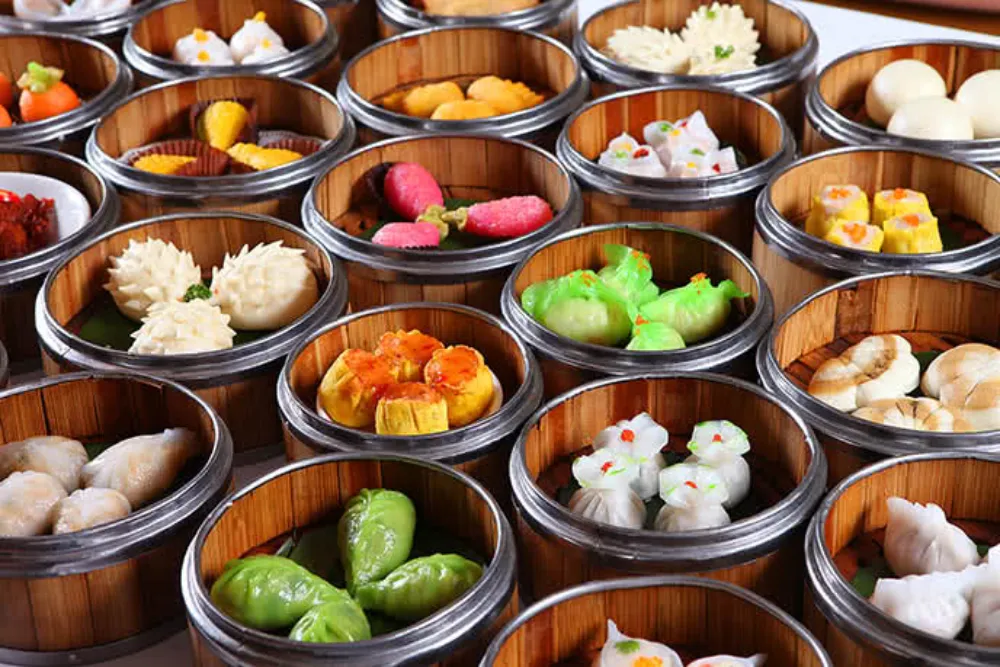
Essential items to seek out include har gow (translucent shrimp dumplings), siu mai (open-topped pork-and-shrimp dumplings), char siu bao (fluffy BBQ pork buns), cheung fun (silky steamed rice rolls), and lo mai gai (sticky rice in lotus leaf). Don’t overlook the sweets, like custard buns and egg tarts. The beauty of dim sum is its variety, so order broadly, eat slowly, and keep the tea flowing. It’s as much a social occasion as a meal.
Where Are the Best Areas for Chinese Food in Saigon?
Quick answer: District 5 (Cholon) is the historic heart, with the most authentic, traditional and heritage Chinese eateries. District 1 offers upscale and hotel-based fine dining, convenient for visitors. Large shopping malls across the city host modern Chinese restaurant chains. For authenticity, head to Cholon; for convenience and luxury, District 1.
Knowing where to look helps you match the experience to your mood:
- District 5 (Cholon). The authentic heartland. This is where to find heritage family restaurants, bustling roast-meat shops, traditional dim sum houses and the deepest roots of the cuisine. For an immersive experience, explore it alongside the area’s markets, temples and history.
- District 1. The home of upscale and convenient options, including five-star hotel restaurants serving refined Cantonese cuisine, ideal for visitors based downtown.
- Shopping malls citywide. Modern Chinese restaurant chains in major malls (in Districts 1, 3, 7 and beyond) offer comfortable, accessible dining with reliable quality.
When Is the Best Time to Eat Chinese Food in Saigon?
Quick answer: Dim sum is traditionally a brunch affair, best enjoyed mid-morning to early afternoon, especially at weekends when families gather. Roast meats are great any time of day, while hotpot suits cooler evenings and groups. For special occasions, book ahead, as the best venues fill quickly on weekends and around holidays.
Timing can elevate the experience. Dim sum is traditionally a daytime meal, and a weekend dim sum brunch, with its rolling carts or à la carte ordering and lively family atmosphere, is a quintessential Cholon experience. Roast meats like char siu and roast duck are available all day and make a perfect quick, satisfying meal. Hotpot comes into its own in the evening, especially with a group gathered around a bubbling pot. For celebrations, weddings and reunions, the grand restaurants get booked out well in advance, so reserve early, particularly around Lunar New Year, when Chinese-Vietnamese families celebrate in force.
How Does Chinese Food Connect to Cholon’s Culture?
Quick answer: Chinese food in Saigon is inseparable from Cholon, the cultural home of the Hoa community. Eating here connects you to centuries of heritage, with temples, herbal-medicine shops, traditional markets and family recipes all part of the same living culture. A meal in Cholon is as much a cultural experience as a culinary one.
To eat Chinese food in Cholon is to taste living history. The district isn’t a themed attraction but a genuine, working community where Chinese-Vietnamese traditions thrive, from ornate temples wreathed in incense smoke to herbal-medicine shops, bustling wholesale markets, and restaurants where the same family has cooked the same dishes for generations. The food carries this heritage in every bite: a bowl of wonton noodles or a plate of roast pork is the edible expression of a culture that has shaped Saigon for centuries. Approaching a meal here with that awareness turns dinner into a deeper encounter with the city’s multicultural soul.
When Do Chinese Food Traditions Come Alive in Saigon?
Quick answer: Chinese-Vietnamese food culture peaks around festivals, especially Lunar New Year (Tết) and the Mid-Autumn Festival. During Tết, Cholon bursts with special dishes, banquets and symbolic foods, while Mid-Autumn brings mooncakes (bánh trung thu) made by long-established Cholon bakeries. These are the most vibrant times to experience the cuisine.
Chinese food in Saigon shines brightest during festival seasons, when centuries-old traditions take centre stage. At Lunar New Year (Tết), Cholon comes alive with celebratory banquets and symbolic foods believed to bring luck and prosperity, from whole fish (symbolising abundance) to specific dumplings and sweets. Family restaurants and grand banquet halls are booked solid as Hoa families gather for reunion feasts.
The Mid-Autumn Festival is another culinary highlight, famous for mooncakes (bánh trung thu). Cholon’s historic bakeries, some operating for generations, produce these rich pastries filled with lotus seed paste, salted egg yolk and more, and queues form outside the most beloved makers in the weeks beforehand. Timing a visit around these festivals offers a richer, more atmospheric taste of Chinese-Vietnamese food culture, though it’s worth booking ahead, as the whole community is celebrating too. For more on the latter, see our guide to the Mid-Autumn Festival in Vietnam.
The most memorable way to taste Saigon’s food heritage is to ride into its hidden corners with a local guide. Explore the city by Vespa on the Saigon Vibes & Bites tour »
How Do You Choose a Good Chinese Restaurant in Saigon?
Quick answer: Match the venue to your occasion: heritage shops in Cholon for authenticity, hotel restaurants for fine dining, malls for convenience. Look for busy places full of local Chinese-Vietnamese diners (a strong sign of quality), check recent reviews, and book ahead for weekends and special meals. Don’t be afraid of humble-looking spots, they’re often the best.
Choosing well comes down to knowing what you want from the meal. For authenticity and soul, seek out the busy, unpretentious family shops in Cholon, a restaurant packed with local Hoa families is almost always a good sign, regardless of how modest it looks. For a refined or celebratory meal, the five-star hotel restaurants deliver polish and standout signature dishes. For ease and reliability, mall-based chains are a safe bet. Whatever the tier, checking recent reviews helps gauge consistency, and booking ahead is wise for weekends, large groups and holiday periods. And keep an open mind: in Cholon especially, some of the most extraordinary food comes from the most unassuming storefronts.
Frequently Asked Questions
Where is the best Chinese food in Saigon? District 5 (Cholon), Saigon’s historic Chinatown, has the most authentic and heritage Chinese food, from family-run dim sum houses to roast-meat shops. For upscale fine dining, District 1’s five-star hotel restaurants excel. Cholon is best for authenticity, District 1 for luxury and convenience.
What Chinese dishes is Saigon known for? Saigon is known for Cantonese-style dim sum, Peking duck, roast meats (char siu and roast duck), wonton noodle soup (mì hoành thánh), and hotpot, reflecting the Cantonese, Teochew and other regional traditions of its Chinese-Vietnamese community. Egg tarts and chè are popular sweets.
Why does Saigon have so much Chinese food? Because of Cholon, one of the world’s largest Chinatowns, in District 5. Generations of Chinese-Vietnamese (Hoa) people settled there over centuries, bringing regional Chinese cuisines that became woven into Saigon’s food culture, from street carts to five-star restaurants.
Is Cholon good for Chinese food? Yes, Cholon (District 5) is the authentic heart of Chinese food in Saigon. It’s home to heritage family restaurants, traditional dim sum houses, roast-meat shops and the deepest culinary roots of the Hoa community, often in humble settings serving exceptional, time-honoured dishes.
Do I need to book a Chinese restaurant in Saigon? For casual heritage shops and roast-meat spots, usually not. But for five-star hotel restaurants, large group meals, weekend dim sum and special occasions, booking ahead is recommended, as the best venues fill quickly, especially around Lunar New Year.